
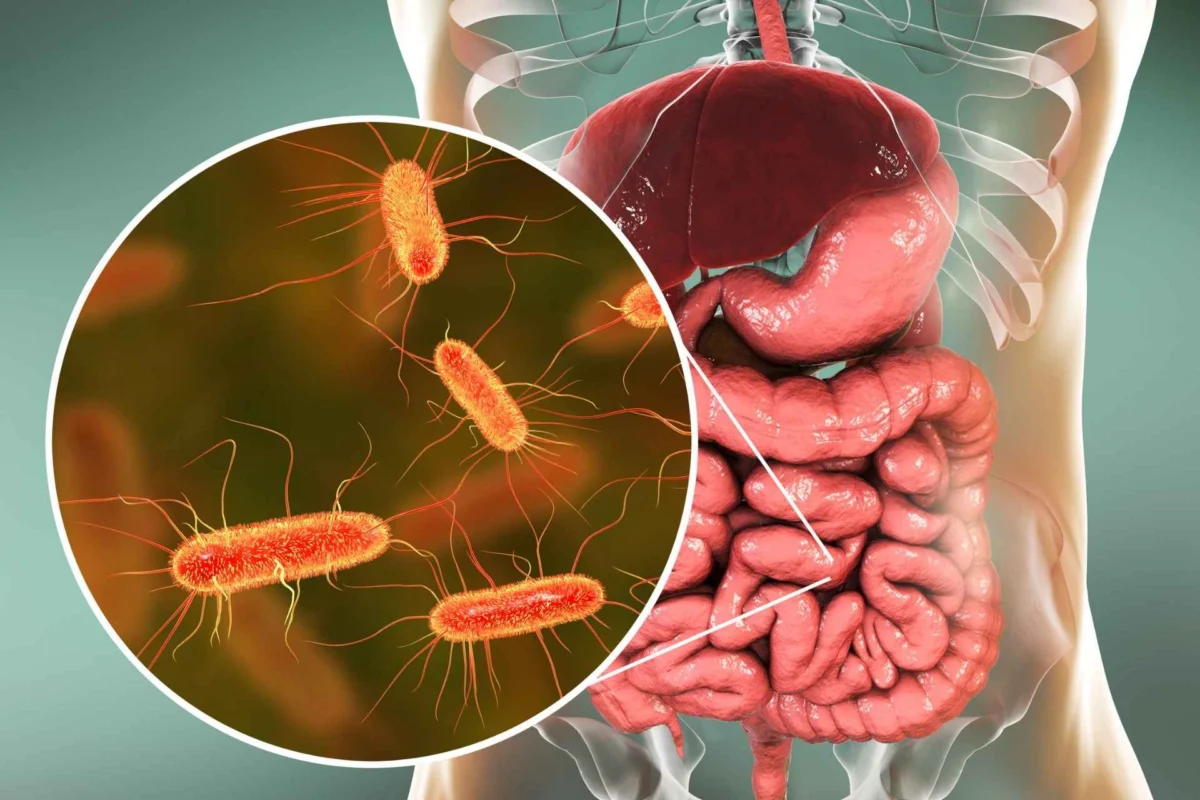
The human gastrointestinal tract serves as a complex bioreactor where trillions of microorganisms engage in a sophisticated dance of metabolic exchange, directly influencing host physiology, immunity, and overall health. Among the diverse inhabitants of this ecosystem, the genus Blautia has emerged as a cornerstone of gut stability, frequently cited in clinical literature for its inverse correlation with inflammatory diseases, obesity, and metabolic syndrome. A groundbreaking study recently published in the journal Gut Microbes has provided a comprehensive look into the unique physiological mechanisms of Blautia luti, a specific species that defies traditional models of acetogenic metabolism. By investigating how this bacterium thrives despite lacking the enzyme formate dehydrogenase, researchers have uncovered a "formate-centric" metabolic strategy that highlights the role of formate as a vital interspecies electron carrier within the human colon.
The Evolutionary Context of Blautia in the Human Microbiome
To understand the significance of the findings regarding B. luti, it is necessary to contextualize the role of acetogenic bacteria in the gut. Acetogens are a group of microorganisms capable of synthesizing acetate from carbon dioxide and hydrogen via the Wood–Ljungdahl pathway (WLP). This pathway is considered one of the oldest biochemical routes for energy conservation and carbon fixation on Earth. In the human gut, this process is essential because it prevents the accumulation of hydrogen gas, which, if left unchecked, can inhibit the fermentation processes of other beneficial bacteria.
Historically, Blautia species were classified under the genera Clostridium and Ruminococcus before being reclassified due to their distinct phylogenetic and metabolic profiles. They are prolific producers of short-chain fatty acids (SCFAs), particularly acetate, which serves as an energy source for colonocytes and plays a role in systemic lipid and glucose metabolism. While most acetogens utilize a standard WLP that begins with the reduction of CO2 to formate via formate dehydrogenase (FDH), B. luti represents a fascinating evolutionary deviation. The discovery that certain strains of B. luti lack the genes encoding for FDH prompted a deep dive into how these organisms maintain their energy balance and contribute to the gut’s metabolic web.
Deciphering the Metabolism of Blautia luti
The research team focused on the heterotrophic growth of B. luti, observing its behavior across a spectrum of carbohydrate sources. While the genus is known for its versatility, the specific fermentation profiles of B. luti had remained largely undocumented until now. The study confirmed that B. luti is a generalist, capable of fermenting a wide array of hexoses and pentoses. However, the absence of FDH presented a biochemical puzzle: if the bacterium cannot reduce CO2 to formate to initiate the Wood–Ljungdahl pathway, how does it complete its metabolic cycle?
The investigation revealed that B. luti bypasses the need for CO2 reduction by utilizing formate directly as a central metabolite. In most bacteria, formate is a byproduct of fermentation, often excreted or converted into CO2 and H2. In B. luti, however, formate is produced during the oxidation of pyruvate via the enzyme pyruvate formate-lyase (PFL). The study demonstrated that PFL is essential for the bacterium’s heterotrophic growth. When researchers inhibited PFL activity, they observed a dramatic shift in the organism’s metabolic output. Instead of producing acetate and formate, the bacteria redirected their carbon flow toward the production of lactate, utilizing the enzyme pyruvate-ferredoxin-oxidoreductase (PFOR) to maintain redox balance.
Enzyme Dynamics and Carbon Flow Analysis
To validate these metabolic pathways, the researchers conducted rigorous enzymatic assays using crude extracts of B. luti grown on glucose. These experiments confirmed high levels of activity for both PFL and PFOR in the presence of Coenzyme A (CoA). The data suggested a dual-track system for pyruvate oxidation. Under standard conditions, PFL dominates, generating the formate necessary to feed the "methyl branch" of the Wood–Ljungdahl pathway.
The study further quantified the carbon flow during glucose fermentation. By analyzing the stoichiometry of the fermentation products, the researchers found that B. luti produces a balanced profile of acetate, succinate, and lactate, alongside significant amounts of formate and hydrogen. Interestingly, even in the absence of active biomass production—such as in resting cell assays—the bacteria continued to process glucose into these metabolites, suggesting that their metabolic machinery is finely tuned for constant environmental sensing and rapid response to nutrient availability.
This "mixotrophic" capability—the ability to grow on organic carbons while simultaneously utilizing inorganic gases or simple molecules like formate—suggests that B. luti is uniquely adapted to the fluctuating nutrient landscape of the human colon. In the gut, where simple sugars are often depleted by the time they reach the distal colon, the ability to scavenge formate produced by other microbes provides B. luti with a significant competitive advantage.
The Role of Hydrogenases: Managing the Redox Balance
A critical component of the study involved the characterization of B. luti’s hydrogenases. Hydrogen metabolism is a linchpin of gut health; the overproduction of hydrogen can lead to bloating and discomfort, while its efficient removal by acetogens and methanogens ensures smooth fermentation.
The researchers identified two primary hydrogenases in B. luti: HydA and HydM.
- HydA: An electron-bifurcating [FeFe]-hydrogenase that couples the oxidation of ferredoxin and NADH to the production of H2. This enzyme is crucial during rapid growth phases when the cell needs to dump excess electrons to maintain its internal redox state.
- HydM: A membrane-associated hydrogenase that appears to play a role in utilizing hydrogen from the environment as an electron donor.
By analyzing the transcript abundance of the genes encoding these enzymes (hydA and hydM), the study found that B. luti modulates its hydrogen production based on the availability of other electron acceptors. This flexibility allows the bacterium to act as both a source and a sink for hydrogen, depending on the immediate needs of the microbial community. This dual role further solidifies the species’ reputation as a "metabolic hub" in the gut.
Formate as a Messenger: Implications for Interspecies Cross-Feeding
One of the most significant conclusions drawn from the Gut Microbes study is the identification of formate as a central electron carrier in the gut. For decades, hydrogen was considered the primary medium for interspecies electron transfer (IET). However, the finding that B. luti thrives by directly integrating formate into its WLP suggests that formate may be just as important, if not more so, in certain ecological niches of the colon.
In a healthy gut, various bacteria produce formate as a fermentation intermediate. If formate were to accumulate, it could reach toxic levels, lowering the pH and inhibiting microbial growth. B. luti acts as a "formate scavenger," converting this potential waste product into beneficial acetate. This relationship is a classic example of syntrophy, where the metabolic activity of one organism depends on the consumption of its products by another.
Scientific commentators on the study have noted that this mechanism likely contributes to the high concentrations of Blautia observed in healthy individuals. By maintaining low levels of formate and hydrogen, B. luti creates a stable environment that supports a diverse and resilient microbiome.
Chronology of Research and Discovery
The journey to understanding B. luti has spanned several decades of microbiology:
- Early 2000s: The genus Blautia is formally described, separating it from the Ruminococcaceae family based on 16S rRNA sequencing.
- 2010–2015: Genomic studies begin to identify the Wood–Ljungdahl pathway in Blautia species, confirming their status as acetogens.
- 2018–2022: Large-scale microbiome projects identify Blautia as a "biomarker of health," noting its depletion in patients with Crohn’s disease, Type 2 diabetes, and colorectal cancer.
- 2024: The current study in Gut Microbes provides the first detailed biochemical evidence of the FDH-lacking WLP in B. luti, shifting the paradigm of how acetogenesis is understood in the human context.
Clinical Implications and Future Directions
The implications of these findings extend beyond basic microbiology into the realm of clinical medicine and therapeutics. If B. luti is indeed a central regulator of gut homeostasis through its formate-scavenging capabilities, it represents a prime candidate for next-generation probiotics.
- Anti-Inflammatory Properties: By producing acetate and succinate, B. luti helps maintain the integrity of the gut barrier and modulates the host immune response. Acetate, in particular, binds to G-protein coupled receptors (GPCRs) on immune cells, reducing the production of pro-inflammatory cytokines.
- Pathogen Inhibition: The study touched upon the antibacterial activity of Blautia. By efficiently utilizing nutrients and maintaining an acidic environment through SCFA production, B. luti can outcompete pathogens like Clostridioides difficile.
- Metabolic Health: The ability of B. luti to prevent the accumulation of toxic metabolites like carbon monoxide (CO) and hydrogen suggests a role in preventing metabolic endotoxemia, a condition linked to chronic low-grade inflammation and insulin resistance.
Despite these insights, researchers emphasize that more in vivo studies are required. The gut is a highly dynamic environment, and the metabolic behavior of B. luti may change in the presence of complex fiber diets or during antibiotic treatment. Future research will likely focus on how dietary interventions, such as the intake of specific prebiotics like inulin or resistant starch, can boost the population of B. luti and enhance its formate-scavenging efficiency.
Conclusion
The study of Blautia luti marks a significant milestone in our understanding of the human microbiome’s inner workings. By elucidating the "atypical" Wood–Ljungdahl pathway and the central role of formate and hydrogenases, scientists have provided a blueprint for how this bacterium sustains gut health. As we move toward an era of personalized medicine, the ability to modulate these specific metabolic pathways offers a promising avenue for treating a wide array of gastrointestinal and systemic disorders. The story of B. luti is a testament to the complexity of microbial life and a reminder that even the smallest organisms can have a profound impact on human well-being.
