
The year 2021 presented a complex tapestry of shifting consumer behaviors and ongoing global health challenges, particularly as societies continued to adapt to a post-lockdown "new normal." While some pandemic-induced habits began to recede, the underlying need for robust health and wellness strategies remained paramount. A recent U.S. consumer survey highlighted a discernible decrease in certain dietary behaviors that had surged in 2020. Specifically, the percentage of Americans reporting increased snacking dropped from 32% in 2020 to 18% in 2021. Similarly, the number of individuals reporting eating "more in general" also saw a decline, falling from 20% to 11% over the same period.
This recalibration, however, was accompanied by a countertrend: a decrease in home cooking. The survey indicated that only 47% of consumers were cooking at home in 2021, a notable drop from 60% in 2020. This suggests a potential pivot back towards pre-pandemic eating patterns, which may include increased reliance on external food sources. Furthermore, the survey findings illuminated persistent and significant disparities in food security across the population, a critical issue exacerbated by the economic fallout of the pandemic.
Beyond dietary shifts, the COVID-19 pandemic continued its pervasive influence, generating a wide array of individual and societal impacts. The emergence of new disease variants throughout 2021 served as a stark reminder of the ongoing global health imperative for increased vaccination, particularly in low- and lower-middle-income countries where access and distribution remain critical hurdles.
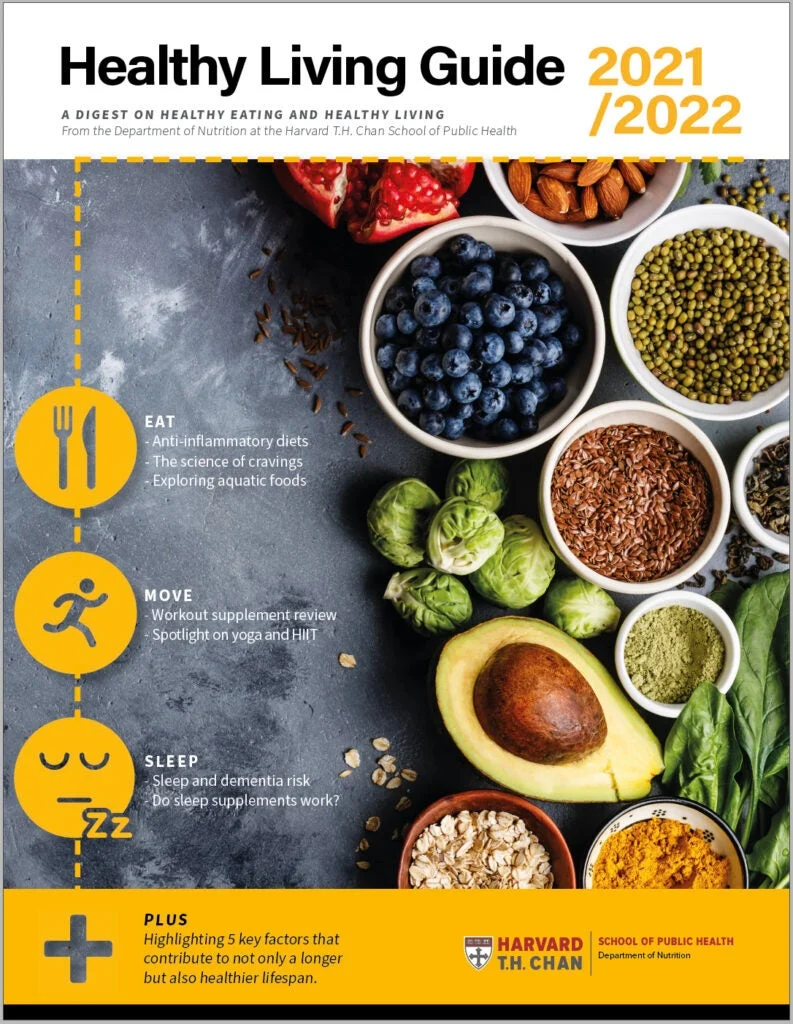
In response to these evolving circumstances and persistent health needs, a comprehensive "Healthy Living Guide" has been released, aiming to equip individuals with practical strategies for maintaining well-being. This year’s edition revisits foundational pillars of health: balanced eating, regular physical activity, and adequate sleep. It incorporates selected research highlights and delves into popular nutrition and lifestyle topics, offering actionable advice for the year ahead. The guide, available for download as a printable PDF, also provides links to a wealth of online resources, promising a valuable tool for those seeking to cultivate healthier habits in 2022 and beyond.
Navigating the Post-Pandemic Landscape: Shifting Dietary Habits
The initial phase of the COVID-19 pandemic, marked by widespread lockdowns and altered daily routines, profoundly reshaped American dietary habits. In 2020, a significant portion of the population turned to home cooking as a primary means of sustenance and a way to manage stress. This surge in domestic culinary activity was mirrored by an increase in overall food consumption and more frequent snacking. However, as restrictions eased and a semblance of normalcy returned in 2021, a notable shift occurred.
The aforementioned U.S. consumer survey, conducted by a prominent food industry research organization, provides empirical data illustrating these changes. The decline in reported increased snacking from 32% to 18% suggests a return to more structured eating patterns for a substantial segment of the population. This could be attributed to a variety of factors, including the resumption of work in office environments, more structured school schedules for children, and a general desire to re-establish pre-pandemic routines.
Concurrently, the decrease in individuals reporting "eating more in general" from 20% to 11% indicates a potential reduction in overconsumption that may have characterized the earlier stages of the pandemic. This trend could be linked to a renewed focus on health and wellness, increased awareness of portion control, or simply a return to more typical energy expenditure levels as physical activity resumed.
However, the parallel decline in home cooking—from 60% in 2020 to 47% in 2021—presents a complex challenge. While reduced snacking and overeating are generally positive indicators, a decrease in home-cooked meals may signal a return to more convenient, and potentially less healthy, food choices. This trend could be influenced by factors such as increased reliance on takeout and restaurant dining, a desire for novelty after prolonged periods of home cooking, or time constraints as other responsibilities reassert themselves. The implications of this shift are significant, as home-cooked meals often offer greater control over ingredients, nutritional content, and portion sizes compared to commercially prepared options.
Food Security: An Enduring Challenge Amidst Shifting Norms
While consumer behavior around food consumption and preparation evolved in 2021, the underlying issue of food insecurity remained a critical concern. The survey data underscored significant disparities in access to adequate and nutritious food, a problem that was amplified by the economic disruptions of the pandemic. Households facing financial instability, job losses, or reduced income often struggled to afford sufficient food. This disproportionately affected vulnerable populations, including low-income families, marginalized communities, and individuals experiencing unemployment.
The long-term implications of food insecurity are far-reaching, impacting not only physical health but also mental well-being and educational attainment. Children experiencing food insecurity are at higher risk of developmental delays, chronic health conditions, and academic difficulties. Adults may face increased susceptibility to illness, reduced productivity, and heightened stress levels. Addressing food insecurity requires multifaceted approaches, including robust social safety nets, community-based food assistance programs, and policies aimed at improving economic stability and access to affordable, healthy food options.
The Broader Health Imperative: Vaccination and Global Health Equity
The continued presence of COVID-19 and the emergence of new variants in 2021 underscored the ongoing global health crisis. The scientific community and public health organizations reiterated the critical importance of widespread vaccination as a primary strategy for mitigating the spread of the virus, reducing severe illness and death, and enabling a more sustainable return to normalcy.
However, the distribution and accessibility of vaccines remained a significant global challenge. Low- and lower-middle-income countries continued to face substantial hurdles in acquiring sufficient vaccine doses, establishing robust distribution networks, and overcoming logistical complexities. This disparity in vaccine access not only prolongs the pandemic for these regions but also poses a risk to global health as the virus continues to circulate and potentially mutate. The urgency for increased global vaccination efforts, particularly in underserved nations, was a recurring theme in public health discourse throughout the year. This highlights the interconnectedness of global health and the necessity of international cooperation and equitable resource allocation to combat shared health threats.
The Healthy Living Guide: A Roadmap for Well-being
In light of these multifaceted challenges and evolving societal dynamics, the "Healthy Living Guide" serves as a timely and essential resource. Its reintroduction for 2022 signifies a commitment to providing individuals with the knowledge and tools necessary to navigate their health journey. The guide’s focus on the core pillars of healthy living—eating well, being active, and sleeping sufficiently—addresses the fundamental elements of physical and mental well-being.
Key Themes Explored in the Guide:
- Balanced Eating: The guide likely delves into evidence-based nutritional recommendations, emphasizing the importance of whole foods, fruits, vegetables, lean proteins, and healthy fats. It may offer practical advice on meal planning, portion control, and making healthier choices when dining out or opting for convenience foods. This section would aim to address the observed decrease in home cooking by providing strategies for incorporating nutritious meals into busy schedules.
- Physical Activity: Promoting regular physical activity is crucial for both physical and mental health. The guide probably outlines recommended physical activity guidelines, suggesting various forms of exercise and strategies for incorporating movement into daily routines. This could include advice for individuals who may have become more sedentary during the pandemic or are looking to re-establish an active lifestyle.
- Adequate Sleep: Sleep is a critical, yet often overlooked, component of overall health. The guide likely provides insights into the importance of sleep hygiene, recommended sleep durations for different age groups, and strategies for improving sleep quality. This is particularly relevant as stress and altered routines can disrupt sleep patterns.
The inclusion of "selected research highlights" suggests that the guide is grounded in current scientific understanding. This approach ensures that the advice provided is up-to-date and reflects the latest findings in nutrition and lifestyle science. By revisiting popular nutrition and lifestyle topics, the guide aims to demystify complex health information and make it accessible to a broad audience.
Furthermore, the availability of a downloadable PDF format, complete with printable tip sheets and summaries, enhances the guide’s practical utility. This allows individuals to easily access and reference information, integrate tips into their daily lives, and share resources with family and friends. The provision of links to full online articles offers an avenue for deeper exploration of specific topics, catering to those who wish to gain a more comprehensive understanding.
A Call to Action: Empowering Healthier Choices
The overarching message of the Healthy Living Guide is one of empowerment. In a world marked by ongoing change and health uncertainties, individuals are encouraged to take proactive steps to safeguard their well-being. The guide’s introduction for 2022, with its focus on actionable advice and evidence-based information, represents a vital contribution to public health literacy.
The inclusion of a "Test your healthy living knowledge" section, with a prompt to consult previous editions, further reinforces the idea of continuous learning and building upon existing knowledge. This encourages users to engage with the material and to see healthy living as an ongoing journey rather than a destination.
As societies continue to navigate the complexities of the post-pandemic era, the principles of healthy eating, regular physical activity, and sufficient sleep remain cornerstones of resilience and well-being. The Healthy Living Guide, by providing accessible and evidence-based information, serves as a valuable companion for individuals striving to cultivate a healthier and more fulfilling life in 2022 and beyond. Its release underscores the persistent need for comprehensive health education and resources that empower individuals to make informed choices in an ever-evolving world.
