
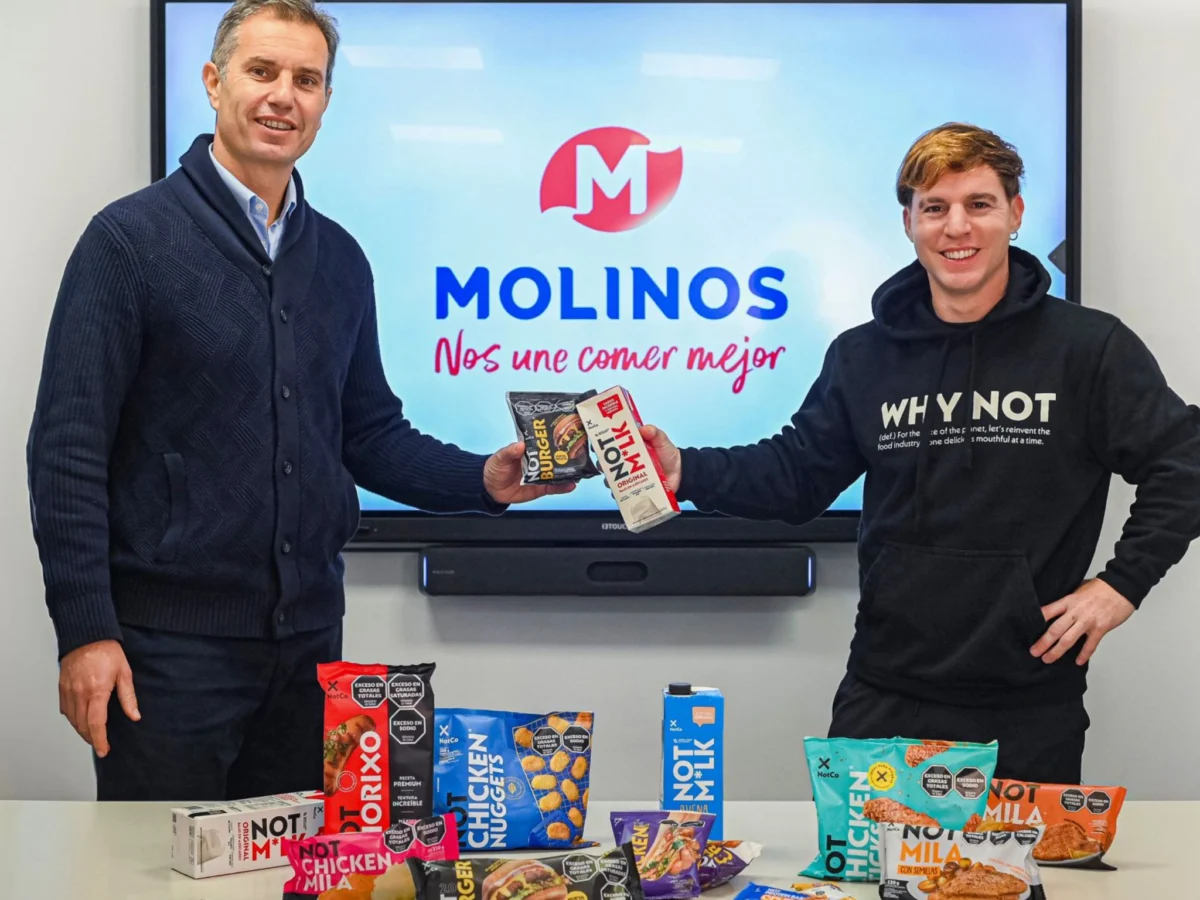
Molinos Río de la Plata, Argentina’s largest branded food company, has entered into a definitive agreement to acquire 100% of the operations of Chilean AI-led plant-based food firm NotCo in Argentina and Uruguay. This significant transaction signals a strategic acceleration for NotCo, transitioning from a consumer-packaged goods (CPG) focused innovator to an enabler of AI-driven product development for the broader food industry. The deal, for an undisclosed sum, is subject to customary regulatory approvals and represents a key move for Molinos to diversify its portfolio and capture the growing demand for plant-based alternatives, particularly among younger demographics.
NotCo’s Strategic Shift: From CPG to B2B Technology Licensing
Founded in 2015 in Chile, NotCo rapidly emerged as a prominent food technology unicorn, renowned for its innovative approach to creating plant-based alternatives that mimic the taste, texture, and functionality of animal products. At the core of its success lies "Giuseppe," a proprietary artificial intelligence platform. Giuseppe analyzes the molecular composition of animal-derived ingredients to identify optimal combinations of plant-based components that can replicate these characteristics. This advanced AI capability has enabled NotCo to significantly reduce product development timelines and costs, leading to the launch of a diverse range of plant-based products across the Americas, including dairy-free milk (NotMilk), burgers, chicken alternatives, chorizo, cheese, mayonnaise, and ice cream.
The company’s technological prowess attracted substantial investment, with prominent figures like Jeff Bezos among its backers. Over the years, NotCo has raised more than $400 million, achieving a valuation exceeding $1 billion and solidifying its status as a unicorn. However, in recent times, NotCo has strategically shifted its focus. Recognizing a potential slowdown in the direct-to-consumer plant-based food market and a surge in investment for AI-driven solutions, the company has begun divesting its consumer-facing businesses to concentrate on its business-to-business (B2B) technology licensing platform.
This strategic pivot has been evident in recent years. NotCo formed a joint venture with The Kraft Heinz Company in the United States and Canada, producing animal-free versions of iconic products like Kraft’s blue-box mac and cheese and Oscar Mayer hot dogs. More recently, NotCo has transitioned its business in these North American markets entirely to Kraft Heinz, further underscoring its commitment to a B2B model. The company has also reportedly shifted its primary online presence to highlight its AI division, NotCo AI, and has been collaborating with major global food corporations such as Nestlé, Barry Callebaut, PepsiCo, Mars, and Mondelēz International.
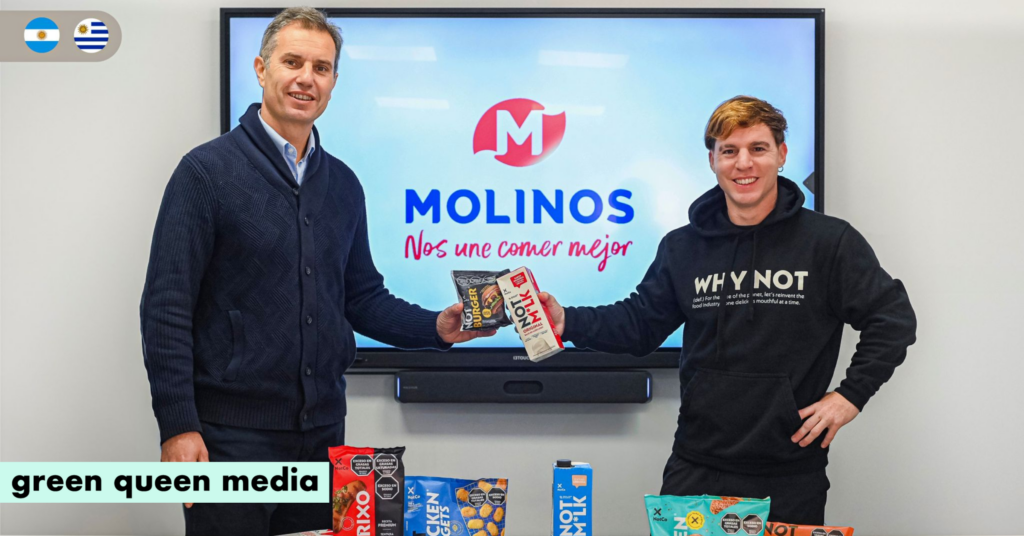
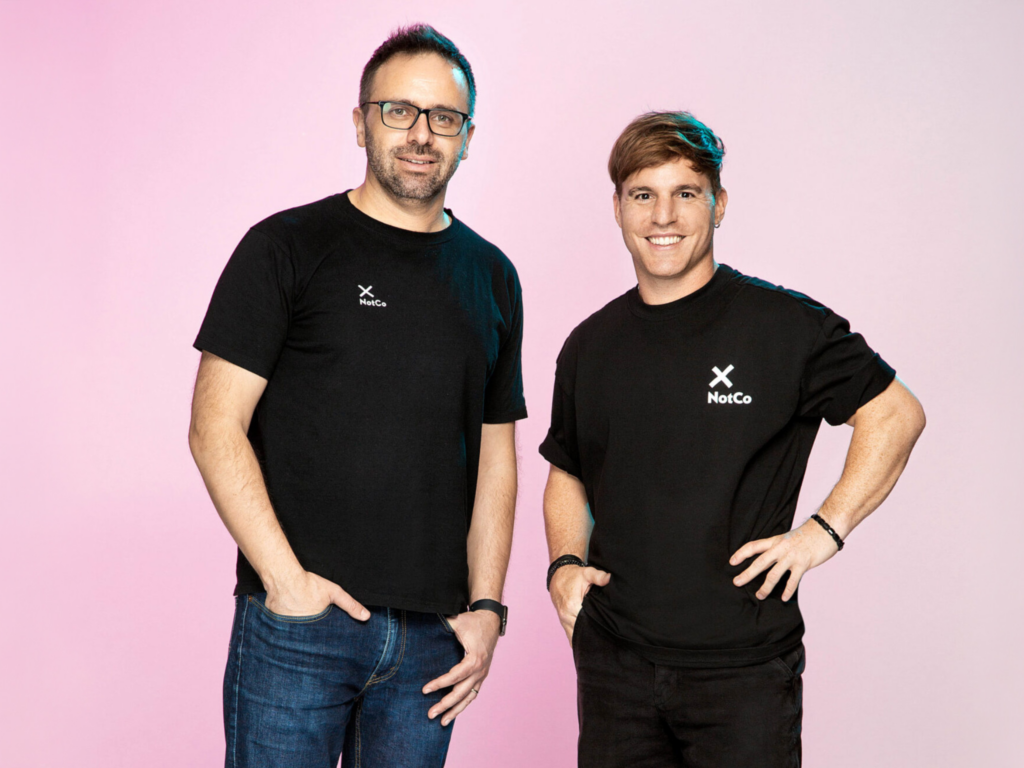
The acquisition by Molinos Río de la Plata in Argentina and Uruguay is a direct continuation of this strategic reorientation. NotCo’s co-founder and CEO, Matías Muchnick, expressed his confidence in this direction, stating in a LinkedIn post, "For NotCo, this is tremendous proof that the path was, and more than ever is, the right one." The deal signifies a successful monetization of its consumer operations in these key South American markets, allowing NotCo to deepen its investment and expansion in its core AI technology licensing business.
Molinos Río de la Plata’s Strategic Expansion and Diversification
For Molinos Río de la Plata, a company with a rich history dating back nearly 125 years and a significant presence in the Argentine food landscape, this acquisition represents a strategic move to broaden its horizons and appeal to evolving consumer preferences. As the largest branded food company in Argentina, owned by the Perez Companc Group, Molinos is strategically positioned to leverage NotCo’s established infrastructure and product lines in these two markets.
The acquisition aligns with Molinos’ ongoing strategy to diversify into new categories and capture the attention of younger consumers, a demographic increasingly interested in sustainable and alternative food options. This move into the plant-based sector is particularly timely, considering recent trends in meat consumption in Argentina. Data indicates a notable decline in meat consumption, with beef intake reaching an all-time low in the country. Despite this, consumer willingness to adopt plant-based meat alternatives remains strong, even if awareness of these options is still developing.
The integration of NotCo’s operations will allow Molinos to enhance its capabilities in the plant-based food and functional nutrition categories. It will also complement Molinos’ existing frozen food business, creating synergistic opportunities for product development and market penetration. Conversely, NotCo’s product portfolio will benefit from Molinos’ extensive and well-established manufacturing and distribution network, ensuring wider reach and greater consumer access.
Agustín Llanos, CEO of Molinos, highlighted the strategic importance of this integration: "The addition of NotCo Foods represents an opportunity to further strengthen our innovation capacity and keep pace with evolving consumer preferences." This sentiment underscores Molinos’ forward-looking approach to market dynamics and its commitment to staying at the forefront of food industry trends.
The AI Engine: How Giuseppe Revolutionized Food Development
NotCo’s journey from a startup to a global food tech player is intrinsically linked to the development and application of its AI platform, Giuseppe. The platform’s genesis in 2015 was driven by the ambition to create plant-based alternatives that could truly rival their animal-based counterparts in terms of sensory experience. By analyzing the molecular structures of animal proteins, Giuseppe identifies analogous plant-based ingredients and their optimal combinations to replicate the precise flavor, texture, and functional properties.
Karim Pichara, co-founder and CTO of NotCo, explained the necessity of such a sophisticated tool: "Ingredient combinations are almost infinite, right? So you need an AI that guides you through the process of creating the prototype of the formula." Giuseppe acts as an intelligent assistant to food scientists, chefs, and product developers, streamlining the often complex and time-consuming process of recipe formulation. This AI-driven approach has allowed NotCo to achieve breakthroughs in replicating familiar food experiences, from the creamy texture of milk to the savory bite of meat.
The impact of Giuseppe extends beyond product innovation. It has dramatically accelerated the speed at which new products can be brought to market and has demonstrably reduced research and development costs. This efficiency has been crucial in NotCo’s rapid expansion and its ability to offer a broad spectrum of plant-based options. The platform’s versatility is further illustrated by NotCo’s exploration into more novel applications, including a GLP-1 booster product aimed at weight management, showcasing the platform’s adaptability to emerging health and wellness trends.
A Shifting Landscape: Consolidation in the Alternative Protein Industry
The acquisition of NotCo’s South American operations by Molinos Río de la Plata occurs within a broader context of significant consolidation and evolution within the alternative protein industry. The sector, which experienced a boom in investment and innovation in recent years, is now undergoing a period of recalibration. Since September 2024 alone, a notable number of companies within the alternative protein space have either been acquired, bought out, merged, faced insolvency, or ceased operations entirely. This trend suggests a maturation of the market, where established players are consolidating their positions and less robust business models are being phased out.
This industry-wide trend also provides a backdrop to a recent legal development for NotCo in its home country. A month prior to the Molinos acquisition announcement, Chile’s Supreme Court concluded a five-year legal dispute between NotCo and the local dairy industry. The ruling allowed NotCo to retain the use of the name "NotMilk" for its plant-based beverage. However, the court mandated the removal of the word "milk" and any associated imagery from its packaging, reflecting ongoing regulatory scrutiny and the evolving definitions surrounding plant-based product labeling. This legal resolution, while nuanced, provides a clearer path forward for NotCo’s flagship product in its domestic market.
Implications and Future Outlook
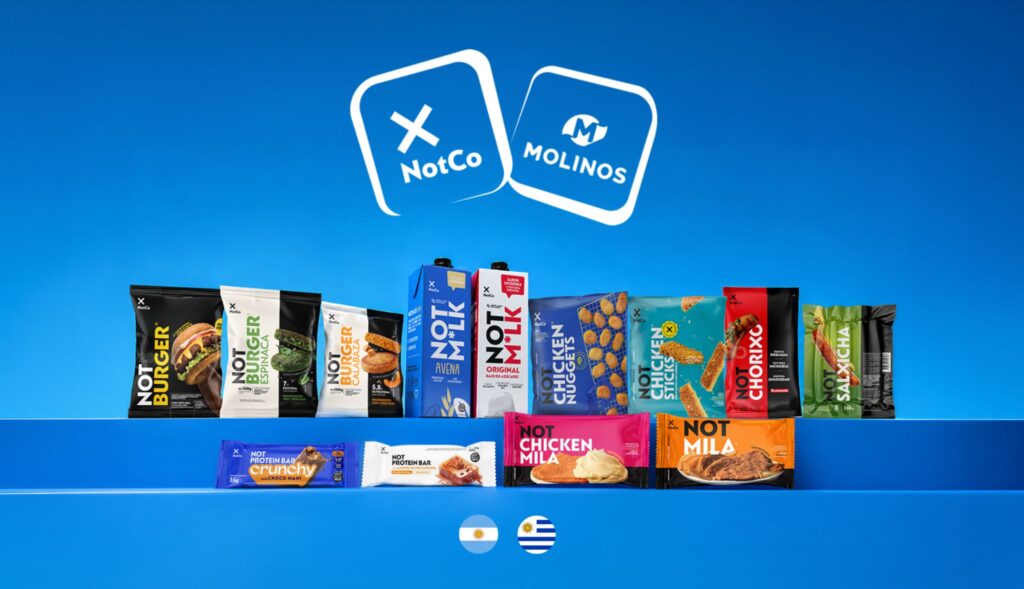
The acquisition by Molinos Río de la Plata has several significant implications. For NotCo, it represents a successful divestiture of consumer-facing operations in key markets, enabling a more focused pursuit of its B2B AI technology licensing strategy. This allows the company to dedicate resources to further developing and deploying its proprietary AI platform to a wider range of global food manufacturers. The deal validates NotCo’s long-term vision of being a technology provider rather than solely a product manufacturer.
For Molinos, the acquisition is a strategic leap into a high-growth sector. It diversifies its revenue streams, strengthens its connection with a younger, health-conscious consumer base, and positions the company to capitalize on the growing demand for plant-based foods in Argentina and Uruguay. By integrating NotCo’s innovative product lines and leveraging its own robust distribution channels, Molinos is poised to become a significant player in the region’s burgeoning alternative protein market. The company’s investment in this sector also signals a proactive response to shifting dietary habits and a commitment to adapting its offerings to meet future market demands.
The transaction highlights the ongoing transformation within the food industry, where technology, particularly AI, is playing an increasingly pivotal role in product development and market innovation. As consumers continue to demand more sustainable, healthier, and ethically produced food options, companies like Molinos that strategically embrace these trends, often through partnerships or acquisitions with specialized technology firms like NotCo, are likely to lead the way in shaping the future of food. The success of this integration will be closely watched as a bellwether for further consolidation and innovation within the global alternative protein landscape.
