
The global sustainable food landscape continues to evolve at a rapid pace, driven by shifting consumer demands, environmental imperatives, and technological breakthroughs. In this week’s roundup of alternative protein developments, biomanufacturing advancements, and institutional policy changes, industry players are making significant strides. From seasonal product extensions by dairy alternatives giant Califia Farms to pioneering public procurement strategies in New York City, the market reflects a maturing sector focused on scalability, taste, and sustainability.
New Product Launches and Strategic Brand Partnerships
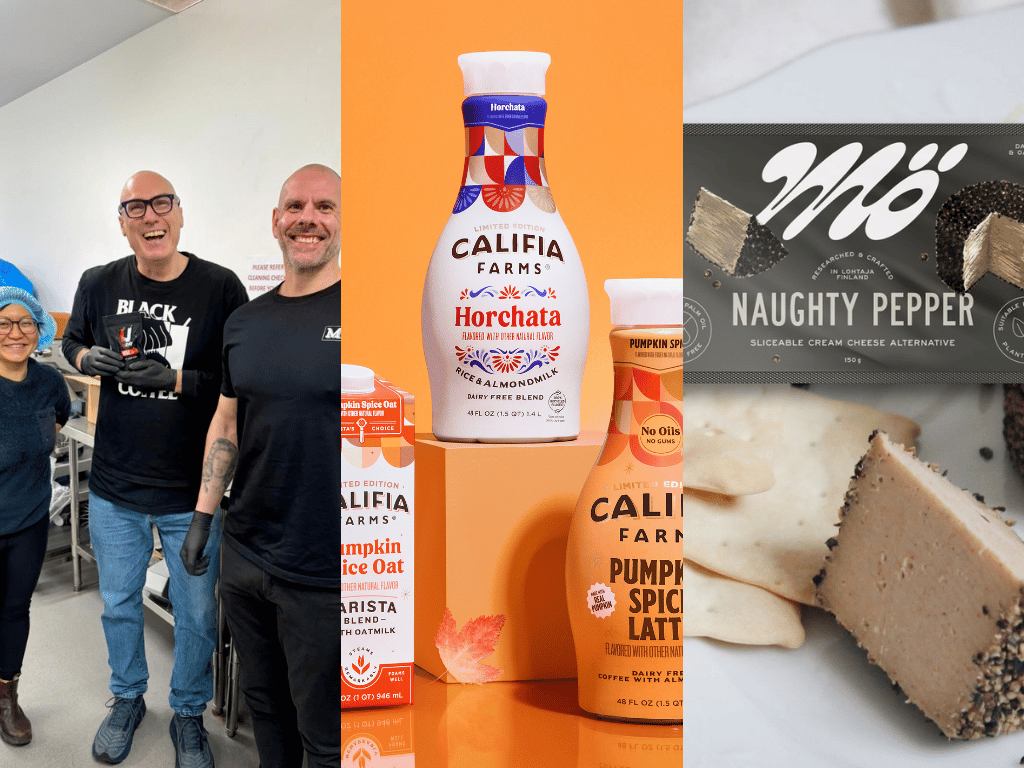
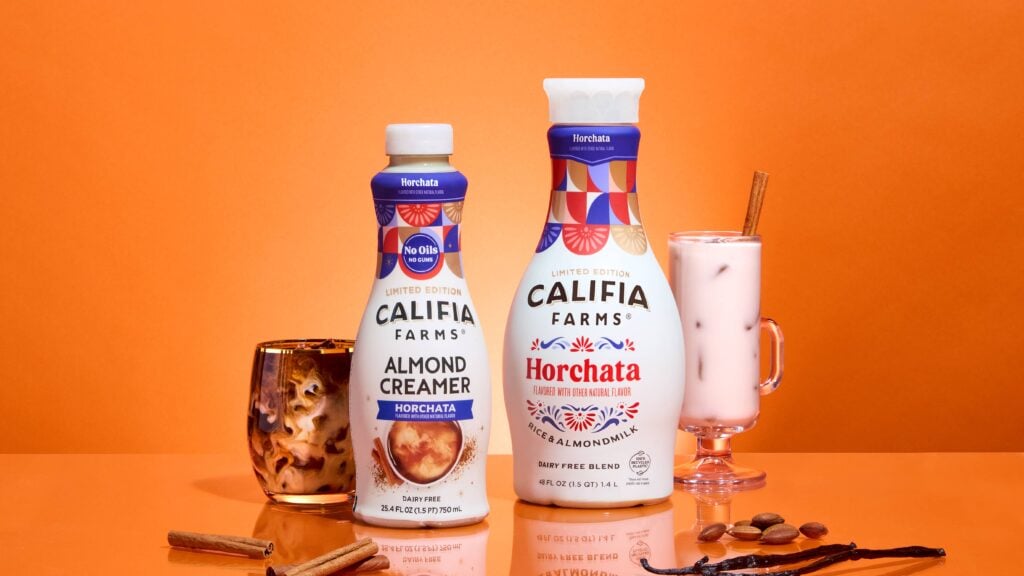
The consumer-packaged goods sector has seen a surge in innovative product formulations designed to capture market share during peak retail seasons. US-based dairy-free pioneer Califia Farms has expanded its popular simple almond creamer line just in time for the autumn and winter holiday buying cycles. Introducing two seasonal variants—horchata and peppermint bark—the brand aims to capitalize on the growing consumer preference for plant-based holiday indulgences. Retailing at $5.49 per 25.4-ounce bottle, these additions join a robust portfolio of fan favorites, reinforcing Califia’s footprint in the competitive dairy-free beverage sector.
Simultaneously, the market for shelf-stable plant-based snacks is gaining traction. Jensen Meat Co., traditionally known for conventional meat processing, has ventured deeper into alternative proteins with the launch of the Butcher Stick. Available in classic pepperoni and teriyaki flavors, these shelf-stable snacks utilize sunflower seed protein, providing four grams of protein per stick. This strategic move highlights a broader industry trend where traditional meat manufacturers are diversifying their product lines to include plant-forward options, mitigating supply chain vulnerabilities and appealing to flexitarian consumers.
In the biomanufacturing space, leadership shifts continue to spawn high-potential startups. Cuvia, a newly established Californian biomanufacturing startup specializing in recombinant proteins, has officially entered the market. Founded by Smita Shankar, the former senior vice president of biomanufacturing at Impossible Foods, Cuvia aims to leverage precision fermentation to produce scalable, sustainable protein alternatives that mimic animal-based counterparts without the environmental footprint.
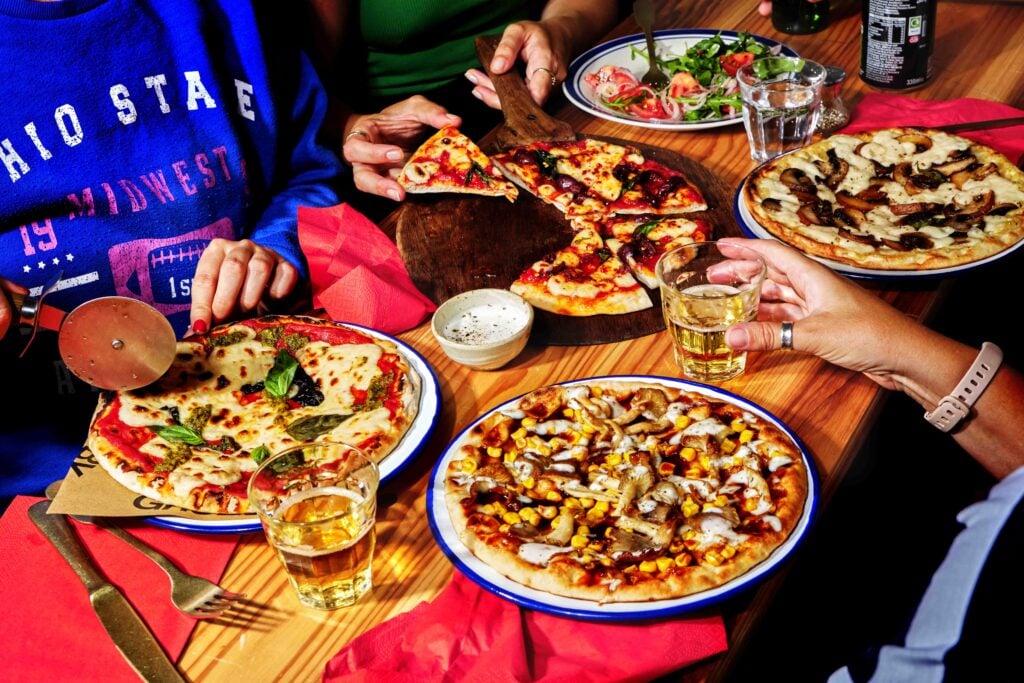
Culinary collaborations are also reshaping the European meal-kit and convenience food markets. In the United Kingdom, vegan meal-kit innovator Grubby has partnered with pizza artisan Doughboys and plant-based cheese startup Casadai Foods to roll out an exclusive range of pizzas. The new menu additions include a margherita with pesto and rocket, a cheesy truffled mushroom pizza with rocket, a barbecue pulled oyster mushroom and sweetcorn variant, and an innovative ‘nduja and black olive pizza finished with hot agave. This collaboration underscores the increasing importance of cross-brand partnerships in delivering elevated culinary experiences within the plant-based sector.
Mycoprotein and Alternative Dairy Growth Spurts
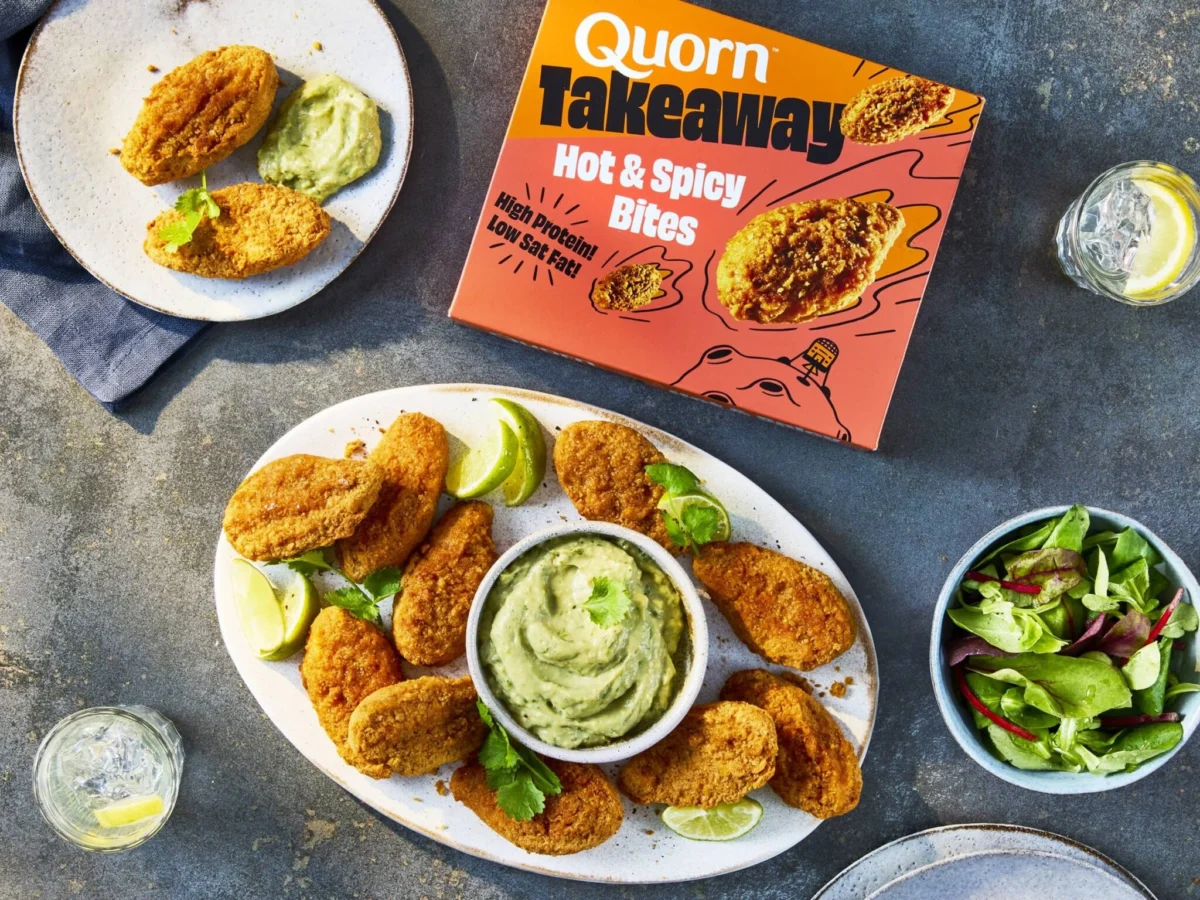
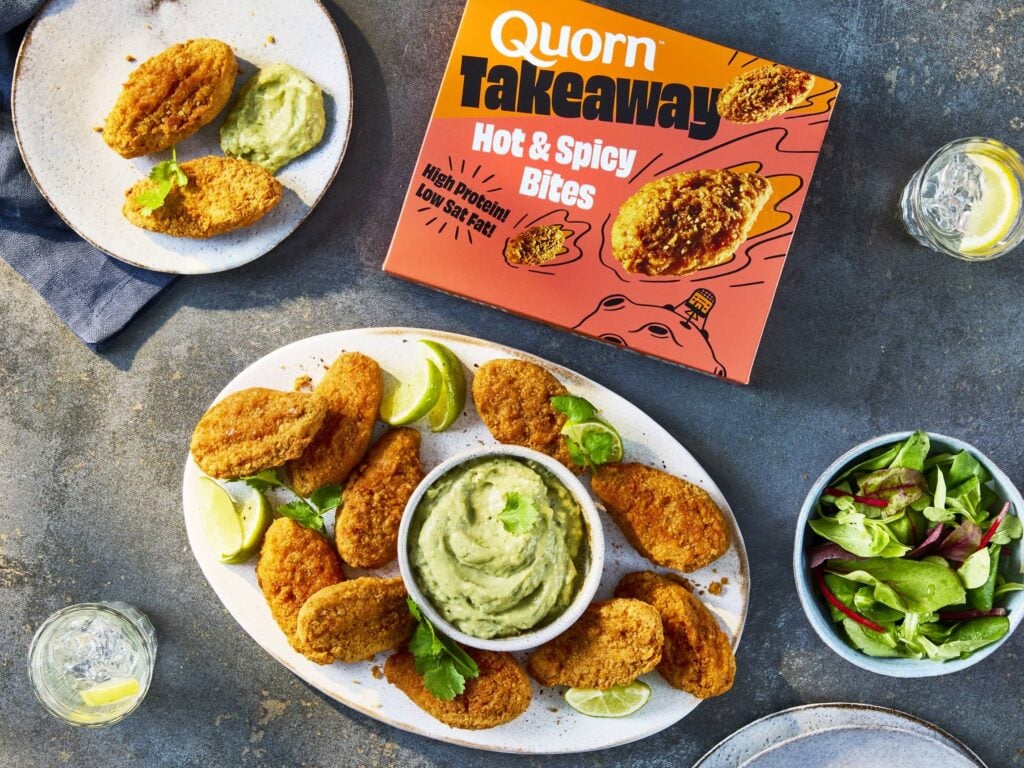
Mycoprotein market leader Quorn is demonstrating clear signs of recovery following a challenging economic period for the alt-protein sector. The company has injected fresh energy into its frozen convenience range by introducing hot and spicy bites. Designed for preparation in an air fryer within ten minutes, the product is retailing at £2.95 per 245-gram pack across major UK supermarket chains, including Tesco, Sainsbury’s, Waitrose, and Morrisons. Industry analysts view this expansion as a strategic play to capture the burgeoning demand for quick, high-protein meal solutions among time-poor consumers.
Also in the UK, plant-based brand Bol has enhanced its nutritional profile offerings by expanding its Power Soup line. The newly launched sweet potato, coconut and chilli, and three-bean chilli soups deliver an impressive 21 grams of fibre per pot—surpassing category averages by roughly 13 grams—alongside 18 grams and 24 grams of protein, respectively. This emphasis on functional nutrition signals a shift away from purely lifestyle-driven plant-based eating toward scientifically validated health benefits.
Meanwhile, in the Nordic region, Finnish non-dairy innovator Mö Foods has introduced "Naughty Pepper," an oat-based, peppery cream cheese now available in grocery stores across Finland. The product highlights the ongoing maturation of Nordic food technology, particularly in utilizing oats as a versatile, local base for fermented dairy alternatives.
Corporate Restructuring, Funding, and Institutional Procurement
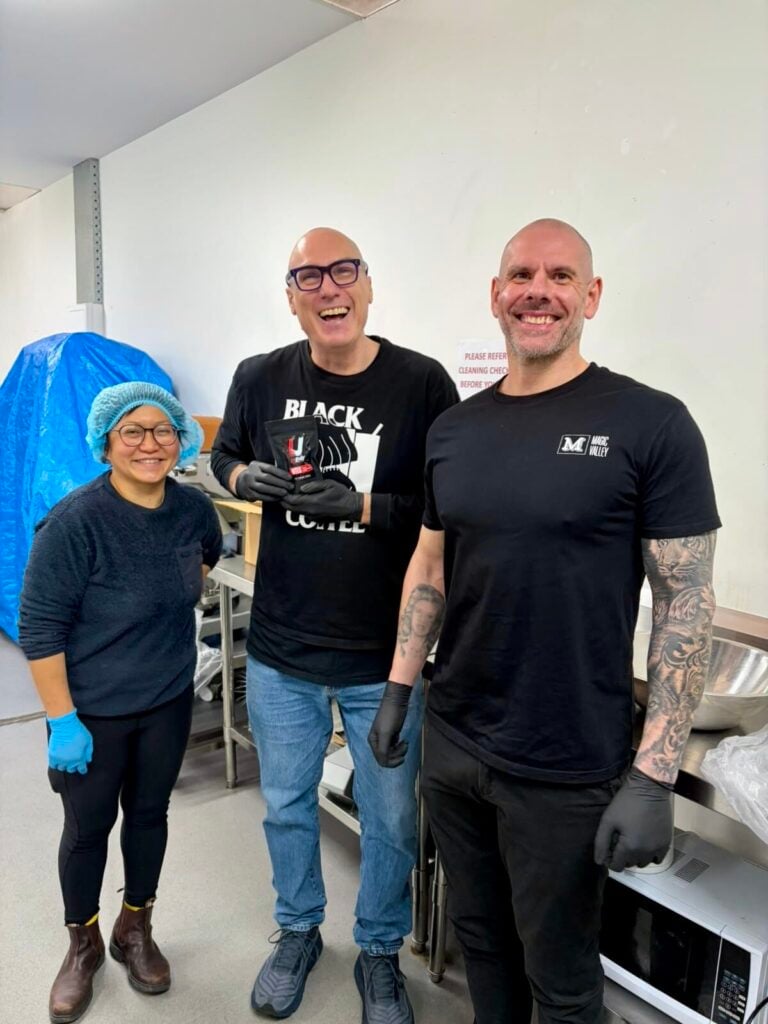
Beyond supermarket shelves, significant developments are reshaping corporate structures, investment pipelines, and public policy frameworks. In Australia, Rogue Pet Food—the cultivated meat pet food offshoot of cellular agriculture pioneer Magic Valley—has officially rebranded to Unruly. The company confirmed that it has successfully manufactured and shipped its inaugural batch of dog food treats, marking a critical milestone in the commercialization of cellular agriculture for the companion animal market. Given that pet food production accounts for a substantial percentage of global meat consumption, cultivating animal protein specifically for pets represents a vital frontier in reducing overall ecological footprints.
In the public sector, institutional procurement policies are proving to be powerful catalysts for systemic food reform. New York City’s Department of Correction has formally requested bids for a variety of blended meat products in its 2027 food procurement list. The requested items include beef mince, burgers, and meatballs, as well as ground turkey blended with vegetables, legumes, mushrooms, or whole plant proteins. This initiative builds upon New York City’s ongoing commitment to slashing municipal food-related carbon emissions, showcasing how government purchasing power can aggressively drive the adoption of sustainable protein options at scale.
International open innovation programs are likewise accelerating the commercial viability of early-stage food tech startups. Chilean food manufacturing giant Carozzi has announced the winners of the 2026 Carozzi Sinergia Startup program, operated in collaboration with food tech accelerator Eatable Adventures. Among the chosen innovators are Danish cocoa-free chocolate alternative pioneer Endless Food Co. and US-based food intelligence firm Proxy Foods AI. These startups will deploy pilot projects directly within Carozzi’s manufacturing facilities, bridging the gap between agile technological innovation and legacy industrial scale.
Financial Momentum and Leadership Realignment
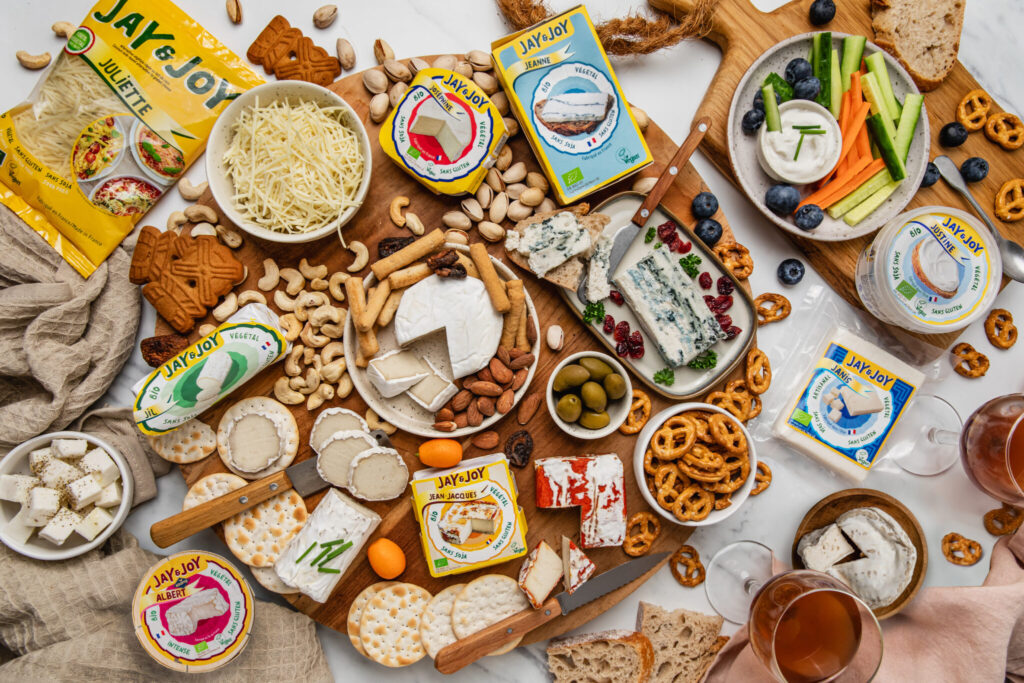
Financial reports from across Europe indicate resilient growth for dedicated plant-based dairy enterprises. French vegan cheesemaker Jay & Joy, currently undertaking a crowdfunding campaign via Crowdcube, reported a remarkable 36% year-on-year revenue growth during the first half of 2026. Similarly, Italian plant-based cheese producer Dreamfarm posted a 50% surge in turnover from its dairy-free portfolio over the first eight months of 2026. These figures demonstrate that despite broader macroeconomic headwinds affecting venture capital funding in the agrifood tech space, consumer demand for high-quality, artisanal plant-based cheeses remains robust.
In leadership news, animal advocacy and welfare landscapes are experiencing high-profile structural realignments. Compassion in World Farming has appointed Leah Garcés, the former CEO of Mercy for Animals and founding US executive director of the organization, as its new global ambassador. Garcés brings decades of advocacy experience to the role, where she is expected to spearhead international campaigns bridging farmed animal welfare reform with systemic transitions toward alternative protein economies.
Implications and Future Outlook
The breadth of developments across this week’s sector updates illustrates a multi-pronged approach to food system transformation. While consumer-facing brands are doubling down on seasonal marketing, bold flavours, and nutritional enhancement—such as high-fibre soups and allergen-friendly creamers—upstream innovators are refining precision fermentation and cellular agriculture. Simultaneously, public sector interventions, such as New York City’s blended meat procurement policies, prove that structural demand is no longer solely reliant on voluntary consumer choices. As legacy food corporations integrate startups through open innovation frameworks, the boundaries between conventional and alternative food systems continue to dissolve, laying the groundwork for a more resilient and sustainable global palate.
