
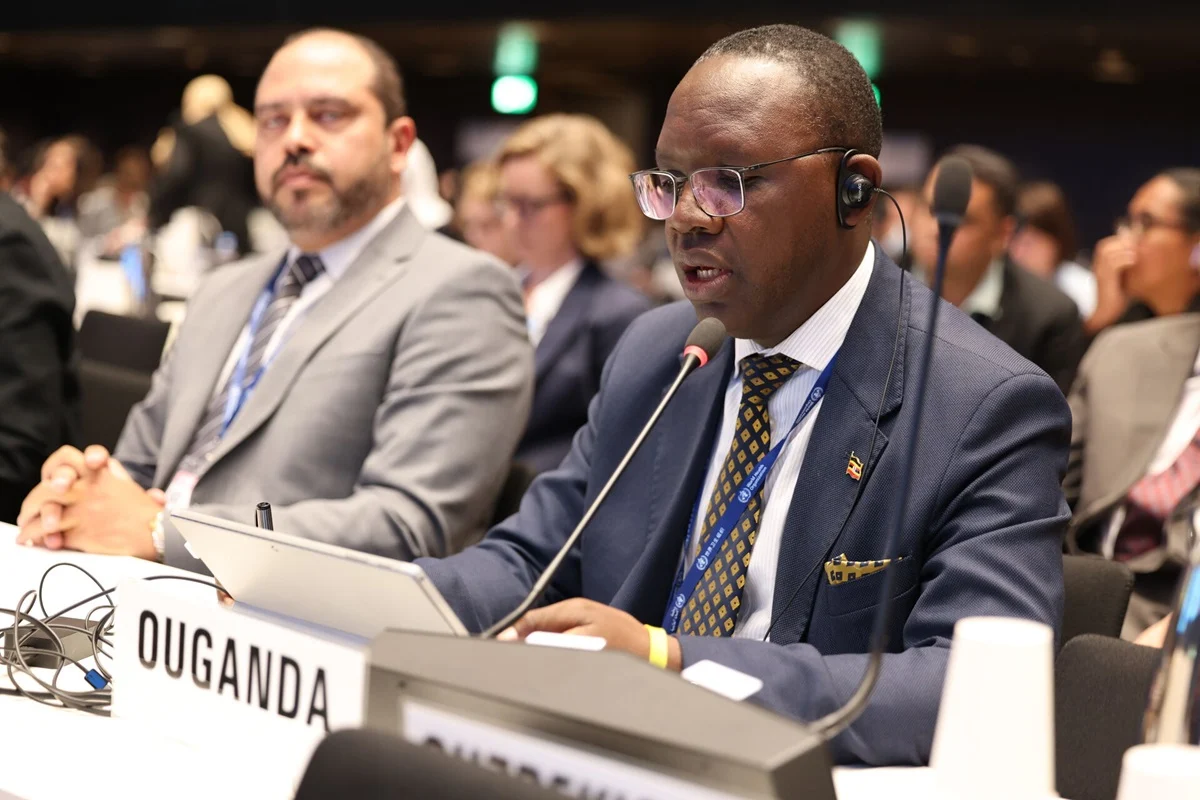
The 79th World Health Assembly convened in Geneva to address the most pressing challenges facing international public health, centered on the foundational theme of Reshaping global health: a shared responsibility. During the opening sessions, Director-General Dr. Tedros Adhanom Ghebreyesus presented a comprehensive report detailing the World Health Organization’s (WHO) activities over the past year, emphasizing that the lessons learned from the COVID-19 pandemic must be codified into a binding international framework to prevent future catastrophic failures. The assembly’s primary focus remains the finalization of the WHO Pandemic Agreement, a landmark treaty intended to rectify the inequities observed during recent global health crises. However, the complexity of balancing national interests with global safety has necessitated an extension of negotiations, particularly concerning the sharing of biological data and the equitable distribution of medical resources.
The Pathogen Access and Benefit Sharing System: A Critical Pivot
A central development of the assembly was the formal decision by Member States to extend negotiations regarding the Pathogen Access and Benefit Sharing (PABS) system. This mechanism, envisioned as a cornerstone of the WHO Pandemic Agreement under Article 12, aims to create a structured and equitable exchange where countries share information on emerging pathogens in exchange for guaranteed access to life-saving vaccines, diagnostics, and therapeutics. The Intergovernmental Working Group (IGWG) has been tasked with continuing the drafting and negotiation of the PABS Annex, prioritizing a framework that ensures the Global South is not left behind during the next outbreak.
The decision to extend the timeline reflects the high stakes involved in these deliberations. Member States have agreed to submit the finalized outcome of the PABS Annex for consideration at either a dedicated special session of the Assembly in 2026 or the Eightieth World Health Assembly in May 2027. This extension is seen by analysts as a pragmatic necessity; the adoption of the PABS Annex is a prerequisite for the opening of the full WHO Pandemic Agreement for signature. Negotiations are set to resume promptly, with the seventh meeting of the IGWG scheduled for July 6–17, 2026.
The tension within these negotiations often centers on the "benefit-sharing" aspect. Developing nations argue that sharing genetic sequence data of local pathogens should legally obligate pharmaceutical-producing nations to provide a percentage of the resulting medical products at affordable prices or as donations. Conversely, nations with large pharmaceutical sectors emphasize the need to protect intellectual property and foster innovation. The extension provides a window to reconcile these divergent views, which Dr. Tedros described as essential for a "new era of global health security."
Committee A: Addressing Health Emergencies and Regional Conflicts
In the sessions held by Committee A, delegates turned their attention to the operational realities of health emergencies. The committee reviewed the implementation of the International Health Regulations (2005), the primary legal instrument for managing the international spread of disease. While the IHR (2005) provided the basis for the COVID-19 response, the consensus among delegates is that the regulations require modernization to account for the speed of modern travel and the nuances of digital data sharing.
The discussion also featured a sobering review of the Independent Oversight and Advisory Committee (IOAC) for the WHO Health Emergencies Programme. The report highlighted that while the WHO’s response capacity has improved, the organization remains chronically underfunded for the scale of emergencies it is expected to manage. This financial instability is compounded by the increasing frequency of "polycrisis" events—where disease outbreaks intersect with climate disasters and armed conflict.
A significant portion of the committee’s time was dedicated to the health impacts of ongoing conflicts in the Middle East. Delegates expressed profound concern regarding the destruction of health infrastructure and the targeted or collateral harm to health workers. A specific draft decision was adopted regarding the health emergency in Lebanon, where the intersection of economic instability and regional volatility has brought the national healthcare system to the brink of collapse. The decision calls for immediate international support to bolster Lebanese health facilities and ensure the continuous supply of essential medicines.
A Decade of the WHO Health Emergencies Programme: Lessons from the Field
On the margins of the assembly, a strategic roundtable marked the tenth anniversary of the WHO Health Emergencies Programme (WHE). Established in 2016 in the wake of the West African Ebola epidemic, the WHE was designed to provide a faster, more operationally focused response to health threats. The roundtable served as a retrospective on a decade that included the SARS-CoV-2 pandemic, multiple Ebola outbreaks, and the global spread of Mpox.
Dr. Chikwe Ihekweazu, Executive Director of WHE, opened the session by noting that the program’s evolution has been a process of "learning through fire." He argued that the WHE has shifted from being a purely technical advisory body to an operational force capable of deploying thousands of experts and tons of supplies to the world’s most remote regions. However, Dr. Mike Ryan, the former Executive Director of WHE, offered a historical perspective, cautioning that global health systems remain dangerously reactive. He noted that while SARS led to the 2005 IHR revisions and Ebola led to the creation of the WHE, the world must stop waiting for a crisis to build the systems necessary for prevention.
The roundtable featured experts who identified AI and epidemic intelligence as the next frontier. Professor Johanna Hanefeld of the Robert Koch Institute stressed that while advanced analytics can predict outbreaks with higher accuracy, these tools are useless without national systems that the public trusts. This sentiment was echoed by Dr. Daniela Garone of Médecins Sans Frontières, who warned that the current "boom and bust" cycle of emergency funding is unsustainable. She argued for flexible, "always-on" financing that allows for preparedness activities during inter-pandemic periods.
National Perspectives and Success Stories in Preparedness
The assembly provided a platform for individual nations to share how they have integrated WHO guidelines into national policy. Dr. Mekdes Daba Feyssa, Ethiopia’s Minister of Health, detailed a transformative decade for her country’s health infrastructure. Driven by the exigencies of COVID-19, Ethiopia expanded its laboratory network and oxygen production capacity, which has since been repurposed to manage endemic diseases and local outbreaks of cholera and measles.
Similarly, Dr. Pierre Somsé, the Minister of Health for the Central African Republic, highlighted the Universal Health and Preparedness Review (UHPR). This mechanism, modeled after the UN’s human rights peer-review process, allows countries to voluntarily undergo a comprehensive audit of their emergency readiness. Somsé noted that in a fragile state, aligning technical preparedness with political will is the only way to ensure that community-level health workers are protected and empowered.
Tobacco Control and Public Health Achievements
While emergency preparedness dominated the headlines, the Secretariat also took time to recognize long-term public health successes. Several Member States and organizations were presented with certificates of achievement for outstanding public health milestones. In particular, the World No Tobacco Day awards highlighted the progress made in implementing the WHO MPOWER measures—a set of six strategies intended to reduce tobacco demand.
Tobacco remains one of the leading causes of preventable death globally, claiming more than 8 million lives annually. The awards recognized countries that have successfully implemented plain packaging, high tobacco taxes, and comprehensive smoking bans in public places. These achievements underscore the theme of "shared responsibility," as tobacco control requires cooperation between health ministries, finance departments, and law enforcement.
Analysis of Implications: The Road to 2027
The outcomes of the 79th World Health Assembly suggest a global health community that is both more experienced and more divided than it was prior to 2020. The decision to delay the PABS Annex is a double-edged sword. On one hand, it prevents a rushed agreement that might fail to gain universal adoption; on the other, it leaves the world in a state of legal limbo should a new pandemic emerge in the next 24 months.
The emphasis on "epidemic intelligence" and AI signifies a shift toward a more high-tech surveillance state in public health. However, as noted by several delegates, the digital divide remains a significant barrier. If the PABS system is to work, it must ensure that a laboratory in a low-income country has the same ability to sequence and upload viral data as a facility in Geneva or Washington.
Furthermore, the focus on health in conflict zones like Lebanon indicates that the WHO is increasingly being asked to operate as a humanitarian actor in addition to its role as a technical agency. This "humanitarianization" of the WHO requires a different set of skills and a much more robust protection framework for staff on the ground.
As the assembly concludes, the message to the international community is clear: the architecture of global health is being rebuilt, but the foundation of "shared responsibility" is still under negotiation. The success of the next two years of deliberations will determine whether the world enters the next decade with a proactive shield or remains trapped in a cycle of reactive panic. The resumption of negotiations in July 2026 will be the first major test of whether the momentum generated in Geneva can be translated into a legally binding reality.
