
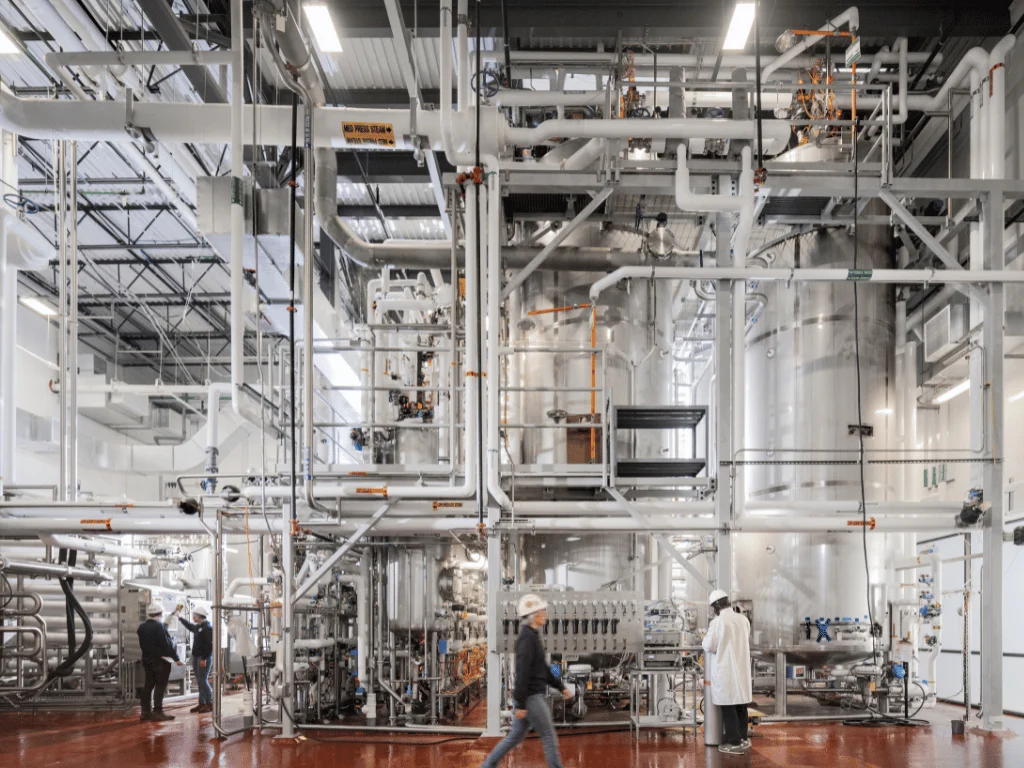
The global alternative protein and biotechnology sectors have witnessed one of the most striking asset liquidations in recent history. US-based plant cell culture innovator Ayana Bio and Indian specialty chemicals manufacturer Zenfold Sustainable Technologies have successfully acquired the high-capacity fermentation infrastructure of Meati Foods for a mere $75,000. This multi-thousand-percent discount on assets originally valued between $15 million and $20 million marks the final, sobering chapter for a company that was once hailed as the crown jewel of the mycelium meat industry.
The transaction, initially brought to light by AgFunderNews, includes 300,000 liters of pilot and production capacity alongside critical fermentation seed trains. Rather than remaining in the United States, these sophisticated industrial assets are slated for maritime shipment to Zenfold’s advanced facilities in India. There, they will serve as the physical backbone for scaling Ayana Bio’s commercial plant cell bioactives, signaling a pragmatic shift in how distressed biotech infrastructure can find new life across international borders.
The Anatomy of a Bargain: Dissecting the Transaction
For an industry startup operating in a capital-constrained macroeconomic environment, acquiring top-tier stainless-steel bioreactors and fermentation hardware at pennies on the dollar represents an unprecedented competitive advantage. Frank Jaksch, Chief Executive Officer of Ayana Bio, did not mince words when discussing the acquisition, describing it as a total game-changer for the company’s internal development roadmap.
According to industry estimates, Meati Foods invested heavily during its operational peak to construct a state-of-the-art infrastructure network at its 100,000-square-foot facility in Thornton, Colorado. However, following Meati’s sudden collapse and the subsequent seizure of its physical property by the city of Thornton over unpaid tax liabilities and interest totaling nearly $6.7 million, the remaining specialized fermentation hardware failed to clear during initial spring auctions.
Faced with a tax lien holder eager to recoup municipal losses, Ayana Bio and Zenfold stepped in with a tactical bid. Jaksch noted that keeping the massive equipment footprint within the United States would have introduced prohibitive logistical, operational, and real estate hurdles, undermining the young venture’s strict fiscal discipline. By relocating the hardware to India, Ayana Bio can leverage Zenfold’s existing operational footprint to bypass the exorbitant capital expenditures typically required to build out pilot and early-stage manufacturing capabilities from scratch.
Rise, Stumble, and Fall: The Chronology of Meati Foods
To understand how multi-million-dollar assets ended up auctioning for the price of a luxury sedan, one must examine the meteoric rise and catastrophic descent of Meati Foods. Founded with a vision to revolutionize the alternative meat market using whole-cut mycelium products mimicking chicken and steak, Meati captured the imagination of venture capitalists and mainstream consumers alike.
The timeline of the company’s trajectory highlights the volatile nature of venture-backed food technology:
- The Capital Accumulation (2022–2024): Meati established itself as a fundraising powerhouse, ultimately accumulating roughly $450 million in total capital. Highlights included a blockbuster $150 million Series C round in 2022 that valued the enterprise at $650 million, followed by a $100 million Series C1 round in 2024—the largest individual funding event within the global alternative protein sector that year.
- Commercial Expansion: Capitalizing on its cash reserves, Meati doubled its revenue year-over-year and aggressively expanded its retail footprint by 130%, landing products on the shelves of more than 7,000 grocery stores across the United States.
- The Financial Precipice (Early 2025): Despite healthy retail distribution, the company encountered severe financial headwinds. Amidst an internal fundraising campaign designed to extend its operational runway into 2026, a primary lender exercised a technical default clause. Even though Meati was fully current on its debt service obligations, minor breaches concerning specific revenue and gross profit metrics prompted the lender to sweep away two-thirds of the startup’s liquid cash reserves.
- Insolvency and Restructuring (May 2025): Starved of operational liquidity, management was forced to terminate all 150 employees. The company entered an assignment for the benefit of creditors (ABC) process—a formalized alternative to traditional bankruptcy—resulting in a quick sale to InvenTel founder Yasir Abdul for just $4 million.
- Final Liquidation (Late 2025–Early 2026): Despite initial pledges to revive the brand, the new ownership group was unable to stabilize operations. Continued operational turbulence culminated in the shuttering of the Thornton manufacturing plant. In December, local authorities seized the real estate over tax defaults, setting the stage for the piecemeal auctions of 2026.
Decoding Plant Cell Culture Technology
While Meati specialized in macro-mycelium biomass cultivated for direct consumption as meat alternatives, Ayana Bio operates in a fundamentally different scientific and commercial domain. Emerging as a corporate spin-off from synthetic biology pioneer Ginkgo Bioworks, Ayana Bio utilizes plant cell culture technology to manufacture high-value natural ingredients without cultivating whole plants in traditional agricultural fields.
Instead of clearing arable land, managing irrigation schedules, and facing the vulnerabilities of climate change, pest infestations, and seasonal crop yields, Ayana Bio extracts tissue samples from specific plant structures—including roots, leaves, and flowers—and establishes immortalized plant cell lines. These cells are cultivated inside controlled bioreactor environments using specialized liquid nutrient media containing essential micronutrients and growth hormones.
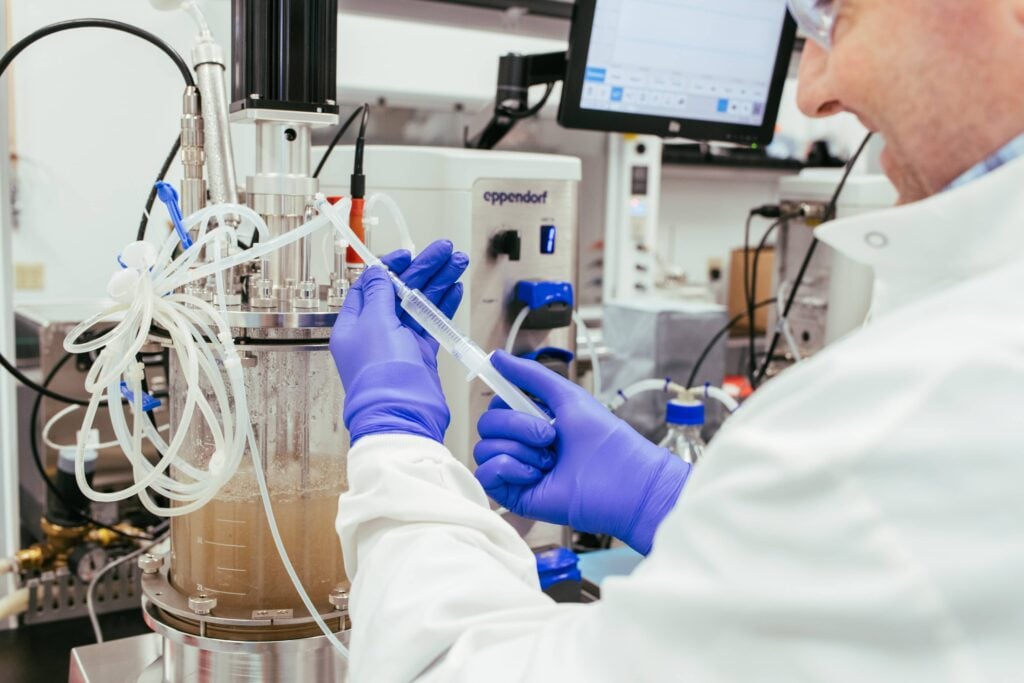
The technological workflow involves several precise stages:
- Tissue Sampling and Line Selection: Scientists isolate desirable plant tissues to screen for specific genetic traits and secondary metabolite profiles.
- Callus Induction: Tissue samples are encouraged to form undifferentiated cell masses (calli), which are subsequently adapted to liquid suspension cultures.
- Omics-Driven Optimization: High-throughput analytical technologies, including multi-omics screening, are deployed to identify the most biologically active and productive cell lines.
- Bioreactor Cultivation: Selected lines are transferred to bioreactors where environmental parameters—such as oxygenation, pH, temperature, and nutrient feed rates—are tightly regulated to maximize biomass accumulation and bioactive yield.
- Downstream Processing: Cells are harvested, and target compounds (such as antioxidants, flavors, fragrances, or active pharmaceutical ingredients) are extracted and isolated according to precise client specifications.
By relying on contract development and manufacturing organizations (CDMOs) like Zenfold rather than constructing capital-intensive, standalone factories, Ayana Bio maintains a lean operational structure. This business model insulates the firm from the heavy depreciation and fixed-cost burdens that ultimately crushed capital-heavy pioneers like Meati Foods.
Strategic Implications and Global Industry Trends
The acquisition of Meati’s fermentation assets by Ayana Bio and Zenfold reflects several broader structural shifts occurring within the global biotechnology and alternative protein landscapes.
First, it highlights a definitive market correction. The era of unchecked, high-valuation capital deployment, where startups could spend tens of millions of dollars on custom hardware without rigorous long-term cost modeling, has largely drawn to a close. Venture capital and institutional investors are increasingly demanding capital efficiency, clear paths to profitability, and asset-light business strategies.
Second, the transaction underscores the growing geographic decentralization of biomanufacturing capabilities. Historically, the infrastructure for scaling synthetic biology and cellular agriculture remained concentrated in North America and Western Europe. However, high utility costs, steep real estate prices, and regulatory bottlenecks in Western markets are driving companies to seek manufacturing partnerships in established chemical and biotech hubs abroad, such as India. Zenfold’s technical capabilities, combined with newly acquired, heavy-duty pilot equipment, create a cross-border synergy that significantly accelerates time-to-market for plant-derived bioactives.
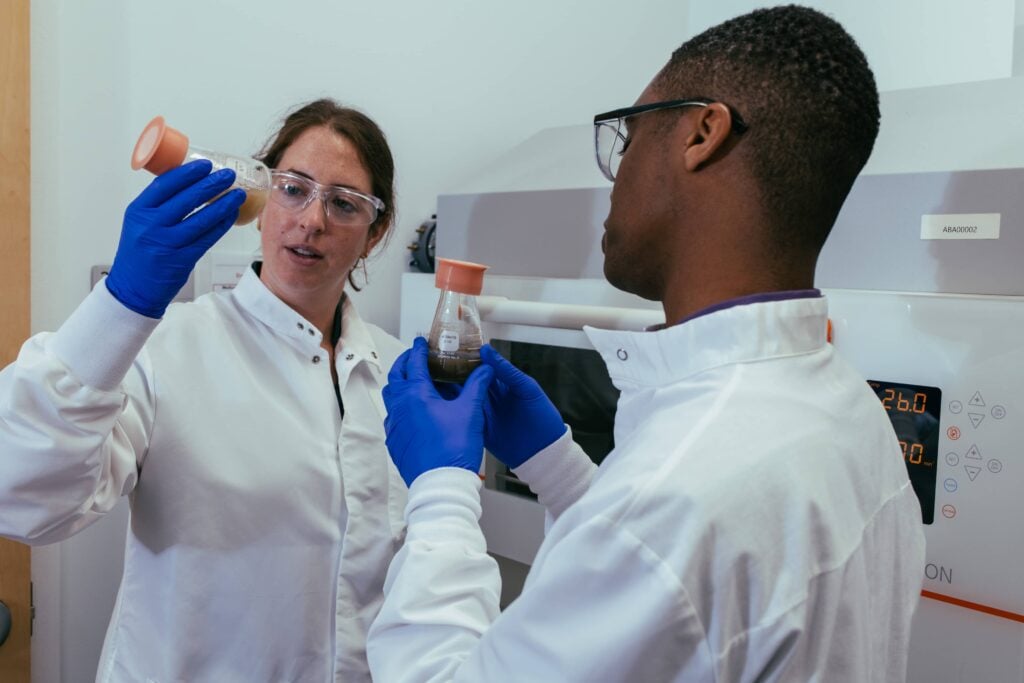
Finally, the deal coincides with Ayana Bio’s ongoing maturation. Operating concurrently with this asset acquisition, the startup is executing a broader growth strategy. This includes active fundraising rounds to support commercial scale-up and the implementation of illuminated fermentation technologies developed in partnership with Brevel—a venture recently bolstered by a $1.25 million grant from the Binational Industrial Research and Development (BIRD) Foundation.
As the biotech sector absorbs the remnants of its past excesses, the alliance between Ayana Bio and Zenfold demonstrates how strategic opportunism can convert industry misfortune into sustainable industrial progress. By rescuing high-grade industrial assets from municipal liquidation and repositioning them in more cost-effective manufacturing ecosystems, these companies are charting a resilient, pragmatic course for the future of cellular and plant-based biomanufacturing.
