
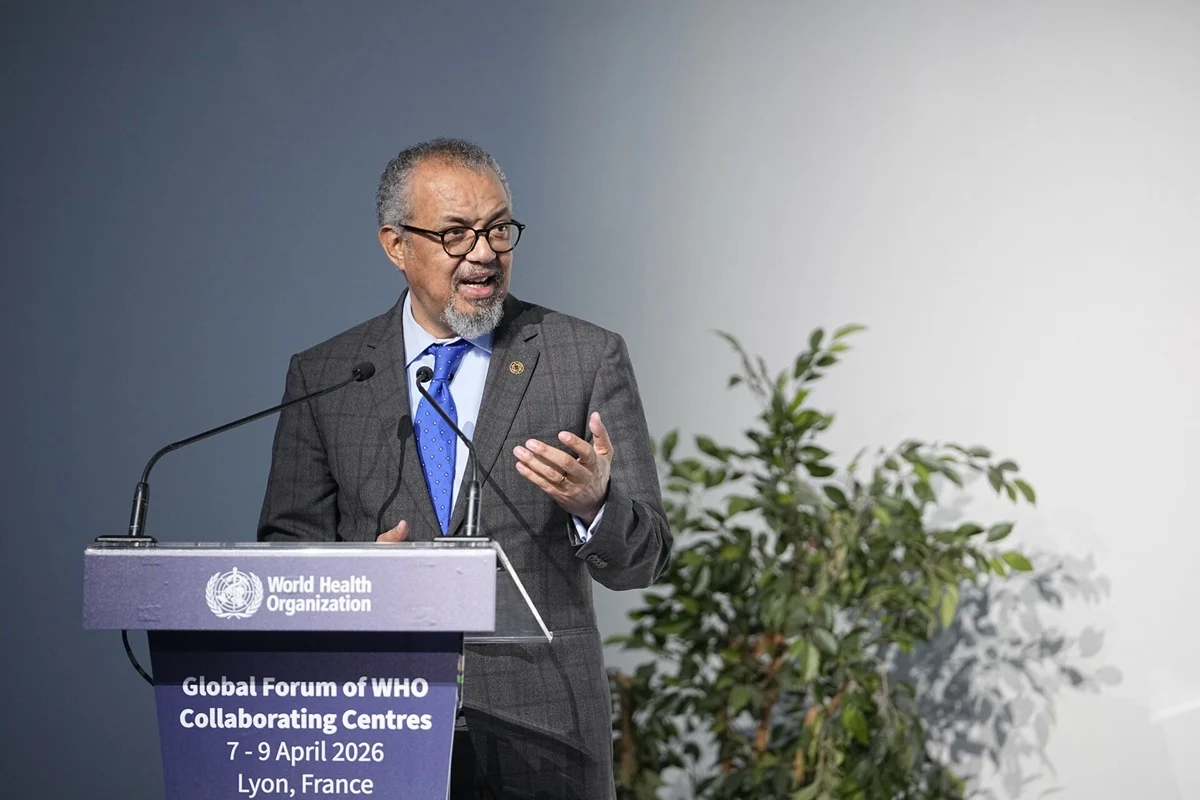
The World Health Organization (WHO) has officially inaugurated the first Global Forum of Collaborating Centres, marking a significant milestone in the history of international public health. This landmark assembly brought together representatives from more than 800 institutions across more than 80 countries, representing one of the most expansive and diverse scientific networks in existence. The forum, held amidst a period of increasing geopolitical fragmentation and evolving biological threats, serves as a strategic platform to synchronize the world’s leading scientific minds. As the meeting concluded today, participants emerged with a unified commitment to transform the network from a collection of individual research projects into a dynamic, integrated engine for global health security.
A Legacy of Decentralized Expertise: The Evolution of the Network
The Collaborating Centres (CCs) are not mere adjuncts to the WHO; they are the foundational pillars of its scientific authority. The concept of the network dates back to the very origins of the World Health Organization. In 1949, during the Second World Health Assembly, a pivotal policy decision was made that would define the organization’s operational model for decades to come. Rather than establishing its own internal laboratories and research institutes—a move that would have been prohibitively expensive and potentially redundant—the WHO resolved to coordinate, support, and leverage existing centers of excellence around the globe.
For 77 years, this decentralized model has allowed the WHO to tap into the most advanced technical expertise available without the overhead of maintaining global infrastructure. Today, the network encompasses a vast array of disciplines, including infectious disease surveillance, mental health, occupational safety, nutrition, and chronic disease management. These institutions, which include prestigious academic universities, national health agencies, and specialized research facilities, provide the evidence base upon which WHO’s global norms and standards are built.
Strategic Objectives of the First Global Forum
The primary objective of this first-ever Global Forum was to address the challenges of a "fragmented world." Scientists at the forum noted that while technology has made the world more connected, political and economic shifts have created silos that can hinder the rapid sharing of life-saving data. The forum sought to break down these silos, moving the CCs toward a more agile and collaborative framework.
Key themes discussed during the multi-day event included:
- Integration over Isolation: Moving away from "siloed" scientific projects toward cross-disciplinary partnerships.
- Innovation and Scalability: Identifying how local innovations in diagnostics and treatment can be scaled globally.
- Scientific Readiness: Ensuring that the global community is prepared for "Disease X"—a placeholder term for a currently unknown pathogen that could trigger a future pandemic.
The forum also served as a focal point for the World Health Day 2026 campaign. Operating under the theme "Together for health. Stand with science," the campaign emphasizes the necessity of shielding scientific inquiry from political interference and ensuring that evidence remains the primary driver of public health policy.
The CORC Initiative: Preparing for Disease X
A central highlight of the forum was the formal expansion of the Collaborative Open Research Consortia (CORC). This initiative represents a strategic shift in how the WHO approaches pandemic preparedness. By creating a "network of networks," the CORC aims to link thousands of scientists across various CCs to accelerate the research and development pipeline.
The mission of the CORC is specifically tailored to the threat of Disease X. By establishing pre-negotiated protocols for data sharing and collaborative research, the consortia intend to reduce the time required to develop vaccines, diagnostics, and therapeutics when a new threat emerges. This "scientific readiness" is viewed as a critical deterrent against the devastating social and economic impacts seen during previous global health crises. The CORC initiative emphasizes "open research," encouraging institutions to share preliminary findings in real-time to prevent duplication of effort and foster rapid innovation.
Leadership Perspectives on International Cooperation
Dr. Tedros Adhanom Ghebreyesus, the WHO Director-General, addressed the forum, describing the network as an "immensely valuable but under-utilized resource." He emphasized that the strength of the WHO lies in its ability to act as a bridge between high-level policy and ground-level scientific evidence.
"The collaborating centres are a powerful demonstration of international cooperation," Dr. Tedros stated. "In an era where multilateralism is often tested, this network proves what it means to stand with science. These institutions translate evidence into action, helping us to strengthen health systems and protect the most vulnerable populations."
Dr. Sylvie Briand, WHO Chief Scientist, echoed these sentiments, highlighting the indispensable nature of the network in the face of modern challenges. "Science is at the heart of everything we do to protect and improve health," Dr. Briand noted. "The global network represents an extraordinary concentration of expertise. At a time of growing global health challenges, this spirit of trusted scientific collaboration is not only valuable—it is essential to shaping a healthier future for all."
Data and Global Reach: The Scale of the Network
The sheer scale of the WHO CC network provides a unique vantage point for global health surveillance. With over 800 designated centers, the network provides the WHO with "eyes and ears" in every region of the world.
- Geographic Diversity: The centers are spread across more than 80 countries, ensuring that scientific research is not concentrated solely in the Global North but includes vital perspectives from middle- and low-income nations.
- Technical Breadth: The CCs cover over 50 different areas of work, ranging from the classification of diseases to the regulation of traditional medicine.
- Capacity Building: In the last decade alone, CCs have trained tens of thousands of health professionals, significantly boosting the local capacity of member states to manage their own public health priorities.
However, the forum also addressed the sobering reality of global health financing. Many participants expressed concern over the reduction in international funding for public health research. Analysis presented at the forum suggested that without sustained collective investment, the gap between emerging threats and our ability to respond will widen. The forum participants emphasized that coordinated global responses are not just a matter of altruism but are a critical necessity to prevent local health crises from escalating into global emergencies.
Alignment with One Health and Future Milestones
The Global Forum was strategically timed to align with the international One Health Summit. The "One Health" approach recognizes that the health of humans is inextricably linked to the health of animals and the environment. By integrating the work of the CCs with environmental and veterinary scientists, the WHO aims to create a more holistic defense against zoonotic diseases—those that jump from animals to humans, which account for the majority of emerging infectious diseases.
This integration is a core component of the "Together for health. Stand with science" movement. The movement seeks to build public trust in scientific institutions at a time when misinformation can spread as quickly as a virus. By showcasing the transparent, collaborative, and evidence-based work of the CCs, the WHO hopes to reinforce the credibility of global health initiatives.
Analysis of Implications: A New Era for Global Health Diplomacy
The convening of this forum signals a shift in global health diplomacy. By elevating the role of the Collaborating Centres, the WHO is effectively mobilizing a "scientific army" that operates beyond the constraints of traditional diplomacy. While government-to-government relations may fluctuate based on political climates, the peer-to-peer scientific relationships fostered within the CC network tend to be more resilient and enduring.
The focus on "Disease X" and the CORC initiative also suggests that the WHO is moving toward a "proactive" rather than "reactive" stance. The goal is to have the scientific infrastructure—the labs, the data pipelines, and the regulatory frameworks—already in place before the next pandemic strikes. This shift requires not only scientific excellence but also significant logistical coordination and sustained financial backing.
The forum concluded with the announcement that the next Global Forum of Collaborating Centres will be held in 2027. This biennial schedule is intended to ensure that the momentum generated during this historic meeting is maintained. Between now and 2027, the focus will remain on operationalizing the integrated partnerships discussed and expanding the CORC network to include even more institutions from underrepresented regions.
As the world continues to navigate the complexities of the 21st century, the WHO’s network of Collaborating Centres remains a testament to the power of collective knowledge. By standing with science and fostering international cooperation, the forum has laid the groundwork for a more resilient and unified global health architecture, prepared to face both known and unknown challenges in the years to come.
