
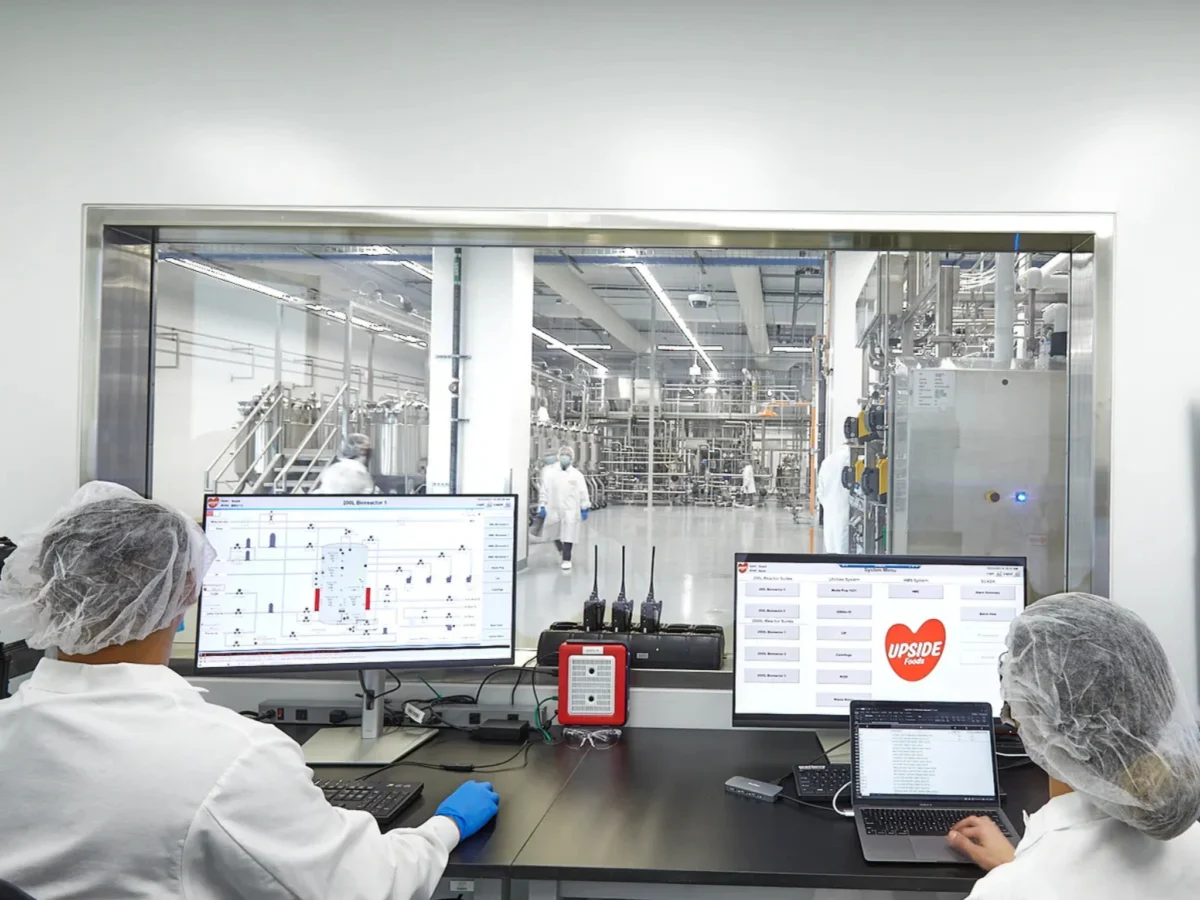
In a strategic move designed to bridge the gap between scientific innovation and commercial viability, the Washington, D.C.-based Association for Meat, Poultry and Seafood Innovation (AMPS) has announced a landmark partnership with the UK-based Cultigen Group. This cross-Atlantic collaboration brings together a premier trade association representing major cultivated protein producers and a specialized commercial infrastructure developer. The primary objective of the alliance is to streamline research and development (R&D), optimize supply chain procurement, and accelerate the global commercialization timeline for cell-cultivated meat, poultry, and seafood products.
As the alternative protein sector navigates complex regulatory frameworks, high capital expenditure requirements, and technical hurdles, stakeholders increasingly recognize the necessity of robust B2B infrastructure. By aligning AMPS’s member companies—which include industry pioneers such as Upside Foods, Eat Just, and BlueNalu—with Cultigen Group’s suite of digital marketplaces and intelligence platforms, the partnership aims to establish a unified ecosystem that addresses longstanding bottlenecks in the cellular agriculture industry.
Chronology of Cultigen Group’s Platform Rollout
The genesis of this partnership follows a series of strategic infrastructure launches by Cultigen Group, spearheaded by founder David Bell. Recognizing that the cultivated meat sector lacked the mature B2B supply chains and digital marketplaces common in legacy industries, the UK-based firm systematically rolled out specialized platforms designed to support companies at various stages of maturity.
In mid-2025, Cultigen Group took an anticipatory step by unveiling the Cultivated Meat Shop, a consumer-facing e-commerce storefront dedicated to cell-cultured proteins. Although global regulatory approvals remain restricted to a handful of jurisdictions—such as Singapore, the United States, and Israel—and consumer-facing retail scale is nascent, the platform was designed to lay the groundwork for future public-facing distribution channels as regulatory frameworks evolve.
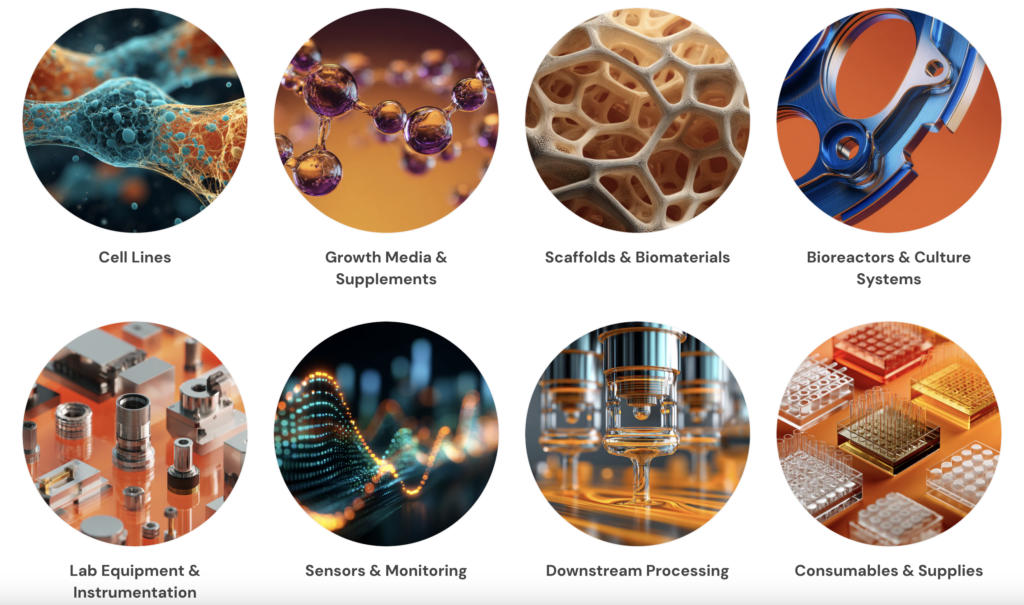
Following the consumer-facing initiative, Cultigen pivoted heavily toward enterprise infrastructure. The company launched Cellbase, an online B2B marketplace explicitly engineered to connect suppliers of foundational production inputs with cultivated meat startups and academic researchers. Cellbase streamlined the procurement of bioreactors, growth media, scaffolding materials, proprietary cell lines, advanced sensors, and specialized processing equipment. The marketplace attracted a prominent initial cohort of partner companies, including Multus, Sallea, Quest Meat, and Cellcraft.
To complement its procurement marketplace, Cultigen subsequently introduced Cellag Bio. This artificial intelligence-driven platform was designed to tackle the industry’s information fragmentation. By parsing scattered scientific literature, passing data through rigorous editorial review, and publishing actionable "decision-ready" experimental records, Cellag Bio aims to prevent companies from duplicating known experimental pitfalls, thereby conserving critical venture capital and accelerating research timelines.
Infrastructure, Data Intelligence, and Procurement Integration
The operational mechanics of the AMPS and Cultigen Group partnership hinge on integrating digital infrastructure directly with the needs of primary producers. Cultivated meat manufacturing requires complex supply chains that differ fundamentally from traditional livestock agriculture. Inputs must be tightly controlled, highly scalable, and cost-effective to achieve price parity with conventional animal proteins.
Cellbase addresses these procurement challenges through advanced digital architecture. The platform features deep taxonomies across multiple product categories, sophisticated filtering, search capabilities, and product comparisons via structured metadata parsing. Furthermore, it incorporates full e-commerce functionalities—including online ordering, cart and checkout systems, automated payouts, and comprehensive account dashboards for order management.
Simultaneously, the integration of Cellag Bio introduces a data-driven approach to biological R&D. In cellular agriculture, research data is frequently siloed within academic institutions, proprietary corporate labs, or obscured by negative results—experiments that failed to yield the desired outcome but hold valuable scientific insight. Cellag Bio captures these orphaned findings and null results, making them accessible across the shared ecosystem.
According to industry analysts, this centralized approach to knowledge translation is vital. Traditional biotechnology and pharmaceutical sectors rely heavily on established vendor networks and exhaustive scientific databases to reduce time-to-market. By introducing similar mechanisms to cellular agriculture, the AMPS-Cultigen collaboration provides startups with the tools needed to transition efficiently from bench-scale laboratories to pilot and commercial-scale manufacturing facilities.
Official Responses and Industry Perspectives
Leadership from both organizations emphasized the collaborative nature of the agreement, framing it as a necessary maturation phase for the cellular agriculture sector.
David Bell, founder of Cultigen Group, highlighted the unique alignment between his company’s operational focus and the practical needs of AMPS members. In statements regarding the partnership, Bell noted that AMPS represents the entities actively manufacturing and commercializing cultivated proteins, making them ideal collaborators for shaping enterprise infrastructure. Rather than relying on assumptions, building platforms informed directly by active producers ensures that the resulting digital tools effectively serve the industry’s logistical requirements.
Bell further elaborated on the strategic positioning of the platforms, describing Cellbase as the procurement backbone and Cellag Bio as the R&D intelligence engine, both operating in direct coordination with the trade organization that convenes producers, scientists, and regulatory bodies.
Suzannah Gerber, executive director of AMPS, echoed these sentiments, emphasizing that Cultigen Group’s suite of supportive platforms provides the exact infrastructure required to elevate the industry globally. Gerber pointed out that the collaboration enables scientists, researchers, and technology providers to monetize inputs, cell lines, and cleared products while sharing critical insights across unified platforms. This open exchange of knowledge and resources is expected to foster new revenue and communication channels, fundamentally transforming how cultivated meat products integrate into the global food market.

Broader Market Implications and Future Outlook
The timing of this cross-Atlantic alliance coincides with a pivotal juncture for the global cellular agriculture industry. While early-stage enthusiasm fueled massive venture capital investment between 2019 and 2022, subsequent macroeconomic pressures, high interest rates, and stringent regulatory oversight have forced companies to prioritize operational efficiency, cost reduction, and scalable unit economics.
The partnership between AMPS and Cultigen Group reflects a broader industry shift away from isolated technological development toward collaborative ecosystem-building. By standardizing procurement through platforms like Cellbase and mitigating R&D inefficiencies through AI-driven intelligence tools like Cellag Bio, the sector aims to overcome the capital-intensive barriers that have historically slowed commercial deployment.
Moreover, the cross-Atlantic nature of the collaboration underscores the globalized framework of cellular agriculture. With research, regulatory engagement, and manufacturing distributed across North America, Europe, Asia, and beyond, digital infrastructure that transcends geographic boundaries is increasingly essential.
As the partnership rolls out its integrated suite of tools in the coming months, industry observers will closely monitor its impact on production costs, supply chain resilience, and the speed at which emerging cultivated meat and seafood companies can successfully navigate the path from laboratory innovation to commercial scale.
