
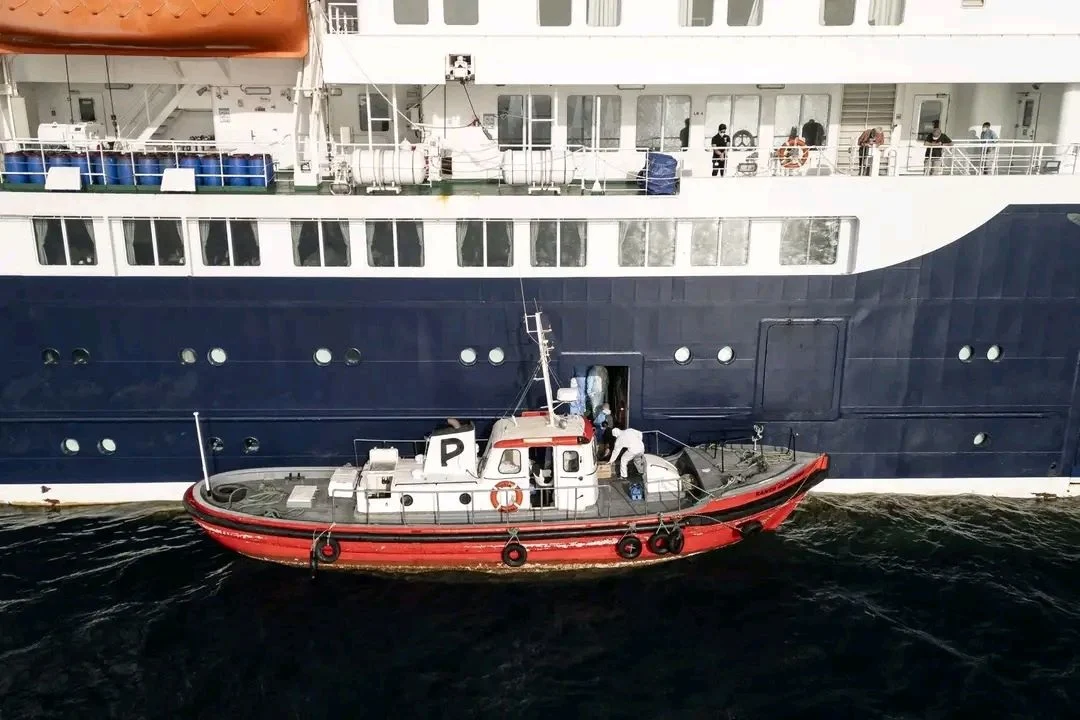
The Director-General of the World Health Organization (WHO), Dr. Tedros Adhanom Ghebreyesus, has issued a direct and personal appeal to the residents of Tenerife as the island prepares to receive the MV Hondius, a vessel currently grappling with an outbreak of the Andes strain of hantavirus. In a rare move for the head of a United Nations agency, Dr. Tedros bypassed traditional technical briefings to speak directly to the local community, seeking to provide transparency, alleviate public anxiety, and explain the international legal frameworks governing the humanitarian response. The letter arrives at a critical juncture for the Canary Islands, as the memories of the 2020 COVID-19 pandemic continue to influence public perception of maritime health crises.
The MV Hondius, an expedition ship operated by Oceanwide Expeditions, has been at sea for several weeks following a suspected outbreak that has already claimed the lives of three individuals. While the situation remains sensitive, the WHO has categorized the current risk to the general public in Tenerife as low. Dr. Tedros confirmed that he would personally travel to Tenerife to oversee the health operations, a gesture intended to signify the WHO’s commitment to the safety of both the local population and the passengers on board.
The MV Hondius Outbreak: A Chronology of Events
The crisis began several weeks ago during the vessel’s transit through South American waters, where the Andes strain of hantavirus is endemic. The first reports of respiratory distress among passengers surfaced shortly after the ship departed from its last port of call in the southern cone of the continent. Despite the immediate implementation of isolation protocols by the ship’s medical team and Captain Jan Dobrogowski, the condition of several passengers deteriorated rapidly.
By the time the vessel reached the Atlantic, three fatalities had been recorded. Following these deaths, the WHO was notified, and an expert in infectious diseases was dispatched to join the ship via a specialized maritime rendezvous. Since the intervention of the WHO and the implementation of enhanced containment measures, no new symptomatic cases have been reported among the remaining 150 passengers and crew members.
The decision to redirect the ship to Tenerife was the result of high-level diplomatic coordination between the WHO, the Spanish government under Prime Minister Pedro Sánchez, and regional authorities in the Canary Islands. Under the International Health Regulations (IHR), Tenerife was identified as the most viable location due to its advanced medical infrastructure and its proximity to the vessel’s current trajectory.
Understanding the Andes Hantavirus Strain
To address the fears of the local population, the WHO has provided detailed epidemiological data regarding the Andes virus (ANDV). Unlike many other strains of hantavirus found in North America or Europe, which are typically transmitted through contact with infected rodents or their excreta, the Andes strain—primarily found in Argentina and Chile—is unique because it has demonstrated the capacity for limited human-to-human transmission.
According to data from the Pan American Health Organization (PAHO), the Andes virus can cause Hantavirus Pulmonary Syndrome (HPS), a severe respiratory disease with a case fatality rate that can reach between 35% and 40%. However, the WHO emphasizes that transmission requires close, prolonged contact with an infected individual during the symptomatic phase. The risk of environmental transmission in a city or through casual contact is statistically negligible, particularly when rigorous isolation protocols are in place.
The WHO’s assessment that the risk to Tenerife remains "low" is based on the fact that the virus does not spread through the air over long distances like SARS-CoV-2. Furthermore, the containment on the MV Hondius has been described as "exemplary," with all passengers currently asymptomatic and the incubation period for the last known contact nearing its conclusion.
Logistical Framework: The Granadilla Protocol
The repatriation of the 150 passengers, who represent 23 different nationalities, will be executed through a highly controlled "sterile corridor" strategy. Rather than docking at the Port of Santa Cruz, which is situated in the heart of the island’s capital and near residential hubs, the Spanish authorities have designated the industrial port of Granadilla for the operation.
The Granadilla port offers a secluded environment where a secure perimeter can be maintained with minimal disruption to civilian life. The logistics of the operation include the following steps:
- Direct Ferrying: Passengers will be transported from the MV Hondius to a dedicated pier in the industrial zone.
- Sealed Transit: Repatriates will be moved in sealed, guarded vehicles directly from the dockside to the airport.
- Cordoned Corridors: A strict "no-contact" zone will be enforced by Spanish security forces and health officials, ensuring that no passenger enters a public space or interacts with the local community.
- Immediate Repatriation: Chartered flights will be waiting at the airport to return passengers to their home countries, where they will continue to be monitored by their respective national health agencies.
Dr. Tedros noted that these measures are designed to ensure that "your families will not encounter them," emphasizing that the operation is a transit maneuver rather than a quarantine within the local community.
Legal and Ethical Obligations under International Health Regulations
A significant portion of Dr. Tedros’s message focused on the "moral duty" and legal obligations that guided the decision to permit the ship to dock. The International Health Regulations (2005) serve as a legally binding framework for 196 countries, including Spain. These regulations were designed to prevent, protect against, and control the international spread of disease while avoiding unnecessary interference with international traffic and trade.
Under Article 28 of the IHR, ships shall not be prevented from calling at any port for health reasons, and they must be allowed to discharge passengers and cargo if the port has the capacity to manage the situation safely. Dr. Tedros clarified that the request to Spain was not arbitrary; Tenerife met the stringent standards for medical capacity and infrastructure required to handle a potential infectious disease event.
"Spain honored the standard," Dr. Tedros stated, praising Prime Minister Sánchez for his leadership. The WHO Director-General argued that the "best immunity" against global health threats is solidarity, suggesting that the refusal of a vessel in distress would not only violate international law but also undermine the global safety net that protects all nations.
Public Reaction and Socio-Economic Implications
The arrival of the MV Hondius has sparked a complex debate within the Canary Islands. Local officials and business leaders have expressed concerns regarding the potential impact on the tourism sector, which is the backbone of the Tenerife economy. The memory of the "Diamond Princess" and other cruise ship isolations during the early days of the COVID-19 pandemic remains a point of sensitivity for a region that relies on its image as a safe, healthy destination.
However, health experts suggest that the successful and transparent management of the MV Hondius could actually bolster the island’s reputation. By demonstrating that Tenerife can handle a complex international health event with precision and humanitarian grace, the island reinforces its status as a sophisticated and reliable European hub.
The personal visit of Dr. Tedros is viewed by many as a strategic move to validate the safety of the island. His presence on the ground is intended to reassure international markets and travelers that the situation is under total control and that the local population is not at risk.
Broader Impact on Global Health Policy
The MV Hondius incident serves as a case study for future maritime health challenges. In the post-2020 era, the WHO has been working to refine the protocols for "vessels in distress" to prevent ships from being turned away by port after port—a phenomenon known as "ping-pong diplomacy" that can lead to a worsening of health conditions on board.
The collaboration between the WHO, the Spanish maritime authorities, and the private shipping company, Oceanwide Expeditions, is being hailed as a model for future responses. Captain Jan Dobrogowski and his crew have been commended for their transparency and for following WHO guidelines to the letter, which prevented a wider outbreak on the vessel.
As the MV Hondius nears the shores of Granadilla, the eyes of the global health community are on Tenerife. The operation represents a test of the IHR framework and a demonstration of how high-income nations can assist in the management of rare infectious diseases through logistical expertise rather than isolationism.
Conclusion: A Message of Solidarity
Dr. Tedros concluded his address by urging the people of Tenerife to trust in the preparations and to take pride in their role as a "port of safety." He reiterated that viruses do not respect borders and that the only effective defense is a coordinated, compassionate response.
The WHO Director-General’s upcoming visit will include meetings with local health workers and port staff to personally thank them for their service. For Tenerife, the next few days will be a period of intense scrutiny, but also an opportunity to demonstrate the "humanity and grace" that Dr. Tedros believes defines the island. The operation at Granadilla is expected to commence within the next 48 hours, marking the final chapter in a difficult journey for the passengers of the MV Hondius and a significant moment for international public health diplomacy.
