
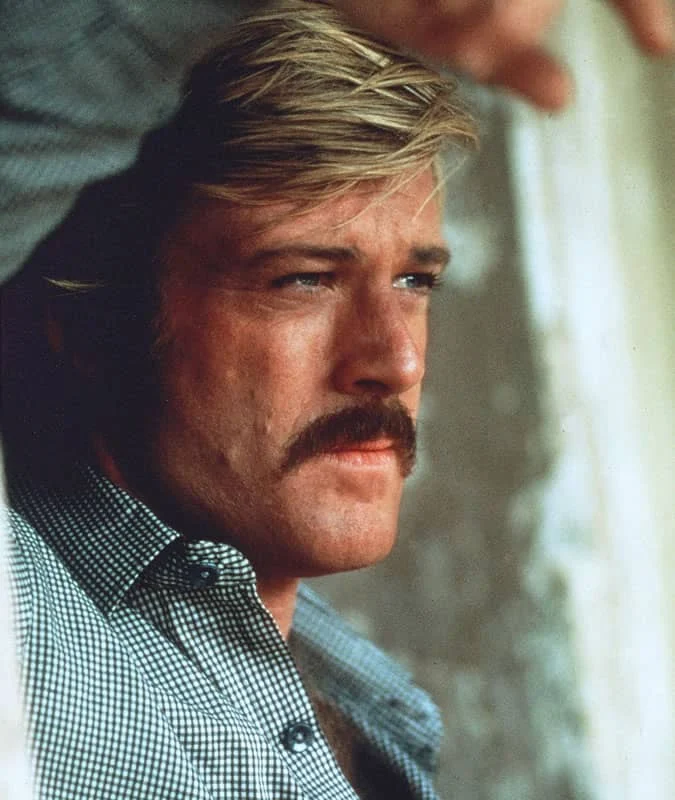
The resurgence of the moustache as a mainstream element of male grooming marks a significant shift in contemporary style, transitioning from a historical relic to a modern fashion statement. Once synonymous with the rugged masculinity of the early 20th century and later stigmatized by subcultural associations in the 1980s, the moustache has undergone a stylistic rehabilitation. Today, driven by high-profile celebrity adoption and a broader cultural embrace of vintage aesthetics, the "nose curtain" has returned to the forefront of men’s fashion.
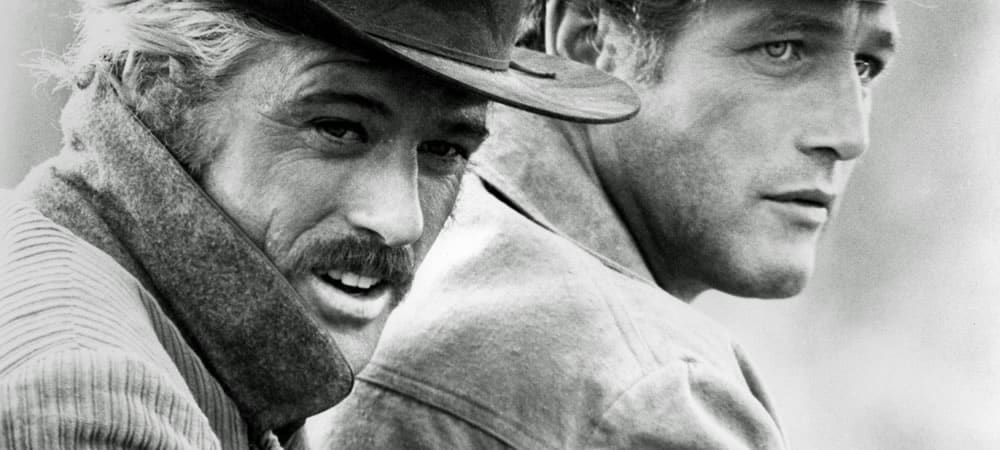
The Historical Evolution and Cultural Context
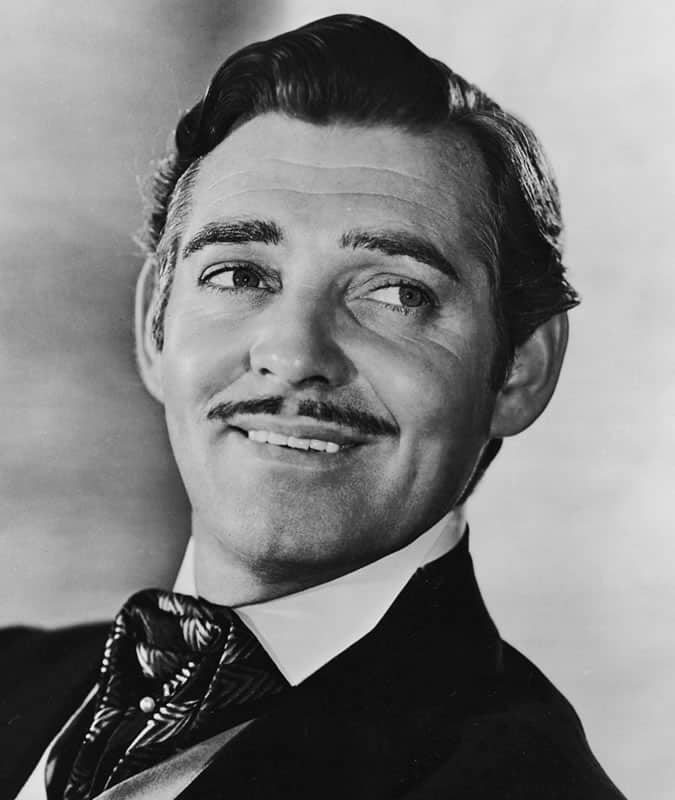
The trajectory of the moustache is deeply embedded in the history of global style. In the early 1600s, King Charles I popularized the trend, setting a precedent for royal and aristocratic facial hair that would persist for centuries. By the 1930s and 1940s, the moustache reached its zenith in the public consciousness, championed by cinematic icons like Clark Gable and Errol Flynn. During this era, the moustache served as a symbol of both suave sophistication and martial discipline; British military regulations, for instance, once mandated the growth of facial hair as a standard part of the uniform.
However, the 1980s proved to be a turning point of decline. The aesthetic became heavily associated with specific segments of the adult film industry, leading to a decade-long period where the style was viewed as anachronistic, unhygienic, or ironic. Sociological observers note that the current revival is part of a wider cycle of "retromania," where items like bucket hats and cross-body bags have returned to favor, often stripped of their original subcultural baggage and repurposed for a new, aesthetic-conscious generation.
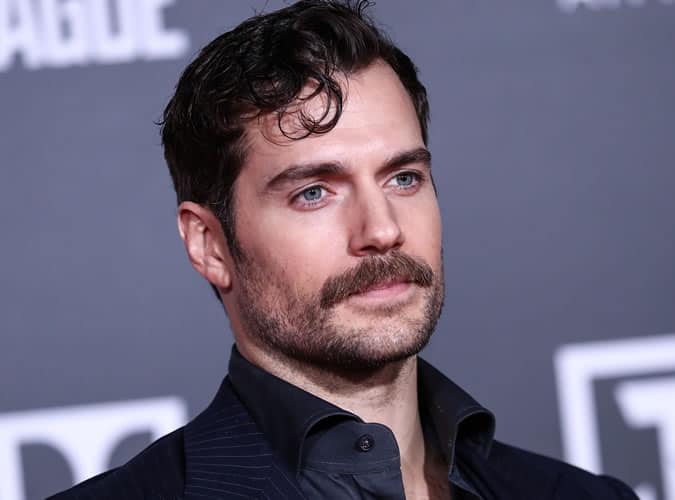
Celebrity Influence and Modern Adoption
The current trend is largely attributed to a new wave of actors and public figures who have successfully re-branded the style. Henry Cavill’s high-profile appearance in various projects, alongside the stylistic choices of performers like James Franco, has provided the necessary cultural scaffolding to normalize the look for a younger demographic. Furthermore, the aesthetic of television dramas such as Narcos and films like The Nice Guys has meticulously recreated the 1970s and 80s, reintroducing audiences to the potential for facial hair to define a character’s silhouette. Industry analysts suggest that this "visual media effect" is the primary driver behind the sudden surge in demand for grooming products specifically tailored to moustache care.
Biological and Practical Prerequisites
Growing a moustache is not merely a matter of cessation of shaving; it is a technical process that requires an understanding of follicular biology. Human facial hair grows at an average rate of approximately 0.4 millimeters per day. Achieving a full, dense moustache requires significant patience, typically necessitating four to six weeks of initial growth before any meaningful styling can occur.
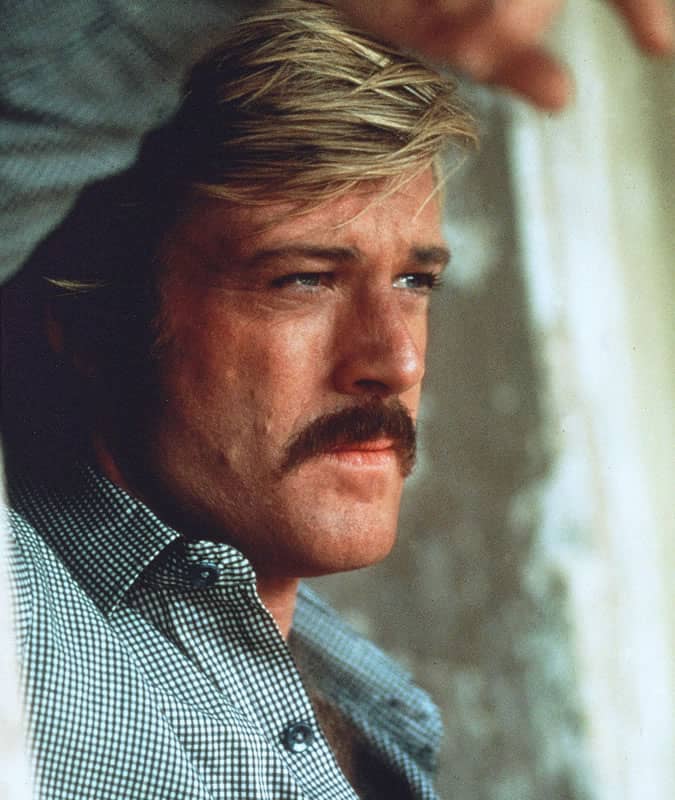
Grooming experts emphasize that the foundation of a successful moustache is the ability to cultivate a beard first. This "base layer" serves two purposes: it obscures the awkward transition phase—where hair is too long to be stubble but too short to be styled—and it allows the grower to identify areas of sparse or patchy growth. For those whose stubble fails to exceed 6–8 millimeters in length, a thick, full-bodied moustache may be biologically unattainable, necessitating a pivot toward more minimalist styles.
Strategic Styling: A Taxonomy of Looks
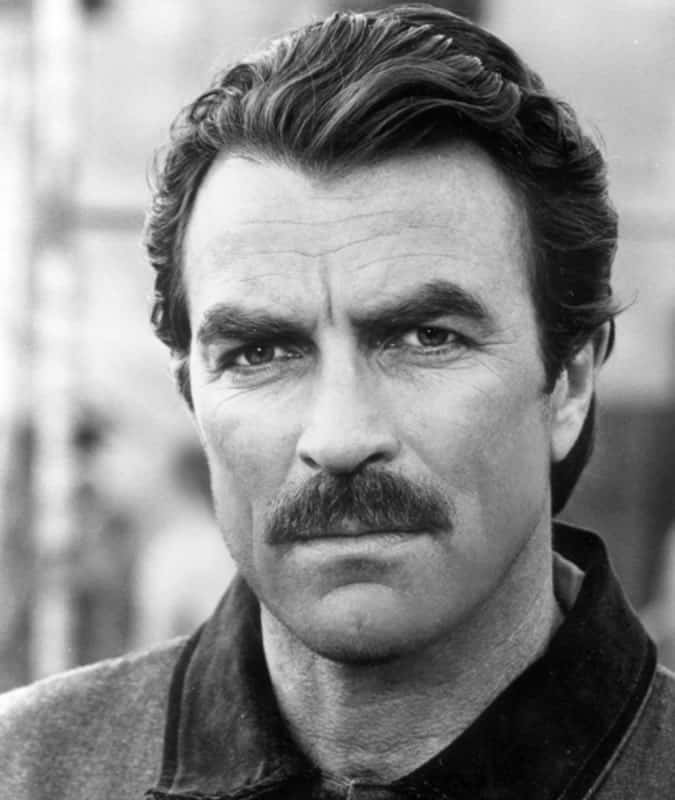
Selecting a style is a decision rooted in facial geometry. Grooming consultants typically advise men with strong, angular jawlines that they are best suited for "full package" moustaches, which require at least 10 millimeters of density and a natural, slightly unkempt appearance to project an air of effortless ruggedness.
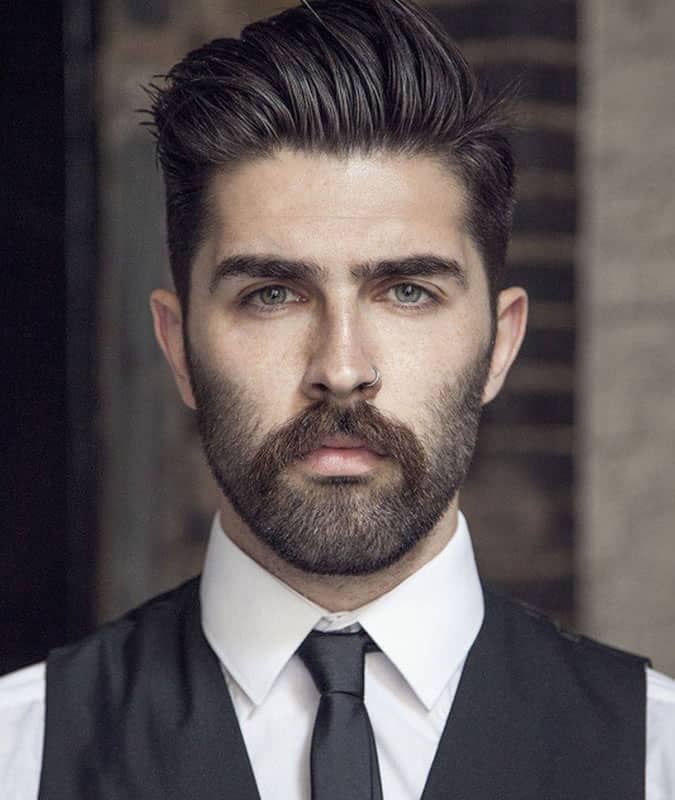
Conversely, for those with oval or square faces, the "beardstache" offers a more balanced aesthetic. This involves maintaining a beard at a uniform grade one (3mm) while allowing the moustache to grow out, creating a textured, low-contrast look that is widely considered the most accessible entry point for beginners. For those seeking a more refined, period-accurate look, the "pencil" moustache remains an option, though it demands rigorous daily maintenance and precision trimming to ensure the lines remain sharp and deliberate.
Technical Maintenance and Tooling
The transition from amateur to expert in moustache grooming is defined by the tools employed. Professional standards dictate that hair must be trimmed while completely dry. Because facial hair expands and becomes more pliable when wet, trimming in a shower or while damp often leads to uneven results, as the hair contracts significantly once it dries.
Essential equipment includes:
- Precision Trimmers: Necessary for managing density and maintaining the desired length.
- Facial Hair Scissors: Required for the surgical removal of individual stray hairs that compromise the silhouette.
- Moustache Combs: Often viewed as a niche accessory, the comb is critical for training hair growth patterns and ensuring that styling products are distributed evenly.
Dermatological Care and Product Integration
The skin beneath a moustache is often neglected, which can lead to irritation and the development of "beardruff." As the hair grows longer, it wicks moisture away from the skin, necessitating the use of specialized products. For shorter styles, a standard non-comedogenic moisturizer is sufficient. For more substantial growth, beard oil is the industry standard.
Beard oil performs a dual function: it conditions the coarse hair of the moustache, softening it to prevent it from feeling like abrasive wire, and it treats the underlying epidermis. Users are cautioned against over-application, as an excess of oil can result in a greasy, unpolished appearance. In cases where a user has naturally oily skin, a beard balm—which provides a matte finish and higher hold—is a recommended alternative.
The Broader Implications of the Trend
The return of the moustache represents more than a fleeting fashion whim; it signals a shift in how modern masculinity is curated. As the distinction between "formal" and "casual" grooming continues to blur, the moustache provides a medium for personal expression that is both highly visible and remarkably versatile.

From a market perspective, the rise of the moustache has spurred innovation in the men’s grooming sector, with a measurable increase in the production of specialized waxes, combs, and conditioning agents. This reflects a broader trend in the consumer goods market: men are increasingly investing in professional-grade tools to maintain a specific aesthetic. Whether the current popularity of the moustache will endure as a permanent fixture of men’s style or eventually recede back into the annals of history, the current evidence suggests that for the immediate future, the "nose curtain" is firmly here to stay.
For those looking to adopt the look, the advice remains consistent: patience, the right tools, and a commitment to hygiene are the trifecta of a successful, enduring, and ultimately, respectable moustache.
