
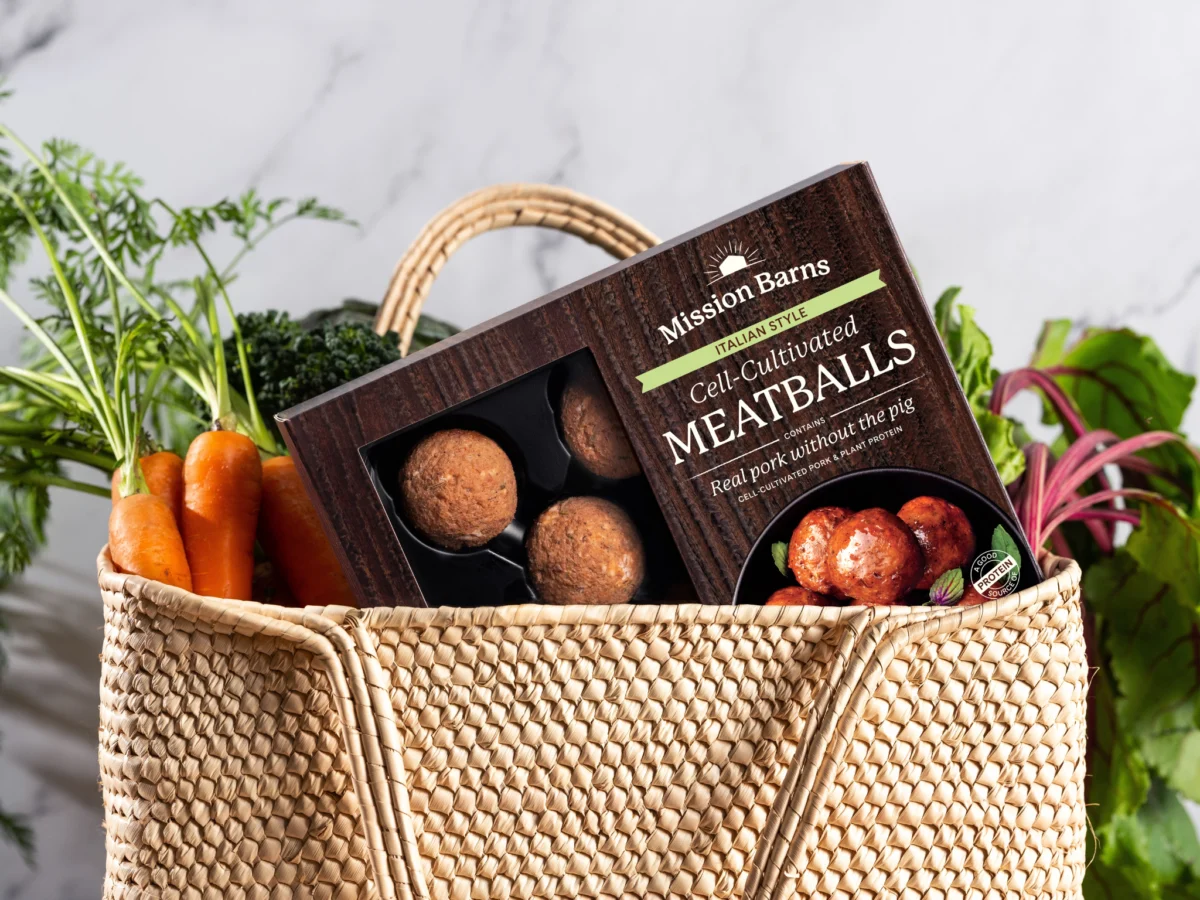
A bipartisan coalition in Congress has reintroduced legislation aimed at regulating the labeling of plant-based and cultivated protein products, proposing to ban the use of traditional meat terms like "meat" or "beef" on their packaging. The Fair and Accurate Ingredient Representation on Labels Act, or the FAIR Labels Act, first surfaced during the 2023-2024 legislative session but did not advance. Lawmakers are now making another attempt to pass the bill, which has garnered support from the beef industry.
The core of the FAIR Labels Act is to establish stricter labeling guidelines for alternative protein sources, including those derived from plants and those produced through cell cultivation. Proponents of the bill argue that allowing these products to use terms historically associated with conventional meat can lead to consumer confusion and potentially mislead shoppers about the origin and composition of the food they purchase. This renewed legislative push reflects ongoing tensions between traditional agriculture and the rapidly expanding alternative protein sector.
Legislative History and Renewed Push
The FAIR Labels Act, in its previous iteration, saw companion bills introduced in both the House of Representatives and the Senate. However, neither measure progressed through the legislative process. The current iteration of the bill has seen bipartisan co-sponsorship in the Senate by Republican Senator Pete Ricketts and Democratic Senator John Fetterman. In the House, Republican Representatives Mark Alford, Mike Flood, and Buddy Carter are leading the charge.
The substance of the reintroduced bill largely mirrors its predecessor, indicating a consistent legislative objective. The bill’s reintroduction signals a sustained effort to address what proponents perceive as a critical issue in food labeling and consumer transparency. The beef industry, a vocal supporter of the legislation, views the use of meat-like terminology on alternative protein products as a direct threat to its livelihood and a potential source of consumer deception.
Arguments for the FAIR Labels Act

Supporters of the FAIR Labels Act contend that current labeling practices for plant-based and cultivated meats are insufficient. They argue that these products are often not explicitly identified as alternatives, which they claim disadvantages American farmers and ranchers. According to proponents, this lack of clarity erodes consumer trust and creates an uneven playing field in the marketplace.
The legislation seeks to amend the Federal Meat Inspection Act and the Poultry Products Inspection Act to explicitly differentiate between conventional meat and its alternatives. This move is intended to ensure consumers can make informed purchasing decisions without encountering what they deem to be misleading marketing.
However, this argument is countered by research indicating a high level of consumer understanding. Studies suggest that a significant majority of Americans, ranging from 75% to 88%, are already aware that plant-based meat products do not contain animal protein. This data raises questions about the extent of consumer confusion that the bill aims to address.
The FAIR Labels Act mandates that cultivated and plant-based meat products carry clear labels distinguishing them from conventional meat. Should the bill become law, it would prohibit the sale of any alternative protein products found to be mislabeled. Furthermore, product labels would be required to include a disclaimer explicitly stating that plant-based and cultivated meat innovations are not derived from live animals.
While the bill would permit terms such as "cell-cultivated protein burger," "ground plant-based alternative protein," and "alternative protein," it would explicitly prohibit the use of terms like "cruelty-free steak," "cultivated beef burgers," and "plant-based ground beef."
Representative Mike Flood articulated a strong stance in favor of the bill, stating, "Families deserve to know exactly what they are putting on their tables, not to be confused by deceptive labelling and marketing tricks. Meanwhile, our farmers and ranchers continue to be undercut by the fake meat industry’s labelling." Flood has previously championed resolutions that he perceived as addressing the impact of dietary recommendations on American agriculture, underscoring his commitment to supporting traditional farming practices. He further characterized the FAIR Labels Act as a "common-sense bill, which will finally bring about honest labelling of fake meat products and better inform consumers when making choices at the grocery store."
The Beef Industry’s Endorsement and Broader Context
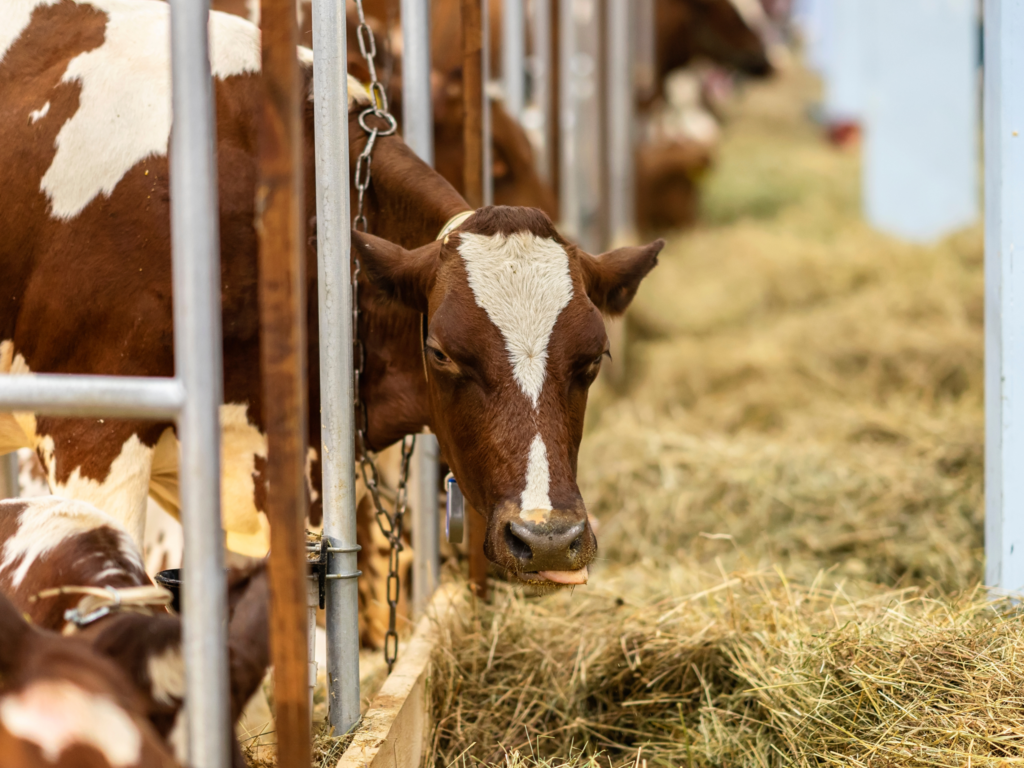
The endorsement of the FAIR Labels Act by the beef industry is a significant development, highlighting the alignment of interests between traditional agriculture and certain legislative efforts. Gene Copenhaver, president of the National Cattlemen’s Beef Association, stated, "The Fair Labels Act will establish a federal guideline for labelling cell-cultivated and plant-based alternative protein products, ensuring consumers can easily differentiate these products from real beef products produced by US cattlemen and cattlewomen."
This support from the cattle industry is part of a larger, ongoing strategy by livestock interest groups to influence policy and protect their market share. These groups invest substantial resources in lobbying efforts at both federal and state levels. For example, in 2024, pressure from the beef industry reportedly led the Department of Defense to withdraw a funding call aimed at developing cultivated meat products for military use.
Furthermore, the livestock industry has been instrumental in advocating for state-level bans or moratoriums on the sale of cultivated meat. As of the latest reports, several states, including Florida, Alabama, Mississippi, Montana, Indiana, Nebraska, Texas, and South Dakota, have enacted legislation restricting or prohibiting these products. This trend indicates a broader political and regulatory landscape where alternative proteins face significant legislative hurdles, often driven by established agricultural interests.
Regulatory Landscape and Consumer Perception
The FAIR Labels Act also touches upon the shared jurisdiction of the U.S. Department of Agriculture (USDA) and the Food and Drug Administration (FDA) in overseeing food labeling and inspection. The bill proposes that these agencies would be responsible for enforcing labeling standards and maintaining product inspection protocols, potentially requiring updated cooperative agreements between them.
The FDA has previously issued draft guidance on the labeling of plant-based alternatives. This guidance suggests that producers may use terms like "sausage" and "burger" on their packaging, provided such usage does not mislead consumers. The FDA’s preference, however, is for companies to clearly highlight the source ingredients of their products. For instance, instead of "plant-based nuggets," the FDA leans towards "chickpea and lentil nuggets," and for "meat-free bacon," it favors "plant-based soy bacon."
It is crucial to note that FDA guidance is not legally binding; it represents the agency’s current thinking on a subject. Critics argue that such efforts to restrict labeling constitute censorship, undermine free market principles, and potentially infringe upon First Amendment rights by limiting commercial speech.
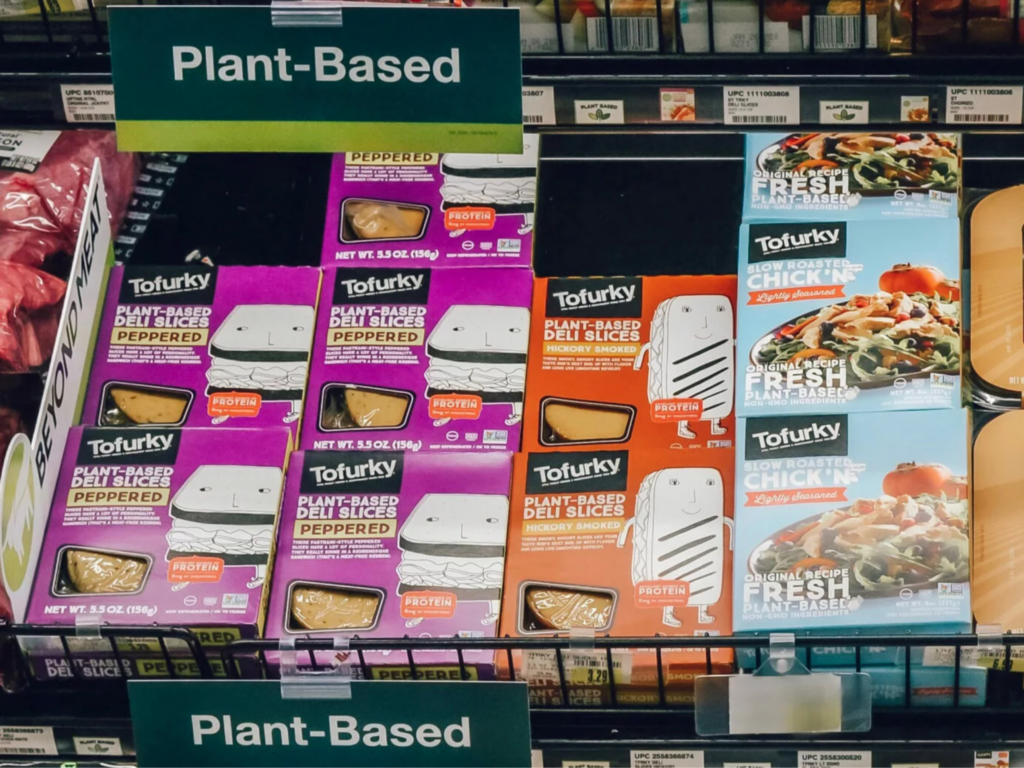
The broader implications of such legislation extend beyond labeling. The debate over the nomenclature of alternative proteins is intrinsically linked to consumer acceptance, market development, and the future of food production. The success of the FAIR Labels Act could have a chilling effect on innovation within the alternative protein sector, potentially hindering its growth and consumer adoption. Conversely, if the bill fails, it may signal a continued acceptance of existing labeling practices, allowing the alternative protein market to evolve with less regulatory constraint.
Challenges and Precedents
The legislative journey of the FAIR Labels Act is not occurring in a vacuum. Similar attempts at the state level to restrict alternative protein labeling have faced legal challenges. For instance, labeling laws enacted in Arkansas and Texas were declared unconstitutional by courts. Similarly, judicial rulings in Missouri and Oklahoma found that certain state laws did not effectively apply to plant-based producers. These legal precedents suggest that outright bans or stringent restrictions on the use of common food terms for alternative products may face significant legal opposition based on free speech and market principles.
The ongoing debate surrounding the FAIR Labels Act underscores the complex interplay between technological innovation, established industries, consumer interests, and regulatory frameworks. As the alternative protein sector continues to mature, the question of how these products should be labeled remains a contentious issue, with significant implications for the future of food in the United States. The bipartisan nature of the reintroduced bill suggests a growing consensus among some lawmakers on the need for clearer federal guidelines, though the path to legislative enactment is likely to be fraught with continued debate and opposition. The outcome of this legislative effort will be closely watched by all stakeholders in the food industry, from farmers to manufacturers to consumers.
