
The Paradigm Shift in the Global Probiotic Market
The probiotic sector, once dominated by fermented dairy products and generic gut-health supplements, has matured into a multi-billion-dollar global industry. Market analysts estimate the global probiotic market was valued at approximately USD 73.38 billion in 2023, with projections suggesting it could reach over USD 130 billion by 2032, maintaining a compound annual growth rate (CAGR) of roughly 8.5%. This growth is not merely quantitative but qualitative; consumers are increasingly seeking products that address specific health concerns, ranging from immune system support and metabolic health to the gut-brain axis and skin conditions.
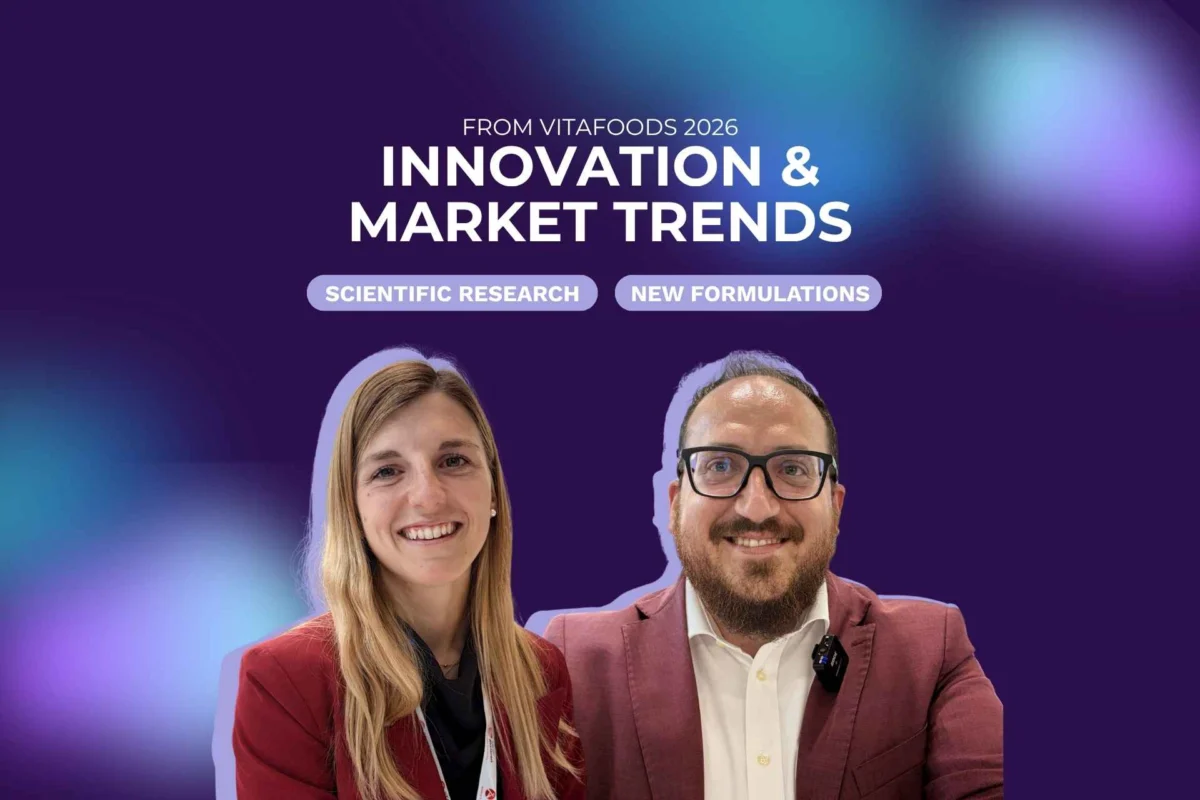
Carlo Sala emphasizes that the "new horizons" for Sacco System involve identifying these emerging health needs and responding with agility. The company is transitioning from being a traditional ingredient supplier to a comprehensive solution provider. This involves a dual focus: maintaining a robust presence in established markets like Europe (EMEA) while aggressively pursuing high-growth opportunities in Latin America (LATAM), where regulatory frameworks are evolving to better accommodate innovative probiotic claims.
A Chronology of Biotech Excellence
To understand Sacco System’s current trajectory, it is essential to view its evolution through a historical lens. The company’s roots trace back to 1872 with the founding of Caglificio Clerici, specializing in rennet and enzymes for the dairy industry. Over the subsequent century and a half, the organization expanded its expertise into lactic acid bacteria.
The 21st century marked a pivotal turning point as the company integrated advanced microbiology and biotechnology to enter the human health market. By the 2010s, Sacco System had established itself as a key player in the production of probiotic strains. The current phase, beginning in the early 2020s, focuses on "Portfolio Evolution." This stage is defined by the move toward finished formulations—products that are ready for retail, requiring no further processing by the brand owner. This strategy directly addresses the industry’s need for a shortened "time to market," allowing brands to respond to trends with unprecedented speed.
Scientific Rigor and Strain Development
The core of Sacco System’s innovation lies in its laboratory. Chiara Sironi highlights that modern probiotic development is no longer about simply finding a "good" bacterium; it is about genomic characterization and clinical validation. The company’s research and development (R&D) department utilizes "OMICS" technologies—including genomics, proteomics, and metabolomics—to understand the specific mechanisms of action for each strain.
One of the significant challenges in the industry is ensuring the stability and viability of these live microorganisms. Sironi explains that Sacco System’s tailored formulations are designed to protect the bacteria through the manufacturing process and the shelf life of the product. This involves specialized encapsulation techniques and the selection of synergistic excipients. By offering these "finished solutions," Sacco System ensures that the end consumer receives the exact dosage and strain activity promised on the label, a factor that is increasingly scrutinized by regulatory bodies like the European Food Safety Authority (EFSA) and the U.S. Food and Drug Administration (FDA).
Strategic Market Analysis: EMEA and LATAM
The geographical focus of Sacco System’s sales strategy reflects the fragmented nature of global regulations. In the EMEA region, the market is highly sophisticated but faces a restrictive regulatory environment regarding health claims. Here, Sacco System focuses on providing high-quality, clinically documented strains that allow brands to differentiate themselves through scientific excellence rather than just marketing slogans.
In contrast, the LATAM market represents a frontier of rapid expansion. Countries like Brazil and Mexico are seeing a surge in consumer awareness regarding the microbiome. Carlo Sala notes that the LATAM region requires a different approach—one that balances cost-effectiveness with high-performance ingredients. By leveraging its global supply chain and local market intelligence, Sacco System is positioning itself as a primary partner for Latin American pharmaceutical and nutraceutical companies looking to localize production or launch new probiotic lines.
Supporting Data: The Rise of Targeted Biotics
The shift toward targeted solutions is supported by consumer data. Recent surveys indicate that 45% of probiotic users are looking for products specifically tailored to their age, gender, or health condition. Furthermore, the "psychobiotics" segment—probiotics designed to support mental health via the gut-brain axis—is expected to grow at a CAGR of 10.2% over the next five years.
Sacco System has responded to these data points by diversifying its portfolio to include:
- Immunobiotics: Strains specifically selected for their ability to modulate the innate and adaptive immune systems.
- Women’s Health: Formulations targeting the vaginal microbiome and urinary tract health.
- Skin Health: Probiotics and postbiotics aimed at addressing inflammatory skin conditions from the inside out.
- Metabolic Support: Strains that assist in weight management and glucose metabolism.
Official Responses and Industry Implications
The transition to a CDMO (Contract Development and Manufacturing Organization) model is a strategic response to the professionalization of the supplement industry. By offering finished solutions, Sacco System takes on the burden of R&D, stability testing, and regulatory documentation. This allows their partners—often large pharmaceutical firms or digital-first wellness brands—to focus on distribution and consumer engagement.
Industry analysts view this move as a stabilizing force in a market often criticized for "label dressing," where products contain sub-therapeutic doses of ingredients. Sacco System’s insistence on clinical backing and transparent formulation sets a benchmark for the industry. The implication is clear: the future of the probiotic market belongs to companies that can bridge the gap between complex microbiome science and consumer-ready retail products.
Implications for the Future of Healthcare
The evolution of Sacco System’s portfolio is a microcosm of a larger trend in healthcare: the move toward preventative, microbiome-based interventions. As the medical community gains a deeper understanding of how the microbiome influences chronic diseases, the role of companies like Sacco System becomes increasingly critical.
The "new horizons" discussed by Sala and Sironi suggest a future where probiotics are not just dietary supplements but integral components of personalized nutrition and integrative medicine. The company’s investment in new manufacturing technologies and clinical trials indicates a long-term commitment to this vision. By shortening the time to market and ensuring the efficacy of their strains, Sacco System is effectively lowering the barrier to entry for high-quality health solutions globally.
In conclusion, the strategic trajectory of Sacco System, characterized by scientific innovation and market adaptability, reflects the maturing landscape of the global microbiome industry. As the company continues to expand its portfolio and reach, its focus remains on the intersection of tradition and technology—leveraging over a century of fermentation expertise to solve the modern health challenges of the 21st century. The integration of clinical research, tailored delivery systems, and strategic regional expansion ensures that Sacco System remains a pivotal architect in the future of the probiotic market.
