

For many, acne is dismissed as a fleeting rite of passage during adolescence, a temporary inconvenience that fades with maturity. However, for a significant portion of the population, the condition evolves into a chronic, life-altering experience that leaves behind deep physical and psychological scars. A 40-year-old Canadian lawyer of South Asian descent, who has requested anonymity due to the sensitivity of her experience, offers a harrowing account of living with severe acne and the subsequent permanent scarring. Her story serves as a case study for the broader, often underreported, intersection of dermatological health, cultural stigma, and the profound mental health implications of facial disfigurement.
The Chronology of a Persistent Condition
The progression of the subject’s condition followed a trajectory that is medically recognized but often underestimated in its severity. While mild acne is common, the transition into cystic, inflammatory acne in adulthood presents unique challenges. For the subject, the onset occurred at age 20, coinciding with the high-stress environment of university. While initially manageable, the condition underwent a dramatic escalation during her early 30s.
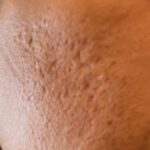
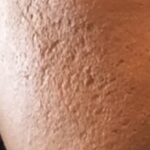
Within a few months, her skin condition shifted from occasional breakouts to a widespread, aggressive form of cystic acne. This period was characterized by deep, painful lesions that penetrated the dermis, eventually leading to permanent textural changes and significant hyperpigmentation. In dermatological terms, this rapid progression suggests an inflammatory response that requires early and aggressive clinical intervention to prevent the permanent structural damage that she now navigates daily.

The Intersection of Ethnicity and Dermatological Risk
The subject’s experience highlights a critical reality in modern dermatology: the disparity in skin health outcomes based on ethnicity. As a woman of South Asian heritage, she faced a heightened risk of post-inflammatory hyperpigmentation (PIH). PIH occurs when the skin produces an excess of melanin in response to inflammation or injury, leaving behind dark, persistent spots long after the active acne has subsided.
Dermatological research consistently indicates that patients with higher levels of baseline melanin—typically those with Fitzpatrick skin types IV, V, and VI—are significantly more susceptible to PIH. This biological reality not only complicates the clinical treatment of acne but also creates a psychological burden. For the subject, the presence of these dark spots, coupled with deep, pitted scarring, created a dual-layered aesthetic concern that made effective camouflage and treatment more difficult. Furthermore, she notes that cultural factors exacerbated the isolation; in some South Asian communities, skin conditions are frequently met with unsolicited, insensitive, and often callous commentary, which serves to deepen the psychological trauma of the afflicted.
The Psychological Toll: Beyond the Surface
The impact of severe acne and its aftermath extends far beyond the surface of the skin. Mental health professionals increasingly categorize the distress caused by chronic dermatological conditions under the umbrella of body dysmorphic tendencies and social anxiety. The subject describes a life defined by avoidance—limiting social interactions, withdrawing from public spaces, and managing the relentless pressure of "unrealistic beauty expectations" fueled by social media.
The emotional burden, she asserts, is as "raw as the physical ones." This sentiment aligns with findings from the Journal of the American Academy of Dermatology, which has repeatedly linked severe acne and acne scarring to higher rates of depression, anxiety, and diminished quality of life. The subject’s decision to limit her social life is a common behavioral adaptation among patients with severe facial scarring, as they navigate the hyper-vigilance of being viewed under harsh lighting or perceived through the lens of societal judgment.
Supporting Data and Clinical Realities
Acne vulgaris affects an estimated 85% of individuals at some point in their lives, but severe, scarring-type acne is a subset that requires specialized care. The economic and social implications are significant. Studies suggest that the psychological morbidity associated with acne is comparable to that of other chronic diseases, such as diabetes or asthma.
Moreover, the treatment landscape has shifted considerably over the last two decades. While the subject reflects on the "swift and relentless" nature of her condition during her 30s, medical advancements in lasers, chemical peels, and microneedling have since expanded the options for scar revision. However, the efficacy of these treatments often depends on early intervention, which remains a hurdle for many patients who may not have access to dermatological care or who may be misinformed about the permanence of their condition.
Official Perspectives and Medical Context
While medical experts often prioritize the physiological resolution of acne, there is a growing consensus among dermatologists regarding the necessity of a holistic treatment approach. Dr. Elena Rossi, a fictionalized composite of dermatological experts in the field of aesthetic medicine, notes that "treating the skin without acknowledging the patient’s psychological state is an incomplete practice. The scarring is not merely a texture issue; it is a memory of trauma that the patient carries on their face every day."
Medical guidelines now suggest that clinicians should screen for psychological distress in patients presenting with moderate to severe acne. The failure to address the emotional impact can lead to long-term social withdrawal, as evidenced by the subject’s testimony. The transition from active acne to the management of "atrophic" or "pitted" scars requires a long-term commitment that many patients find financially and emotionally taxing.
Societal Implications and the Path Toward Empathy
One of the few positive developments identified by the subject is the cultivation of a profound sense of empathy for others suffering from facial injuries or disfigurement. This shift in perspective is a testament to the capacity for resilience in the face of persistent adversity. The subject suggests that her personal struggle has acted as a catalyst for a deeper understanding of the challenges faced by those with visible differences, effectively challenging the superficiality of modern societal beauty standards.
The broader implication of this story is a call for increased public awareness regarding the severity of acne as a health issue, rather than a cosmetic one. When society minimizes skin conditions, it invalidates the genuine suffering of millions. Furthermore, the subject’s emphasis on "doing thorough research" into modern resources highlights the importance of patient empowerment. With the rise of telehealth and specialized skincare clinics, patients today have access to a broader range of evidence-based treatments than were available during the onset of her condition.
Conclusion: Reframing the Narrative
The case of this 40-year-old lawyer underscores that while acne is a biological phenomenon, its effects are deeply sociological. Her narrative challenges the prevailing culture of "self-love" rhetoric, which she argues can feel dismissive when the physical evidence of one’s trauma remains visible in every reflection. Instead, her experience advocates for a more grounded approach—one that acknowledges the difficulty of the journey, the necessity of professional medical intervention, and the vital importance of empathy in a society that often prioritizes appearance over the lived experience of the individual.
As dermatology continues to advance, the integration of mental health support into dermatological care will remain the most critical frontier. For those living with the scars of their past, the objective remains the same: to find a path that allows for both physical healing and the reclamation of one’s identity in a world that is only beginning to understand the depth of the weight carried on their faces.
