
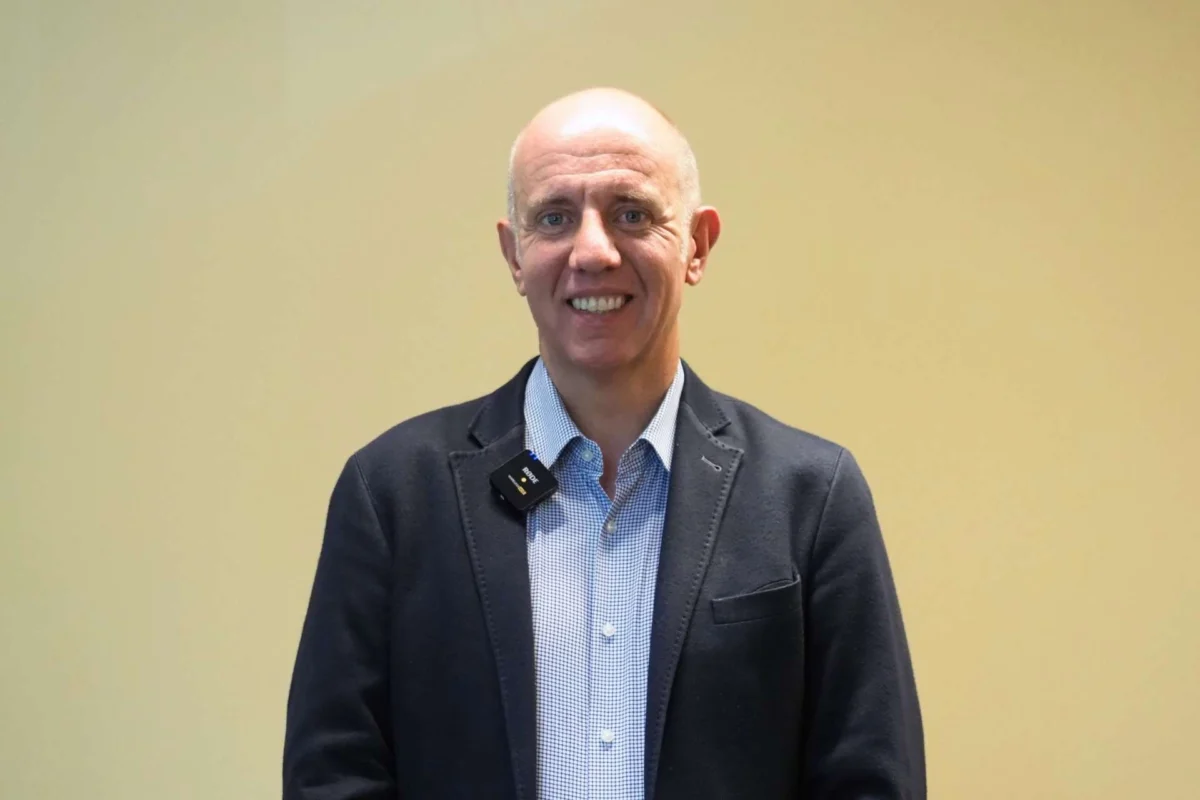
The emergence of infectious diseases and the escalating crisis of antimicrobial resistance have necessitated a paradigm shift in how scientists perceive the microbial world, moving beyond the study of isolated pathogens toward a holistic understanding of microbial communities. Professor Paul Wilmes of the Luxembourg Centre for Systems Biomedicine (LCSB) at the University of Luxembourg is at the forefront of this transition, advocating for the concept of "infective competence" within a One Health framework. This framework posits that the health of humans, animals, and the environment is inextricably linked, with the microbiome serving as the primary conduit for the flow of genetic information, virulence factors, and resistance mechanisms across these diverse reservoirs.
In a comprehensive overview of his research program, Professor Wilmes defines infective competence as the collective capacity of a microbiome—the entire community of microorganisms in a given environment—to harbor and transmit disease-relevant determinants. These include not only classic virulence factors but also antimicrobial resistance (AMR) genes, biosynthetic gene clusters capable of producing toxins, and other molecular drivers of pathogenesis. By shifting the focus from individual "bad bugs" to the functional potential of entire ecosystems, Wilmes and his team are uncovering how the environment itself acts as a staging ground for future health crises.
The Multi-Omics Approach to Microbial Interaction Networks
Central to the research conducted at the University of Luxembourg is the integration of "multi-omics" data. Traditional microbiology often relies on metagenomics, which sequences the DNA within a sample to determine "who is there." However, Wilmes argues that DNA alone provides an incomplete picture, as it does not distinguish between active processes and dormant genetic potential. To overcome this limitation, his team integrates four distinct layers of biological information: metagenomics (DNA), metatranscriptomics (RNA/gene expression), metaproteomics (proteins), and metabolomics (small molecules/metabolites).
By analyzing these datasets from the same samples simultaneously, researchers can reconstruct complex interaction networks within microbial communities. This systems-biology approach allows for the identification of emerging properties—behaviors of the community that cannot be predicted by looking at individual species in isolation. These properties are often the true drivers of disease, influencing human inflammatory pathways and metabolic functions in ways that traditional diagnostic methods might overlook.
The PathoFact Pipeline: A Tool for Global Surveillance
To operationalize the study of infective competence, the Wilmes group developed PathoFact, a high-throughput computational pipeline designed to systematically profile the pathogenic potential of metagenomic data. PathoFact is engineered to identify virulence factors and AMR genes with high precision, allowing researchers to compare the "infective signatures" of different environments.
The utility of PathoFact has been demonstrated across a vast array of ecological niches. In hospital settings, the tool has been used to track how the "built environment"—including surfaces, ventilation systems, and medical equipment—serves as a reservoir for multidrug-resistant organisms. Beyond the clinic, the research has extended into natural ecosystems, such as glacier-fed streams. As global temperatures rise and glaciers retreat, ancient microbial communities are being released into the modern environment. PathoFact allows scientists to assess whether these "re-emerging" microbes possess genetic determinants that could pose a threat to contemporary ecosystems or human health.
The pipeline also plays a critical role in monitoring wastewater treatment systems. Often described as the "gut of the city," wastewater serves as a concentrated reflection of a population’s microbiome. Studies using PathoFact have shown that wastewater treatment plants can act as hotspots for horizontal gene transfer, where different species of bacteria exchange resistance genes, potentially creating new "superbugs" before the water is discharged back into the environment.
One Health and the Dynamics of Transmission
The One Health perspective is fundamental to understanding how infective competence moves between species. Wilmes’ research has highlighted the impact of antimicrobial exposure in animal husbandry on the broader environment. When livestock are treated with antibiotics, it not only alters their internal microbiomes but also leads to the shedding of resistance genes into soil and water through manure. This creates a cycle of resistance that eventually impacts human health through the food chain or environmental contact.
During the COVID-19 pandemic, this research framework was applied to the community transmission of SARS-CoV-2. By examining the microbiomes of infected individuals and their surrounding environments, the research team sought to understand how the presence of certain bacteria might facilitate or inhibit viral persistence and transmission. This work suggested that the "microbial background" of an individual—their pre-existing microbiome health—could be a determining factor in their susceptibility to severe viral infection.
The Oral-Gut Axis and Type 1 Diabetes
One of the most significant clinical findings to emerge from this research program involves the link between oral health and systemic autoimmune conditions, specifically Type 1 Diabetes (T1D). Traditional views of T1D focus on genetic predisposition and pancreatic function, but Wilmes’ work points toward the microbiome as a critical mediator.
Research into the "oral-to-gut microbial transmission" pathway has revealed that certain bacteria typically found in the mouth can migrate to the gastrointestinal tract. In individuals with T1D, this transmission is often associated with specific inflammatory signatures. The presence of these "displaced" oral microbes in the gut appears to trigger immune responses that contribute to the chronic inflammation seen in diabetic patients. This discovery opens new avenues for early diagnosis and potential therapeutic interventions aimed at stabilizing the oral microbiome to prevent systemic complications.
Technological Innovation: HUMIX and AI Integration
To move from identifying associations to proving causality, the University of Luxembourg has pioneered the use of the HUMIX (Human-Microbial Cross-talk) model. HUMIX is a sophisticated microfluidic "organ-on-a-chip" device that allows researchers to co-culture human cells with live microbial communities under conditions that mimic the human gut.
This model provides a controlled environment where scientists can observe the direct interactions between the microbiome and human tissues. For instance, researchers can introduce specific "infective" microbial strains and monitor how human epithelial cells respond at the molecular level. To manage the massive amounts of data generated by these experiments, the research program is increasingly coupling high-throughput HUMIX trials with advanced Artificial Intelligence (AI) and machine learning methods. These AI algorithms are designed to identify "causal molecules"—specific metabolites or proteins produced by microbes that directly trigger disease pathways in the host.
Chronology of Development in Microbiome Research
The evolution of Professor Wilmes’ research reflects the broader timeline of advancements in the field of systems biomedicine:
- 2007–2012: The launch and completion of the Human Microbiome Project (HMP) established the first comprehensive map of microbial diversity in healthy humans, primarily using 16S rRNA sequencing.
- 2013–2016: The shift toward metagenomics and the realization that "function" is more important than "taxonomy." During this period, the LCSB began developing the HUMIX model to bridge the gap between sequencing and biology.
- 2017–2020: The development of the PathoFact pipeline and the expansion into multi-omics. Research began to encompass environmental reservoirs, marking the formal adoption of the One Health framework.
- 2021–Present: Integration of AI and machine learning to decode complex host-microbe interactions. The focus has shifted toward "planetary health," acknowledging that climate change and habitat loss are accelerating the flow of infective competence across the globe.
Official Context and Global Implications
The research led by Professor Wilmes arrives at a critical juncture for global health policy. Organizations such as the World Health Organization (WHO) and the Centers for Disease Control and Prevention (CDC) have identified AMR as one of the top ten global public health threats facing humanity. Current estimates suggest that by 2050, antimicrobial resistance could result in 10 million deaths annually, surpassing the current mortality rate of cancer.
The concept of infective competence provides a roadmap for addressing this threat. By identifying the reservoirs where resistance genes are most likely to emerge and the mechanisms by which they spread, policymakers can implement more targeted surveillance and intervention strategies. For example, monitoring the "infective competence" of wastewater could serve as an early warning system for local outbreaks, much like wastewater testing was used to track COVID-19 variants.
Furthermore, the research underscores the biological cost of environmental degradation. The study of glacier-fed streams and natural ecosystems suggests that as we disrupt the planet’s natural balance, we are also altering the microbial "dark matter" that has remained stable for millennia. The rise of zoonotic diseases—those that jump from animals to humans—is a direct consequence of these shifting microbial dynamics.
Analysis of Future Trajectories
The implications of Professor Wilmes’ work extend into the realm of personalized medicine. If the "infective competence" of a person’s microbiome can be profiled, future healthcare providers might be able to offer "microbiome-based risk assessments." Instead of merely treating an infection after it occurs, doctors could identify individuals whose microbiomes are "competent" for harboring dangerous pathogens or resistance genes and intervene through dietary changes, probiotics, or targeted microbial therapies.
However, the move toward this future requires significant international cooperation. Because microbiomes do not respect national borders—traveling through air, water, and global trade—the study of infective competence must be a global endeavor. The work at the University of Luxembourg serves as a call to action for a unified, data-driven approach to planetary health, where the smallest organisms on Earth are given the highest priority in our efforts to safeguard the future of human civilization.
As the research program continues to expand, the focus will likely remain on the "emerging properties" of these microscopic communities. In the words of the systems biology community, "the whole is greater than the sum of its parts." Understanding that "whole"—the collective competence of our microbial neighbors—may be the key to surviving an era of unprecedented biological and environmental change.
