
The pervasive narrative surrounding hair hydration often presents a perplexing paradox: while countless products promise to infuse strands with moisture, a segment of hair experts and scientists asserts that water is, in fact, detrimental. This dichotomy highlights a significant source of misunderstanding in hair science, stemming not only from marketing strategies and public perception but also, at times, from within the cosmetic science community itself. Unraveling the intricate interactions between water and hair is crucial for a clearer, more informed approach to hair care.
The Misconception of "Hydrated Hair"
The term "hydrated hair" is a cornerstone of modern hair care marketing, conjuring images of soft, smooth, and resilient strands. However, from a strictly scientific perspective, this widely accepted notion is largely a myth. Cosmetic scientists frequently acknowledge the difficulty in dislodging deeply ingrained consumer beliefs, often opting to align with popular terminology rather than undertake the arduous task of re-educating the market. This commercial pragmatism has inadvertently perpetuated a scientific inaccuracy, leading consumers to misinterpret the true role of water in hair health and aesthetics. The sensory experience of "hydrated" hair, characterized by softness and smoothness, is frequently associated with lower intrinsic water content rather than higher. A landmark study cited by T. Evans in Cosmetics & Toiletries (2013) demonstrated this counter-intuitive perception, where participants consistently rated hair with less water as feeling more moisturized, smoother, less tangled, and less damaged. This disconnect between scientific reality and consumer perception underscores the challenge in communicating complex hair science.
The Fundamental Role of Hair Bonds
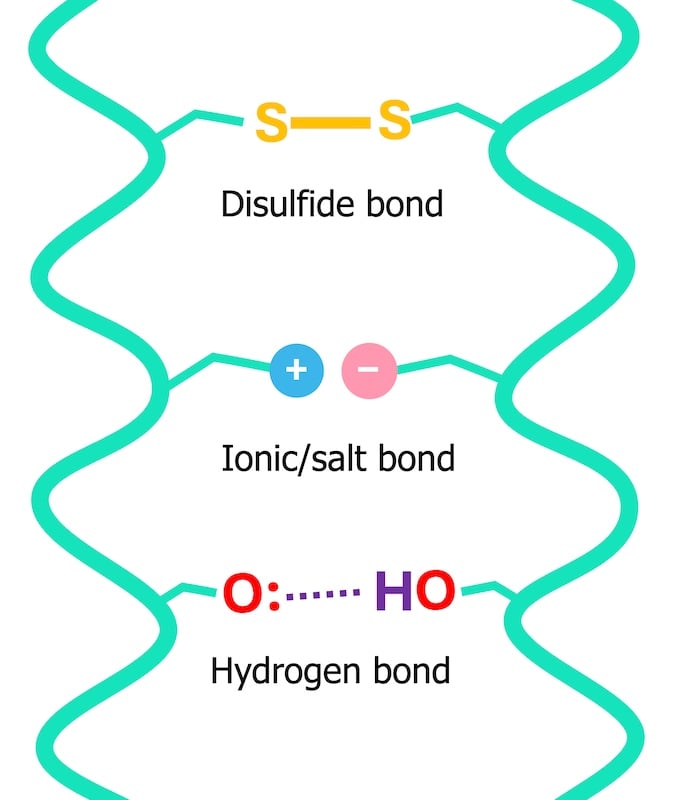
To comprehend water’s influence, one must first understand the structural integrity of hair, which is primarily composed of keratin proteins held together by various chemical bonds. These bonds are instrumental in defining hair’s strength, elasticity, and overall shape. There are two primary categories: permanent (covalent) bonds, such as disulfide bonds, which are responsible for hair’s lasting structure and are broken or reformed during chemical treatments like perms or relaxers; and temporary (non-covalent) bonds, including hydrogen bonds and ionic bonds, which are far more numerous and susceptible to environmental factors.
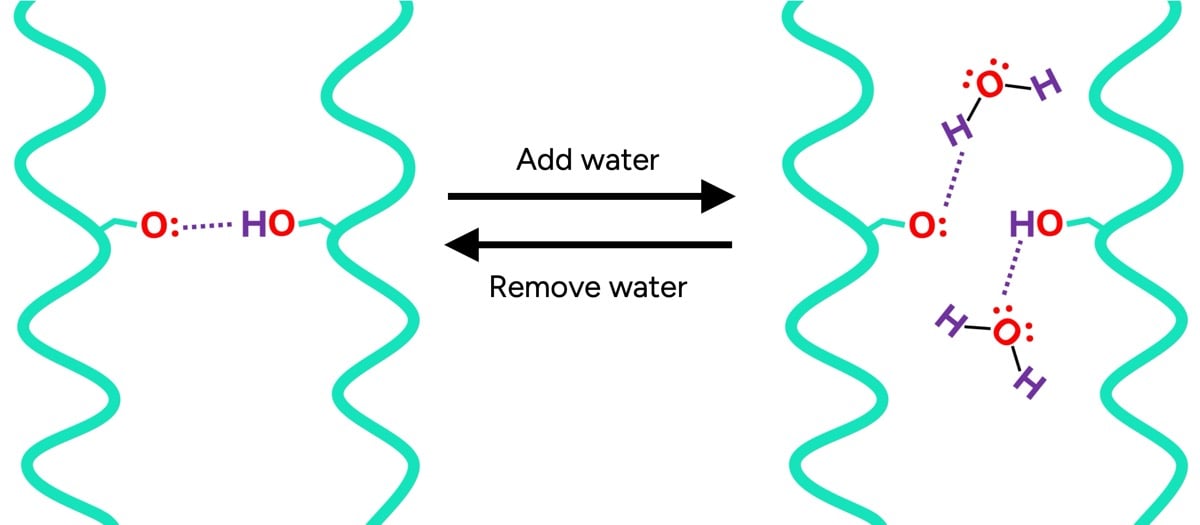
The hair’s inner core, particularly the cortex, is exquisitely sensitive to changes in moisture. In its dry state, hair proteins form a robust network through these temporary bonds, essentially "holding hands" at a molecular level, providing stiffness and structural integrity. When water is introduced, these protein-protein hydrogen bonds are displaced. Water molecules, being highly polar, readily form new hydrogen bonds with the hair proteins, effectively interposing themselves between the protein chains. This molecular "dilution" reduces the number of protein-protein interactions, leading to a significant decrease in the overall cohesive strength of the hair fiber. Wet hair, therefore, possesses fewer internal bonds holding its protein structure together, rendering it more pliable and elastic but also fundamentally weaker.
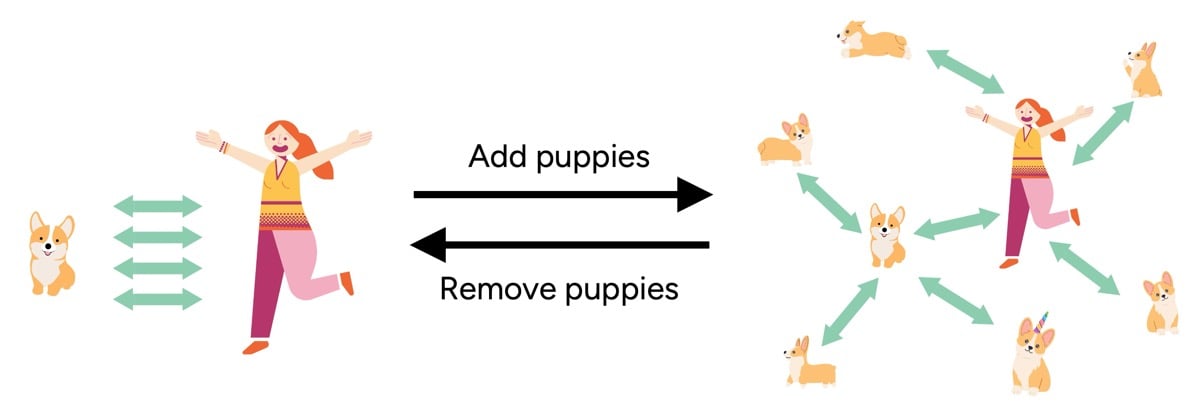
This phenomenon can be likened to a group of friends tightly holding hands. If many new, equally friendly individuals (water molecules) enter the group, the original friends might loosen their grip on each other to interact with the newcomers, temporarily weakening their original bond. Once the newcomers depart, the original friends can reconnect, and their bond strengthens again.
Water’s Impact on Hair Mechanics and Detangling
The alteration in temporary bonding directly influences hair’s mechanical properties. Dry hair, with its abundant internal bonds, is stiffer and more prone to brittleness. Conversely, wet hair, with fewer protein-protein bonds, becomes stretchier and more elastic. This difference has critical implications for common hair care practices, particularly detangling.
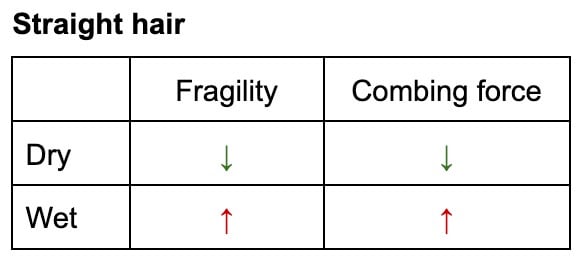
For straight hair, detangling when wet can be more damaging. Although wet hair is more elastic, its inherent weakness due to disrupted bonds makes it more susceptible to breakage under mechanical stress. Furthermore, water increases friction between individual strands, causing them to stick together, which intensifies the force required to comb through tangles. This increased friction, combined with reduced internal strength, makes wet combing a high-risk activity for straight hair types.
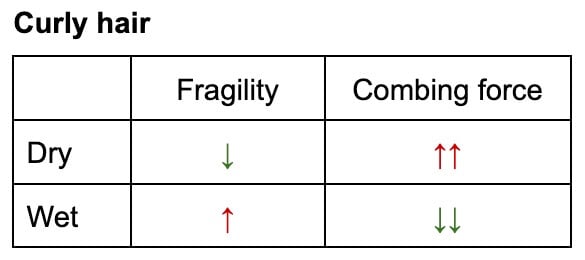
In stark contrast, for curly and coily hair textures, wet detangling is often less damaging. While the individual strands are indeed weaker when wet, the critical factor for these hair types is the reduction in resistance and tangling that water provides. The addition of water allows the curls to unfurl and separate more easily, reducing the overall force needed to glide a comb or fingers through the hair. The looser conformation of wet curly hair minimizes the inter-strand friction that causes knots and snags, offsetting the reduced strength of the individual fibers.
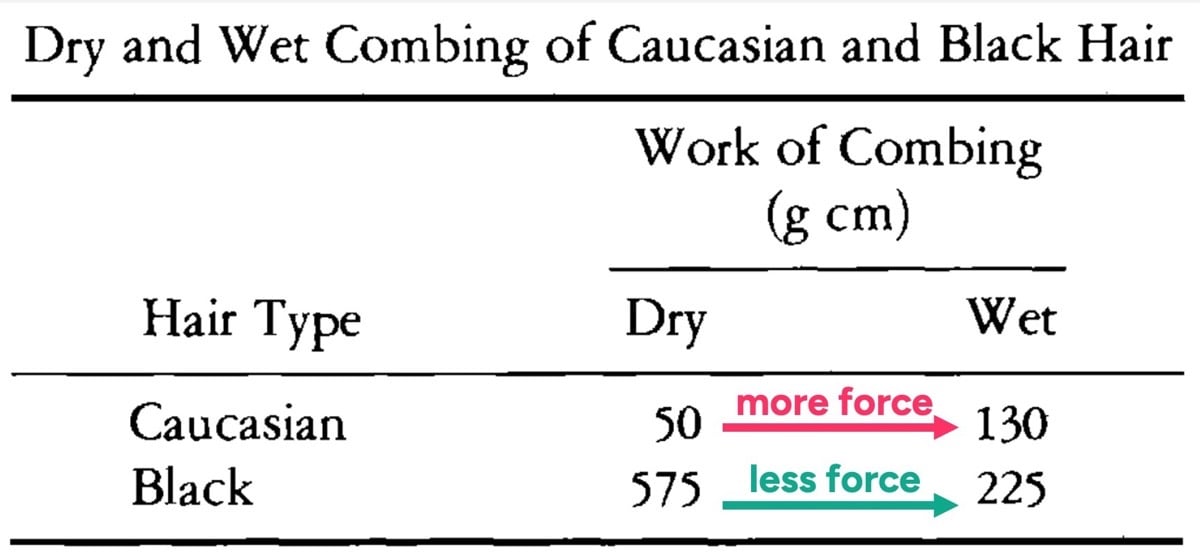
Research by Epps and Wolfram (1983) illustrated this nuanced response to moisture, showing how combing forces vary with humidity and hair type. Their findings reinforce that the ideal state for detangling is not universal but depends heavily on hair morphology. The judicious application of a conditioner further mitigates potential damage by coating the hair strands with lubricating ingredients, thereby reducing friction and the mechanical force needed for detangling, whether wet or dry.
The Cuticle and Sensory Perception of "Dryness"
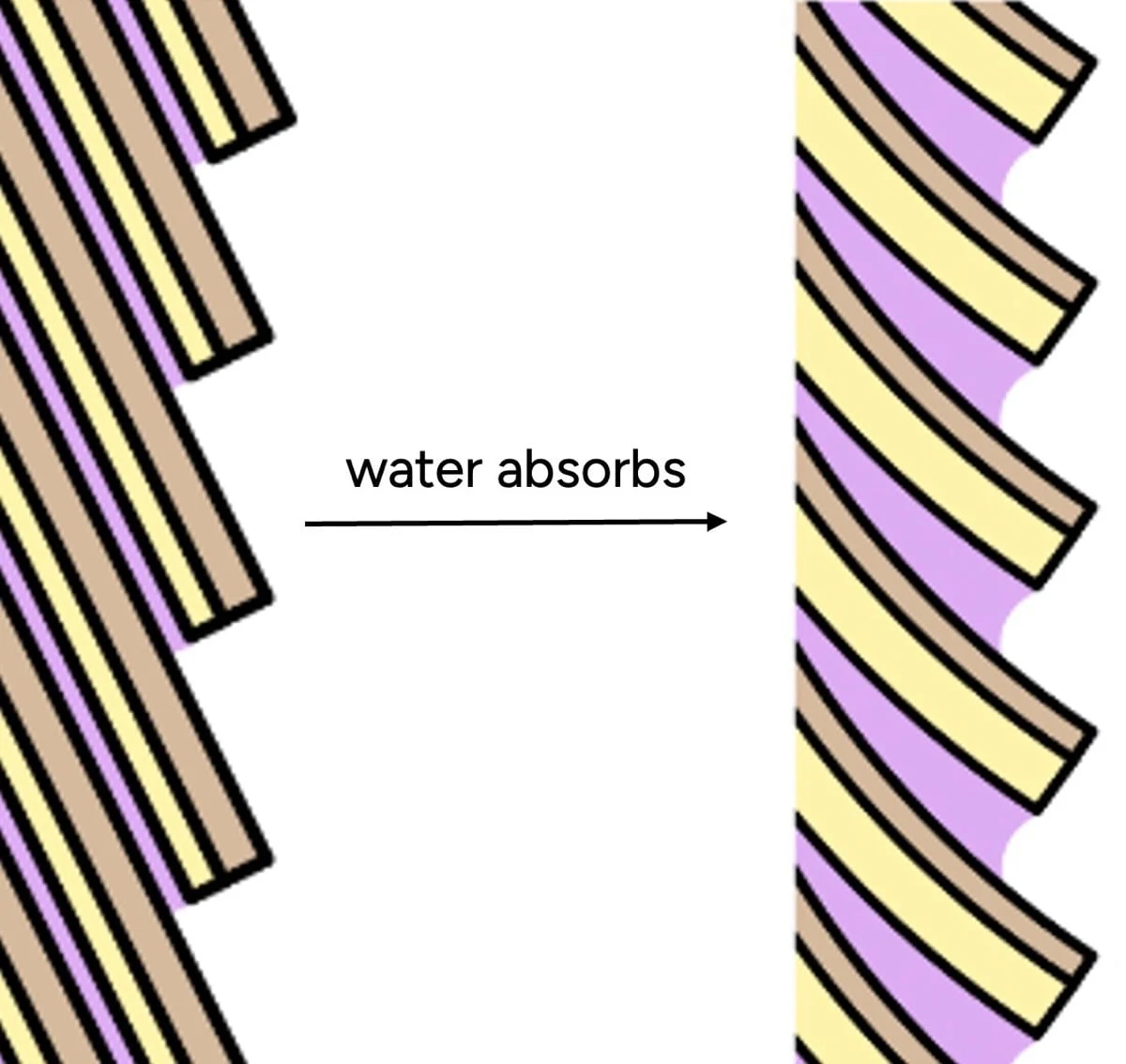
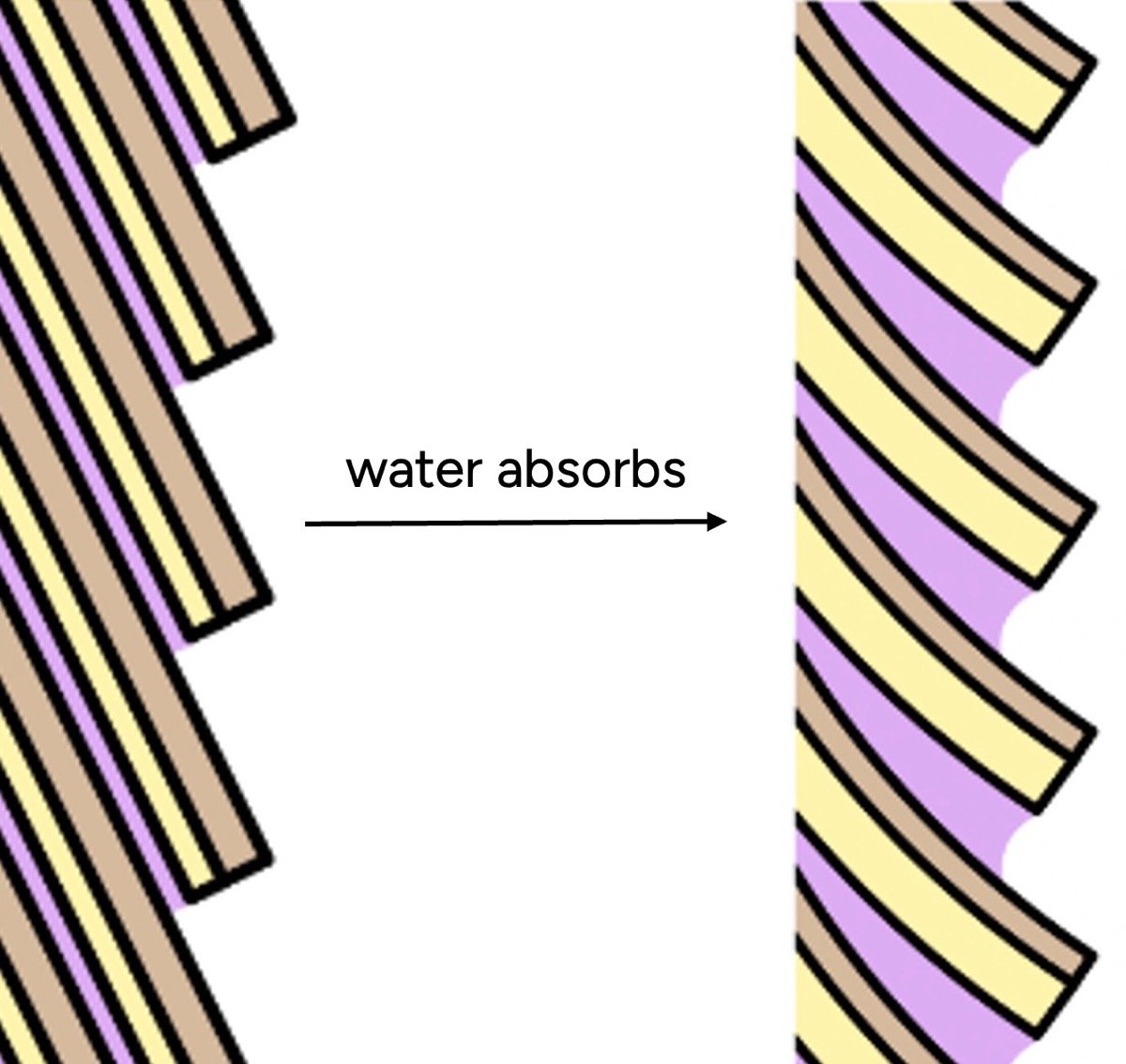
Beyond internal strength, water profoundly affects the hair’s outermost layer, the cuticle. The cuticle consists of overlapping, scale-like cells that normally lie flat, creating a smooth surface. When hair absorbs water, these cuticle scales swell, but not uniformly. The inner layers of each scale (endocuticle) and the adhesive material between scales (cell membrane complex) absorb significantly more water than the outer, more robust protein layers. This differential swelling causes the cuticle scales to lift and protrude, creating a microscopically rough and uneven surface.
Simultaneously, water itself is inherently sticky due to its surface tension and hydrogen bonding capabilities, contributing to increased friction between hair strands. This combination of a bumpy, lifted cuticle and increased inter-strand friction results in a tactile sensation that consumers typically associate with "dry" or "damaged" hair. This perception is often misleading because, paradoxically, hair exhibiting these characteristics may have a higher water content. Unlike many other materials we encounter, hair feels rougher and more abrasive when wet, which our brains often misinterpret as a lack of moisture. This explains why hair with less water content often feels softer, smoother, and healthier to the touch, as confirmed by the aforementioned consumer perception studies.
Decoding "Hydrating" Hair Products
Given this scientific understanding, the mechanisms behind "hydrating" hair products become clearer. Most products marketed for hydration function primarily as conditioners. They typically contain emollients, silicones, and fatty alcohols that deposit onto the hair cuticle. These ingredients act as lubricants, smoothing down the lifted cuticle scales and filling in surface irregularities. This creates a uniform, low-friction surface that feels soft, appears shiny, and is less prone to tangling.
Undamaged hair naturally possesses a protective outer layer, the F-layer (18-methyl eicosanoic acid), which provides lubricity and hydrophobicity. Damage to hair, through chemical treatments, heat styling, or mechanical stress, degrades this layer. Conditioners effectively mimic the F-layer, restoring a smooth, protective coating that enhances the hair’s tactile and visual properties, irrespective of its internal water content.
Water’s Role in Hair Reshaping and Styling
While direct internal "hydration" for softness is a myth, water plays a critical and beneficial role in hair care through its ability to reset and facilitate hair shaping. There are several mechanisms at play:
-
Distribution of Conditioning Agents: Water acts as an excellent vehicle for spreading conditioning ingredients evenly across the hair shaft. During a rinse-off conditioning process, the abundant water allows the product to disperse thoroughly, ensuring comprehensive coverage and optimal deposition of beneficial compounds.
-
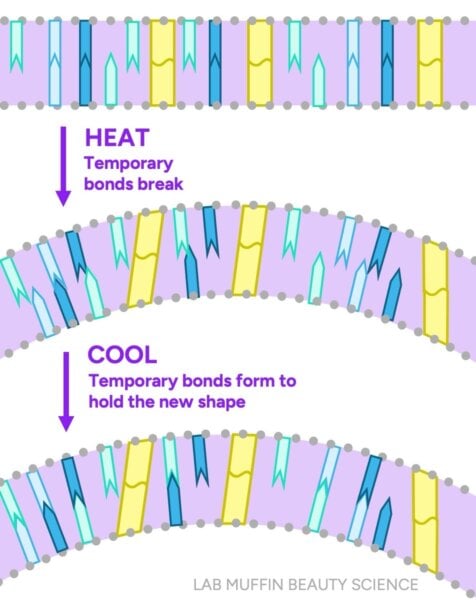
Resetting Hair Shape: Hair’s shape is largely dictated by the temporary bonds within its protein structure. Heat styling (e.g., with curling irons or straighteners) and environmental humidity influence the formation and breakage of these bonds. Water, particularly when combined with heat (as in washing), efficiently breaks these existing temporary bonds. This renders the hair highly pliable, allowing it to be reshaped into a new style. As the hair dries, new temporary bonds form, locking in the desired configuration. This explains why washing hair effectively removes previous styling and why humidity can quickly disrupt a meticulously styled look.
-
Enhanced Shaping for Curly Hair: For individuals with curly or coily hair, water is invaluable for promoting desirable curl patterns. The surface tension of water causes wet hair strands to adhere to one another, a phenomenon known as self-assembly. This "zipping together" of parallel strands into larger, more defined clumps is crucial for creating well-formed, frizz-free curls. When these larger, aligned clumps dry, they present a smoother, more uniform surface that can feel colder and smoother to the touch, which our brains may again interpret as "hydrated." This is analogous to how smooth fabrics feel cooler than rougher ones, or how it’s harder to discern if cold laundry is dry.
-
Microscopic Cuticle Reset: Rapid or improper drying, especially with high heat, can cause the cuticle scales to dry unevenly and potentially buckle. This microscopic distortion can lead to a rougher hair surface. Soaking hair in water and allowing it to dry naturally can help reset these buckled scales, promoting a smoother, more aligned cuticle structure. This effect is not about increasing permanent water content but about facilitating a structural realignment.
The Ideal Water Content: A Delicate Balance
Just as with skin, there is an optimal range for hair’s water content. Both extremes – too much or too little – can be detrimental. While wet hair is weaker and rougher due to internal bond disruption and cuticle swelling, hair that is excessively dry also suffers negative consequences:
-
Increased Static Build-up: In very low humidity environments, hair is more prone to static electricity. This occurs because dry hair readily loses electrons when rubbed against other materials, and without sufficient water to dissipate these charges, static builds up, leading to flyaways and frizz.
-
Brittleness and Reduced Shock Absorbency: Hair lacking adequate moisture becomes stiff and brittle. The abundance of unyielding internal bonds reduces its flexibility, making it less capable of absorbing mechanical shocks from brushing, combing, or everyday manipulation. This lack of resilience can lead to the formation of microscopic cracks, which accumulate over time and ultimately result in breakage. This phenomenon is observable in nails, which share similar protein composition with hair; dry nails are more prone to splintering and extended cracks when clipped compared to moist, flexible nails.
It’s crucial to differentiate hair from skin in this context: hair is a dead tissue, meaning it cannot actively regulate its water content like living skin cells. Its moisture uptake is passive, governed by environmental humidity and product application. Furthermore, the adverse effects of excess water manifest as weakness and roughness in hair, whereas overly wet skin becomes fragile and prone to crumbling.
Adjusting Hair’s Water Content and Properties
Achieving the "happy medium" of hair water content, or at least ensuring hair behaves as if it has optimal moisture, involves several strategies:
- Humectants: These ingredients (e.g., glycerin, hyaluronic acid) attract and hold water from the atmosphere, helping to maintain a balanced moisture level in the hair fiber, particularly in moderately humid conditions.
- Conditioners and Oils: As discussed, these products smooth the cuticle, reduce friction, and enhance the hair’s feel and appearance, mimicking the protective F-layer. Oils, such as coconut oil, can also penetrate the hair shaft, reducing protein loss during washing and potentially modulating water absorption, as suggested by studies like Kaushik et al. (2021).
- Hair Masks: Intensive treatments designed to provide deep conditioning and restorative benefits, often containing a higher concentration of conditioning agents and humectants.
- Gentle Drying Methods: Avoiding excessively hot or aggressive drying can prevent cuticle buckling and uneven shrinkage, promoting a smoother surface.
Key Takeaways for Informed Hair Care
Water is neither inherently "good" nor "bad" for hair; rather, it is a powerful tool whose effects are modulated by hair type, environmental conditions, and handling practices. It serves to temporarily soften hair’s structure, enabling manipulation and styling. The goal of effective hair care should not be to achieve "hydration" in the sense of maximizing internal water content, but to manage the hair’s interaction with water and external agents to optimize its mechanical and cosmetic properties.
For hair that feels smooth, soft, and appears healthy, the focus should be on conditioning and shaping to create a uniform, aligned surface. The specific marketing claims of "hydrating" on product labels are less important than the functional benefits delivered by conditioning ingredients. Consumers should not be unduly concerned about water itself causing "hygral fatigue," a scientifically unsubstantiated concept. Instead, the emphasis should be on treating hair gently when wet, as it is in its most vulnerable state. Liberal use of a good conditioner is paramount, especially when detangling, whether hair is wet or dry, to minimize mechanical stress and prevent damage.
By understanding the scientific realities of hair-water interactions, consumers can make more informed choices, moving beyond marketing jargon to embrace practices that genuinely support hair health and aesthetics.
