

Polycystic Ovary Syndrome (PCOS) remains one of the most prevalent endocrine disorders among women of reproductive age, affecting approximately 8% to 13% of the global female population. For those navigating this condition, the transition into pregnancy introduces a complex set of physiological challenges, including insulin resistance, chronic low-grade inflammation, and a heightened risk of metabolic complications. Clinical research increasingly emphasizes that specialized nutritional intervention through high-quality prenatal vitamins is not merely a supplement to a standard diet but a critical component in mitigating the specific risks associated with PCOS during the gestational period. Healthcare providers and reproductive specialists highlight that the right combination of vitamins and minerals can significantly improve egg quality, support fetal neural development, and stabilize maternal metabolic health.
The Metabolic Landscape of PCOS and Pregnancy
PCOS is characterized by hormonal imbalances, specifically elevated levels of androgens (male hormones) and insulin. When a woman with PCOS conceives, these baseline issues can exacerbate pregnancy-related changes. Statistics from the Centers for Disease Control and Prevention (CDC) and various fertility associations indicate that women with PCOS face a three-fold increase in the risk of developing gestational diabetes compared to those without the condition. Furthermore, the risk of pre-eclampsia—a serious blood pressure condition—is significantly higher in this demographic.
The objective of prenatal supplementation in the context of PCOS is two-fold: to provide the foundational building blocks for the fetus and to manage the mother’s underlying hormonal environment. By addressing specific deficiencies, such as Vitamin D and Omega-3 fatty acids, patients can potentially lower their inflammatory markers and improve insulin sensitivity, creating a more hospitable environment for the developing embryo.
A Chronological Approach to Prenatal Nutrition
The window for effective nutritional intervention begins long before a positive pregnancy test. Medical experts advocate for a "preconception-first" strategy, particularly for PCOS patients who may struggle with irregular ovulation and poor oocyte (egg) quality.
Preconception and the First Trimester
During the preconception phase, the focus is on optimizing the internal environment for fertilization. Research suggests that the three months prior to conception are vital, as this is the duration required for an egg to mature. Supplements containing Coenzyme Q10 (CoQ10) and Inositol (specifically Myo-inositol) are often recommended during this stage to enhance mitochondrial function in the eggs and regulate insulin levels.

Once pregnancy is confirmed, the first trimester requires an immediate and consistent intake of folate. Folate is essential for the closure of the neural tube, which occurs within the first 28 days of pregnancy—often before a woman is aware she is pregnant. For women with PCOS, who may have metabolic pathways that struggle with synthetic folic acid, many practitioners recommend "methylated" folate (5-MTHF) for better absorption.
The Second and Third Trimesters
As the pregnancy progresses, the demand for iron and calcium increases. The mother’s blood volume expands by nearly 50% during pregnancy, necessitating higher iron levels to transport oxygen to the fetus. In the third trimester, fetal skeletal development accelerates, drawing heavily on the mother’s calcium stores. For the PCOS patient, maintaining these levels is crucial to prevent maternal bone density loss and manage blood pressure.
Critical Nutrients: Data and Recommendations
The American Pregnancy Association (APA) and the American College of Obstetricians and Gynecologists (ACOG) have established core nutrient guidelines that serve as the benchmark for prenatal supplements. However, for PCOS patients, these dosages often represent the minimum requirement rather than the optimal level.

Folate (Folic Acid)
Folate is a B-vitamin responsible for DNA synthesis and repair. While the standard recommendation is 400 micrograms (mcg) daily, some high-risk PCOS patients may be prescribed higher doses. Beyond preventing neural tube defects, folate has been linked to a reduced risk of congenital heart defects and oral clefts. Data indicates that consistent folate supplementation can reduce the risk of neural tube defects by up to 70%.
Vitamin D
Vitamin D functions more like a hormone than a vitamin, playing a central role in insulin signaling and immune function. Clinical studies show that approximately 80% of women with PCOS are Vitamin D deficient. Deficiency in this nutrient is strongly correlated with increased insulin resistance and higher androgen levels. The recommended daily amount for pregnant women is 4,000 IU, though patients should have their levels tested to determine if a higher therapeutic dose is required.
Omega-3 Fatty Acids (DHA and EPA)
Omega-3s are essential for fetal brain and eye development. For the mother, these fatty acids are powerful anti-inflammatory agents. Since PCOS is a pro-inflammatory state, Omega-3s help neutralize systemic inflammation, which can improve insulin sensitivity and lower the risk of preterm labor. A daily intake of at least 300 mg of DHA is the standard clinical recommendation.
Iron and Calcium
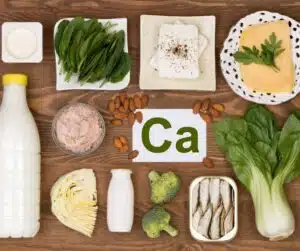
Iron needs jump from 18 mg to 27 mg per day during pregnancy. Anemia is a common complication that can lead to low birth weight and maternal fatigue. Calcium, with a recommended daily intake of 1,000 mg, is vital for preventing hypertensive disorders. Because iron and calcium can compete for absorption, many prenatal regimens suggest taking them at different times of the day.
Analysis of Leading Prenatal Supplements for PCOS
Market analysis of prenatal vitamins reveals three products that frequently appear in clinical recommendations due to their ingredient transparency and bioavailability.
1. TheraNatal Complete (Theralogix)
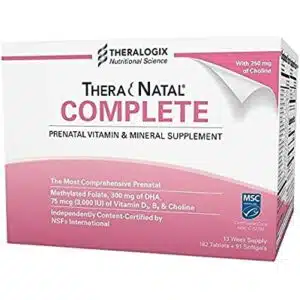
TheraNatal Complete is often cited as the gold standard for PCOS prenatal care. Produced by Theralogix—the manufacturers of the widely used PCOS supplement Ovasitol—this product is independently tested by NSF International. It contains methylated folate, a high dose of Vitamin D (3,000 IU), and 300 mg of DHA. Its inclusion of Vitamin B6 is also beneficial for managing morning sickness, a common issue in the first trimester.
2. Pink Stork Total Prenatal Vitamin
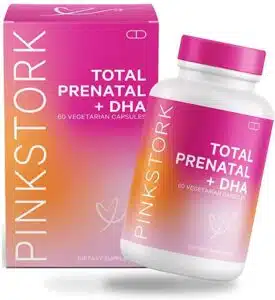
Pink Stork focuses on a comprehensive nutrient profile that includes not just the core vitamins, but also trace minerals like zinc, selenium, and chromium. Chromium is of particular interest to PCOS patients as it plays a role in glucose metabolism. This formulation is designed to be gentle on the stomach, utilizing food-based ingredients to enhance absorption.
3. Nature Made Prenatal with Folic Acid + DHA
Nature Made offers a budget-friendly, USP-verified option that meets the basic requirements of the APA. While it may lack the methylated folate found in premium brands, it provides a solid foundation of 200 mg of DHA and 27 mg of iron in a single softgel, making it an accessible choice for long-term use.
Official Responses and Medical Consensus
The medical community maintains that while supplements are vital, they must be part of a broader management strategy. Organizations like the Androgen Excess and PCOS Society emphasize that "supplements cannot out-supplement a poor diet." The consensus among reproductive endocrinologists is that a low-glycemic load diet, combined with regular moderate exercise, works synergistically with prenatal vitamins to manage insulin levels.
Furthermore, the FDA does not regulate supplements with the same rigor as pharmaceuticals. Therefore, medical professionals urge patients to look for "Third-Party Testing" labels (such as USP or NSF) to ensure that the bottle’s contents match the label and are free from contaminants like heavy metals, which can be particularly harmful during fetal development.
Broader Impact and Long-term Implications
The implications of proper prenatal nutrition for PCOS extend beyond the birth of the child. Emerging research into "epigenetic programming" suggests that the metabolic environment of the womb can influence the child’s health later in life. Children born to mothers with unmanaged PCOS and high insulin levels may have a higher predisposition to obesity and Type 2 diabetes. By utilizing targeted prenatal vitamins to stabilize the intrauterine environment, mothers are potentially providing their children with a healthier metabolic starting point.
Additionally, the use of preconception vitamins like TheraNatal OvaVite, which includes CoQ10, addresses the "egg quality" hurdle that many PCOS patients face. By improving the energy production within the mitochondria of the egg, these vitamins can reduce the time to conception and lower the risk of early pregnancy loss, which is statistically higher in the PCOS population.

Conclusion
Managing PCOS during the journey to motherhood requires a proactive and informed approach to nutrition. Prenatal vitamins serve as a critical safety net, ensuring that both mother and baby receive the essential nutrients required to navigate the unique metabolic demands of a PCOS pregnancy. While folate, iron, and calcium remain the pillars of prenatal care, the addition of Vitamin D and Omega-3s provides the specific support needed to combat inflammation and insulin resistance. As clinical understanding of PCOS continues to evolve, the integration of specialized supplementation remains a cornerstone of successful reproductive health outcomes. Patients are encouraged to consult with their healthcare providers to tailor their supplement regimen to their specific bloodwork and metabolic needs, ensuring a safe and healthy pregnancy.
