
As the world navigates the persistent challenges of the COVID-19 pandemic, its multifaceted impact continues to reshape daily life, influencing everything from food security and economic stability to mental well-being. While definitive scientific links between specific dietary choices and COVID-19 risk reduction remain elusive, the importance of a robust immune system, bolstered by a healthy lifestyle, has never been more apparent. Beyond its role in immune defense, a consistent commitment to key health habits has been demonstrably linked to significant improvements in longevity and quality of life. Research consistently highlights that individuals who embrace five core practices – maintaining a nutritious diet, engaging in regular physical activity, achieving and sustaining a healthy body weight, moderating alcohol consumption, and abstaining from smoking – not only extend their lifespans but also enhance their years free from debilitating chronic diseases. Studies, including those published by Harvard T.H. Chan School of Public Health, indicate that adults adopting these habits in middle age can anticipate living over a decade longer and experience a substantial increase in years free from conditions such as type 2 diabetes, cardiovascular disease, and various forms of cancer.
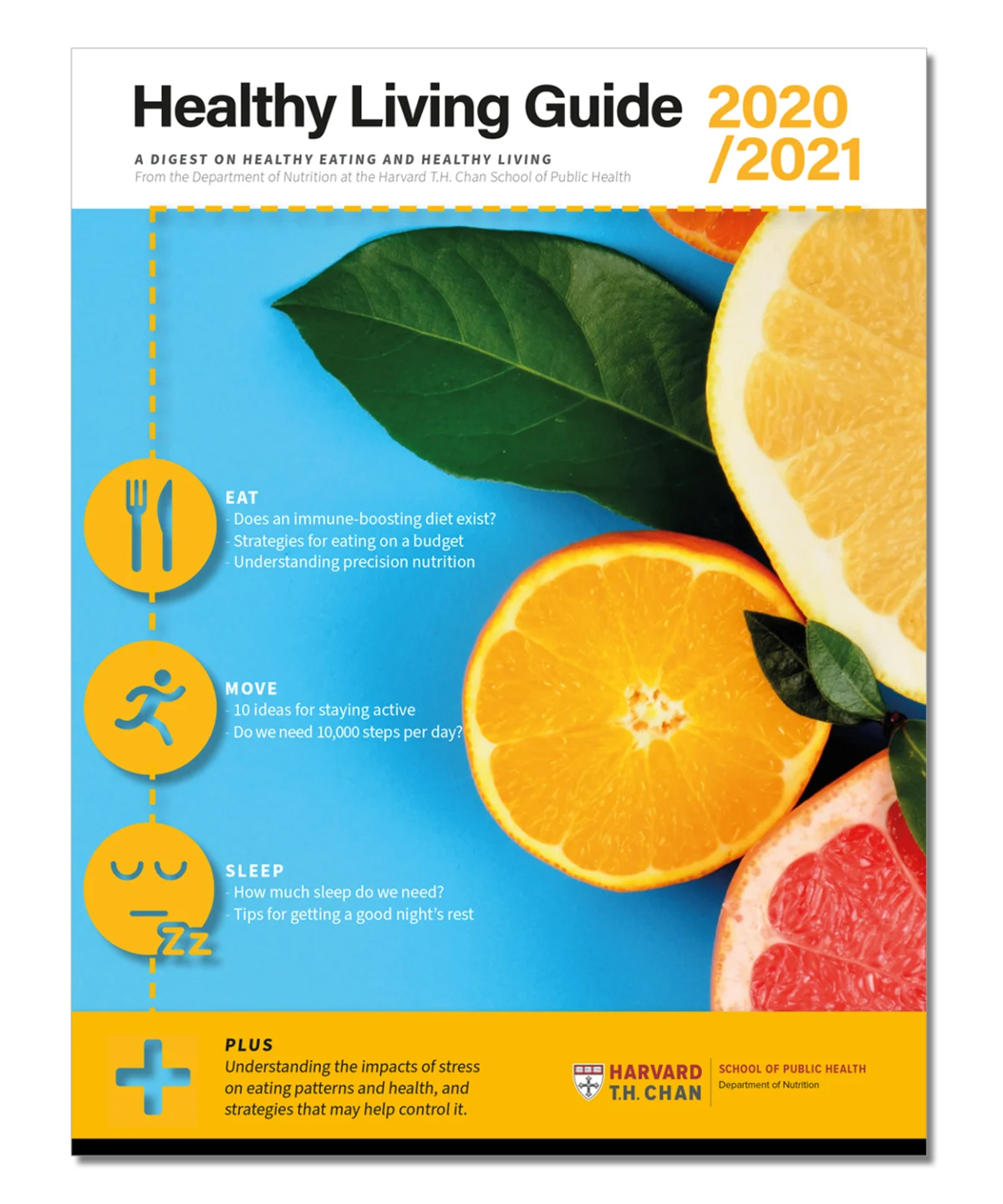
The inherent difficulty in adhering to healthy practices, particularly amidst widespread uncertainty and disruption, underscores the need for accessible and practical guidance. Recognizing this, resources like the "Healthy Living Guide" have been developed to offer actionable strategies and supportive information. The overarching aim is to empower individuals to prioritize their well-being, even when faced with unprecedented circumstances. The guide encourages a proactive approach, suggesting that even small steps, such as exploring new recipes, incorporating new forms of exercise, or cultivating a meaningful hobby, can contribute to both physical health and overall life satisfaction. This commitment to promoting healthy living is not a new phenomenon, but its urgency and relevance have been amplified by the global health crisis.
The Enduring Impact of the COVID-19 Pandemic on Health Behaviors
The onset of the COVID-19 pandemic in early 2020 marked a watershed moment, necessitating widespread societal adjustments. Lockdowns, social distancing measures, and economic volatility created new stressors and barriers to maintaining established healthy routines. For many, access to nutritious food became a significant concern due to supply chain disruptions and financial strain. Gym closures and restrictions on public gatherings limited opportunities for physical activity, while increased isolation and anxiety contributed to emotional distress, which can often manifest in unhealthy coping mechanisms, including changes in eating habits and increased substance use.
A review of public health data from the initial phases of the pandemic revealed a concerning trend in certain health behaviors. For instance, surveys conducted in the United States indicated a rise in reported instances of emotional eating and a decline in overall physical activity levels among a significant portion of the population. The World Health Organization (WHO) has consistently emphasized the critical role of a balanced diet rich in fruits, vegetables, whole grains, and lean proteins in supporting immune function. Micronutrients like Vitamin C, Vitamin D, and zinc, as well as macronutrients, play vital roles in the complex biological processes that defend the body against pathogens. Therefore, disruptions to healthy eating patterns could potentially compromise this natural defense system.
Scientific Foundations: Longevity and Disease Prevention Through Healthy Habits
The assertion that five key lifestyle habits can significantly enhance longevity and reduce the burden of chronic diseases is supported by a robust body of scientific evidence accumulated over decades. Landmark studies, such as the Nurses’ Health Study and the Health Professionals Follow-up Study, have provided invaluable insights into the long-term effects of lifestyle choices on health outcomes. These prospective cohort studies, which have followed tens of thousands of participants for many years, have consistently demonstrated the profound protective effects of a healthy lifestyle.
Specifically, research has quantified the gains in life expectancy associated with adopting these habits. For example, a comprehensive analysis published in the Archives of Internal Medicine (now JAMA Internal Medicine) in 2012 estimated that men who followed five healthy habits could live up to 12.7 years longer, and women up to 14.1 years longer, than those who did not. This extended lifespan is not merely a matter of duration but also of quality. The same study found that individuals adhering to these habits experienced a significant reduction in the incidence of major chronic diseases. This implies a greater number of years lived in good health, free from the limitations and suffering associated with conditions like heart disease, stroke, diabetes, and cancer.
The interplay between these five habits is synergistic. For example, maintaining a healthy weight is often a consequence of a balanced diet and regular exercise. Similarly, moderate alcohol consumption and avoiding smoking contribute to overall physiological well-being, reducing systemic inflammation and oxidative stress, both of which are implicated in the development of chronic diseases. The reduction in chronic disease burden is a crucial implication, as these conditions are leading causes of mortality and morbidity worldwide, placing immense strain on healthcare systems and significantly impacting individuals’ quality of life.
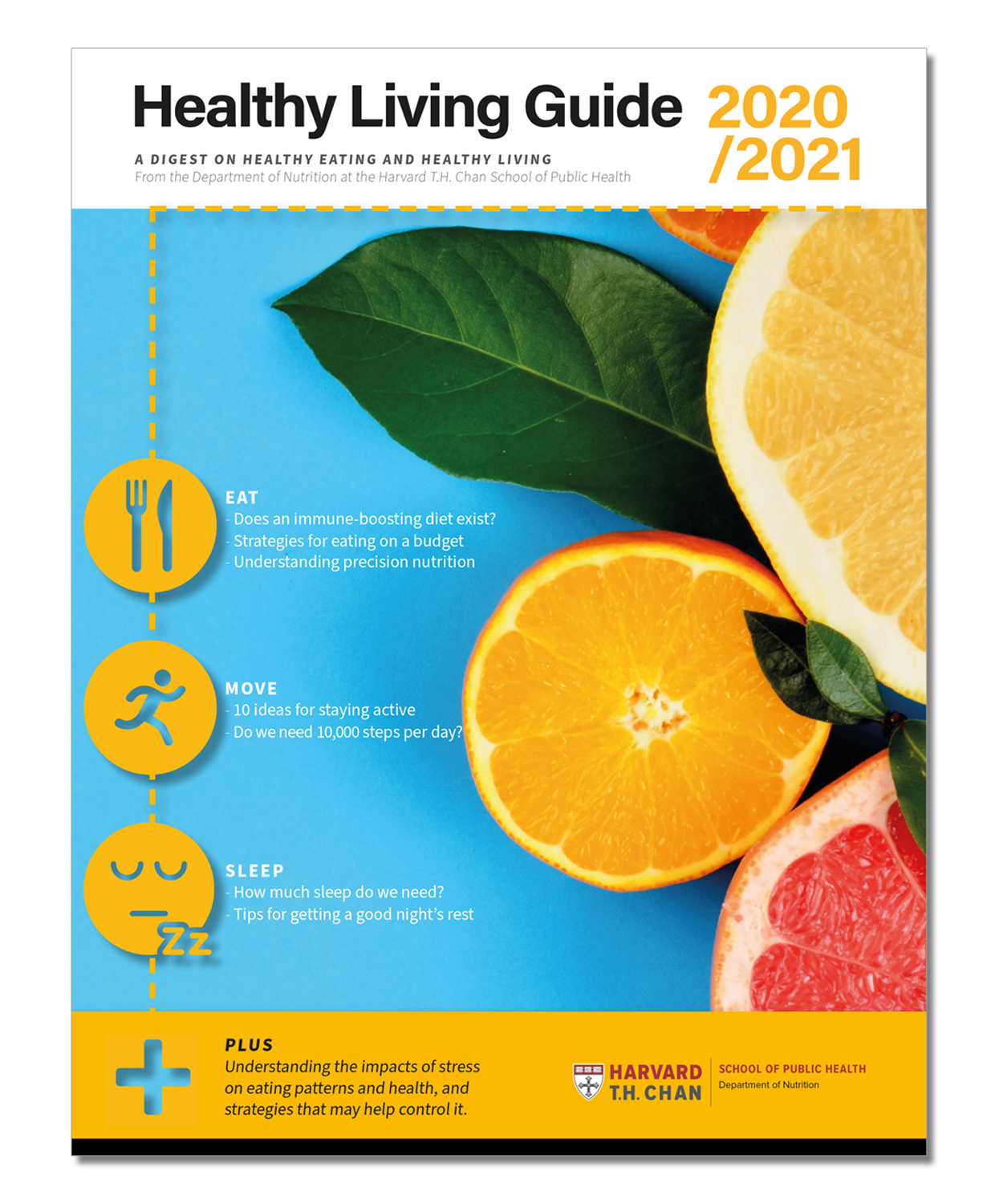
The "Healthy Living Guide": A Practical Toolkit for the Modern Era
The "Healthy Living Guide," as exemplified by the resource from Harvard’s Nutrition Source, serves as a practical response to the challenges of maintaining healthy habits. Such guides typically offer a blend of evidence-based information and user-friendly tools designed to facilitate behavioral change. The downloadable PDF format, often accompanied by printable tip sheets and summaries, caters to diverse learning preferences and accessibility needs. This approach acknowledges that information alone is often insufficient; practical application and ongoing support are key.
The inclusion of elements like a "Healthy Living Bingo Challenge," as depicted in the accompanying image, signifies an innovative approach to engagement. Gamification techniques can transform potentially daunting health goals into enjoyable challenges, fostering a sense of accomplishment and encouraging consistent participation. This is particularly relevant in times of stress, where motivation can wane. By breaking down healthy habits into smaller, achievable goals represented on a bingo card, individuals are encouraged to incorporate a variety of healthy practices into their daily routines. For instance, squares might include "try a new vegetable," "walk for 30 minutes," "drink 8 glasses of water," "get 7 hours of sleep," or "practice mindful eating." Completing rows or the entire card provides tangible feedback and reinforces positive behaviors.
The development of such guides is often a collaborative effort, drawing on expertise from nutritionists, exercise physiologists, public health experts, and behavioral scientists. Their creation reflects a commitment to translating complex scientific findings into accessible and actionable advice for the general public. The timing of their release, often coinciding with periods of increased health consciousness, such as the New Year or in response to global health events, further underscores their role in public health promotion.
Broader Implications and Future Directions
The sustained emphasis on healthy eating and living, particularly in the context of ongoing health crises, has significant broader implications. It highlights the interconnectedness of individual health with public health outcomes. When a population is healthier, it is more resilient to disease outbreaks, experiences lower healthcare costs, and benefits from increased productivity and overall societal well-being.
The pandemic has also accelerated innovation in health promotion. Telehealth, online fitness classes, and digital health applications have become more mainstream, offering new avenues for individuals to access health information and support. This digital transformation presents opportunities to reach wider audiences and provide more personalized interventions.
Looking ahead, the focus on healthy lifestyle habits is likely to intensify. Public health initiatives will increasingly aim to address the social determinants of health that influence people’s ability to adopt and maintain these habits, such as access to affordable healthy food, safe environments for physical activity, and comprehensive health education. The ongoing research into the microbiome and its influence on immunity and overall health will also undoubtedly shape future recommendations for healthy eating.
Ultimately, the message conveyed by resources like the "Healthy Living Guide" is one of empowerment. While external factors can create challenges, individuals retain a significant degree of agency in shaping their health trajectory. By embracing evidence-based principles of healthy eating and living, and by utilizing the practical tools and strategies available, people can not only navigate current health challenges more effectively but also build a foundation for a longer, healthier, and more fulfilling life. The continuous effort to disseminate this knowledge and support its application is a critical component of building a more resilient and healthier global community. The long-term success of these efforts will be measured not only in reduced rates of chronic disease but also in the enhanced vitality and well-being of individuals across all stages of life.
