

Polycystic Ovary Syndrome (PCOS) remains one of the most prevalent endocrine disorders among women of reproductive age, affecting approximately 8% to 13% of the global population. Characterized by a combination of hyperandrogenism, ovulatory dysfunction, and polycystic ovarian morphology, the condition is frequently compounded by significant metabolic challenges. For many patients, the most visible and distressing manifestation is weight gain, particularly centralized adiposity, which often proves resistant to traditional caloric restriction and exercise. Recent clinical research and medical discourse have increasingly shifted toward integrative management strategies, highlighting the efficacy of specific nutritional supplements in addressing the underlying hormonal and metabolic drivers of PCOS-related weight retention.
The Pathophysiology of PCOS and Weight Resistance
To understand why weight loss is uniquely difficult for those with PCOS, it is necessary to examine the syndrome’s impact on the endocrine system. According to the Rotterdam Criteria, the diagnostic standard for PCOS, the condition is not merely a reproductive issue but a systemic metabolic one. Up to 70% of women with PCOS exhibit some degree of insulin resistance, regardless of their body mass index (BMI). Insulin, a hormone responsible for regulating blood glucose, becomes less effective at moving sugar into cells for energy. In response, the pancreas overproduces insulin, leading to hyperinsulinemia.
High levels of circulating insulin act as a growth-promoting hormone that signals the body to store fat, particularly in the abdominal region. Furthermore, hyperinsulinemia stimulates the ovaries to produce excess androgens, such as testosterone. This creates a feedback loop: excess androgens promote abdominal fat storage, and abdominal fat increases insulin resistance. This hormonal environment alters hunger signaling, often increasing the production of ghrelin (the hunger hormone) and decreasing the effectiveness of leptin (the satiety hormone), making weight management a biological rather than merely a behavioral struggle.
A Chronology of PCOS Management
The medical community’s approach to PCOS has evolved significantly over the last half-century. In the 1930s, when the condition was first described as Stein-Leventhal Syndrome, the focus was almost entirely on surgical interventions for the ovaries. By the 1960s and 70s, the focus shifted to hormonal regulation via oral contraceptives. It was not until the late 1990s and early 2000s that the link between PCOS and insulin resistance was firmly established, leading to the use of insulin-sensitizing medications like Metformin.
In the last decade, a growing body of evidence has supported the use of nutraceuticals—supplements with medicinal properties—to manage the metabolic facets of the disorder. As patients seek alternatives to medications with gastrointestinal side effects, five specific supplements have emerged as frontrunners in clinical efficacy for weight loss and hormonal balance.

1. Inositol: The Insulin-Sensitizing Powerhouse
Inositol, historically referred to as Vitamin B8, is a carbocyclic sugar that plays a fundamental role as a secondary messenger in insulin signaling. In the context of PCOS, two specific isomers—Myo-inositol (MI) and D-chiro-inositol (DCI)—are of paramount importance. Clinical data suggest that women with PCOS often have a deficiency in these isomers or a defect in the enzyme that converts MI to DCI.
Research published in the journal Endocrine Practice indicates that a 40:1 ratio of Myo-inositol to D-chiro-inositol is the most effective for restoring ovulation and improving insulin sensitivity. By enhancing the body’s response to insulin, inositol reduces the compensatory hyperinsulinemia that drives weight gain. Furthermore, inositol has been shown to reduce cravings and improve the lipid profile, making it a cornerstone of metabolic PCOS therapy. Unlike Metformin, inositol is generally well-tolerated, with a significantly lower incidence of gastrointestinal distress.
2. N-acetylcysteine (NAC): Antioxidant and Metabolic Support
N-acetylcysteine (NAC) is a derivative of the amino acid L-cysteine and a precursor to glutathione, the body’s most potent endogenous antioxidant. While NAC has long been used in emergency medicine to treat acetaminophen overdoses and in pulmonology as a mucolytic agent, its role in PCOS is tied to its ability to combat oxidative stress and improve glucose metabolism.
In a systematic review of randomized controlled trials, NAC was found to be as effective as Metformin in reducing BMI and fasting blood glucose levels in women with PCOS. By reducing oxidative stress in the tissues, NAC improves the insulin receptor’s sensitivity. Additionally, NAC has been noted for its ability to lower testosterone levels, thereby mitigating the androgen-driven fat storage patterns. Clinical dosages typically range from 600 mg to 1,800 mg daily, divided into multiple doses to maintain steady plasma levels.
3. Omega-3 Fatty Acids: Reducing Systemic Inflammation
Chronic, low-grade inflammation is a hallmark of PCOS. This inflammation is both a cause and a consequence of weight gain. Omega-3 fatty acids, primarily Eicosapentaenoic acid (EPA) and Docosahexaenoic acid (DHA) found in fish oil, are essential fats that the human body cannot synthesize.
The benefits of Omega-3s for PCOS are multi-faceted. First, they improve the fluidity of cell membranes, which enhances insulin receptor binding. Second, they have a direct anti-inflammatory effect by inhibiting the production of pro-inflammatory cytokines. A study published in Reproductive Biology and Endocrinology found that Omega-3 supplementation significantly reduced waist circumference and BMI in overweight women with PCOS. Beyond weight, these fatty acids are critical for cardiovascular health, which is a major concern for PCOS patients who face an increased lifetime risk of heart disease and stroke.
4. Berberine: A Botanical Alternative to Metformin
Berberine is a bioactive compound extracted from several different plants, including the Berberis aristata (tree turmeric) and Goldenseal. In recent years, it has gained attention as a potent "AMPK activator." Adenosine Monophosphate-activated Protein Kinase (AMPK) is an enzyme often called a "metabolic master switch" because it regulates how energy is produced and used by cells.
Clinical trials comparing Berberine to Metformin have shown that Berberine is equally effective at improving insulin sensitivity and lowering blood glucose. However, Berberine may have an advantage in weight loss; it has been shown to inhibit adipogenesis (the creation of new fat cells) and improve the health of the gut microbiome. A study in the Journal of Clinical Endocrinology & Metabolism reported that women with PCOS taking Berberine saw a greater reduction in visceral fat and a more significant improvement in lipid profiles than those taking Metformin alone.
5. Vitamin D: The Hormonal Regulator
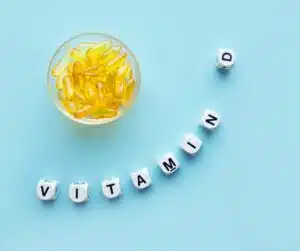
Despite its name, Vitamin D functions more like a pro-hormone than a traditional vitamin. Receptors for Vitamin D are found in almost every tissue in the body, including the ovaries and the pancreas. It is estimated that 67% to 85% of women with PCOS are deficient in Vitamin D.
Low levels of Vitamin D are strongly correlated with insulin resistance, obesity, and reduced ovulatory frequency. Supplementation has been shown to improve the maturation of follicles in the ovaries and enhance the insulin-secreting capacity of the pancreas. For weight loss, Vitamin D is essential because it plays a role in the regulation of calcium, which in turn influences fat metabolism. Adequate levels of Vitamin D are also linked to improved mood and energy levels, which can indirectly support weight loss efforts by increasing a patient’s capacity for physical activity and adherence to nutritional plans.
Broader Implications and Medical Analysis
The integration of these supplements into PCOS care represents a significant shift toward personalized medicine. However, medical professionals emphasize that supplements are not a "magic pill" but rather tools to correct the biological imbalances that make lifestyle changes difficult to sustain.
The economic impact of PCOS is substantial. A study published in the Journal of Clinical Endocrinology & Metabolism estimated that the annual cost of PCOS in the United States alone is approximately $8 billion, much of which is driven by the long-term complications of the disorder, such as Type 2 diabetes and gestational complications. By addressing weight and insulin resistance early through targeted supplementation and lifestyle intervention, the medical community hopes to reduce the long-term morbidity associated with the syndrome.
Furthermore, the psychological impact cannot be overlooked. The frustration of "weight loss resistance" often leads to cycles of restrictive dieting and binge eating, which further exacerbate the metabolic damage. When supplements help stabilize blood sugar and reduce cravings, they provide patients with the psychological "breathing room" necessary to develop a sustainable, healthy relationship with food and exercise.
Official Responses and Guidelines
Leading health organizations, including the American College of Obstetricians and Gynecologists (ACOG) and the Endocrine Society, continue to recommend lifestyle modification—specifically diet and exercise—as the primary therapy for PCOS. However, the 2023 International Evidence-based Guideline for the Assessment and Management of Polycystic Ovary Syndrome has acknowledged the growing role of inositol and other metabolic supports.
Medical experts caution that the supplement industry is not regulated with the same rigor as pharmaceuticals. Therefore, patients are urged to seek third-party tested products (such as those certified by USP or NSF) to ensure purity and potency. Furthermore, because supplements like Berberine and Inositol can significantly lower blood sugar, they may interact with existing prescriptions like Metformin or insulin. Consultation with a healthcare provider is essential to determine appropriate dosages and monitor for potential side effects, such as the gastrointestinal upset sometimes associated with NAC or the headaches occasionally reported with high-dose inositol.
Conclusion
Losing weight with PCOS is a complex physiological challenge that extends far beyond caloric mathematics. The syndrome’s inherent insulin resistance and hormonal imbalances create a metabolic environment that actively resists fat loss. By utilizing the specific mechanisms of Inositol, NAC, Omega-3s, Berberine, and Vitamin D, women with PCOS can begin to neutralize the hormonal barriers to weight loss. As research continues to validate these natural interventions, the outlook for managing PCOS shifts from a focus on symptom suppression to a more holistic restoration of metabolic and reproductive health. Through a combination of evidence-based supplementation, nutritional strategy, and medical oversight, the battle against PCOS-related weight gain becomes a winnable one.
