
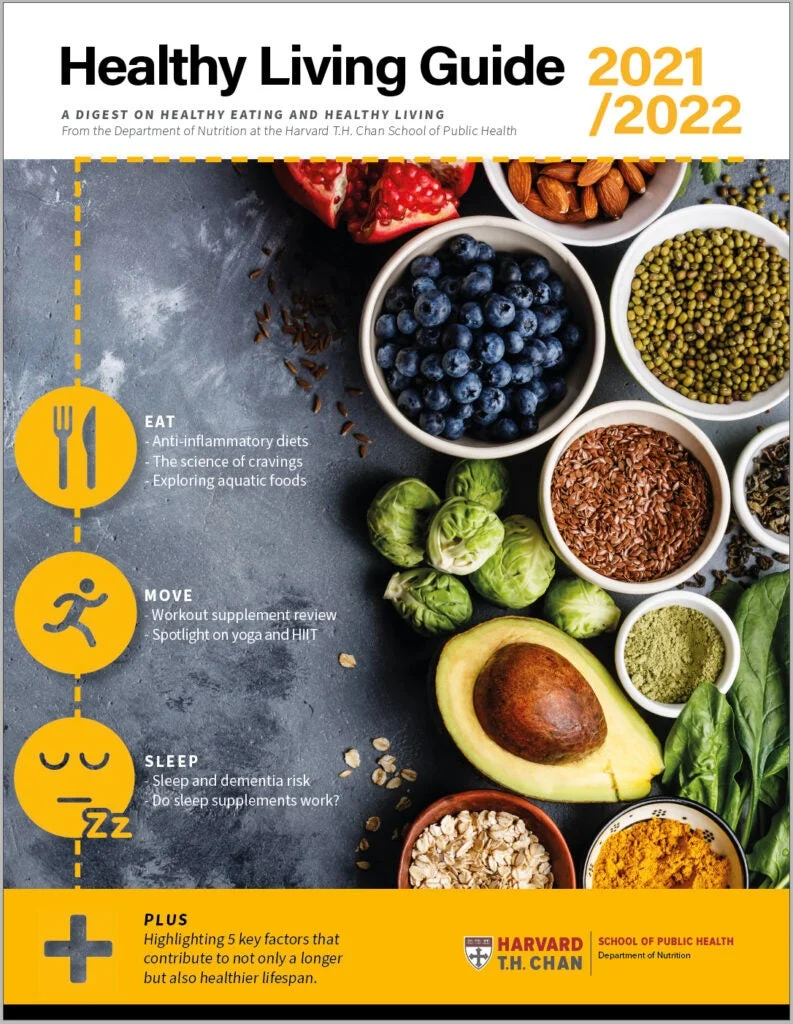
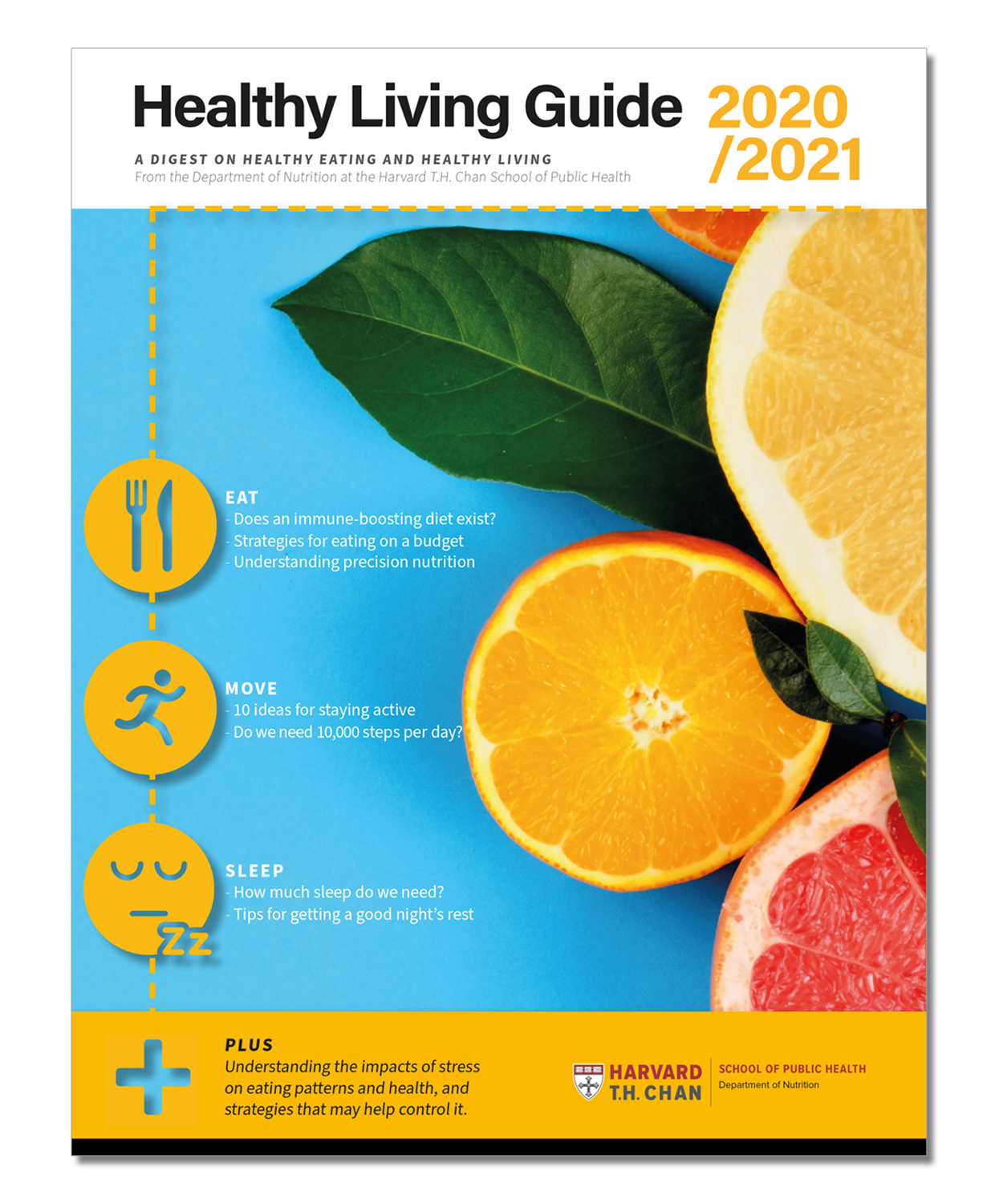
As the global community navigated the unprecedented challenges of 2020 and transitioned into 2021, the pervasive influence of the COVID-19 pandemic continued to reshape nearly every facet of human existence. This ongoing health crisis, characterized by its widespread and varied impacts, has presented individuals with a spectrum of unique and often profound disruptions. These include significant challenges in accessing nutritious food, considerable income volatility, and heightened levels of emotional and psychological distress. While direct, conclusive scientific evidence linking specific dietary patterns to a reduced risk of contracting COVID-19 remains elusive, the fundamental importance of maintaining robust immune function through a healthy lifestyle has been underscored by public health experts.
Beyond its direct role in immune defense, a wealth of research consistently demonstrates the profound long-term benefits of adopting five core healthy habits. A landmark study published by Harvard T.H. Chan School of Public Health revealed that individuals who consistently adhere to these practices—namely, consuming a healthy diet, engaging in regular physical activity, maintaining a healthy body weight, limiting alcohol consumption, and abstaining from smoking—can expect to live, on average, more than a decade longer than their counterparts who do not adopt these habits. Furthermore, the benefits extend beyond mere longevity. Emerging research indicates that cultivating these five key lifestyle pillars during middle age significantly enhances the quality of life by increasing the number of years lived free from chronic, debilitating diseases. This includes a reduced incidence of conditions such as type 2 diabetes, cardiovascular diseases, and various forms of cancer.
The aspiration to adopt and maintain healthy habits, however, often proves to be a formidable undertaking. Recognizing this inherent difficulty, the Healthy Living Guide was developed with the explicit objective of providing practical, actionable tips and strategic approaches to facilitate this journey. In times marked by heightened uncertainty and ongoing global disruption, individuals are encouraged to implement these healthy practices to the best of their ability. The guide implicitly suggests that by embracing new recipes, incorporating regular exercise, or cultivating fulfilling hobbies, there is an opportunity not only to enhance well-being but also to discover sources of enjoyment and personal satisfaction amidst challenging circumstances.
The comprehensive Healthy Living Guide, available for download as a printable PDF, offers a collection of tip sheets and concise summaries. For those seeking more in-depth information, the guide also provides direct access to full online articles through integrated links. This resource is designed to be a multifaceted tool, catering to various learning preferences and offering a wealth of information to support individuals in their pursuit of a healthier existence.
The Enduring Significance of Healthy Lifestyle Habits
The scientific consensus on the benefits of a healthy lifestyle has solidified over decades of rigorous research. The five key habits highlighted in the guide—diet, exercise, weight management, alcohol moderation, and smoking cessation—are not merely recommendations but are pillars of preventive health. Their collective impact on longevity and disease-free living is substantial.
Supporting Data on Longevity and Disease Prevention:
- Increased Lifespan: Studies, including those referenced by Harvard, consistently show that individuals adhering to these five habits can add as much as 10-14 years to their life expectancy. For example, a study analyzing data from over 120,000 participants over a 30-year period found that those who adopted all five habits experienced a significantly lower mortality rate.
- Reduced Chronic Disease Burden: The impact on chronic diseases is equally compelling. Research indicates that adopting a healthy lifestyle in middle age can delay the onset of conditions like heart disease by up to seven years and type 2 diabetes by up to eight years. The reduction in cancer risk associated with these habits is also well-documented, with some studies suggesting a 30-50% lower risk of developing certain cancers among those who maintain a healthy lifestyle.
- Economic Implications: The societal implications of a healthier population are considerable. Reduced incidence of chronic diseases translates into lower healthcare expenditures, increased workforce productivity, and a higher overall quality of life for communities. The economic burden of chronic diseases in developed nations alone is in the trillions of dollars annually, making preventive health a critical investment.
The COVID-19 Context: Immunity and Resilience
While the guide acknowledges the absence of direct COVID-19 preventative dietary factors, it rightly emphasizes the crucial role of a strong immune system, which is inherently bolstered by a healthy lifestyle. The pandemic has served as a stark reminder of the interconnectedness of overall health and vulnerability to infectious diseases.
Background Context:
The emergence of COVID-19 in late 2019 and its rapid global spread in early 2020 triggered a worldwide health emergency. Governments implemented unprecedented public health measures, including lockdowns, travel restrictions, and social distancing mandates, to curb transmission. This period also saw a surge in public interest in immunity-boosting strategies, with many seeking ways to enhance their body’s defenses. Nutritional science and public health organizations have consistently advocated for a balanced diet rich in fruits, vegetables, whole grains, and lean proteins as foundational for immune support.
Analysis of Implications:
The pandemic has likely accelerated a shift in public perception regarding the importance of proactive health management. Individuals are increasingly recognizing that while medical interventions are vital, personal lifestyle choices play an equally significant role in determining health outcomes, particularly in the face of novel health threats. The guide’s emphasis on holistic well-being—encompassing diet, exercise, and mental health—reflects a growing understanding that these elements are not isolated but synergistic in building resilience.
Strategies for a Healthier Tomorrow: Insights from the Guide
The Healthy Living Guide aims to demystify healthy living and provide tangible strategies. The inclusion of a "Healthy Living Bingo Challenge" further exemplifies an effort to make healthy habits engaging and accessible. This gamified approach can encourage incremental changes, fostering a sense of accomplishment and motivation.
Chronology of Public Health Guidance:
Public health recommendations regarding healthy eating and living have evolved over time, building upon decades of scientific discovery.
- Mid-20th Century: Focus on basic nutrition, calorie intake, and the dangers of specific nutrient deficiencies.
- Late 20th Century: Emergence of understanding about the link between diet and chronic diseases like heart disease and certain cancers. Emphasis on reducing saturated fat and cholesterol.
- Early 21st Century: Increased focus on dietary patterns, such as the Mediterranean diet, and the importance of whole foods, fiber, and micronutrients. Recognition of the interplay between diet, exercise, and weight management.
- 2010s onwards: Growing awareness of the gut microbiome, the impact of processed foods, and the role of mental well-being in overall health. The COVID-19 pandemic has further highlighted the importance of immune health and resilience.
Reactions from Related Parties (Inferred):
Public health organizations, such as the World Health Organization (WHO) and national health bodies like the Centers for Disease Control and Prevention (CDC), have consistently endorsed the principles outlined in the guide. Their public messaging throughout the pandemic has reiterated the importance of a balanced diet, regular physical activity, and adequate sleep for supporting the immune system and overall health. Nutritionists and dietitians likely view such guides as valuable tools for public education, empowering individuals with evidence-based information to make informed choices.
Broader Impact and Future Outlook
The sustained focus on healthy eating and living, amplified by the recent global health crisis, signals a potential long-term shift in societal priorities. As individuals and communities emerge from the immediate impacts of the pandemic, there is an increased emphasis on building resilience and fostering a culture of well-being.
Analysis of Implications:
The availability of resources like the Healthy Living Guide underscores the commitment of reputable institutions to translate scientific research into practical advice for the public. The emphasis on an integrated approach—combining nutrition, physical activity, and mental health—reflects a mature understanding of human well-being. The long-term implications include a potential reduction in the prevalence of chronic diseases, improved public health outcomes, and a more resilient populace capable of navigating future health challenges. The gamified approach, like the Bingo Challenge, suggests an innovative trend in public health communication, aiming to make healthy behaviors more engaging and sustainable for diverse audiences. This proactive and accessible dissemination of knowledge is crucial for fostering lasting positive health changes across populations.
