

For many, the transition from adolescence to adulthood is marked by milestones in education, career, and personal development. For one Canadian lawyer, this period was defined by a different, more harrowing trajectory: the onset and progression of severe, cystic acne that would eventually leave permanent, life-altering scars. Now 40, this South Asian professional describes a daily existence where the emotional toll of her skin condition remains as raw as the physical manifestations themselves. Her experience serves as a stark case study for a broader, often overlooked public health issue: the profound psychological impact of acne-related scarring and hyperpigmentation, particularly among people of color.
The Physical and Emotional Toll of Chronic Skin Conditions
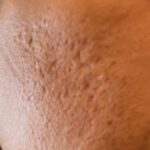
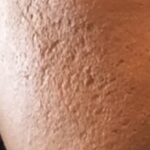
The subject, who has requested anonymity to maintain professional privacy, describes a life defined by cautious navigation of social spaces. "It is easy to say ‘accept yourself, love yourself,’ but the reality is that we carry many scars with us, and when you also carry them on your face, that weight becomes very heavy," she explains. For her, the struggle is not merely aesthetic; it is an issue of daily functional anxiety. She notes that specific lighting conditions or the application of cosmetics can highlight the uneven texture and deep pitting left behind by years of aggressive inflammation.
This self-consciousness has resulted in a deliberate retreat from public life. By limiting social media engagement and in-person interactions, she attempts to mitigate the anxiety triggered by societal beauty standards. Her concern extends beyond her own experience, as she worries for younger generations navigating a digital landscape saturated with filtered imagery and unrealistic expectations of dermatological perfection.
A Timeline of Progression: From University to Professional Life

The patient’s journey began at age 20, coinciding with the start of her university career. While many teenagers experience transient breakouts, her condition took a more sinister turn in her early 30s. The progression was, in her words, "swift and relentless." Within a span of months, her skin shifted from manageable breakouts to a state of widespread, painful cystic acne.
This period was characterized by a rapid decline in mental well-being. The development of large, inflamed, and pus-filled lesions caused significant physical pain, which was compounded by the psychological trauma of observing her own reflection. As a South Asian woman, she faced an additional hurdle: a heightened risk of post-inflammatory hyperpigmentation (PIH). PIH, which results in persistent dark spots, is significantly more common in darker skin tones and can be notoriously difficult to treat, often requiring specialized, long-term dermatological interventions.
The Intersection of Culture and Stigma
Beyond the clinical challenges, the patient highlights the role of cultural perception in her suffering. She recounts that within her community, there was a pervasive lack of understanding regarding chronic skin conditions. Insensitive, unsolicited commentary was a frequent occurrence, which served to exacerbate her isolation. This cultural stigma is a documented phenomenon; research suggests that in many cultures, skin conditions are unfairly stigmatized or misattributed to hygiene or lifestyle choices, rather than being treated as the medical, physiological conditions they are.
"The embarrassment was overwhelming," she notes. "I started avoiding mirrors and dreaded social interactions, feeling constantly judged." This sense of being under a constant, critical lens is a hallmark of the social anxiety often reported by patients with chronic dermatological conditions.
Clinical Context and Global Prevalence
Acne vulgaris is the most common skin condition in the world, affecting approximately 85% of people at some point in their lives. However, the subset of patients who develop severe, scarring acne represents a significant portion of dermatology clinic visits. According to the Canadian Dermatology Association and similar international bodies, the psychological morbidity associated with acne is comparable to that of other chronic diseases, including asthma and diabetes.
The risk of scarring is highest in cases of cystic or nodular acne—the types experienced by the subject. When the skin’s collagen is damaged during the inflammatory process, the result is either hypertrophic (raised) or atrophic (depressed) scarring. In patients with Fitzpatrick skin types IV through VI, the inflammatory response often triggers a secondary pigmentary response, leading to the dark spots that the subject described. This "double burden" of texture and pigment makes clinical management complex, often necessitating a multi-modal approach involving lasers, chemical peels, and prescription retinoids, all of which come with significant financial and time costs.
The Psychological Dimensions of Dermatological Conditions
Psychodermatology is an emerging field that examines the bidirectional relationship between the skin and the brain. Research consistently demonstrates that individuals with visible facial scarring are at a higher risk for clinical depression, anxiety, and social withdrawal. A study published in the British Journal of Dermatology found that patients with acne reported significantly lower quality of life scores than those with other chronic conditions, emphasizing the importance of treating the patient’s psychological state alongside their physical skin.
The subject’s own response to this trauma is one of redirected empathy. Despite her ongoing struggle with self-esteem, she has found a degree of solace in developing a heightened sensitivity toward others who face facial disfigurement. "If this is how intense I feel about pitted acne scars, my heart, compassion, and love go out to them even more," she says. This shift in perspective is a common psychological defense mechanism, often referred to as "post-traumatic growth," where individuals who have experienced personal suffering develop a greater capacity for empathy toward others in similar positions.
Evolving Treatment Paradigms
While the subject expresses regret that she cannot offer a simple solution for self-acceptance, she emphasizes the importance of utilizing modern medical resources. The landscape of dermatological care has shifted significantly in the last decade. Early intervention is now the gold standard for preventing the very type of scarring she describes. Dermatologists now have access to advanced isotretinoin protocols, biologics, and sophisticated laser technologies that were less accessible or less refined twenty years ago.
Experts in the field of dermatology advise that patients experiencing cystic acne should not wait for the condition to "run its course." The potential for permanent scarring makes aggressive, physician-led intervention necessary. Furthermore, the development of specialized care for patients of color—focusing on the unique inflammatory pathways that lead to hyperpigmentation—has become a priority in modern medical training.
Broader Societal Implications
The case of this anonymous lawyer highlights the urgent need for a more nuanced societal conversation regarding skin health. When we treat skin conditions as purely cosmetic issues, we underestimate the profound impact they have on a person’s identity, professional life, and mental health. The tendency to minimize the pain of acne, often dismissed as a "rite of passage," leaves millions of individuals without the necessary emotional support and medical resources.
Moreover, the prevalence of digital media and the proliferation of "perfect skin" filters have created a skewed reality. As the subject notes, the younger generation faces a unique challenge in reconciling their natural appearance with a digital landscape that often excludes evidence of human texture.
Conclusion: A Path Forward

The path to healing for those with severe acne scarring is rarely linear. It requires a combination of clinical dermatological treatment and psychological support. While the medical community continues to refine treatments for physical scarring, the societal work of destigmatizing skin conditions remains in its infancy.
The subject’s narrative is a reminder that behind every statistic of "acne prevalence" lies an individual struggling with a loss of confidence and a profound sense of isolation. As we continue to advance in medical technology, it is equally vital that we advance in our collective empathy. By recognizing the severity of the emotional weight carried by those with facial scars, we can begin to shift the conversation from one of superficial judgment to one of support, medical advocacy, and genuine human understanding. For those currently navigating this struggle, the advice remains clear: seek professional, specialized care early, and recognize that the journey toward healing—both of the skin and the self—is a process that deserves patience and professional guidance.
