
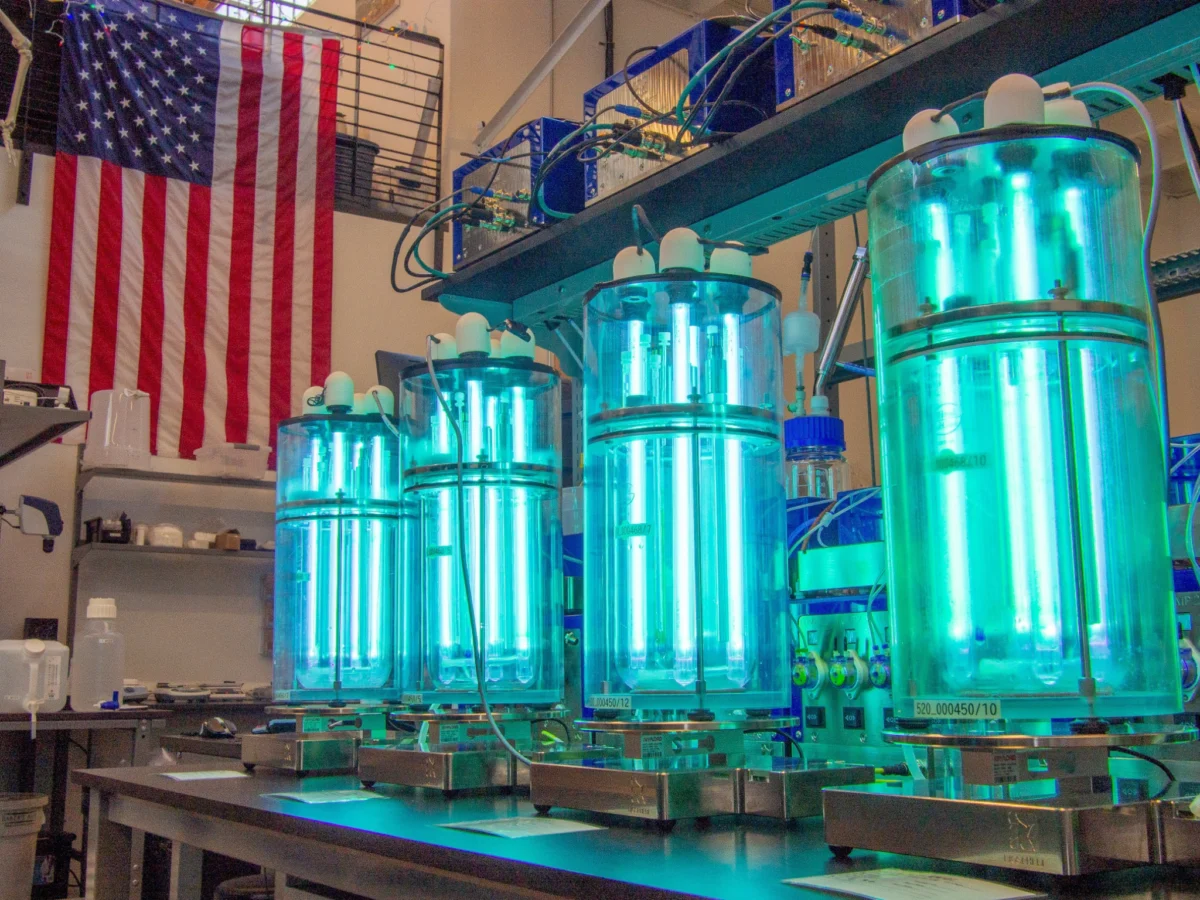
California-based biomanufacturing firm Biosphere has announced its acquisition of NovoNutrients, a fellow innovator in gas fermentation technology, marking a significant development in the rapidly evolving alternative protein and industrial biotech sectors. The acquisition comes a year after NovoNutrients initiated an assignment for the benefit of creditors (ABC) process, an alternative to bankruptcy aimed at facilitating the sale of assets to third parties. This strategic move by Biosphere is poised to accelerate its development of scalable and deployable biomanufacturing infrastructure, leveraging NovoNutrients’ established expertise and intellectual property.
The acquisition follows closely on the heels of Biosphere securing a substantial $9 million grant from the U.S. Department of Defense (DoD) for its advanced gas fermentation technology. This funding is earmarked for the development of portable, field-deployable bioreactors capable of producing gas proteins on demand for U.S. Army operations in remote and logistically challenging environments. The synergy between Biosphere’s innovative UV sterilization platform and NovoNutrients’ deep knowledge in gas-liquid mass transfer, high-intensity aerobic fermentation, and reactor design is expected to create a formidable force in the biomanufacturing landscape.
NovoNutrients’ Journey: From Innovation to Acquisition
Founded in 2017, NovoNutrients carved out a niche by developing a unique approach to converting industrial carbon dioxide (CO2) emissions and hydrogen into single-cell proteins. The company’s distinctive technology utilized tailored microbial strains and fed them on waste gas streams. Unlike traditional fermentation processes that often rely on large, energy-intensive tanks, NovoNutrients employed a system of thin looped cylinders. This innovative design significantly reduced the energy required for gas blending, offering a more efficient and potentially cost-effective method for biomanufacturing.
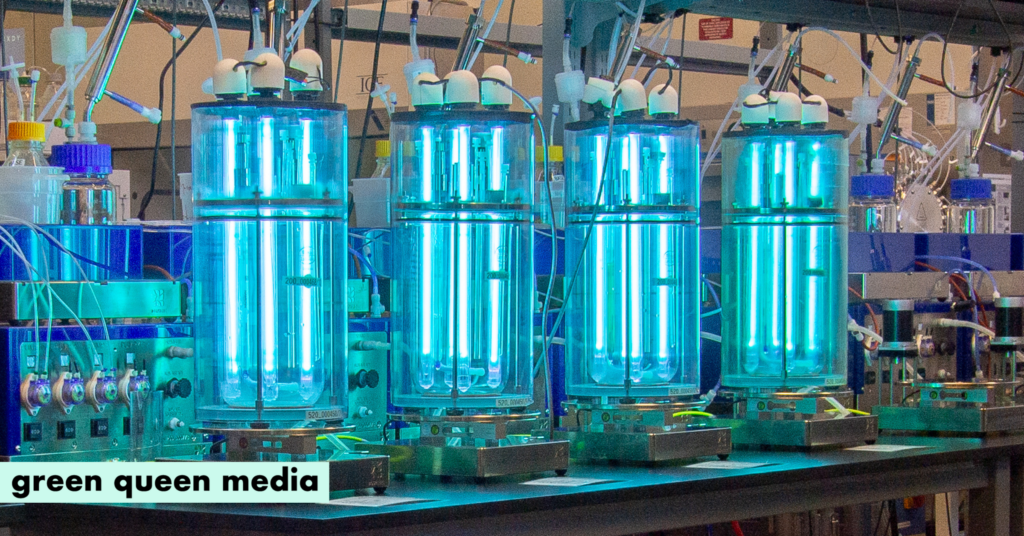
NovoNutrients operated on a business-to-business (B2B) model, offering its microbial strains and licensing its technology for the construction, operation, and maintenance of production facilities. Initially targeting the livestock and fish feed markets, the company later expanded its scope to include human nutrition and pet food applications, recognizing the broad applicability of its protein-creation capabilities.
The company’s innovative approach to carbon capture and utilization (CCU) and its potential to contribute to a more sustainable food system attracted significant investor interest. Over its operational history, NovoNutrients successfully raised approximately $22 million, with a notable $18 million Series A funding round occurring in 2024. This capital infusion underscored the perceived value and future potential of its gas fermentation technology.
However, despite technological advancements and investor confidence, NovoNutrients encountered significant hurdles, primarily related to capital intensity and a challenging investment climate. In July 2025, these financial pressures led the company to enter an assignment for the benefit of creditors (ABC) process. This legal framework allowed NovoNutrients to systematically divest its assets, including its valuable intellectual property, proprietary microbial strains, and accumulated process expertise, thereby paving the way for the acquisition by Biosphere.
David Tze, former CEO and senior advisor at NovoNutrients, reflected on the company’s trajectory, stating, "What we built could accelerate realizing your carbon capture and industrial biotech ambitions. CO2 is the key biomanufacturing input for the future, to make materials, chemicals, and yes, protein. The technology works. We were proving that in our pilot phase. The challenge was capital intensity in a shifting investment climate." His remarks highlight the common dilemma faced by many innovative startups in the cleantech and biotech sectors: bridging the gap between technological viability and commercial scale-up amidst fluctuating market conditions.
Biosphere’s Technological Edge and Strategic Vision
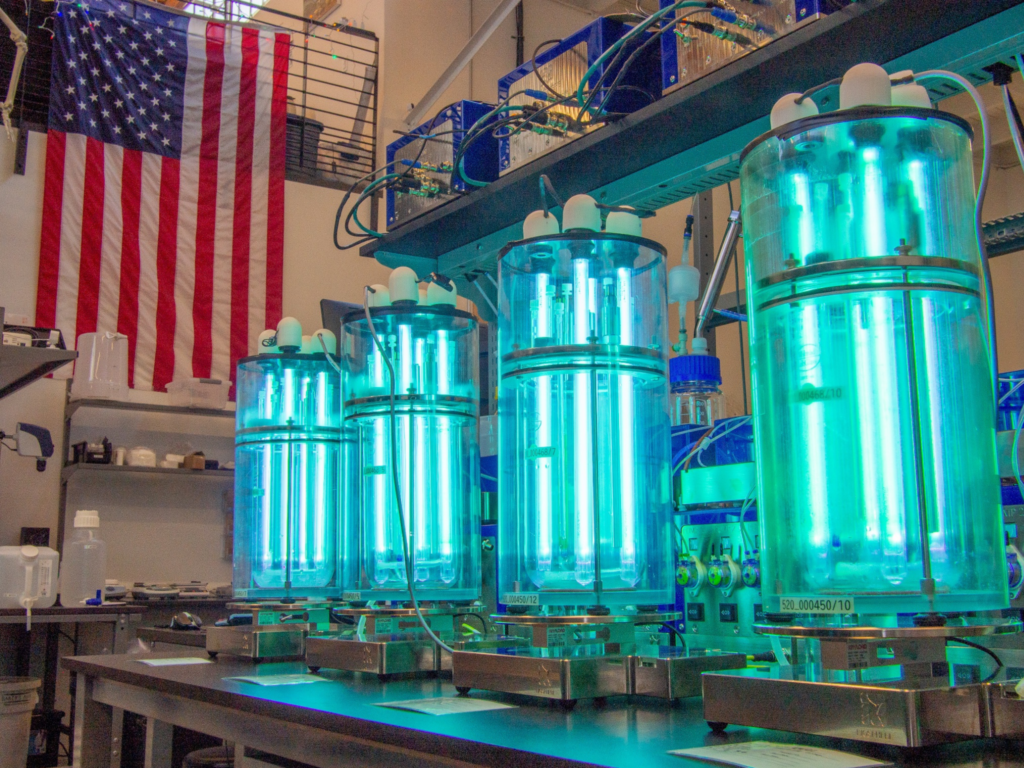
Biosphere emerged from stealth mode with a focus on revolutionizing bioreactor design. The company’s core innovation lies in its UV sterilization platform, which aims to supersede the complex and costly steam-sterilized bioreactors that have been the industry standard since their development in the 1940s for penicillin production. These traditional bioreactors are characterized by intricate architectures, featuring numerous valves and extensive piping networks, demanding substantial upfront investment and ongoing maintenance.
In contrast, Biosphere’s system utilizes UV radiation and advanced materials to simplify bioreactor hardware. By implementing a UV sterilize-in-place (SIP) protocol, Biosphere’s bioreactors create aseptic environments, thereby expanding the possibilities for bioreactor design and functionality. This novel approach promises significant cost reductions, with estimates suggesting a tenfold decrease in material costs and a sixfold acceleration in sterilization speeds. Furthermore, it requires a fraction of the valves and pipes compared to conventional systems, leading to lower operational complexity and maintenance requirements.
The acquisition of NovoNutrients’ assets is a strategic enhancement to Biosphere’s existing capabilities. NovoNutrients’ proprietary loop reactor technology is particularly adept at addressing a critical challenge in industrial biomanufacturing: the efficient transfer of gaseous feedstocks into biological systems at scale. This technology is designed to optimize gas-liquid mass transfer and fluid circulation, while simultaneously reducing energy consumption and maintenance needs compared to traditional mechanically agitated bioreactors. The efficacy of this reactor architecture has been validated across various scales, from laboratory development to containerized pilot systems, and has informed the design of commercial-scale bioreactors.
Biosphere’s co-founder and CEO, Brian Heligman, articulated the strategic imperative behind the acquisition: "At Biosphere, we see immense potential in developing next-generation reactor designs for intensified bioprocessing. The NovoNutrients platform plays perfectly into our active Department of War contracts and gives us a strong foundation with an established FEL3 design of a loop reactor pilot plant. We are excited to further develop this technology and leverage its high mass-transfer performance for bioprocessing of both next-generation gas and carbohydrate feedstocks." This statement underscores the immediate applicability of the acquired technology to Biosphere’s existing defense contracts and its future expansion plans.
Broader Implications for the Biomanufacturing Sector
The acquisition of NovoNutrients by Biosphere occurs within a broader context of significant consolidation and strategic repositioning within the alternative protein and industrial biotech industries. Analysis by Green Queen indicates that since September 2024, over 75 companies in the alternative protein sector have undergone acquisition, buyout, merger, insolvency, or closure. This trend highlights the intense competitive landscape and the capital-intensive nature of scaling innovative bio-based technologies.
The field of gas fermentation, which involves producing proteins by feeding microbes on gases, water, and electricity, is witnessing rapid innovation and commercialization efforts. Companies like Solar Foods have successfully commercialized their Solein protein in international markets, including Singapore and the U.S. Unibio is collaborating with the Saudi Industrial Investment Group to construct what is anticipated to be the world’s largest gas protein factory. Other notable players actively innovating in this space include Air Protein, LanzaTech, Jooules, and Aerbio, each contributing unique approaches to sustainable protein production and carbon utilization.
Biosphere’s strategic acquisition of NovoNutrients positions it to capitalize on several key trends:
- Domestic Manufacturing and Supply Chain Security: Governments and industries worldwide are increasingly prioritizing the establishment of robust domestic manufacturing capabilities and ensuring supply chain resilience. Biomanufacturing, particularly for critical materials and proteins, is central to these efforts. Biosphere’s ability to develop rapidly deployable biomanufacturing infrastructure aligns directly with these strategic objectives.
- Defense Applications: The DoD’s investment in Biosphere’s portable bioreactor technology underscores the growing recognition of biomanufacturing’s potential to enhance military readiness and logistical capabilities. The ability to produce essential resources like protein on-demand in remote or deployed settings offers significant strategic advantages.
- Industrial Symbiosis and Circular Economy: NovoNutrients’ core technology for converting industrial CO2 emissions into valuable products fits squarely within the principles of the circular economy. By transforming waste gases into protein, Biosphere contributes to reducing industrial emissions and creating sustainable alternatives to traditional protein sources.
- Advancement in Bioprocessing: The integration of NovoNutrients’ expertise in gas-liquid mass transfer and reactor design with Biosphere’s UV sterilization technology is expected to drive significant advancements in the efficiency and scalability of bioprocessing. This could unlock new applications for gas fermentation beyond protein production, including the synthesis of chemicals, materials, and pharmaceuticals.
The combined technological prowess of Biosphere and NovoNutrients, bolstered by substantial government funding and a strategic market position, suggests a promising future for intensified bioprocessing and sustainable manufacturing. The acquisition signifies a critical step in Biosphere’s mission to build the next generation of biomanufacturing infrastructure, capable of meeting diverse industrial and societal needs. As the sector continues to mature, such strategic consolidations will likely play a pivotal role in determining the leaders and innovators that shape the future of bio-based production.
