
The year 2021 marked a period of continued adaptation for many as the world grappled with a "new normal," a complex blend of returning to pre-pandemic routines interspersed with novel habits and hobbies cultivated during the extended lockdowns of 2020. Within the realm of nutrition and food consumption, a notable U.S. consumer survey conducted throughout 2021 indicated a decline in certain behaviors that had dramatically shifted in the initial stages of the COVID-19 pandemic. Specifically, the percentage of Americans reporting increased snacking decreased from 32% in 2020 to 18% in 2021. Similarly, the proportion of individuals admitting to "eating more in general" saw a drop from 20% in 2020 to 11% in 2021. This shift, however, was accompanied by a concurrent decrease in the frequency of home cooking, with only 47% of consumers reporting this practice in 2021, down from 60% in 2020. These findings, alongside other survey results that underscored significant disparities in food security, paint a nuanced picture of evolving consumer behaviors in the face of ongoing global health challenges.
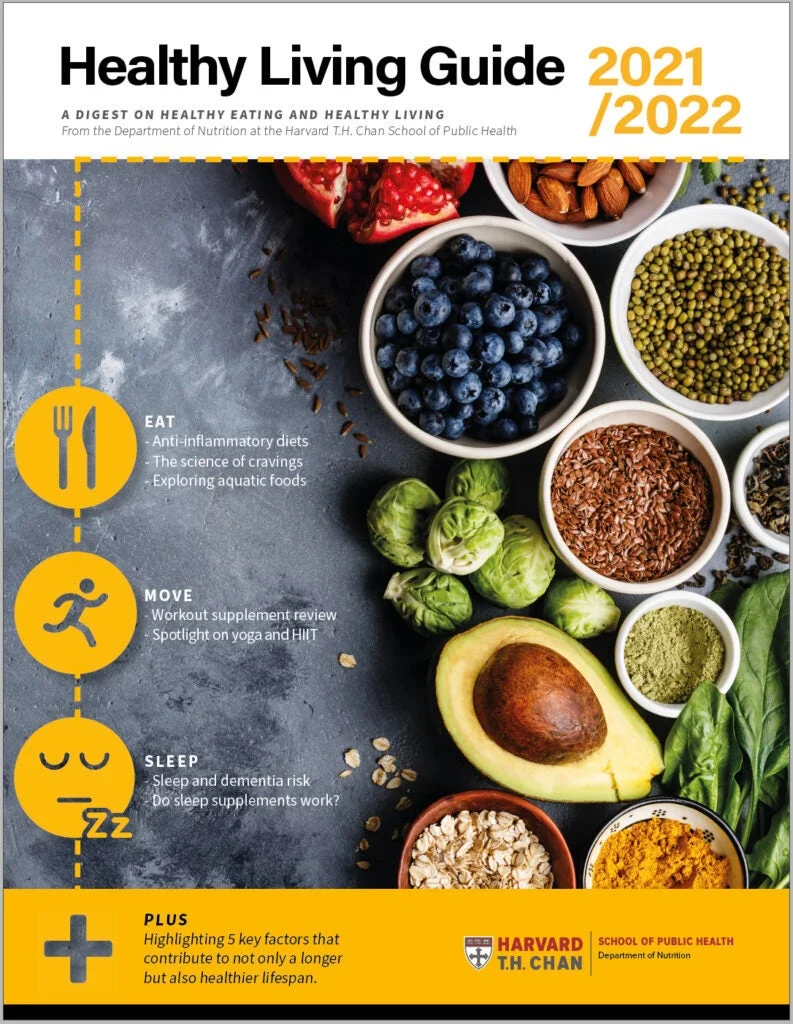
The enduring impact of the COVID-19 pandemic continues to manifest in diverse and individual ways. The emergence of new disease variants serves as a stark and sobering reminder of the persistent urgency for enhanced global vaccination efforts. This is particularly critical in low- and lower-middle-income countries, where access to vaccines and healthcare resources remains a significant challenge. As individuals and communities worldwide continue to navigate the unpredictable trajectory of the pandemic, a renewed emphasis on fostering healthy behaviors is paramount. The latest iteration of the Healthy Living Guide aims to provide actionable insights, revisiting fundamental principles of balanced nutrition, physical activity, and adequate sleep. This year’s guide incorporates selected research highlights and offers an in-depth examination of popular nutrition and lifestyle topics, with the overarching goal of empowering individuals to cultivate a healthier and more fulfilling life in 2022 and beyond. The guide is available for download as a printable PDF, featuring concise tip sheets and summaries, and many of its comprehensive online articles can be accessed through direct links.
Evolving Consumer Habits in a Post-Lockdown Landscape
The transition from the intense period of lockdowns in 2020 to a more fluid "new normal" in 2021 brought about discernible shifts in how Americans approached their food and eating habits. The International Food Information Council (IFIC) Foundation’s 2021 Food and Health Survey provides critical data illuminating these changes. The survey, which polled a representative sample of U.S. consumers, revealed a significant tapering off of pandemic-induced dietary behaviors. The reported decline in increased snacking from 32% to 18% suggests a re-engagement with pre-pandemic routines or perhaps a more conscious effort to manage food intake. Similarly, the drop in individuals reporting "eating more in general" from 20% to 11% could indicate a return to more structured meal patterns or a heightened awareness of caloric intake.
However, this normalization of some eating behaviors was counterbalanced by a decrease in another foundational aspect of healthy eating: home cooking. The 13-percentage-point decline in home cooking from 60% in 2020 to 47% in 2021 is a significant trend. This shift may be attributed to a variety of factors, including the reopening of restaurants and the perceived convenience of dining out or ordering takeout as more social and professional activities resumed. The implications of reduced home cooking are multifaceted. Home-prepared meals often offer greater control over ingredients, portion sizes, and nutrient content, allowing for a more personalized and potentially healthier dietary approach. Conversely, increased reliance on restaurant or commercially prepared meals can lead to higher intake of sodium, unhealthy fats, and added sugars, especially if choices are not carefully curated.
Food Security: A Persistent and Growing Concern
Beyond the shifts in individual eating habits, the IFIC survey also highlighted the persistent and, in some cases, exacerbated issue of food insecurity. While the specific data on food security disparities was not detailed in the initial announcement, the acknowledgment of "significant disparities" underscores a critical societal challenge. Food insecurity, defined as the lack of consistent access to enough food for an active, healthy life, was a concern amplified by the economic disruptions of the pandemic. Job losses, reduced incomes, and supply chain disruptions disproportionately affected vulnerable populations, including low-income families, minority communities, and individuals in food deserts.
The continued presence of these disparities in 2021, even as some economic indicators began to improve, suggests that the pandemic’s impact on food access is a long-term issue requiring sustained attention and intervention. Policy responses, such as expanded SNAP benefits and increased funding for food banks and community nutrition programs, played a crucial role in mitigating the worst effects. However, the underlying systemic issues contributing to food insecurity, including poverty, lack of affordable housing, and limited access to healthy food retail in certain neighborhoods, remain. The continued focus on these disparities by organizations like the Harvard T.H. Chan School of Public Health, through initiatives like the Healthy Living Guide, emphasizes the interconnectedness of health, nutrition, and social equity.
The Shadow of Variants and the Imperative of Global Vaccination
The ongoing evolution of the COVID-19 pandemic, marked by the emergence of new variants, serves as a persistent global health crisis. The scientific community’s understanding of viral mutations and their implications for transmissibility, disease severity, and vaccine efficacy continues to evolve. This dynamic landscape underscores the critical importance of widespread vaccination. The initial rollout of vaccines in late 2020 and throughout 2021 offered a beacon of hope, but equitable access remained a significant hurdle.
Low- and lower-middle-income countries have faced immense challenges in procuring and distributing vaccines, often due to financial constraints, logistical complexities, and infrastructure limitations. This disparity not only prolongs the pandemic for these nations but also increases the risk of new variants emerging and spreading globally. The interconnectedness of the world means that widespread vaccination is not just a matter of public health in individual countries but a collective necessity for global pandemic control. International cooperation, including vaccine donation programs, technology transfer, and financial assistance for vaccine infrastructure, is essential to achieving global immunization targets and mitigating the ongoing threat posed by COVID-19.
The Healthy Living Guide: A Resource for Sustained Well-being
In response to these multifaceted challenges, the Harvard T.H. Chan School of Public Health’s Nutrition Source reiterates its commitment to providing accessible and evidence-based guidance on healthy living. The 2022 edition of the Healthy Living Guide continues this mission, offering practical advice rooted in scientific research. The guide’s core themes—eating well, being active, and getting enough sleep—remain foundational pillars of overall health and well-being.
-
Eating Well: The guide likely delves into specific dietary recommendations, emphasizing the importance of whole foods, fruits, vegetables, lean proteins, and healthy fats. It may offer strategies for making healthier choices when dining out or purchasing prepared foods, addressing the trend away from home cooking. Topics such as portion control, mindful eating, and the impact of processed foods on health are often covered. Given the survey data, the guide might also provide tips for incorporating more home cooking into busy schedules and making nutritious meals accessible and enjoyable.
-
Being Active: Physical activity is crucial for maintaining a healthy weight, reducing the risk of chronic diseases, and improving mental health. The guide likely offers recommendations for incorporating regular exercise into daily routines, catering to different fitness levels and preferences. This could include suggestions for aerobic exercises, strength training, and flexibility work, as well as ways to increase general physical activity throughout the day, such as taking the stairs or incorporating short walks.
-
Getting Enough Sleep: Sleep is a vital yet often overlooked component of health. Adequate sleep is essential for cognitive function, immune system health, and emotional regulation. The guide likely addresses the importance of sleep hygiene, offering practical tips for improving sleep quality and duration. This might include advice on establishing a regular sleep schedule, creating a relaxing bedtime routine, and optimizing the sleep environment.
Research Highlights and Emerging Trends
The "selected research highlights" within the Healthy Living Guide signal a commitment to staying abreast of the latest scientific discoveries in nutrition and health. These highlights often translate complex scientific findings into understandable takeaways for the public. For instance, recent research has continued to explore the gut microbiome’s influence on overall health, the benefits of specific dietary patterns like the Mediterranean diet, and the role of micronutrients in immune function.
Furthermore, the guide’s "closer look at some popular nutrition and lifestyle topics" suggests an engagement with contemporary trends and concerns. This could encompass discussions on plant-based diets, intermittent fasting, the impact of stress on eating habits, or the psychological aspects of food choices. By addressing these popular topics, the guide aims to provide balanced, evidence-based perspectives, helping readers navigate a landscape often filled with conflicting information and fads.
Empowering Knowledge and Encouraging Engagement
The inclusion of a "Test your healthy living knowledge" section, with a reference to the previous year’s guide, is a pedagogical approach designed to reinforce learning and encourage active engagement. This interactive element serves as a valuable tool for self-assessment, allowing individuals to gauge their understanding of key health principles. By prompting users to revisit prior content, it promotes deeper learning and retention of information. This approach underscores the guide’s function not just as a source of information but as a tool for sustained personal development and habit formation.
The overarching message conveyed by the Healthy Living Guide is one of empowerment. In an era marked by uncertainty and continuous adaptation, equipping individuals with knowledge and practical strategies for healthy eating, physical activity, and sufficient sleep is more critical than ever. The guide’s availability in a downloadable PDF format, along with links to more extensive online resources, ensures broad accessibility, allowing individuals to engage with the material at their own pace and in a manner that best suits their needs. As the world continues to navigate the ongoing health crisis, resources like this serve as vital anchors, promoting resilience and fostering a proactive approach to personal well-being.
