
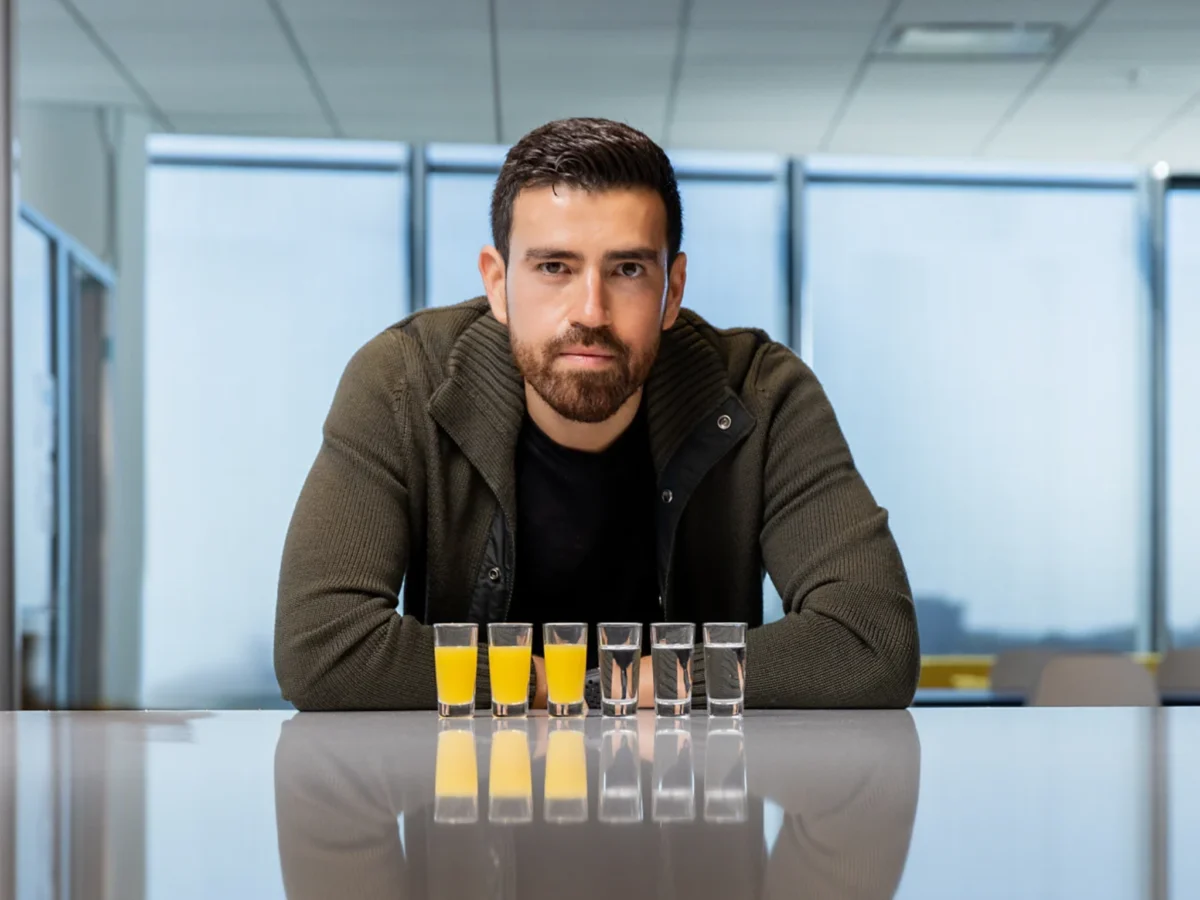
A significant legal battle between two prominent players in the animal-free egg protein industry has concluded, with a Wisconsin court ruling in favor of The Every Company and dismissing the patent lawsuit filed by Onego Bio. The decision, handed down by Judge James D. Peterson in the U.S. District Court for the Western District of Wisconsin, marks a pivotal moment for both startups, who are at the forefront of developing and commercializing egg proteins produced through precision fermentation.
The lawsuit, initiated by Finnish firm Onego Bio against U.S.-based The Every Company in September 2025, centered on allegations of patent invalidity, fraud, and misleading marketing. Onego Bio sought to invalidate a foundational U.S. patent held by The Every Company related to the expression of ovalbumin, the primary protein in egg whites, across various host organisms. However, Judge Peterson’s ruling found that Onego Bio failed to establish sufficient personal jurisdiction over The Every Company within Wisconsin, leading to the complete dismissal of the case.
"The activities Onego Bio relied on to establish personal jurisdiction are either unrelated to Wisconsin or unrelated to the patent claims," stated Judge Peterson in his official ruling. He further elaborated that Onego Bio had not presented a compelling enough case to warrant jurisdictional discovery, deeming such an endeavor a "waste of time and resources." This outcome is a clear victory for The Every Company, whose co-founder and CEO, Arturo Elizondo, expressed his satisfaction, emphasizing the importance of focusing on innovation rather than costly litigation.
"Lawsuits are a waste of time and money. Our space doesn’t need expensive distractions. Our space needs builders. It needs all of our focus and resources to go towards building a better food system – not expensive litigation," Elizondo remarked in a statement. He reiterated his company’s commitment to its intellectual property, stating, "This ruling is a clear sign that the lawsuit was baseless from the onset. We invested a lot of time and resources to build one of the most extensive IP estates in our industry, including our foundational ovalbumin patents granted in the U.S., Finland, UK, Germany, and many other jurisdictions. Our customers, our investors, and our team members value what we’ve built, and we will always defend it."
Green Queen reached out to Onego Bio for comment following the ruling but had not received a statement by the time of publication.
The Genesis of the Legal Dispute
The conflict between Onego Bio and The Every Company underscores the high stakes and competitive landscape within the rapidly expanding alternative protein sector. Both companies employ precision fermentation, a cutting-edge biotechnology process that utilizes microorganisms to produce specific molecules. This technology is analogous to how insulin, rennet, and various vitamin supplements are manufactured.
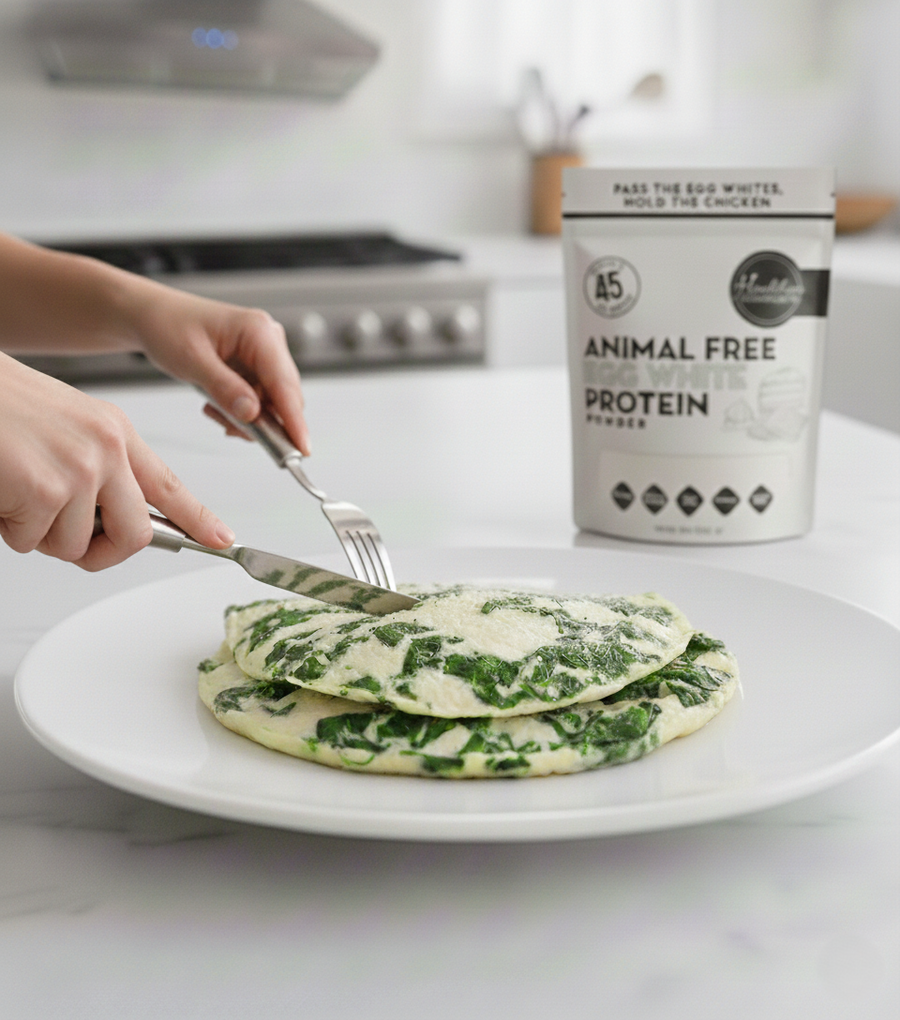
Specifically, both Onego Bio and The Every Company leverage precision fermentation to create ovalbumin, the key protein responsible for the functional properties of egg whites, such as foaming, binding, and emulsification. Onego Bio utilizes a fungal strain, Trichoderma reesei, while The Every Company engineers a yeast strain, Komagataella phaffii, to achieve this production.
The legal battle officially commenced in September 2025, when Onego Bio filed its lawsuit. The company’s primary contention was that The Every Company’s U.S. patent was invalid. Beyond patent invalidity, Onego Bio also leveled accusations of fraud against its competitor and raised concerns about what it described as misleading marketing claims.
At the time of filing, Onego Bio co-founder and CEO Maija Itkonen articulated the company’s motivations: "We filed this action to protect our ownership and to bring clarity around a recently issued patent that we believe is invalid. Our intention is not to block progress but to safeguard it. We have deep respect for legitimate intellectual property and value fair competition, which we see as the foundation of a healthy market."
Prior to the lawsuit, the two companies had reportedly engaged in discussions regarding a potential cross-licensing agreement and even a merger. However, these negotiations apparently faltered, with Onego Bio accusing The Every Company of demanding "unwarranted patent licensing fees" and alleging that these demands threatened Onego Bio’s ability to secure investment and scale its operations.
Further details emerged from reports by AgFunderNews, which indicated that Onego Bio accused The Every Company of engaging in tortious interference. This alleged interference involved The Every Company informing potential investors that a patent license was necessary to avoid infringing on its intellectual property. Additionally, Onego Bio challenged The Every Company’s assertions that its precision-fermented protein was "bioidentical" to natural ovalbumin.

In response to these accusations, The Every Company characterized Onego Bio’s legal maneuver as "desperate" and "baseless." The U.S. startup asserted that the lawsuit was the culmination of a "months-long effort to harass Every into granting Onego access to Every’s IP."
Court’s Examination of Personal Jurisdiction
Onego Bio based its claim for personal jurisdiction over The Every Company in Wisconsin on several grounds, including alleged implicit threats of patent infringement lawsuits, sales of The Every Company’s products within the state, and lobbying efforts directed at Wisconsin senators.
However, the court’s analysis focused on the activities of The Every Company within Wisconsin. One significant point of contention was Onego Bio’s purchase of land in Jefferson County, Wisconsin, with plans to establish a large-scale manufacturing facility slated for a 2028 launch. While Onego Bio suggested that potential harm from infringement allegations could be felt within Wisconsin, Judge Peterson clarified that "it is Every’s contacts with Wisconsin that are important, not Onego’s."
The judge meticulously dissected each of Onego Bio’s asserted connections, finding them insufficient to establish jurisdiction for the patent claims. Regarding the alleged patent infringement, Judge Peterson noted, "The problem is that the activities Onego is relying on to establish personal jurisdiction over the patent claims are either unrelated to Wisconsin or unrelated to the patent claims."
The argument that The Every Company’s products are sold in Wisconsin was also addressed. While The Every Company’s ingredient, known as OvoPro, is incorporated into products available at major retailers like Walmart and Target, and online across the U.S., the court found these sales insufficient to establish jurisdiction for Onego Bio’s specific claims. Judge Peterson pointed out that "Onego does not explain why that matters for Onego’s patent claims," concluding that such sales "have nothing to do with the enforcement or defence" of the patent in question.
The lobbying claim stemmed from a joint letter sent by both companies in July to Wisconsin Senators Tammy Baldwin and Ron Johnson. This letter advocated for "continued support of biotechnology and advanced manufacturing in Wisconsin" and urged lawmakers to support a Department of Defense initiative under which both companies had received funding for manufacturing facility construction. While acknowledging that such a letter could constitute a contact with Wisconsin, the judge ruled that it "does not provide a basis for exercising jurisdiction over Onego’s patent claims," particularly as it did not specifically mention the patent or The Every Company’s intellectual property.

The court also considered the possibility of transferring the case to another district court with proper jurisdiction. However, this was deemed unnecessary because Onego Bio had already filed an identical lawsuit against The Every Company in Delaware, the state where both companies are incorporated. While personal jurisdiction is not an issue in the Delaware case, The Every Company has a pending motion to dismiss that litigation for lack of subject-matter jurisdiction, indicating that legal challenges may continue in a different forum.
Scrutiny of Marketing Claims
A significant aspect of Onego Bio’s lawsuit involved accusations of false marketing by The Every Company. The Every Company promotes its precision-fermented protein as "real animal protein that is equivalent to the key protein found in a hen’s egg," often describing it as "nature-equivalent" and "exactly identical" to ovalbumin.
Onego Bio contested these claims, arguing that The Every Company’s protein is genetically modified and contains approximately 13 additional amino acids derived from both egg and yeast proteins. This, Onego Bio alleged, constituted false advertising, particularly concerning products sold within Wisconsin. Evidence cited included information from The Every Company’s website, third-party retail sites, and a prior article published by Green Queen.
However, Judge Peterson found these allegations lacking in substantiation for the purpose of establishing jurisdiction in Wisconsin. He noted that The Every Company’s own websites were unhelpful because the company denies that purchases can be made directly from them, and Onego Bio did not allege otherwise. Furthermore, the judge found that Onego Bio failed to provide evidence or even allege that third-party retailers had made sales to Wisconsin residents and shipped The Every Company’s protein there, or that The Every Company was aware of such sales or marketing activities in Wisconsin.
The Green Queen article from November of the previous year mentioned that The Every Company’s egg protein was featured in products at all Walmart stores across the U.S., while acknowledging that the company’s customers and the products using its ingredients are kept confidential. Judge Peterson deemed this article inadmissible as evidence, stating it lacked a specific source or identification of the product in question. He also highlighted that Onego Bio provided no evidence that The Every Company’s ingredient was actually included in products sold at Walmart stores within Wisconsin.
Crucially, the judge pointed out that the article itself suggested that any products sold at Walmart did not disclose an affiliation with The Every Company. "Onego cannot show that a Wisconsin consumer’s purchase of a product is related to Onego’s false advertising if the consumer does not even know that it is purchasing an Every product," he wrote, referencing the confidentiality agreements reported by Green Queen. This lack of direct consumer awareness of The Every Company’s involvement was a critical factor in dismissing the false advertising claims related to Wisconsin.
A spokesperson for The Every Company expressed gratitude for the court’s decision, stating, "Every appreciates the Court’s careful and well-reasoned decision to dismiss Onego’s lawsuit seeking to invalidate Every’s foundational recombinant egg protein patent. The case should never have been brought, and was a meritless attempt to obtain access to Every’s intellectual property."
Broader Implications and Future Outlook
The dismissal of the lawsuit in Wisconsin is a significant legal and strategic win for The Every Company, validating its intellectual property claims and allowing it to focus on scaling its business without the immediate threat of this particular legal challenge. It also highlights the critical importance of establishing a clear nexus between a defendant’s activities and the forum state when filing lawsuits, particularly in patent litigation.
For Onego Bio, the dismissal represents a setback. While the company has filed a similar lawsuit in Delaware, where jurisdiction is less contested, the Wisconsin ruling may impact the broader legal strategy. The company also faces a separate challenge in Europe, where the VTT Technical Research Centre of Finland, from which Onego Bio spun off, has contested one of The Every Company’s patents.
The precision fermentation sector is characterized by rapid innovation and substantial investment. As companies like The Every Company and Onego Bio strive to bring their novel ingredients to market, intellectual property disputes are likely to remain a feature of the industry. The ability to protect proprietary technologies and navigate complex legal frameworks will be crucial for sustained growth and market leadership.
The ongoing litigation in Delaware and the European patent challenge suggest that the competitive and legal skirmishes between these two leading animal-free egg protein producers are far from over. However, the Wisconsin court’s decision provides a clear indication of the legal hurdles involved in asserting jurisdiction and the stringent evidentiary standards required to prove claims of patent infringement and false advertising. The industry will be watching closely to see how these disputes unfold and what precedent they may set for the burgeoning field of alternative proteins.
