
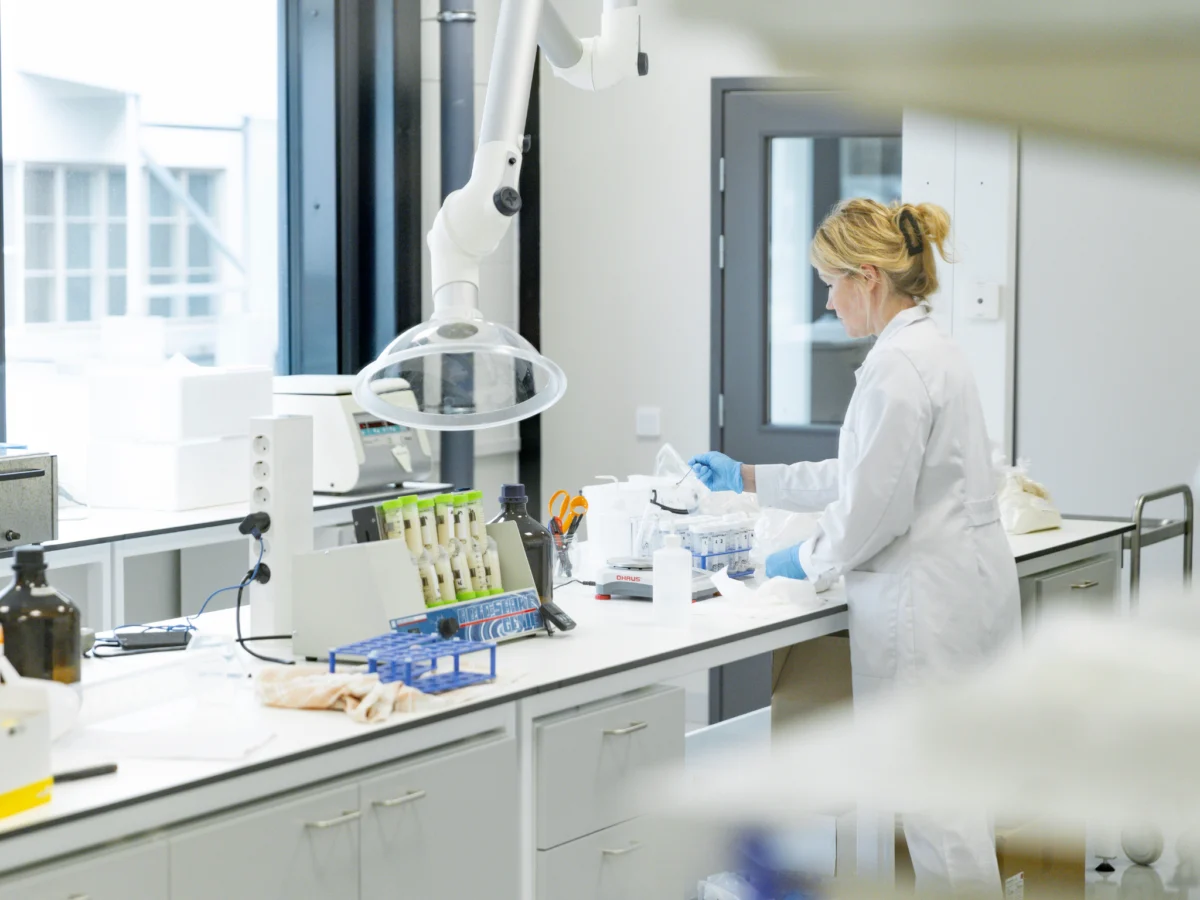
Raisio Group, a prominent Finnish food company renowned for its Benecol and Elovena brands, has successfully concluded a significant expansion of its Nokia Mill, a strategic investment totaling €1.5 million (approximately $1.7 million USD). This enhancement focuses on boosting the production of gluten-free oats, a critical component for its in-house plant-based food facility and a vital ingredient for its growing international customer base. The expansion, which involved the installation of a state-of-the-art laboratory building, underscores Raisio’s commitment to fortifying its expertise in oat processing and laying robust groundwork for continued global market penetration.
The newly established laboratory facilities at the Nokia Mill are designed to elevate the company’s quality management systems, streamline production operations, and foster relentless innovation in oat and grain-based ingredients. This strategic investment is not an isolated event but a key pillar of Raisio’s broader, ongoing investment program aimed at solidifying its leadership in oat-based products and expanding its international footprint. Since 2018, the company has channeled an impressive €19 million (approximately $21.7 million USD) into the comprehensive development of the Nokia Mill.
This sustained commitment to the Nokia Mill is directly propelled by a discernible surge in international demand for gluten-free oat ingredients and health-conscious snack products. Consumers worldwide are increasingly prioritizing healthier food choices, and oats, with their inherent nutritional benefits and versatility, have emerged as a leading ingredient in this evolving market landscape. Raisio’s strategic positioning and investment in specialized oat processing, particularly for gluten-free varieties, directly addresses this burgeoning consumer preference.
Noora Pöyhönen, Chief Business Officer of Raisio’s breakfast, snacking, and food solutions division, articulated the significance of this expansion: "Nokia Mill is a key part of our growth built on Finnish oat expertise. The investments support both our current business and future innovations." This statement highlights the dual purpose of the expansion: to support immediate market demands while also cultivating the capacity for developing novel oat-based products and applications that will drive future growth. The emphasis on "Finnish oat expertise" also points to a potential competitive advantage rooted in the high quality and specific characteristics of Finnish oats, often lauded for their purity and nutritional profile.
Nokia Mill: A Cornerstone for Raisio’s International Oat Business Expansion
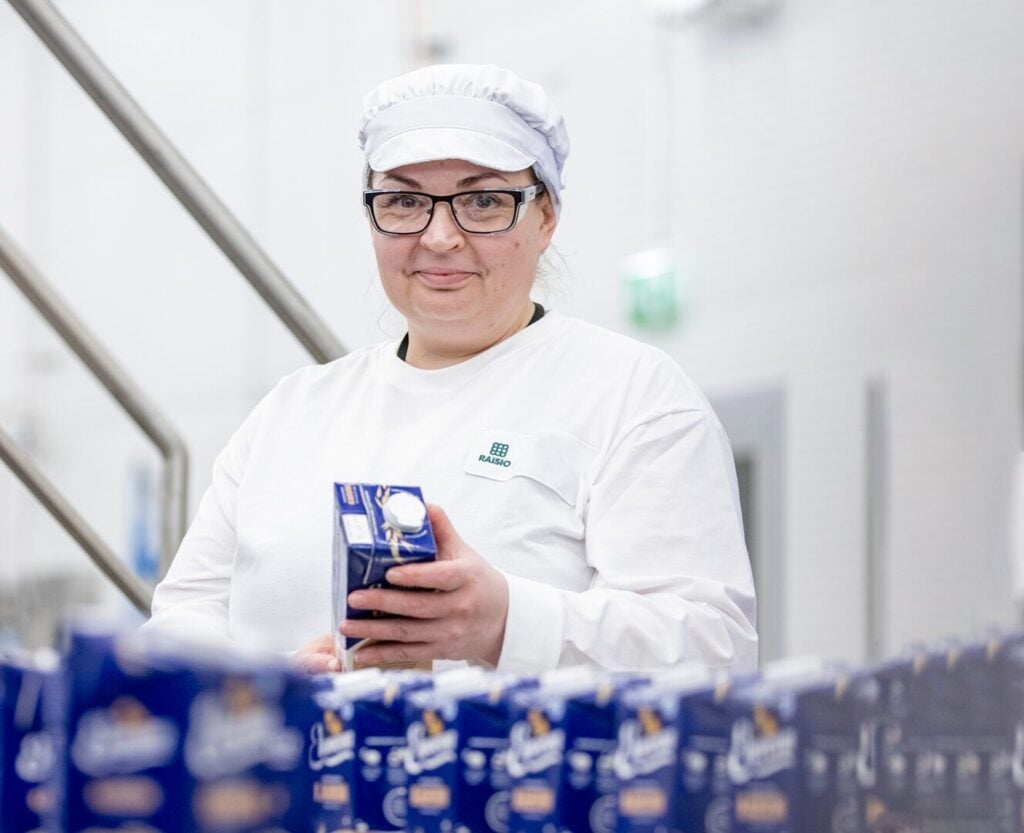
The Nokia Mill facility, which currently employs approximately 60 individuals, is the central hub for Raisio’s oat flake production. It is also responsible for producing oat and rye flours that are supplied to the company’s other manufacturing site in Raisionkaari. The production lines within the mill are multifaceted, catering to both direct-to-consumer offerings under the well-established Elovena and Nalle brands, and to industrial clients who utilize Raisio’s grain-based ingredients in their own product formulations, including those for the bakery sector.
Pöyhönen further elaborated on the market dynamics, stating, "Oats are one of the most important growth categories in the European food market, and there is strong demand for Finnish oat expertise." This observation aligns with broader industry trends indicating a sustained upward trajectory for oat-based products across various European markets. The company’s Raisio Food Solutions division plays a crucial role in capitalizing on this demand, exporting a diverse range of gluten-free oat ingredients from the Nokia Mill. These exports include oat flakes, flours, groats, and bran, reaching international markets and establishing Raisio as a significant player in the global oat ingredient supply chain.
International growth within the breakfast and snacking categories represents one of Raisio’s three core strategic focus areas. The company has been actively expanding the reach of its Elovena brand, introducing products such as oat milks and non-dairy yogurts to an increasing number of European countries. The recent market entries into Spain and the Netherlands are testament to this aggressive expansion strategy. Pöyhönen emphasized the mill’s growing strategic importance: "The strategic importance of Nokia Mill to Raisio and to our breakfast, snacking and food solutions business has increased significantly in recent years. Through these investments, we have strengthened our capabilities to grow the business internationally." This indicates a clear strategic vision where the Nokia Mill serves as an operational and innovation engine for Raisio’s global ambitions in the plant-based and health-food sectors.
A Timeline of Strategic Investment and Innovation at Nokia Mill
Raisio’s commitment to modernizing and expanding its Nokia Mill operations can be traced back through a series of strategic investments over several years, demonstrating a consistent and forward-looking approach to its core business.
-
2018-2019: This period marked a significant phase of modernization for the Nokia Mill. Investments during this time were instrumental in upgrading manufacturing processes. Crucially, these enhancements enabled the mill to commence the production of gluten-free oats, a key differentiator in the market. Furthermore, the capacity for producing oat fibre concentrates was established, and overall production capacity was substantially increased to meet anticipated demand. This period laid the foundational infrastructure for Raisio’s subsequent growth in specialized oat ingredients.
-
2021: Raisio continued its investment in operational efficiency and market responsiveness with the commissioning of a new packaging line. This upgrade was vital for handling increased production volumes and ensuring the efficient and attractive presentation of finished products for both domestic and international markets. In the same year, the mill’s energy solutions underwent a significant overhaul. A new heating plant was commissioned, which ingeniously utilizes oat husk – a byproduct of the milling process – to generate heat and steam. This "waste-to-value" initiative not only contributes to cost savings and a more sustainable energy supply but also aligns with Raisio’s broader environmental and circular economy objectives.
-
2024: The most recent significant infrastructure development at Nokia Mill was the completion of a new production line specifically designed for instant oatmeal products. This investment directly addresses the growing consumer demand for convenient, ready-to-eat breakfast options, further diversifying Raisio’s product portfolio and enhancing its ability to cater to fast-paced lifestyles.
-
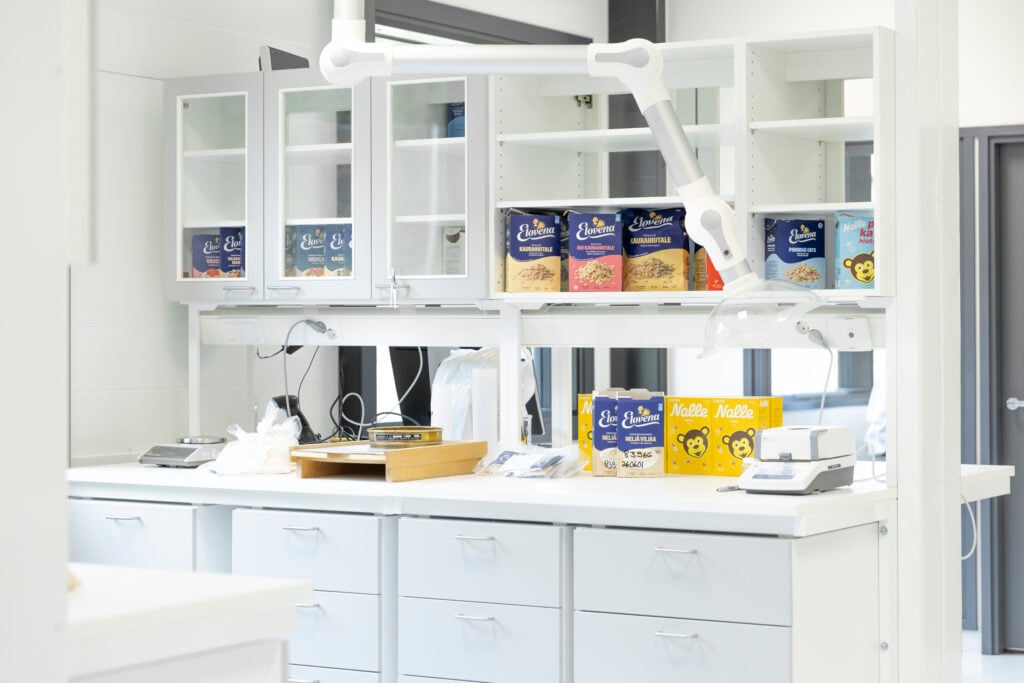
Present: The recent completion of the €1.5 million laboratory building represents the latest chapter in this ongoing investment saga. This new facility is poised to accelerate product development, enhance quality control protocols, and support the rigorous demands of producing certified gluten-free oat ingredients for a global market that places a high premium on safety and quality assurance.
This chronological overview illustrates a methodical and strategic approach to enhancing the Nokia Mill’s capabilities, progressively building capacity, technological sophistication, and product diversification in response to evolving market demands and technological advancements.
Driving Sustainability: Raisio’s Commitment to Waste Valorisation
Concurrent with the expansion of its production capabilities, Raisio has also made significant strides in its commitment to sustainable practices and resource efficiency. The company has initiated a government-backed sidestream valorisation project, a crucial initiative aimed at transforming grain processing byproducts into valuable functional fibre ingredients. This ambitious four-year project is part of the broader Global Center for Sustainable Bioproducts initiative and has secured substantial funding.
The project is supported by €1.8 million (approximately $2 million USD) in funding from Business Finland, the Finnish state investment agency, with Raisio contributing an additional €2.7 million of its own capital. This significant investment underscores the strategic importance Raisio places on developing a circular economy model within its operations. The core objective of this project is to scale up waste valorisation processes at Raisio’s newly established pilot plant, located at the Raisionkaari industrial site, which was completed in the spring.
The aim is to rigorously validate the applications and market potential of these novel fibre ingredients derived from grain processing waste. By converting byproducts into high-value ingredients, Raisio not only reduces waste but also enhances the resource efficiency of its entire grain processing operations. This aligns with global trends towards sustainable food production and the increasing consumer and regulatory pressure for companies to minimize their environmental footprint. The development of functional fibre ingredients from previously discarded materials presents a significant opportunity for Raisio to create new revenue streams while simultaneously promoting environmental stewardship.
Broader Implications and Market Outlook
The strategic investments by Raisio Group in its Nokia Mill are indicative of several key trends shaping the global food industry. Firstly, the burgeoning demand for plant-based foods and ingredients continues to be a dominant force. Oats, with their inherent nutritional profile, versatility, and relatively lower environmental impact compared to some other plant-based protein sources, are exceptionally well-positioned to capitalize on this trend. Raisio’s focus on gluten-free oats specifically caters to a significant segment of consumers who require or prefer gluten-free options due to celiac disease, gluten sensitivity, or dietary choices.
Secondly, the emphasis on "better-for-you" products is driving innovation and investment. Consumers are increasingly scrutinizing ingredient lists, seeking out foods that offer tangible health benefits. Oats are widely recognized for their soluble fibre content (beta-glucans), which is linked to heart health benefits, including cholesterol reduction. Raisio’s expansion in specialized oat ingredients, including fibre concentrates, directly addresses this demand for functional foods.
Thirdly, the company’s proactive approach to sustainability and circular economy principles, exemplified by the waste valorisation project and the use of oat husk for energy, positions it favorably in an era of heightened environmental awareness. Companies demonstrating a strong commitment to sustainability are often rewarded with enhanced brand reputation, improved operational efficiency, and a competitive edge in markets where sustainability is a key purchasing driver.
The Finnish origin of Raisio’s oats is also a significant factor. Finland is known for its clean agricultural practices and high-quality grain production, often associated with stringent environmental standards. This can serve as a strong marketing advantage, particularly in international markets where consumers are increasingly discerning about the origin and quality of their food.
Raisio’s sustained investment strategy at the Nokia Mill, coupled with its focus on gluten-free products, plant-based innovation, and sustainability, suggests a well-defined path for continued growth. The company appears poised to leverage its established expertise and expanded capabilities to capture a larger share of the growing global market for oat-based ingredients and products, reinforcing its position as a key player in the international food industry.
