
Proactive health measures, extending beyond conventional vaccination strategies, have become increasingly vital in mitigating the spread of respiratory illnesses. Driven by evolving scientific understanding, particularly in the wake of the recent global pandemic, individuals and public health experts alike are focusing on sophisticated tools and practices to minimize infection risk. This comprehensive guide synthesizes current knowledge and practical applications for reducing exposure to airborne pathogens.
The Paradigm Shift: Understanding Germ Spread
A foundational change in public health understanding has been the widespread recognition that most respiratory diseases, including COVID-19, are primarily transmitted through the air, rather than via large droplets or contaminated surfaces. This crucial paradigm shift, largely solidified by early 2021 research, debunked the long-held "droplet dogma" that previously guided many public health interventions. Early pandemic measures such as extensive hand washing, surface sanitization, the "six-foot rule," and the use of cloth masks or plexiglass barriers, while beneficial for preventing other germ transmissions, proved largely ineffective against airborne viruses.
The scientific community, through persistent research and advocacy, highlighted that infectious aerosols behave much like smoke, lingering in the air and spreading throughout enclosed spaces as people breathe, talk, cough, and sneeze. This understanding fundamentally reorients prevention strategies toward improving air quality and personal respiratory protection. Unfortunately, a degree of resistance to fully acknowledging airborne transmission has persisted within some traditional medical establishments, leading to a continued emphasis on less effective measures in certain guidelines.
Debunking Common Misconceptions:
Several persistent myths surrounding illness and immunity require clarification:
- "Getting sick helps your immune system." While exposure to certain microbes is beneficial for immune development, the pathogens that cause acute illness do not strengthen the immune system. In fact, evidence suggests that infections like COVID-19 can temporarily impair immune function, making individuals more susceptible to subsequent infections.
- "It’s not COVID." The symptoms of COVID-19 vary widely across individuals and viral variants, ranging from almost asymptomatic cases (e.g., mild stomach upset, general malaise) to severe illness. Furthermore, inconsistent or improper rapid antigen testing can lead to false negatives, meaning an individual might still be infectious despite a negative test result or non-specific symptoms.
- Surface Transmission: While some viruses can survive on surfaces, studies have unequivocally shown that surface transmission plays a negligible role in the overall spread of respiratory viruses compared to airborne routes.
The heightened awareness of conditions like Long COVID underscores the importance of prevention. Even healthy and fit individuals can experience debilitating long-term health effects from infections, ranging from neurological issues and chronic fatigue to cardiovascular complications. With medicinal chemistry backgrounds suggesting that cures for complex post-viral syndromes like Long COVID could be decades away, if ever, prevention remains the most critical strategy.
Ventilation: The First Line of Defense with CO2 Monitoring
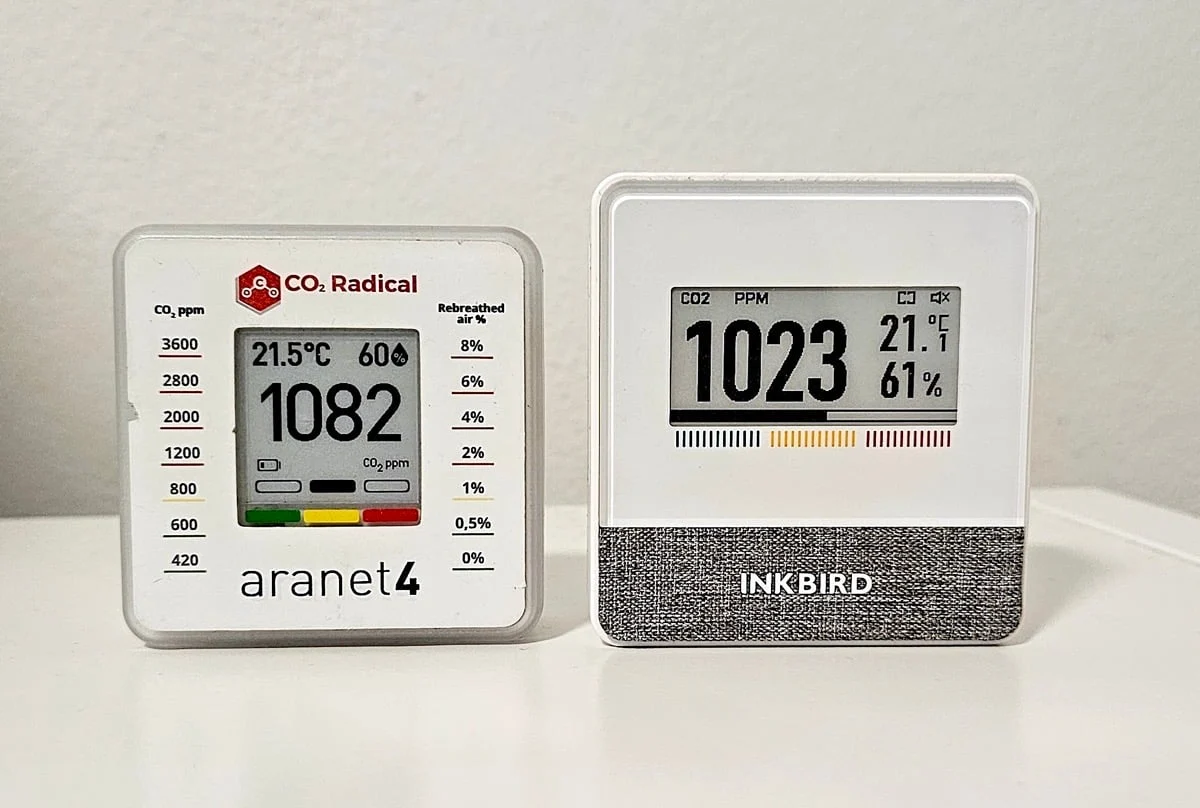
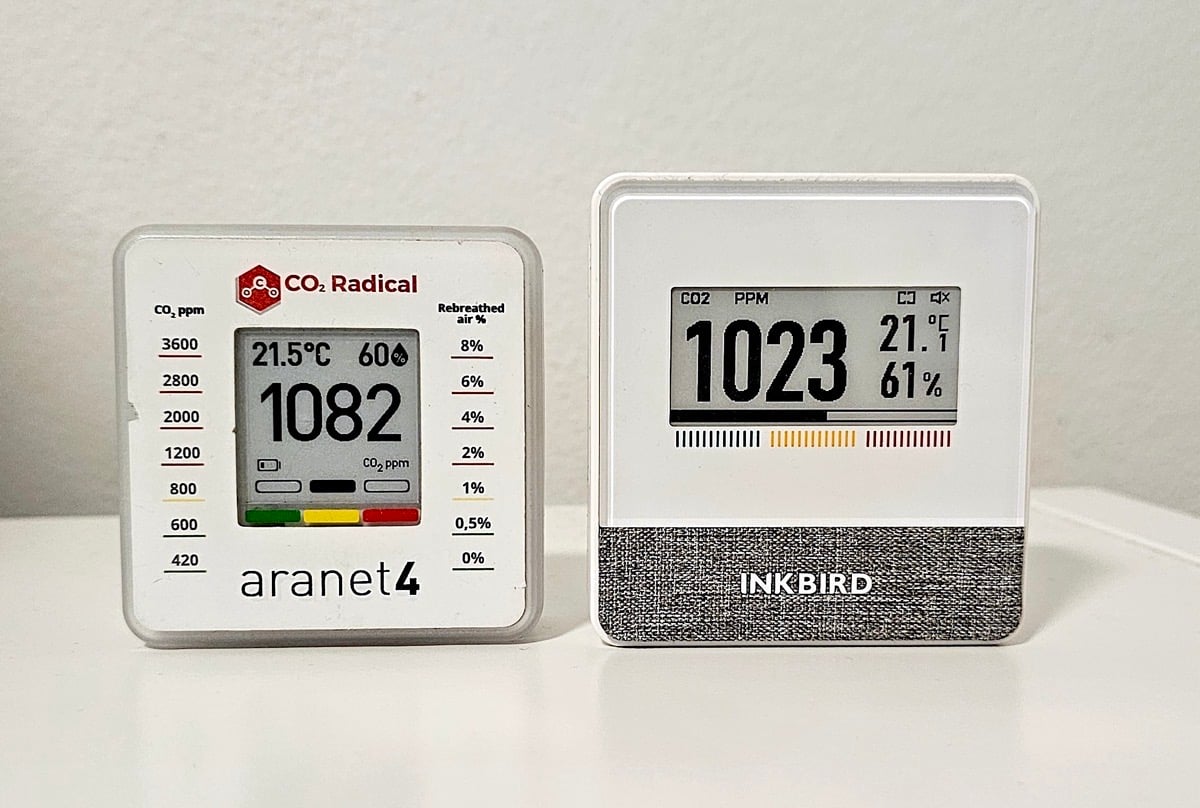
Optimizing ventilation is paramount for reducing airborne pathogen concentration indoors. Socializing outdoors or in spaces with robust air exchange significantly lowers infection risk by dispersing aerosols. A practical tool for assessing indoor air quality is a portable CO2 monitor, such as the Aranet4 Home or Inkbird models.
CO2 serves as an effective proxy for exhaled breath concentration. Higher CO2 levels indicate a greater accumulation of exhaled air within a space, and consequently, a higher potential concentration of airborne pathogens. Outdoor CO2 levels typically hover around 400-450 parts per million (ppm). Public health guidelines often suggest maintaining indoor CO2 levels below 800 ppm as a marker of good ventilation. Levels consistently above 1000 ppm signal poor ventilation and elevated risk, prompting recommendations for increased air exchange or personal respiratory protection.
The variability in ventilation quality across different venues can be surprising. While high-risk environments like crowded buses or planes (when stationary) are often obvious, some seemingly well-ventilated spaces (e.g., gyms with strong air conditioning but poor fresh air intake, crowded warehouses) can harbor high CO2 levels. Conversely, some restaurants or naturally cross-ventilated rooms might offer unexpectedly good air quality. Portable CO2 monitors empower individuals to make informed decisions about their environment, much like a "fog lifting" in a video game to reveal hidden threats.
Beyond public spaces, CO2 monitors reveal important insights into home environments. For instance, overnight CO2 levels in bedrooms can quickly rise to over 2000-3000 ppm without proper window ventilation, potentially impacting sleep quality and alertness. Similarly, vehicle cabins, even with single occupants, can experience rapid CO2 accumulation.
It’s important to note that while CO2 levels reflect exhaled air, the presence of active air purifiers or High-Efficiency Particulate Air (HEPA) filters can significantly reduce pathogen concentration even in spaces with higher CO2. For example, commercial aircraft often have high CO2 levels mid-flight but benefit from advanced HEPA filtration systems that are highly effective when operational. However, these systems are frequently inactive when planes are on the ground, necessitating continued caution.
Advanced Respiratory Protection: Respirators (N95/P2/KN100)
Respirators offer superior protection to the wearer by effectively filtering airborne particles, including viral aerosols, compared to standard surgical or cloth masks. These devices are designed to create a tight seal around the face, preventing unfiltered air from being inhaled.
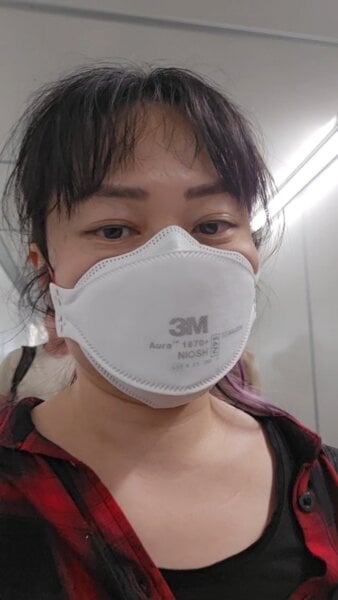
Key characteristics and common questions about respirators:
- Fit and Comfort: Soft, foldable N95-style respirators often provide a better and more comfortable fit for a wider range of faces than rigid cup-style designs. Headstraps generally ensure a more secure seal than earloops, though innovative earloop designs with internal gaskets are emerging. The most critical factor for efficacy remains a proper seal to the wearer’s face.
- Reusability: Unlike the early pandemic guidance, N95 respirators are not single-use items. They can be reused until the filter material becomes noticeably difficult to breathe through or the seal integrity is compromised. This practical approach extends their lifespan and reduces waste.
- Fit Testing: While formal qualitative or quantitative fit testing is mandated for occupational use, individuals can achieve good protection by performing a simple "seal check." This involves donning the respirator, pressing the edges, and exhaling sharply to detect any air leakage around the face. If no leakage is felt, a sufficient seal is generally achieved for personal use.
Examples of highly effective respirators include:
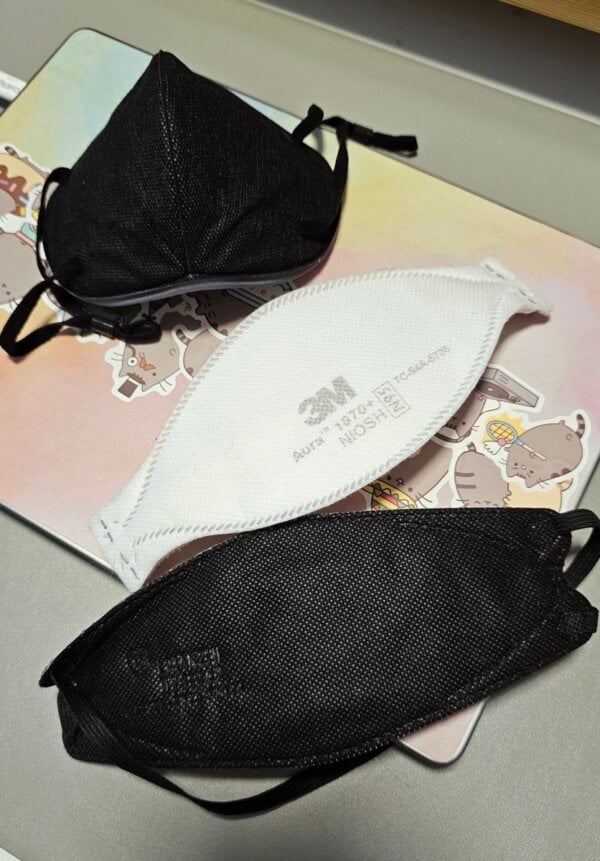
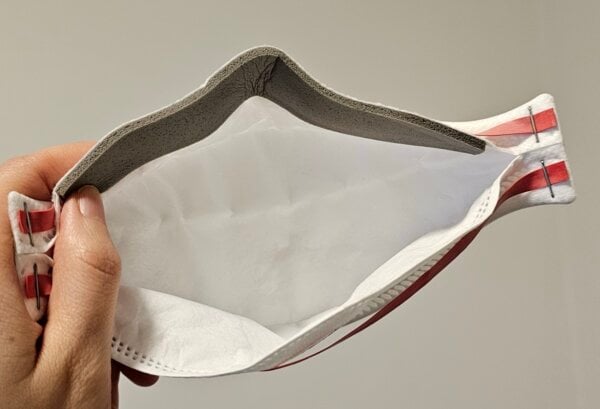
- 3M Aura (e.g., 1870+, 9320A+): These respirators are widely favored for their high filtration efficiency, often incorporating electrostatic material, and their distinctive boat-shaped design. They boast high fit rates (upwards of 90% of individuals) and are noted for comfort, sitting away from the nose and mouth. Their efficacy has been demonstrated in high-risk environments like air travel. Available from hardware stores and medical suppliers, their cost can be significantly reduced when purchased in bulk. Variations with valves for easier exhalation or fabric straps for comfort are also available.
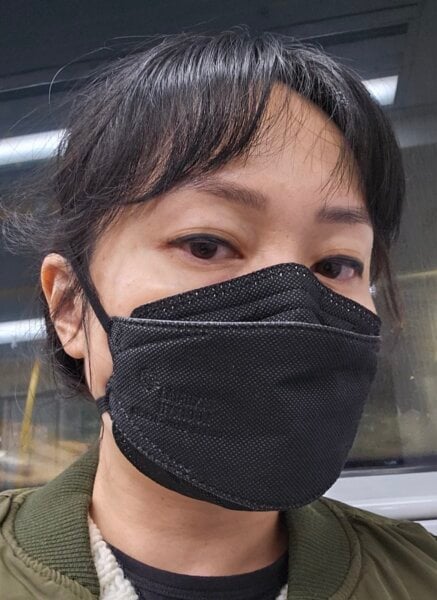
- Laianzhi HYX1002 (KN100): A Chinese-standard KN100 mask, offering similar design principles to the Aura with black fabric straps. It provides excellent filtration and comes in various sizes to optimize fit.
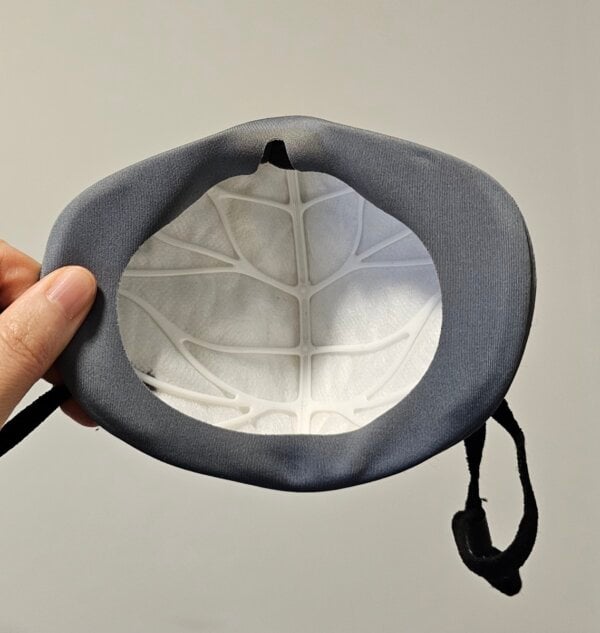
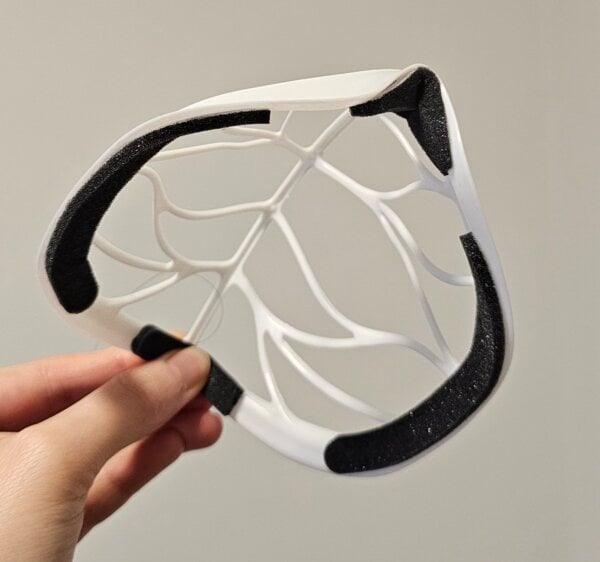
- Zimi Air: This innovative design features a reusable frame and replaceable filters, incorporating an internal gasket for an enhanced seal without excessive pressure on the face, making it ideal for avoiding facial marks or makeup disruption. While requiring some customization with foam strips and qualitative fit testing, its potential for a superior seal with earloops is a significant advancement.
Reliable resources such as the Masks4All Wiki, and experts like Aaron Collins ("Mask Nerd") and Gerard Hughes, provide invaluable information on respirator selection, testing, and proper usage. Practical tips, such as using mask chains or adapting glasses chains, can improve user convenience and aesthetics.
Respirators are particularly recommended in high-risk indoor settings with poor ventilation, such as planes, airports, pharmacies, hospitals, doctors’ clinics, and crowded educational or public transport environments, especially during peak illness seasons. Anecdotal evidence also suggests that wearing respirators on planes can help maintain nasal passage moisture, preventing common issues like nosebleeds in dry cabin air.
Advanced Air Purification Systems
Beyond personal respirators, air purification technologies play a critical role in enhancing indoor air quality.
- Laminar Air Flow Purifiers: Unlike conventional air purifiers that produce turbulent air streams, laminar flow purifiers, such as the AirFanta 4Lite, generate a stable, unidirectional stream of clean air over a longer distance. This allows for the creation of a personal "clean air zone," where an individual can breathe highly filtered air, even while eating or temporarily unmasked in a shared space. The AirFanta Wear, a portable, neck-worn device, offers a similar concept, directing small streams of purified air towards the mouth and nose, although its efficacy is not comparable to a well-fitting respirator.
- General Air Purifiers (HEPA): Standard HEPA air purifiers are indispensable for cleaning the air in larger rooms. HEPA filters are certified to capture at least 99.97% of particles that are 0.3 micrometers in diameter, effectively removing viral aerosols, dust, pollen, and smoke. The Clean Air Delivery Rate (CADR) is a key metric, indicating how quickly an air purifier can clean a room of a specific size. Higher CADR values are desirable, and strategic placement (e.g., slightly away from walls) optimizes airflow. These devices are highly beneficial in classrooms, offices, hotel rooms with central air systems, and homes to limit intra-household transmission and improve general air quality. Resources like Clean Air Stars provide tools for selecting appropriate purifiers based on room dimensions and CADR requirements.
Emerging Technologies: Far-UVC Light
Far-UVC technology, specifically using light at 222 nanometers (nm), represents a promising frontier in airborne pathogen control. Unlike conventional UVC light, which is hazardous to human skin and eyes, 222 nm Far-UVC light has demonstrated efficacy in inactivating airborne microbes while posing minimal harm to human tissues. The unique wavelength of Far-UVC is thought to be absorbed by the outer layers of the skin and tears, preventing it from reaching living cells.
While research into its long-term safety and optimal deployment continues, and careful product specification is crucial due to variability in commercial offerings, Far-UVC holds significant potential. It could be deployed in various public settings, including transportation hubs, medical waiting rooms, dental offices, restaurants, and event venues, to continuously disinfect ambient air. Reputable brands like Nukit are actively involved in responsible product design, testing, and public education regarding the sensible use of Far-UVC.
Ancillary Personal Measures
While not substitutes for clean air or respiratory protection, certain personal hygiene practices can offer supplementary benefits:
- Nasal Rinses: Studies suggest that nasal rinses, using saline solutions with devices like a Neilmed bottle, can reduce the duration and severity of common colds and alleviate allergy symptoms. The theoretical benefit against viral infections is that they may physically rinse away pathogens trapped in nasal mucus before they can fully establish infection. They are a low-risk intervention, particularly useful after potential high-exposure situations like crowded gatherings or medical appointments.
- Nasal Sprays: Certain nasal sprays contain active ingredients designed to either block viral binding sites in the nose or directly inactivate viruses on contact. However, the inconsistent application and delivery of active ingredients in nasal sprays mean their protective efficacy is considered secondary to more robust measures.
Situational Awareness and Public Health Data
Monitoring community disease levels is an important aspect of personal risk assessment. Similar to checking a UV index for sun exposure, staying informed about local COVID-19 transmission rates (e.g., wastewater surveillance data, hospitalization trends) allows individuals to adjust their risk tolerance and adopt heightened precautions when pathogen levels are high. Public health bodies and academic initiatives often provide localized data, empowering individuals to make informed choices about their activities.
Broader Implications and the Path Forward
The comprehensive approach to airborne pathogen mitigation outlined here reflects a growing understanding of respiratory health and the importance of proactive strategies. This shift has profound implications for public health policy, building design, and individual empowerment.
- Public Health Policy: There is an increasing need for public health guidelines to fully integrate airborne transmission principles, promoting ventilation standards, and advocating for the widespread availability and appropriate use of high-quality respirators.
- Infrastructure Improvements: Investment in improving ventilation systems in public buildings, schools, workplaces, and transportation is critical. Simple measures, like ensuring operable windows or installing HEPA filtration, can dramatically improve indoor air quality.
- Individual Empowerment: Providing individuals with the knowledge and tools—from CO2 monitors to advanced respirators and personal air purifiers—enables them to take greater control over their health risks in diverse environments.
As scientific understanding continues to evolve, these tools and strategies represent a pragmatic and effective pathway to fostering healthier communities and reducing the burden of respiratory illnesses in an interconnected world. The journey from droplet dogma to an airborne-aware future is ongoing, demanding continuous adaptation and a commitment to evidence-based practices.
This article draws upon insights and resources originally published on Lab Muffin Beauty Science on July 8, 2025, which discussed personal strategies for mitigating airborne illness.
