

The US Department of Health and Human Services (HHS) has initiated a significant campaign, the "Make Hospital Food Healthier" pledge, aiming to elevate the nutritional quality of meals served within healthcare facilities across the nation. This initiative directly encourages healthcare institutions to curtail the consumption of processed meats and to actively prioritize nutrient-dense, less-processed alternatives, with a particular emphasis on plant-based proteins. This move follows a directive issued in March by the US government, mandating that hospitals align their food procurement practices with the recently updated Dietary Guidelines for Americans (DGAs) or risk the forfeiture of crucial federal funding.
The "Make Hospital Food Healthier" pledge formalizes the government’s commitment to improving hospital nutrition. While participation in this pledge is voluntary, it represents a clear signal from the HHS regarding the critical role of nutrition in patient outcomes. The pledge specifically targets ultra-processed foods (UPFs), which are often laden with added sugars, excessive salt, and artificial additives. By advocating for a reduction in these items and processed meats, the initiative underscores the belief that nutritious food is instrumental in fostering patient recovery, supporting overall wellness, and contributing to long-term health. The commitment explicitly calls for prioritizing minimally processed proteins, with plant-based proteins being specifically highlighted as a preferred option.
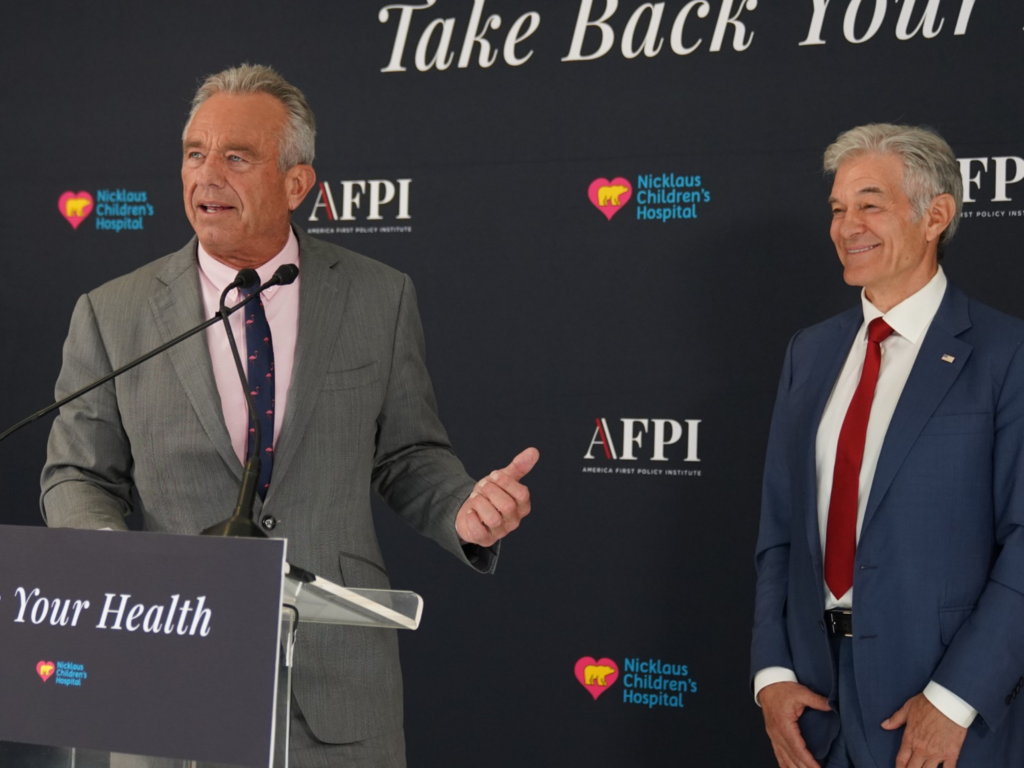
HHS Secretary Robert F. Kennedy Jr. articulated the rationale behind this push, stating, "Patients recovering from serious medical conditions deserve better than ultra-processed and deep-fried junk foods. Today, we’re challenging hospitals across the country to lead by example by serving nutritious, minimally processed meals that help patients heal, reduce chronic disease, and help Make America Healthy Again." This statement underscores a broader vision of healthcare that integrates dietary interventions as a fundamental component of treatment and recovery.
A Growing Consensus Against Ultra-Processed Foods
The "Make Hospital Food Healthier" pledge arrives at a time when ultra-processed foods (UPFs) are increasingly coming under scrutiny from health experts and the public alike. UPFs constitute a substantial portion of the American diet, accounting for an estimated 55% of daily caloric intake, a figure that escalates to a concerning 67% for children. A growing body of scientific literature has linked the high consumption of UPFs to a wide array of adverse health outcomes, including obesity, type 2 diabetes, cardiovascular diseases, certain types of cancer, and even premature mortality.
Public concern over UPFs is palpable. A significant majority of consumers, approximately 72%, are actively attempting to reduce their intake of these products, with 79% viewing them as a "significant threat" to public health. This growing awareness has prompted governmental and state-level actions aimed at curbing their prevalence. The Food and Drug Administration (FDA) is in the process of developing a standardized definition of UPFs, which is intended to encourage manufacturers to label their products as "non-ultra-processed." At the state level, California is exploring the creation of an on-pack "anti-UPF seal" and has already begun phasing out UPFs from its school meal programs, signaling a multi-pronged approach to dietary reform.
Despite the general consensus regarding the negative health impacts of UPFs, the classification and definition of these products remain a subject of debate. The Nova classification system, which originally categorized foods based on their level of processing, has faced criticism for being overly broad. Critics argue that processing levels should not be conflated with nutritional value, as some products that fall under the UPF umbrella, such as whole-grain bread or fortified milk alternatives, can offer significant health benefits. This nuance highlights the complexity of dietary recommendations and the need for clear, evidence-based guidelines.
The Dietary Guidelines for Americans: A Contentious Foundation
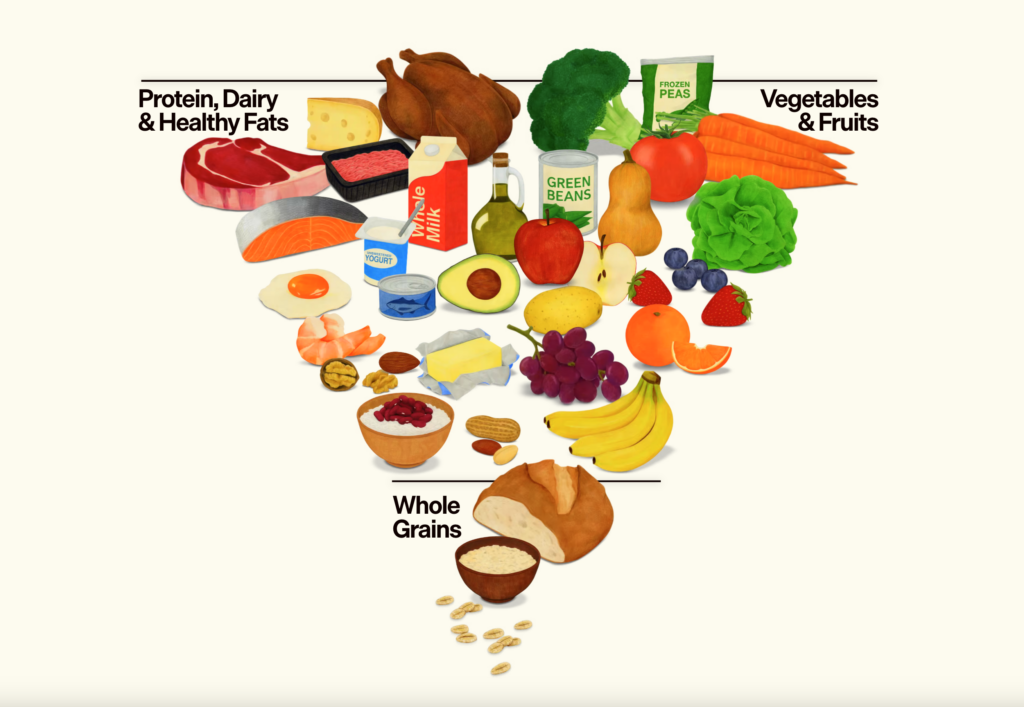
The HHS initiative is intrinsically linked to the broader framework of the Dietary Guidelines for Americans (DGAs). The March directive mandated that hospitals align their food purchases with these guidelines, which are updated every five years. The latest iteration of the DGAs, however, has been met with considerable controversy. Critics, including nutrition and health experts, have raised concerns about the guidelines’ endorsement of red meats like beef and pork, the reintroduction of whole milk into dietary recommendations, and the promotion of butter and tallow, despite advising Americans to limit saturated fat intake.
This perceived contradiction has led to fierce backlash from various stakeholders. Even groups aligned with the MAHA (Make America Healthy Again) movement, which has been associated with RFK Jr., have voiced opposition, urging the Trump administration not to increase the meat requirements for school meals. The DGAs, which advocate for the slogan "Eat Real Food," have been accused by some of being influenced by industry lobbying, particularly from the meat and dairy sectors. This has created a complex landscape where governmental dietary advice faces both public health imperatives and industry pressures.
Adding to the controversy surrounding UPFs and dietary guidelines, a MAHA-aligned non-profit reportedly spent $8 million to air a Super Bowl advertisement that attacked UPFs. The advertisement featured boxer Mike Tyson, a figure whose personal history, including a rape conviction and documented instances of domestic violence, has drawn criticism and raised questions about the appropriateness of his involvement in public health messaging. This advertisement aimed to promote the new dietary guidelines, further intertwining the debate over processed foods with broader cultural and political discussions.
The "Make Hospital Food Healthier" Pledge: A More Focused Approach
In contrast to the broader and more contentious DGAs, the "Make Hospital Food Healthier" pledge offers a more focused and arguably more pragmatic approach to improving hospital nutrition. The pledge encourages healthcare institutions to reduce their reliance on sugary beverages and heavily processed meals, promote whole grains over refined ones, and shift cooking methods away from deep-frying towards baking, boiling, roasting, stir-frying, or grilling. A key element of the pledge is the emphasis on incorporating fruits, vegetables, legumes, nuts, seeds, seafood, and healthy fats into patient diets.
However, the voluntary nature of the pledge presents a significant challenge. Without a mandatory framework or consistent enforcement mechanisms, hospitals may opt out of signing the pledge, allowing them to maintain their existing procurement practices. This could limit the widespread impact of the initiative and potentially leave a significant portion of the patient population without access to healthier meal options.
The Urgent Need for Nutritional Intervention in Healthcare
The imperative for improving hospital food quality is underscored by alarming statistics on diet-related chronic diseases in the United States. Approximately one million Americans die annually from these conditions, a figure that tragically surpasses the number of deaths attributed to smoking. A poor diet is widely recognized as a leading modifiable risk factor for a host of chronic illnesses.
Research consistently demonstrates the detrimental impact of red and processed meats on health. These food categories are strongly associated with an increased risk of obesity, type 2 diabetes, various forms of cancer, and cardiovascular disease, all of which contribute to premature mortality. The American Heart Association, in its recently updated guidelines, has explicitly advocated for prioritizing plant proteins over meat, aligning with the growing scientific consensus on the benefits of plant-forward diets.
Success Stories and Future Implications
The effectiveness of prioritizing plant-based nutrition in healthcare settings is not merely theoretical. New York City’s public hospital system provides a compelling case study. By adopting a "plant-based by default" approach, where vegan meals are the standard offering unless otherwise requested, the system achieved remarkable results. This initiative led to a 36% reduction in food-related emissions and a commendable 90% patient satisfaction rate. Notably, the selection of meat-based main courses declined by 20%, indicating a positive shift in patient preference.
Furthermore, the economic benefits were significant. The vegan meals were, on average, 59 cents cheaper than their meat-based counterparts. This cost-effectiveness is particularly relevant given that the federal government expends $5 trillion annually on healthcare, with an overwhelming 90% of these costs being driven by chronic diseases. Implementing healthier, more affordable food options within hospitals could therefore yield substantial savings and improve the overall efficiency of the healthcare system.
The HHS’s directive to hospitals in March, reminding them of their obligation to meet individual nutritional needs as a condition of receiving Medicare and Medicaid funding, served as a precursor to the current pledge. Mehmet Oz, administrator of the Centers for Medicare & Medicaid Services, emphasized this point: "We recently issued a reminder that any hospital which receives Medicare, which is virtually all of them, must ensure our inpatient meals meet individual nutritional needs." He further elaborated on the pledge’s objective: "Hospitals that take this pledge agree to work with us to ensure their nutrition services align with the dietary guidelines for Americans and support healing, recovery, and long-term health."
The "Make Hospital Food Healthier" pledge, while voluntary, represents a significant step in a broader national conversation about the intersection of food, health, and healthcare. Its success will ultimately depend on the willingness of healthcare institutions to embrace these recommendations and on the continued advocacy of public health organizations and policymakers to prioritize nutritious food as a cornerstone of healing and well-being. The long-term implications of this initiative could extend beyond individual patient care, potentially influencing food production, procurement practices, and public health outcomes across the United States.
