
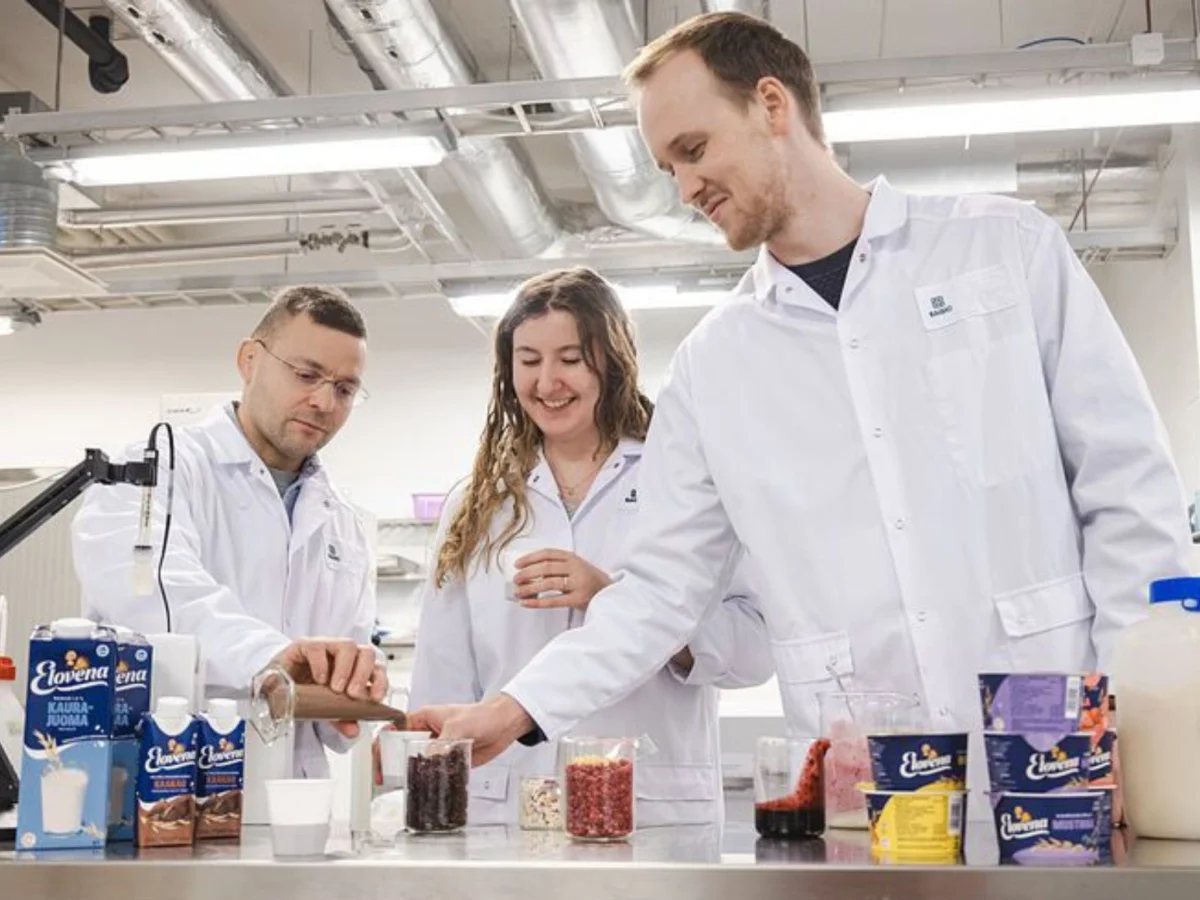
The Finnish government, through its state investment agency Business Finland, has committed €1.8 million to a groundbreaking project spearheaded by local food producer Raisio. This significant investment is earmarked for the development of innovative functional fibre ingredients derived from grain byproducts. Raisio, a prominent player in the healthy food sector and parent company to well-known brands like Benecol and Elovena, is matching this public funding with a substantial €2.7 million of its own capital, bringing the total investment in this crucial initiative to €4.5 million. This collaboration underscores a growing trend across Europe, where the upcycled food economy is increasingly attracting substantial investment as the continent strives to reduce its food waste footprint.
This ambitious four-year project, initiated in early 2024 and slated to run until the end of 2029, is a core component of the Global Center for Sustainable Bioproducts. This international consortium brings together leading industry players and academic institutions from Europe, North America, and Asia, all united by a common goal: to accelerate the global transition towards a more sustainable food system powered by renewable resources. Raisio’s leadership in this specific venture highlights its commitment to pioneering solutions that transform what was once considered waste into valuable, high-performance ingredients.
Scaling Up Waste Valorisation: Raisio’s Strategic Investment in Innovation
The funding injection will be instrumental in scaling up Raisio’s waste valorisation processes at its newly established pilot plant. This state-of-the-art facility, completed in the spring of 2024 at the Raisionkaari industrial site, was itself made possible through NextGenerationEU funding from Business Finland. The pilot plant represents a critical step in Raisio’s strategy to move from laboratory-scale research to industrial-level production, enabling the company to rigorously test and validate new ingredients and production technologies.
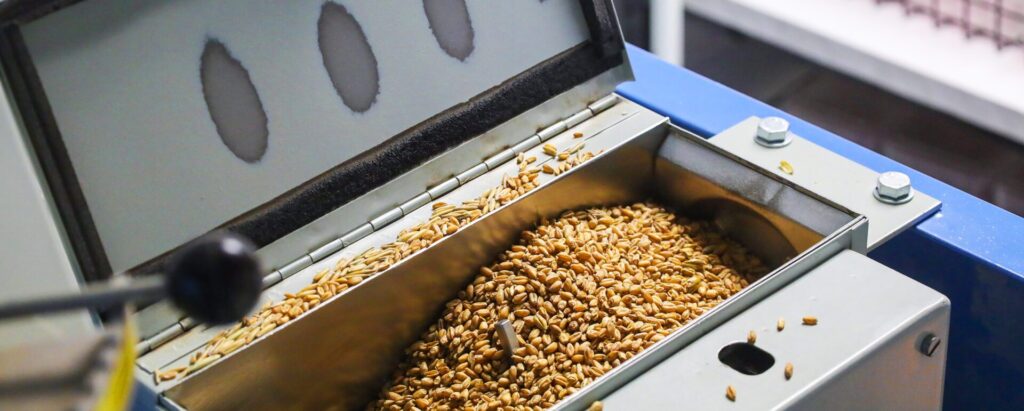
The primary objective of this initiative is to transform grain processing sidestreams – byproducts that are often discarded or underutilized – into functional fibre ingredients. These ingredients are intended for use in healthy food solutions, offering both strong nutritional benefits and advantageous technological properties for food manufacturers. Raisio aims to explore and validate the diverse applications and market potential for these novel ingredients, thereby enhancing the resource efficiency of its grain processing operations.
Last year, Raisio’s Research and Development (R&D) expenditure reached €3.2 million. The company views this new funding as a "significant investment" that will substantially bolster its innovation capabilities. This move aligns with Raisio’s long-term strategic vision, which emphasizes sustainable growth, resource efficiency, and the development of new business ventures. By investing in the circular economy and upcycling, Raisio is not only addressing environmental concerns but also positioning itself at the forefront of a rapidly evolving food industry.
A Collaborative Ecosystem for Sustainable Bioproducts
Raisio’s project is part of a larger Finnish consortium, comprising 16 companies and research organizations, with a collective project value estimated at around €12 million. This collaborative effort is coordinated by Åbo Akademi University, a renowned institution with a strong focus on sustainability research, and includes participation from other esteemed academic bodies such as the University of Turku and Aalto University. This multidisciplinary approach ensures that the project benefits from a wide range of expertise, from fundamental scientific research to practical industrial application.
Within this extensive network, Raisio contributes its specialized knowledge in waste-to-value strategies for healthy food ingredients. This participation is expected to strengthen Raisio’s global innovation network and support its strategic ambition to become a leading innovator in fibre-based solutions across Europe. The interconnectedness of the consortium members fosters knowledge sharing and accelerates the development and commercialization of new sustainable food technologies.
The Growing Significance of Fibre in Modern Nutrition and Food Innovation
The focus on fibre ingredients is not arbitrary; it reflects a significant and growing consumer demand and scientific understanding of fibre’s multifaceted health benefits. Raisio has identified fibre-rich and functional food ingredients as one of the fastest-growing categories within the food innovation landscape. Reetta Andolin, Chief Innovation Officer at Raisio, stated, "Fibre is becoming one of the most important areas in future food innovation."
This surge in interest is driven by several converging factors. Firstly, there is a well-documented dietary gap: Europeans, on average, consume only 16-24 grams of fibre daily, falling significantly short of the 25-35 grams recommended by health experts. In Finland specifically, approximately 70% of adults have an insufficient fibre intake. This gap presents a substantial market opportunity for companies like Raisio that can provide effective and palatable fibre solutions.
Secondly, a growing segment of consumers is actively seeking to increase their fibre consumption. A recent survey indicated that 38% of European consumers are looking to incorporate more fibre into their diets. This trend is being amplified by emerging online health movements and social media phenomena such as "fibermaxxing" and "fibrelayering," which raise awareness about the importance of gut health. Furthermore, increased understanding of the role of the gut microbiome in overall health, coupled with the growing popularity of GLP-1 drugs which often emphasize satiety and metabolic health, has put fibre squarely in the spotlight.
Fibre’s Multifaceted Health Benefits: A Scientific Perspective
The scientific rationale behind the heightened focus on fibre is compelling. Fibre plays a crucial role in maintaining a healthy gut microbiome, which is intricately linked to numerous bodily functions, including metabolism and hormone regulation. Emerging research suggests that dietary fibre can stimulate the body’s natural GLP-1 (glucagon-like peptide-1) response. GLP-1 is a hormone that plays a key role in regulating blood glucose levels, promoting satiety, and managing appetite, thereby contributing to weight management.
Beyond its impact on metabolic health, fibre is also known for its cholesterol-lowering properties. Diets rich in fibre have been consistently associated with a reduced risk of several chronic diseases, including obesity, type 2 diabetes, stroke, heart disease, and certain types of cancer. This broad spectrum of health benefits makes fibre a highly sought-after nutrient in the modern food landscape.
Dietary fibre is not a monolithic entity; it comprises various types, including soluble, insoluble, and prebiotic fibres, each offering distinct advantages for the body. Raisio’s approach emphasizes not just the quantity of fibre but also its quality and functionality. This aligns with consumer trends that prioritize the nuanced benefits of different fibre types, a concept often referred to as "fibrelayering," where a varied intake is encouraged for optimal gut health.
Translating Scientific Breakthroughs into Marketable Products
A significant challenge in increasing fibre intake among consumers lies in developing ingredients that can be seamlessly integrated into a wide range of food products without compromising taste or texture. Raisio’s project aims to address this by focusing on creating fibre ingredients with excellent sensory profiles and versatile functionalities. The ability to translate complex scientific understanding of fibre’s benefits into practical, appealing food applications is crucial for market success.

"We see significant international potential in turning grain side streams into high-value ingredients," commented Andolin. "This supports both our sustainability targets and our ambition to build new business." This strategic focus on upcycling and innovation not only contributes to Raisio’s environmental and business objectives but also positions Finland as a leader in the global sustainable food sector.
The investment from Business Finland and Raisio’s own commitment signal a strong belief in the economic and environmental viability of upcycling agricultural byproducts. As Europe continues to grapple with the challenges of food waste and seeks to build a more resilient and sustainable food system, projects like Raisio’s are vital. They demonstrate how innovation, strategic investment, and collaborative research can transform challenges into opportunities, creating value from waste and promoting healthier, more sustainable consumption patterns for the future. The success of this initiative could pave the way for similar projects across the continent, further accelerating the transition to a truly circular bioeconomy in the food sector.
