
The escalating cost of meat across key European markets, including the UK, Germany, and Spain, has fundamentally shifted the economic landscape for consumers, positioning plant-based proteins and meat alternatives as increasingly wallet-friendly choices. This trend, driven by a confluence of climate change impacts, declining livestock numbers, and geopolitical instability, marks a significant departure from pre-pandemic pricing dynamics where meat often held a cost advantage.
Recent analyses, particularly by climate advocacy group Madre Brava, drawing on Euromonitor data, reveal a stark contrast in price trajectories. While the cost of essential plant proteins like legumes and tofu has seen modest increases, conventional meat products such as beef, pork, and chicken have experienced substantial price surges. This widening affordability gap is forcing consumers to reconsider their dietary choices, with economic factors now strongly favouring plant-based options.
A Timeline of Rising Meat Prices and Shifting Affordability
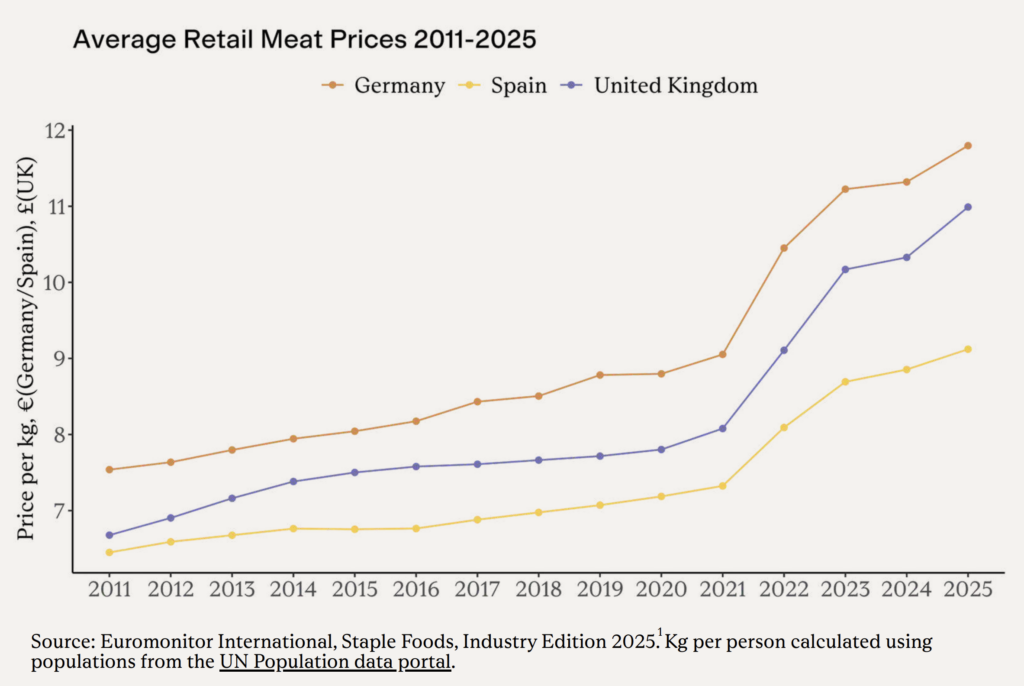
The period since 2019 has been characterized by a steady and significant increase in meat prices across Europe. In Spain, average meat prices have climbed by approximately 29%, while Germany has witnessed a 34% rise. The UK has experienced the most dramatic inflation, with meat prices soaring by an average of 42% since 2019. This sustained upward trend has not only deepened the existing price disparity between meat and naturally affordable protein sources like dried pulses but has also made even the most basic meat products less accessible for many households.
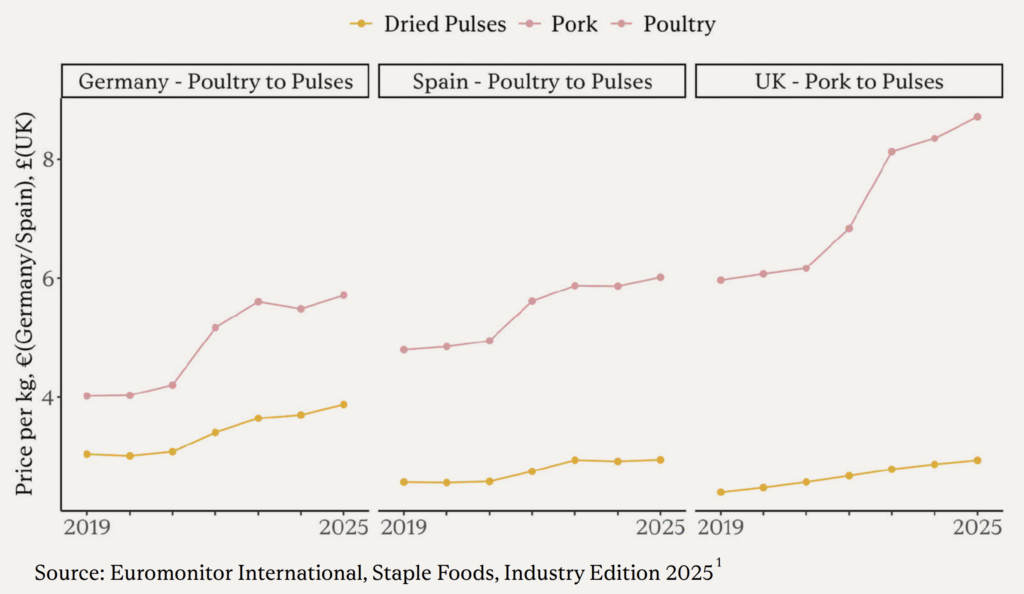
The impact on consumer budgets is palpable. In Germany, the price difference between poultry and legumes, which was already in favour of legumes, has nearly doubled between 2019 and 2025. In 2019, poultry was approximately €0.98 more expensive per kilogram than legumes. By 2025, this gap had widened to €1.83. Similarly, in Spain, the price premium for poultry over dried legumes saw a substantial increase from €2.22 to €3.06 per kilogram. The divergence is even more pronounced for pork, where the price gap with pulses in the UK has widened from £3.56 to an alarming £5.77 per kilogram over the same period.
Even within the meat category, beef has been particularly susceptible to price hikes. Since 2019, beef prices have surged by 39% in Germany, 44% in Spain, and a significant 56% in the UK. Pork and poultry have not been immune, with pork prices rising by 37% in Spain, and poultry experiencing increases of 25% in Germany and 36% in the UK. This means that even the cheapest cuts and types of meat are now consistently outpriced by staple plant-based proteins.
Plant-Based Alternatives: From Premium to Practical
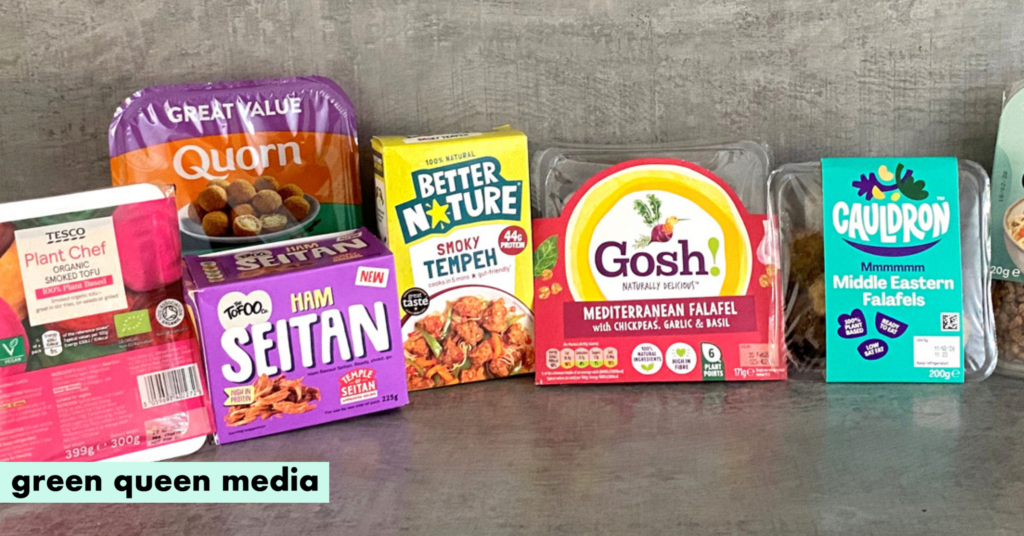
The economic narrative extends to the burgeoning market of plant-based meat alternatives. Historically, these products were often positioned as premium options, carrying a significant price premium over their conventional counterparts. However, the economic shifts of the past few years have dramatically altered this perception.
In Germany, plant-based meat alternatives are now, on average, €0.40 cheaper per kilogram than conventional processed meat. This marks a reversal from pre-pandemic levels, when they were approximately €2.36 more expensive. The UK has seen a similar, albeit less pronounced, shift, with plant-based alternatives now costing £0.29 less per kilogram, compared to being £0.40 more expensive prior to the pandemic.
Spain, while still developing its plant-based market, has also witnessed a narrowing of the price gap. The premium for vegan meat has reduced from €3.10 to €2.41 per kilogram during this period. While still carrying a price premium, the significant reduction indicates a move towards greater affordability and accessibility for consumers in Spain.
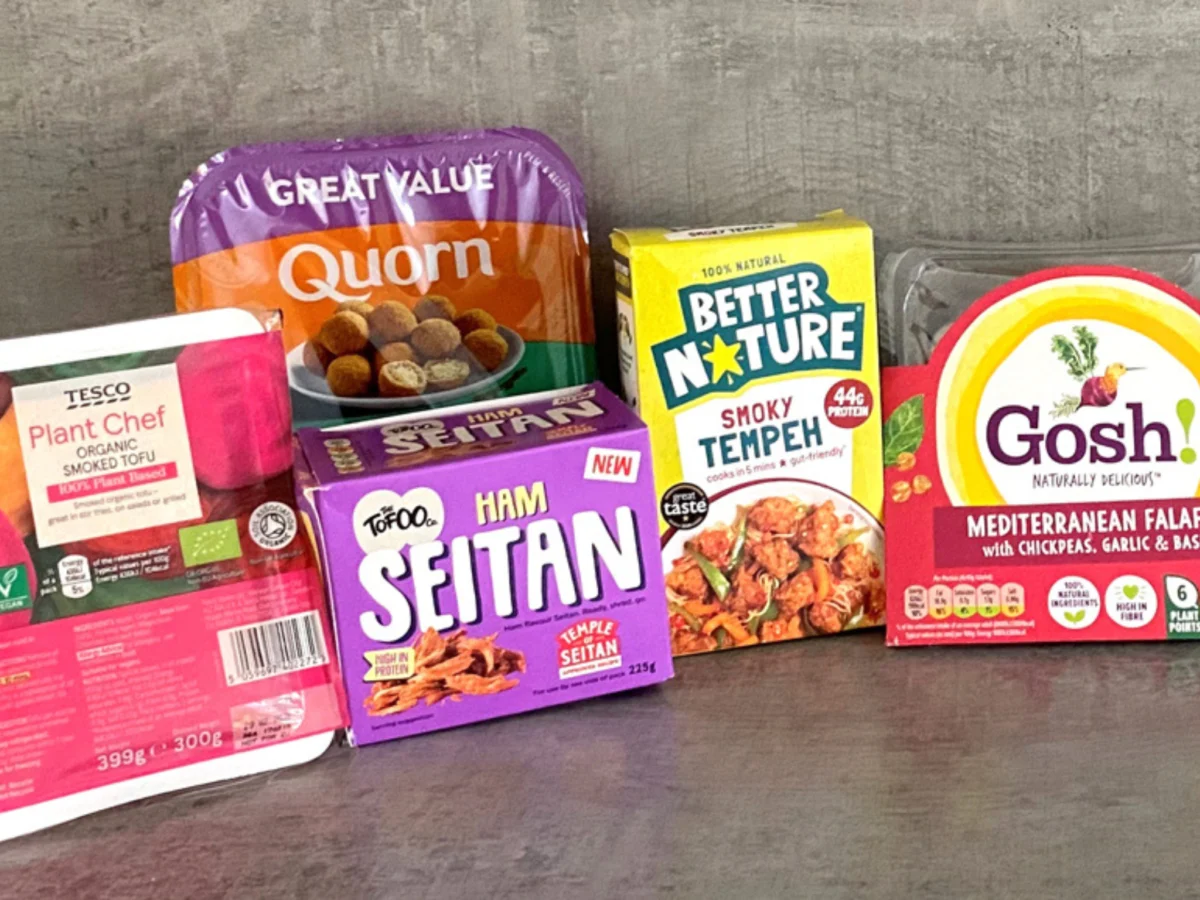
The price increases for plant proteins like tofu and tempeh have also been considerably more moderate. In Germany and the UK, tofu prices have risen by 23% and 27% respectively since 2019, a fraction of the increases seen in meat. In Spain, the price of tofu has remained remarkably stable, with an increase of less than 1% since before the pandemic.
Underlying Drivers of Meat Price Inflation
The sustained rise in meat prices is not an isolated phenomenon but is intricately linked to a complex web of global challenges. Climate change is a primary antagonist, with extreme weather events such as heatwaves, droughts, wildfires, and floods directly impacting agricultural productivity. These events disrupt the growth of feed crops, compromise animal health, and reduce growth rates in livestock, all of which contribute to increased production costs.
Furthermore, a documented decline in livestock numbers in some regions, coupled with geopolitical conflicts, exacerbates supply chain vulnerabilities and drives up prices. The conflict in Ukraine, for instance, had a significant ripple effect on global food markets, and the ongoing escalation of conflicts in regions like the Middle East raises concerns about further price volatility and inflation. Madre Brava explicitly warned that as the conflict in the Middle East escalates, meat prices are likely to be pushed even higher, mirroring the impact seen with the onset of the war in Ukraine.
The inherent inefficiency of meat production also plays a crucial role. Meat production is resource-intensive, requiring substantial amounts of land, water, and feed. Livestock convert only a fraction of the protein from their feed into meat, meaning that a large proportion of the resources invested in feed production are effectively lost in the process. This inefficiency makes the meat supply chain more susceptible to price fluctuations when input costs rise.
Analysis and Implications: A New Normal for Protein Consumption
The current economic climate suggests a potential paradigm shift in protein consumption patterns across Europe. The affordability of plant-based proteins, both basic staples like beans and lentils, and processed alternatives, offers a crucial buffer against food inflation for consumers. Nico Muzi, Chief Programme Officer for Madre Brava, emphasized this point, stating, "The good news for consumers is that the price of healthy, sustainable proteins such as beans, lentils and tofu has not increased as much, so they’ve stayed relatively cheap. In this sense, they’re a buffer against meat price inflation."
Beyond affordability, plant-based proteins offer significant health benefits. Muzi highlighted that these options are "often packed with fibre, which makes them a great way to tackle the serious fibre deficit we’re seeing in many European countries." This dual advantage of economic sensibility and nutritional value positions plant-based diets as a compelling choice for a growing segment of the population.
Retailer Opportunities and Responsibilities
The persistent price shocks in the meat market present a significant opportunity for Europe’s supermarkets. As consumers increasingly seek affordable and sustainable protein options, retailers that adapt their offerings and pricing strategies stand to gain market share and customer loyalty. Recent analyses corroborate the trend of plant-based foods becoming more economically competitive.
In the UK, research from Green Alliance has indicated that several plant-based alternatives are now priced comparably to, or even cheaper than, conventional meat products at major retailers like Tesco. Further data from the Good Food Institute Europe revealed that in the first quarter of 2026, vegan mince and meatballs were 33% and 41% cheaper than their meat counterparts at Tesco. This shift is reflected in sales figures, with Tesco reporting a nearly 25% increase in sales of meat-free mince last year, alongside a 12% rise in sales of tofu, tempeh, and seitan.
Germany has also seen significant movement, with discount supermarket Lidl actively promoting its private-label Vemondo plant-based products. Since 2023, these products have been priced at parity or even below comparable meat and dairy options. Overall, a recent analysis indicated that a vegan shopping basket in Germany is now 5% more affordable than one containing animal proteins across seven of the eight largest supermarket chains, a marked improvement from a 16% price premium observed in 2024.
Madre Brava is urging supermarkets to capitalize on this opportunity not only for commercial benefit but also to contribute to broader climate goals. The organization advocates for robust climate plans with clear Scope 3 emission-reduction targets, emphasizing that only a small fraction of Europe’s top supermarkets currently have such roadmaps.
To facilitate this "protein transition," Madre Brava suggests implementing strategies based on the "4 Ps": price, product quality, placement, and promotion. This would involve ensuring plant proteins are priced at or below meat alternatives, enhancing their quality, allocating more prominent shelf space, and prioritizing them in promotional offers and shopping deals.
"Supermarkets can make money and help their customers weather the cost-of-living crisis, while also getting more fibre, by committing to increasing the proportion of beans, lentils, tofu and plant-based meat alternatives they sell," Muzi concluded. By 2035, it is recommended that at least 33% of proteins sold by retailers should be plant-based, rising to 60% for all food products. This strategic shift could not only address consumer economic pressures but also contribute significantly to environmental sustainability efforts.
