
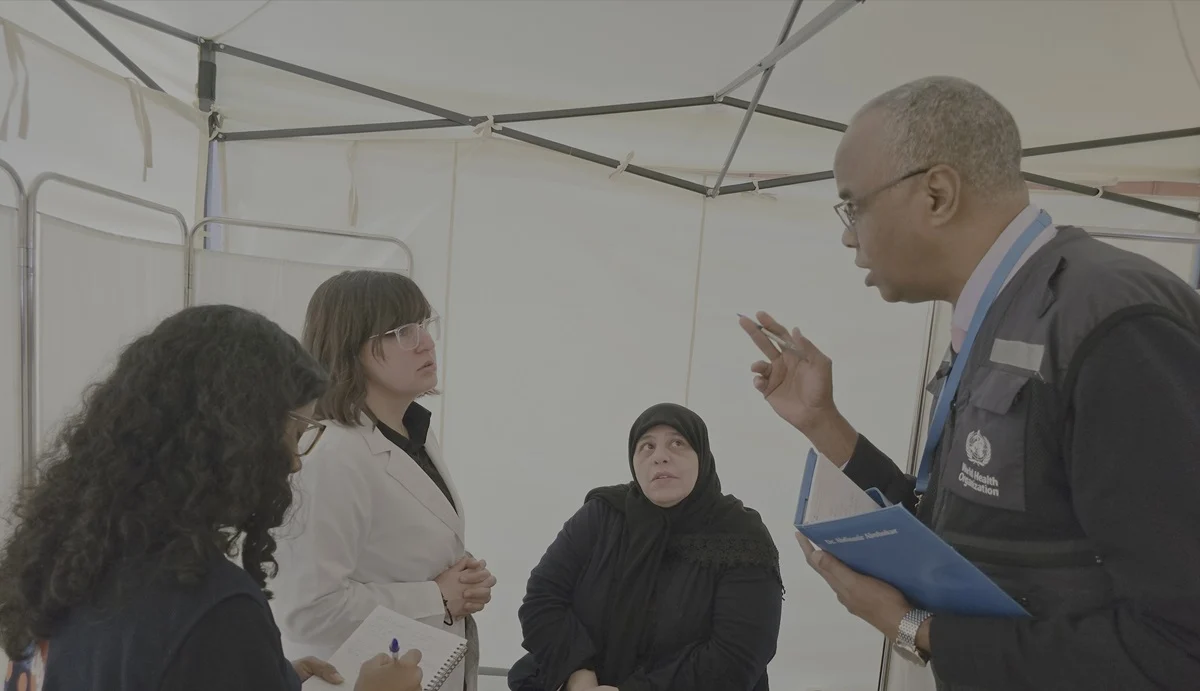
The Middle East is currently grappling with a severe humanitarian crisis as the latest escalation of conflict enters its second week, pushing national health systems to the brink of collapse. According to the latest situational reports from the World Health Organization (WHO) and regional health authorities, the surge in violence has resulted in thousands of casualties, massive internal displacement, and a systematic degradation of medical infrastructure. From the borders of Lebanon to the urban centers of Iran and the besieged streets of Gaza, the ability of medical professionals to provide life-saving care is being severely compromised by active hostilities and significant logistical barriers.
The Human Toll: Rising Casualties and Systematic Strain
As the conflict intensifies, the death toll and injury counts have reached staggering levels across multiple nations. In Iran, national health authorities have reported more than 1,300 fatalities and 9,000 injuries. The scale of these casualties has placed an immense burden on trauma centers and emergency departments, which were already operating under the constraints of regional economic pressures.
Simultaneously, Lebanon is witnessing a rapid increase in violence that has claimed at least 570 lives and left more than 1,400 people injured. The Lebanese health system, which has been struggling with a multi-year economic crisis, is now facing a sudden influx of high-acuity trauma cases. In Israel, authorities have reported 15 deaths and 2,142 injuries, reflecting the widespread nature of the security threat across the region.
The WHO has expressed particular alarm over the targeting of health services. Since February 28, the organization has verified 18 attacks on healthcare facilities in Iran, which resulted in the deaths of eight healthcare workers. During the same period in Lebanon, 25 attacks on healthcare infrastructure were documented, leading to 16 deaths and 29 injuries. These statistics represent a flagrant disregard for International Humanitarian Law, which mandates that health workers, patients, and medical facilities must be protected at all times during armed conflict.
Chronology of Escalation and Critical Thresholds
The current crisis did not emerge in a vacuum but followed a period of heightened regional tensions that reached a breaking point in late February.
- February 28: This date marks a critical shift in the conflict’s intensity. It was the day medical evacuations from the Gaza Strip were officially suspended, trapping thousands of critically ill and injured patients. It also serves as the baseline for the WHO’s tracking of targeted attacks on medical personnel in Lebanon and Iran.
- Early March: As hostilities spread, the Israeli military issued evacuation orders for various regions in Lebanon. This led to the immediate closure of 49 primary healthcare centers and five major hospitals, effectively stripping local communities of their primary defense against disease and injury.
- Mid-March: The conflict triggered a massive displacement event. In Iran, insecurity forced over 100,000 people to flee their homes. In Lebanon, the number of internally displaced persons (IDPs) skyrocketed to 700,000.
- Present Day: The conflict has transitioned into a protracted state of emergency where the primary threats are no longer just kinetic violence but the secondary effects of displacement, environmental toxins, and the total exhaustion of medical supplies.
The Displacement Crisis and Public Health Risks
The displacement of nearly a million people across the region has created a secondary public health emergency. In Lebanon, the 700,000 internally displaced persons are largely residing in crowded collective shelters, many of which were not designed for long-term habitation. These facilities are suffering from a lack of adequate sanitation, limited access to clean water, and poor hygiene infrastructure.
Public health experts warn that these conditions are a "tinderbox" for the spread of communicable diseases. There is a rising risk of:
- Respiratory Infections: Overcrowding and poor ventilation in shelters facilitate the rapid transmission of airborne pathogens.
- Diarrheal Diseases: Contaminated water sources and lack of waste management systems increase the likelihood of cholera and other waterborne illnesses.
- Vulnerable Population Impact: Women, children, and the elderly are disproportionately affected by the lack of specialized care, maternal health services, and routine vaccinations.
In Iran, the situation is further complicated by environmental hazards. Damage to industrial and petroleum infrastructure has resulted in large-scale fires. The resulting smoke and toxic pollutants have exposed nearby communities to hazardous chemicals. This has led to an immediate spike in respiratory distress, eye and skin irritations, and long-term concerns regarding the contamination of local food and water supplies.
Geographic Barriers and the Siege of Services
The conflict has effectively paralyzed movement in several key areas, creating "medical deserts" where care is no longer accessible.
In the occupied Palestinian territory, specifically the West Bank, increased movement restrictions and the closure of military checkpoints have severely delayed the operation of ambulances and mobile clinics. These delays are often the difference between life and death for trauma victims. In Gaza, the situation remains catastrophic. With medical evacuations suspended since February 28, hospitals are forced to operate under a state of siege.
The shortage of fuel has become a primary driver of mortality in Gazan hospitals. Fuel is currently being rationed with extreme severity, prioritized only for the most essential functions:
- Emergency and trauma surgery
- Maternal and neonatal intensive care units (incubators)
- Management of life-threatening communicable diseases
When fuel runs out, ventilators stop, incubators go cold, and the ability to sterilize surgical equipment vanishes. The WHO reports that the lack of medicines and basic medical supplies is now universal across the remaining functional facilities in the territory.
Global Logistics and the Dubai Hub Bottleneck
The impact of the Middle East conflict is being felt thousands of miles away due to the disruption of global humanitarian supply chains. The WHO’s global logistics hub in Dubai, which serves as the central nervous system for emergency medical distributions worldwide, has been severely impacted by temporary airspace restrictions.
More than 50 emergency supply requests, intended to support 1.5 million people across 25 different countries, are currently caught in a logistical backlog. These are not just supplies for the current conflict; they include life-saving materials for crises in Afghanistan and a critical shipment of cholera response supplies destined for Mozambique.
The disruption highlights the interconnectedness of global health security. When regional airspace is closed due to military activity, the ripple effect can result in a cholera outbreak in Southeast Africa going untreated or a lack of trauma kits in Central Asia. WHO officials are currently working to clear these backlogs, with the first shipments expected to resume in the coming week, provided security conditions hold.
Financial Shortfalls and the Regional Outlook
Perhaps the most daunting challenge facing the humanitarian response is the staggering lack of funding. The Eastern Mediterranean Region was already home to some of the world’s most vulnerable populations before this latest escalation. Currently, 115 million people in the region require some form of humanitarian assistance—representing nearly half of all people in need globally.
Despite the scale of the crisis, humanitarian health emergency appeals for the region remain 70% underfunded. This financial gap means that even if the violence were to stop tomorrow, the resources required to rebuild hospitals, replenish medical stocks, and treat the long-term psychological and physical trauma of the population are simply not available.
Official Responses and the Call for De-escalation
The World Health Organization, through its regional emergency communications lead Inas Hamam and its global media team, has issued an urgent plea to all parties involved in the hostilities. The organization emphasizes that the current trajectory is unsustainable and will lead to the total collapse of health security in the region if not addressed.
The WHO’s formal position includes three primary demands:
- Protection of Civilians and Health Care: All combatants must adhere to the Geneva Conventions, ensuring that hospitals are never used for military purposes and are never targeted.
- Unimpeded Humanitarian Access: Safe corridors must be established to allow for the continuous flow of fuel, medicine, and food into conflict zones, and to allow for the evacuation of the critically ill.
- Immediate De-escalation: The WHO maintains that the only permanent solution to the health crisis is a cessation of hostilities that allows for a transition toward recovery and peace.
As the conflict moves into its next phase, the international community faces a critical choice. Without immediate intervention to protect healthcare infrastructure and provide the necessary funding for the humanitarian response, the death toll from preventable diseases and untreated injuries is likely to surpass the casualties caused by direct military action. The strain on these already fragile health systems is not just a regional concern but a global humanitarian imperative.
