
As the European Union prepares to unveil the second phase of its ambitious Biotechnology Act, a critical juncture has arrived for its food and agricultural sectors. Climate advocacy group WePlanet has issued a compelling policy brief, urging the bloc to explicitly designate fermentation-derived food ingredients as a covered technology category and to significantly bolster investment in scaling these innovative production methods. This call to action comes amidst growing international criticism of the EU’s perceived sidelining of novel food technologies in the initial Biotech Act, which focused primarily on health applications. The upcoming Biotech Act II, slated for Q3 2026 and concentrating on agricultural and industrial biotechnology, presents a crucial opportunity for the EU to pivot towards a more sustainable, secure, and self-sufficient food system.
The urgency of this policy shift is underscored by a confluence of mounting threats to the EU’s food security. A deep-seated dependency on imports, exacerbated by escalating geopolitical tensions and the intensifying impacts of climate change, has rendered the bloc’s food system structurally vulnerable. WePlanet’s analysis highlights that the current reliance on land-based agriculture and livestock, while foundational, possesses a finite capacity to absorb the shocks of these converging crises. This inherent fragility necessitates the exploration and integration of complementary and alternative production pathways.
The Imperative for Advanced Fermentation in the EU’s Food Strategy
The policy brief argues that advanced fermentation, encompassing technologies like single-cell protein production, mycelium cultivation, and precision fermentation, offers a parallel and scalable manufacturing layer for both animal feed and human food. This approach is not intended to replace existing agricultural practices but to augment them, thereby enhancing the overall resilience of the food system against future disruptions. "Advanced fermentation – single-cell protein, mycelium, precision fermentation – offers a parallel, scalable production layer for feed and food, complementing existing agriculture and livestock and making the entire food system more resilient to future shocks," stated WePlanet in a recent LinkedIn post. The organization further emphasized the rare synergy between competitiveness, food security, strategic autonomy, and sustainability when it comes to scaling biomanufacturing.
The current EU food system’s vulnerability is starkly illustrated by its reliance on external sources for critical inputs. Approximately 70% of the plant protein used in animal feed is imported, predominantly soy from South America. Even more concerning is the profound dependence on China for fermentation-derived amino acids and vitamins, essential components for the functioning of European livestock agriculture. This dependency carries significant geopolitical risks, as demonstrated by China’s past use of fertilizer export controls as a political lever. With biomanufacturing now central to China’s national economic strategy, as outlined in its latest five-year plan, the EU risks deepening existing dependencies rather than mitigating them. WePlanet drew a parallel to the EU’s experience with solar panel manufacturing, where a decade of deliberate industrial policy by China led to the consolidation of 90% of the EU’s supply, a development now recognized as a strategic autonomy failure. The same dynamic is rapidly unfolding in the domain of fermentation-derived ingredients.
Addressing Critical Import Dependencies Through Biomanufacturing
The European Commission’s own forward-looking framework for agriculture and food policy for 2040 acknowledges the need to reduce "critical import dependencies" as a core resilience objective, specifically naming protein crops and oilseeds. The strategy also points to the bioeconomy as a key tool to achieve this goal. Biotech Act II, therefore, represents a pivotal legislative opportunity to establish a robust foundation for a competitive biomanufacturing sector within the EU. Such a sector would not only bolster food security for both humans and livestock but also enhance the bloc’s geopolitical autonomy by reducing its reliance on external suppliers for critical food components.
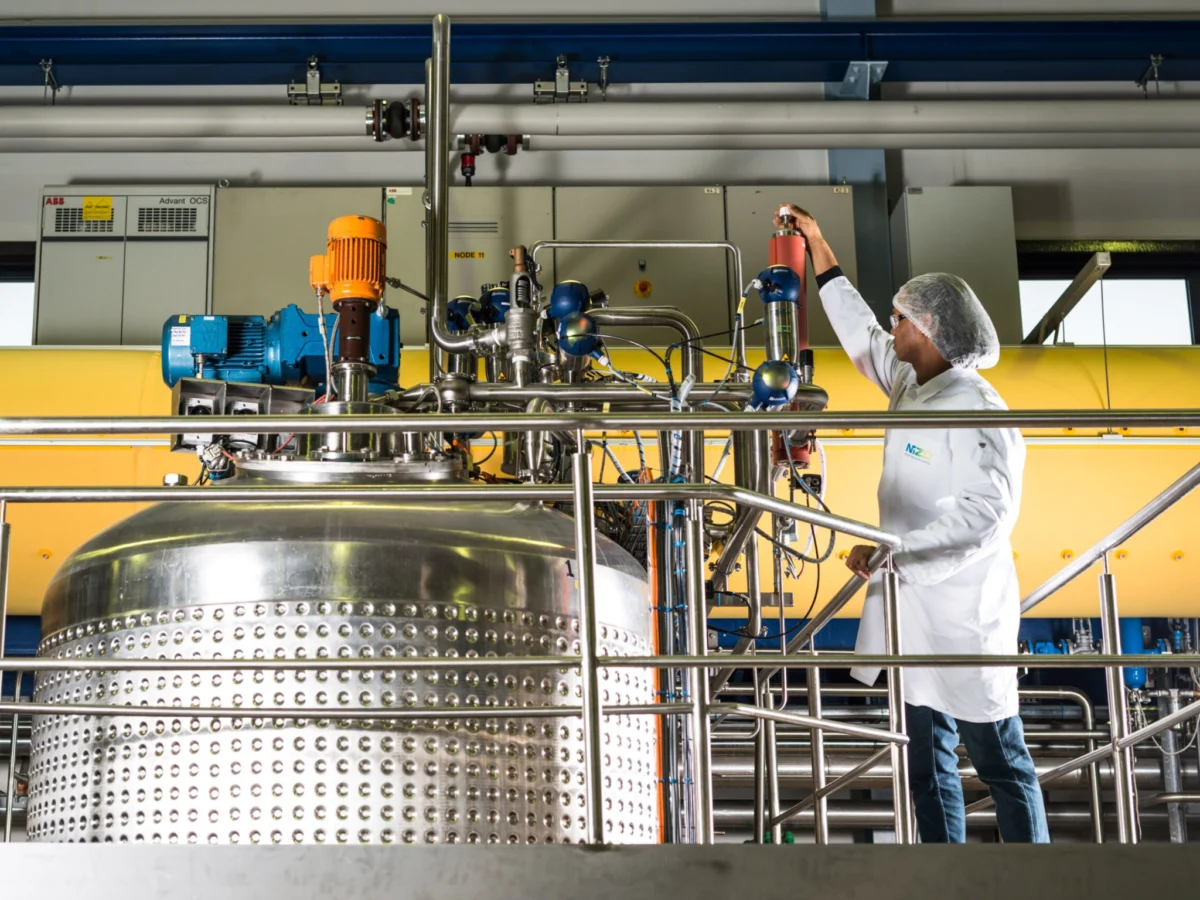
Fermentation’s inherent flexibility as a manufacturing process is a significant advantage. Production can be rapidly scaled up or down in bioreactors in response to market demand and feedstock availability. This adaptability makes the food system more agile and resilient, capable of producing a wider array of novel foods for both human consumption and animal feed. The integration of these biotechnologies is seen as a crucial step in future-proofing the EU’s food supply chain.
Facilitating Investment and Scale-Up: The Role of Biotech Act II
WePlanet’s policy brief underscores that the scientific viability of fermentation-derived ingredients is no longer in question. Single-cell proteins, for instance, are rich in essential amino acids and vitamins and have already received approval for use in both terrestrial and aquaculture feed. The primary obstacle to their widespread adoption and the development of a robust EU biomanufacturing sector is the lack of sufficient economies of scale. A striking example of this challenge is Denmark’s Unibio, which is constructing its world-leading single-cell protein facility not within Europe, but in Saudi Arabia, highlighting a concerning trend of investment and development occurring elsewhere.
Edible microbial proteins produced through biomass fermentation are already gaining traction in the human food market. These products benefit from less stringent regulatory pathways, accessible scaling potential, high nutritional value, competitive pricing relative to conventional meat, and growing consumer acceptance. The broader advancement of biomanufacturing hinges on the development and deployment of emerging technologies. Precision fermentation is vital for the production of high-value proteins, dairy alternatives, and specialized functional ingredients. The ongoing development of more efficient fungal strains is also a critical area of research and development.
Globally, biomanufacturing and fermentation are increasingly recognized as strategic industries, attracting significant government support. Investment in this sector is experiencing a rapid surge, particularly in China, which views biomanufacturing as a multi-sectoral growth engine and a means to achieve greater autonomy in the supply of critical compounds for pharmaceuticals, bio-based chemicals, and food and feed production. Analysis suggests that an investment of €1.4 billion in alternative proteins within the EU could generate an annual economic contribution of €111 billion by 2040. While the European Commission has allocated €350 million in funding opportunities to promote food and biotech innovation, acknowledging the "significant potential" of fermentation in its life sciences strategy, a more targeted and substantial legislative push is now deemed necessary.

Concrete Policy Recommendations for the EU Biotech Act II
To capitalize on the potential of fermentation and biomanufacturing, WePlanet has put forth several concrete policy recommendations for Biotech Act II:
-
Explicitly Name Fermentation Technologies: The Act must clearly identify single-cell proteins, mycelium, and other fermentation-derived ingredients as covered technology categories. This explicit recognition will provide regulatory clarity and signal the EU’s commitment to these innovative sectors.
-
Establish a Dedicated Industrial Biomanufacturing Project: The creation of a flagship industrial biomanufacturing project with streamlined, fast-track permitting processes and a single national contact point for proposed facilities is essential to accelerate the development of production infrastructure and boost food security.
-
Launch an Industrial Fermentation Investment Pilot: The EU should establish an investment pilot program, potentially in partnership with the European Investment Bank, to offer blended finance instruments. This would de-risk investments and facilitate the scale-up of food-system-related fermentation processes.
-
Enable Shared Pilot and Demonstration Facilities: The development of shared pilot and demonstration facilities will lower the barrier to entry for smaller companies and research institutions, enabling them to test and scale up new fermentation technologies without prohibitive upfront costs.

-
Mandate a Fermentation Capacity Assessment: Within two years of the Act’s enactment, a comprehensive assessment of domestic fermentation capacity should be mandated. This assessment would quantify current production potential, identify infrastructure gaps, and project achievable import displacement under various investment scenarios, providing crucial data for future policy decisions.
Addressing Novel Food Concerns and Future-Proofing the Food System
This policy push comes in the wake of a similar appeal from industry groups and major food companies, who have urged the EU to include novel foods within its regulatory sandboxes. These controlled environments are designed to foster collaboration between businesses, researchers, and regulators to develop standards and guidance for emerging products. The exclusion of novel foods from this initiative, attributed by the EU to "ethical or cultural concerns," has been met with disappointment and further highlights the need for a more forward-thinking regulatory approach to food innovation.
By embracing advanced fermentation and implementing these targeted policy measures within Biotech Act II, the European Union has a unique opportunity to transition from a position of import dependency to one of strategic autonomy in its food system. This proactive approach will not only enhance resilience against global challenges but also unlock significant economic opportunities and solidify the EU’s leadership in sustainable biotechnology. The time to act is now, to ensure that the future of food in Europe is secure, innovative, and self-determined.
