
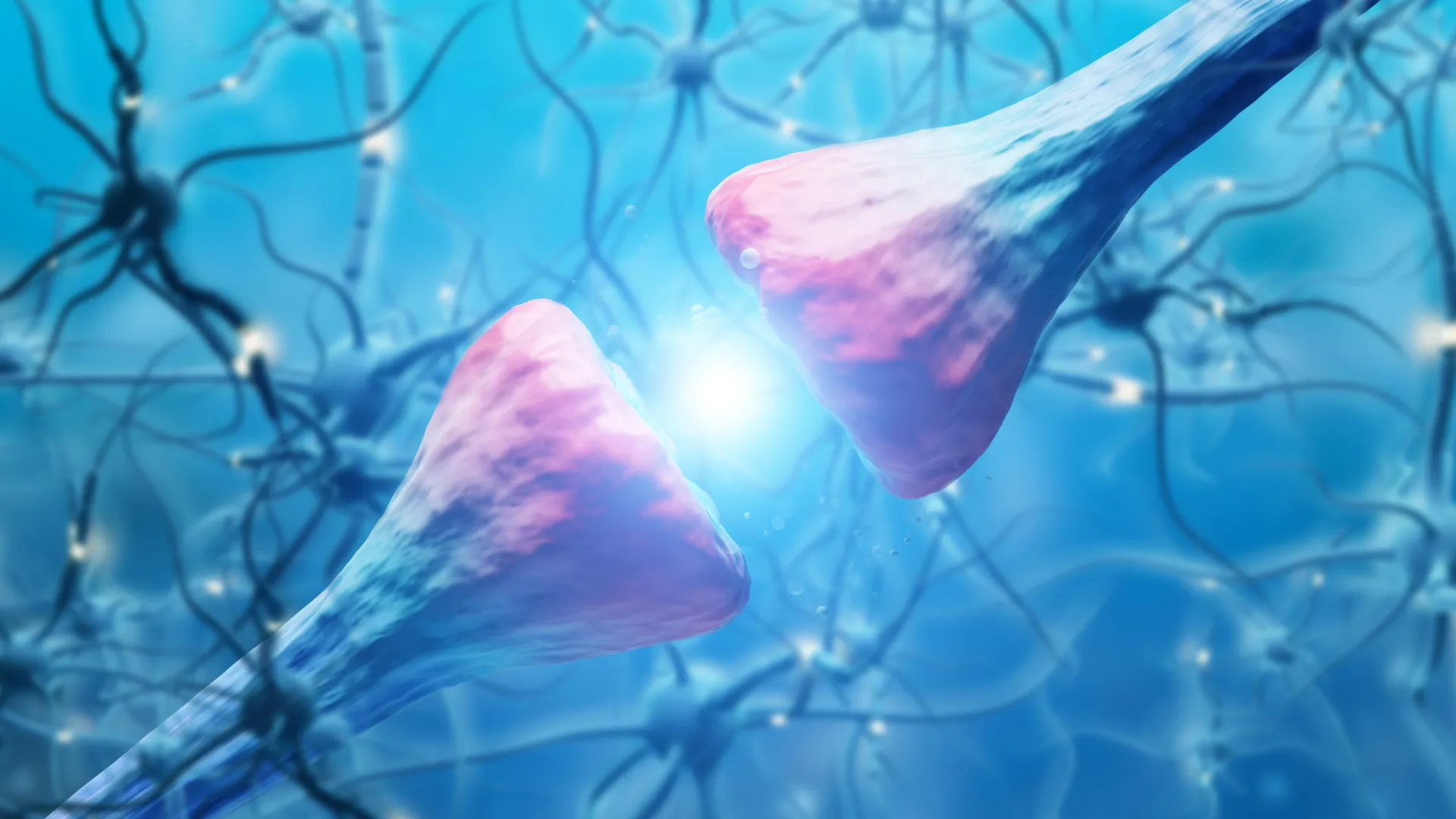
Relapsing into cocaine use is not simply a matter of weak willpower. New research published in the prestigious journal Science Advances reveals that the persistent struggle against cocaine addiction stems from profound and lasting biological alterations within the brain. Scientists at Michigan State University have identified critical changes in brain circuits, particularly involving the hippocampus, that can render the urge to return to the drug exceptionally difficult to overcome. This groundbreaking study, supported by the National Institutes of Health, offers crucial insights into why cocaine addiction is so challenging to treat and opens promising avenues for the development of novel therapeutic interventions.
The Neurobiological Underpinnings of Cocaine Addiction
Cocaine addiction remains a formidable public health crisis, affecting an estimated one million individuals across the United States. Despite its widespread impact, there is currently no FDA-approved medication specifically designed to treat cocaine addiction. While unlike opioid addiction, the cessation of cocaine use does not typically induce severe physical withdrawal symptoms, the psychological grip of the drug is exceptionally strong, leading to persistently high relapse rates. Approximately 24% of individuals who stop using cocaine return to weekly use, and another 18% re-enter treatment programs within a year of their initial attempt to quit. This stark reality underscores the inadequacy of current treatment paradigms and highlights the urgent need for a deeper understanding of the underlying biological mechanisms driving this devastating cycle.
The insidious nature of cocaine addiction lies in its profound impact on the brain’s reward pathways. Cocaine acts by dramatically increasing the levels of dopamine, a neurotransmitter associated with pleasure, motivation, and reinforcement, in the brain’s reward centers. This artificial surge of dopamine creates an intensely powerful positive reinforcement, leading the brain to erroneously interpret cocaine use as a highly beneficial and even life-sustaining activity, overriding natural survival instincts and rational judgment. Over time, this repeated hijacking of the reward system leads to neuroadaptations that perpetuate the compulsive drug-seeking behavior, even in the face of significant negative consequences.
The Hippocampus: A Crucial Player in Cocaine’s Grip
The recent research from Michigan State University focuses on the hippocampus, a brain region renowned for its pivotal role in memory formation and learning. The study’s findings indicate that chronic cocaine exposure fundamentally alters the functional dynamics of the hippocampus, thereby contributing significantly to the persistence of addiction and the propensity for relapse. By altering how the hippocampus processes information and forms memories, cocaine can create powerful associations between the drug and its rewarding effects, making cues and contexts previously linked to drug use potent triggers for craving and relapse.
Dr. A.J. Robison, a professor of neuroscience and physiology and the senior author of the study, emphasized the disease-like nature of addiction. "Addiction is a disease in the same sense as cancer," Dr. Robison stated. "We need to find better treatments and help people who are addicted in the same sense that we need to find cures for cancer." This perspective underscores the scientific community’s growing consensus that addiction is not a moral failing but a complex brain disorder requiring sophisticated medical and scientific intervention.
DeltaFosB: The Molecular Maestro of Cocaine Cravings
At the heart of these neurobiological changes lies a specific protein known as DeltaFosB. Andrew Eagle, the study’s lead author and a former postdoctoral researcher in Dr. Robison’s lab, identified DeltaFosB as a critical molecular mediator of the persistent drive to seek cocaine. Using an advanced form of CRISPR technology, a revolutionary gene-editing tool, Eagle and his team were able to meticulously examine how DeltaFosB influences specific brain circuits in mice that had been exposed to cocaine.
The experiments with mouse models provided compelling evidence that DeltaFosB acts as a powerful genetic switch. It possesses the remarkable ability to activate or suppress a cascade of genes within the intricate circuit connecting the brain’s reward center to the hippocampus, the brain’s central hub for memory. With continued cocaine use, DeltaFosB accumulates within this critical circuit. As its levels steadily rise, it instigates profound changes in the way neurons communicate and function, fundamentally altering the circuit’s response to the drug and, consequently, intensifying the motivation to seek it.
"This protein isn’t just associated with these changes, it is necessary for them," Eagle explained, underscoring the protein’s indispensable role. "Without it, cocaine does not produce the same changes in brain activity or the same strong drive to seek out the drug." This finding is particularly significant, as it directly implicates DeltaFosB as a primary driver of the enduring neurobiological adaptations that characterize cocaine addiction.
Calreticulin: Amplifying the Addiction Signal
Beyond DeltaFosB, the researchers also identified other genes regulated by this key protein following long-term cocaine exposure. Among these, the gene calreticulin emerged as particularly noteworthy. Calreticulin plays a crucial role in regulating the intricate communication between neurons. The study’s findings demonstrated that elevated levels of calreticulin, influenced by DeltaFosB accumulation, significantly increase the activity within brain pathways that propel individuals towards continued cocaine seeking. In essence, calreticulin acts as an amplifier, accelerating the very brain processes that solidify and reinforce addiction.
Implications for Future Therapeutic Strategies
While the current study was conducted in animal models, the researchers are optimistic about its translational relevance to human addiction. The shared genetic makeup and conserved neural circuits between mice and humans suggest that the mechanisms identified are likely to be operative in people as well. This offers a glimmer of hope for the development of targeted pharmacological interventions.
Dr. Robison’s team is actively collaborating with researchers at the University of Texas Medical Branch in Galveston, Texas, to embark on the ambitious endeavor of developing novel compounds that can specifically target DeltaFosB. This groundbreaking project, bolstered by a grant from the National Institute on Drug Abuse (NIDA), is focused on designing and rigorously testing molecules capable of modulating how DeltaFosB interacts with DNA. The ultimate goal is to identify a compound that can effectively dampen the addictive signaling pathways orchestrated by DeltaFosB.
"If we could find the right kind of compound that works in the right way, that could potentially be a treatment for cocaine addiction," Dr. Robison articulated, acknowledging the long road ahead. "That’s years away, but that’s the long-term goal." The pursuit of such targeted therapies represents a significant paradigm shift from current treatment approaches, moving towards interventions that address the fundamental biological underpinnings of addiction rather than solely managing its behavioral manifestations.
Examining Sex Differences in Addiction: A New Frontier
The future research agenda for Dr. Robison’s lab includes a critical examination of how hormonal influences shape these addiction-related brain circuits. Furthermore, the team plans to investigate whether cocaine affects the brains of male and female individuals differently. Understanding these potential sex-based differences in neurobiological responses to cocaine could provide invaluable insights into why addiction risks and treatment responses can vary between genders. This knowledge could pave the way for more personalized and effective treatment strategies tailored to the specific biological profiles of individuals struggling with cocaine addiction.
The scientific community has long observed that addiction prevalence and patterns can differ between men and women. However, the precise biological mechanisms underlying these discrepancies have remained largely elusive. By delving into hormonal influences and sex-specific neurobiological changes, this new research aims to fill a significant knowledge gap, potentially leading to more equitable and effective addiction care for all.
A Broader Context: The Evolving Landscape of Addiction Science
The findings from Michigan State University are part of a broader and accelerating scientific movement to understand addiction as a complex neurobiological disorder. For decades, addiction was often mischaracterized as a lack of willpower or a moral failing. However, a growing body of research, exemplified by this latest study, has consistently demonstrated the profound biological changes that occur in the brain as a result of substance use.
The identification of specific molecular players like DeltaFosB and their roles in altering neural circuits represents a significant leap forward. It moves beyond simply observing correlations to establishing causal links between biological changes and addictive behaviors. This understanding is crucial for dismantling the stigma surrounding addiction and fostering a more compassionate and effective approach to public health and treatment.
The timeline for developing these novel treatments is indeed long, as Dr. Robison acknowledged. The journey from laboratory discovery to a widely available medication involves extensive preclinical testing, followed by rigorous human clinical trials to assess safety and efficacy. However, the systematic identification of molecular targets like DeltaFosB provides a clear roadmap for drug development, offering a tangible hope for individuals and families affected by cocaine addiction. The scientific pursuit of understanding the intricate biological machinery of addiction continues, driven by the imperative to alleviate suffering and offer sustainable recovery to those caught in its devastating grip.
