

A significant advancement in the burgeoning field of cultivated meat for pet food has been demonstrated in a recent feeding trial, revealing that BeneMeat’s cultivated hamster meat is not only highly accepted by cats but also well-digested, resulting in fewer uneaten scraps compared to conventional chicken. This finding, published in Frontiers in Veterinary Science, marks a crucial step in validating the viability of cell-cultured proteins as a staple ingredient in feline nutrition, addressing key concerns around palatability, nutritional efficacy, and potential health benefits.
The comprehensive study, conducted collaboratively by Ghent University and the Czech food technology startup BeneMeat, involved a rigorous evaluation of cultivated hamster meat’s performance in a controlled feline diet. BeneMeat’s cultivated protein has already secured its status as a registered feed material within the European Union, paving the way for its integration into the pet food market. The trial’s positive outcomes suggest that cultivated meat could emerge as a sustainable and desirable alternative to traditional animal protein sources for pets, aligning with a growing consumer interest in novel and ethical food production methods.
Simone Stringhetti, clinical studies coordinator at BeneMeat, emphasized the study’s significance: "This study represents an important step in evaluating cultivated ingredients for pet nutrition under standardized feeding conditions. The results confirm very good acceptance and digestibility of the tested ingredient in cats in comparison with the control diet." This endorsement from the company highlights the confidence in their product’s performance and its potential to meet the specific dietary needs of cats.
Detailed Analysis of the Feeding Trial and Nutritional Outcomes
The research involved a meticulous, two-day double-blinded, crossover acceptance test administered to 10 adult cats. Following this initial phase, eight of these cats participated in a parallel digestibility trial, ensuring a robust dataset for analysis. The experimental setup involved two distinct wet cat food diets, identical in their overall composition save for the primary protein source. The control diet featured 18.2% conventional chicken breast meat, while the test diet incorporated 24.4% cultivated hamster cell biomass. Both formulations were enriched with complementary ingredients such as pea grit, pumpkin, carrot, sunflower and linen oil, and brewer’s yeast, alongside a palatability enhancer. The diets were meticulously blended to achieve a desirable mousse-like texture, meeting stringent nutritional benchmarks with over 50% crude protein and 21-22% fat content.
The results of the palatability test were striking. Nine out of ten cats exhibited optimal acceptance of the cultivated hamster meat diet, with an impressive 17 out of 18 meals consumed entirely. The single remaining meal saw a consumption rate of 94%, underscoring the high appeal of the cultivated protein. In comparison, the conventional chicken diet achieved full consumption in 17 out of 20 instances, with the remaining portions seeing at least 75% consumed. This differential in uneaten food suggests a tangible preference or at least a comparable, if not superior, palatability for the cultivated meat among the feline subjects.
Beyond mere acceptance, the trial also delved into the nutritional digestibility of the cultivated meat. The study revealed comparable digestibility metrics between the two diets across most parameters. However, protein digestibility was noted to be "slightly but significantly" higher in the conventional chicken diet. Despite this minor difference, both diets supported stable body and muscle conditions in the cats and maintained optimal faecal consistency, indicating that the cultivated hamster meat is well-tolerated and effectively utilized by the feline digestive system.
Potential Health Advantages Linked to Cultivated Meat’s Moisture Content
A particularly insightful finding from the trials pertained to the inherent moisture content of cultivated meat. While conventional meats typically contain between 54% and 75% water, cultivated meat often exhibits a higher water content, ranging from 75% to 90%. This distinction necessitates careful formulation adjustments to achieve comparable nutrient and moisture levels in finished pet food products. In this study, both the control and test diets were formulated to contain over 84% moisture, placing them at the upper end of the typical range for wet cat food (60-87%).
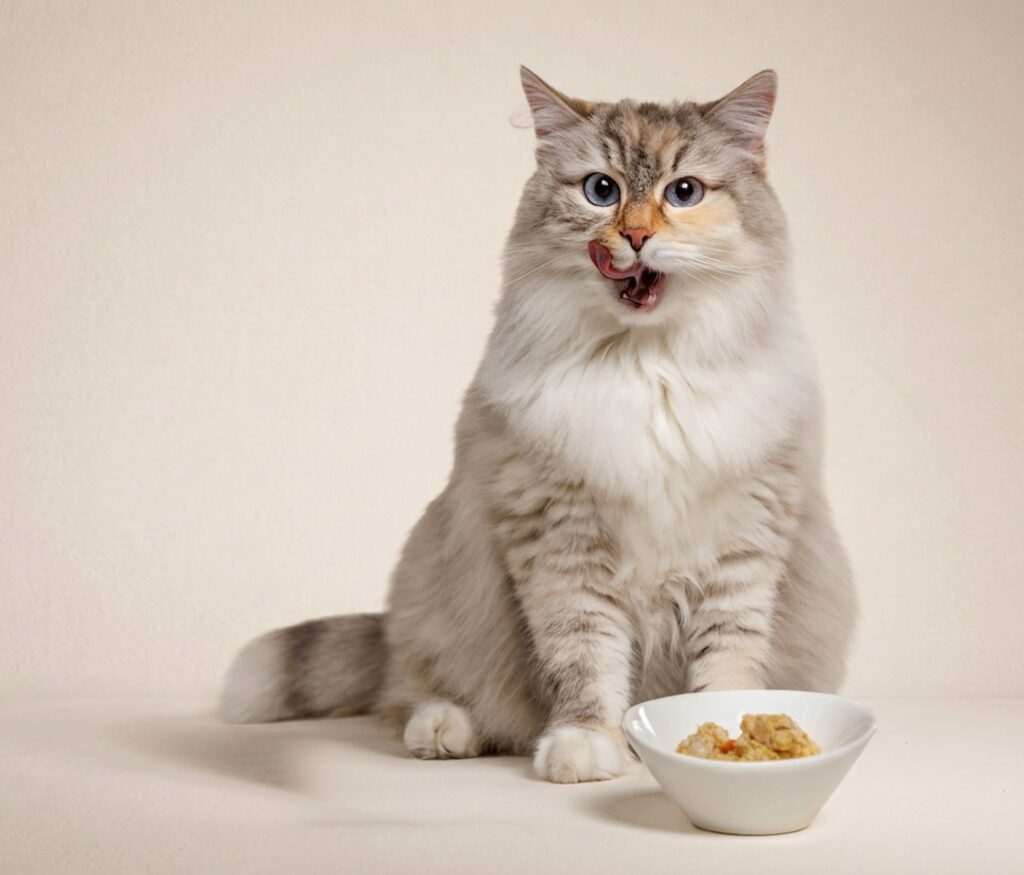
The authors of the study highlighted the potential health benefits associated with this higher moisture content. Unlike dogs, cats are not as adept at compensating for low dietary moisture, which can lead to insufficient water intake and dehydration. The researchers noted, "Increasing dietary moisture promotes urine dilution, fecal water content, and satiety, thereby reducing the risk of lower urinary tract disease and constipation, and facilitating weight loss." This suggests that cat food formulations incorporating cultivated meat, with its naturally higher moisture profile, could offer significant advantages for feline urinary health, digestive regularity, and weight management strategies.
However, the increased moisture content also presents formulation challenges. Higher water levels naturally dilute nutrient and energy density, potentially requiring compensatory adjustments in other ingredients or higher inclusion rates of the cultivated protein itself. These factors could have economic implications, though the study indicated that at the tested inclusion levels, the overall production cost of the formulated diet was comparable to that of super-premium pet foods, positioning cultivated meat as a potentially competitive ingredient in the premium segment of the market.
Federica Bortolazzi, the lead author and a doctoral researcher in animal nutrition at Ghent University, commented on the broader implications: "This study provides an early contribution to a broader research effort. While further studies are needed, the results so far are encouraging and highlight the potential of cultivated meat for pet food applications." Her statement underscores the ongoing commitment to scientific validation and the promising outlook for cultivated meat in the pet food industry.
Growing Momentum for Cultivated Pet Food in the Global Market
The findings from BeneMeat’s trial align with a broader trend of increasing acceptance and exploration of alternative protein sources in pet food. A recent global survey revealed that a significant majority of cat owners (51%) would consider at least one sustainable protein alternative to conventional pet food. Notably, cultivated meat emerged as the preferred choice among these alternatives, selected by 33% of respondents, surpassing vegan or vegetarian diets.
The survey further indicated that for pet owners to embrace alternative diets, key factors such as improved pet health (cited by 83% of respondents), nutritional soundness (81%), and high palatability (76%) are paramount. BeneMeat’s trial directly addresses the palatability and nutritional efficacy concerns, while the inherent characteristics of cultivated meat, such as its high moisture content, suggest potential health benefits that could further resonate with consumers.
This momentum is being propelled by other innovative companies in the cultivated meat sector. For instance, BioCraft Pet Nutrition has also reported "exceptional acceptance rates" in their palatability tests, with felines demonstrating a strong preference for their cultivated meat products over conventional meats. BeneMeat’s research builds upon these promising initial findings, contributing to a growing body of evidence supporting cultivated meat’s role in pet nutrition.
The commercial landscape for cultivated pet food is rapidly evolving. BeneMeat is entering the European market through a strategic collaboration with Italy’s Forza10. This partnership has already led to the launch of "Coolty Meat," a dog food brand that combines BeneMeat’s cultivated hamster meat with plant-based ingredients. This product is slated for release in Q3 of the current year, initially targeting Portugal and Spain.
Beyond Europe, other companies are making significant strides. In the UK, Meatly introduced "Chick Bites" last year, a product blending 4% of its cultivated chicken with plant-based components from The Pack. Recently, Meatly secured £10 million ($14.1 million) in funding to establish Europe’s largest cultivated meat facility, with plans to commence pet food product deliveries next year. In Singapore, Friends & Family Pet Food has launched eight cultivated meat products this year, designed for specific functionalities for both cats and dogs, with an additional four products scheduled for release this month, demonstrating a comprehensive approach to diversifying the cultivated pet food market. These developments collectively signal a robust and accelerating global push towards integrating cultivated meat into the diets of our animal companions.
