

Polycystic Ovary Syndrome (PCOS), a complex endocrine disorder affecting approximately 8% to 13% of women of reproductive age worldwide, is increasingly being recognized by the medical community as more than a reproductive health issue. While the condition is traditionally characterized by irregular menstrual cycles, hirsutism, and ovarian cysts, a growing body of clinical evidence highlights a systemic inflammatory component that manifests as chronic joint pain. This musculoskeletal symptom, often described by patients as stiffness, swelling, or a persistent dull ache, is frequently the result of low-grade chronic inflammation circulating throughout the body. If left unmanaged, this inflammation can lead to debilitating physical limitations and a significantly diminished quality of life.
The emergence of joint pain in PCOS patients is rarely an isolated incident; rather, it serves as a clinical indicator of the body’s internal state. Unlike the acute inflammation associated with an injury—such as a sprain or a cut—the inflammation found in PCOS is often systemic and "invisible." It is driven by biochemical imbalances that trigger the immune system to remain in a state of constant, low-level alert. This persistent activation leads to the release of cytokines and other pro-inflammatory markers that eventually settle in the synovial tissues of the joints, causing the heat, redness, and discomfort reported by many sufferers.

The Biological Mechanism: The Role of C-Reactive Protein and Insulin Resistance
To understand why PCOS patients are predisposed to joint pain, it is necessary to examine the chronology of the syndrome’s metabolic progression. At the center of this inflammatory process is the C-reactive protein (CRP), a substance produced by the liver in response to inflammation. Clinical studies have consistently demonstrated that women diagnosed with PCOS exhibit significantly higher levels of CRP compared to those without the condition, even after adjusting for body mass index (BMI).
The elevated presence of CRP is not merely a marker of inflammation but is also intricately linked to insulin resistance, a hallmark of PCOS. When the body’s cells become resistant to insulin, the pancreas compensates by producing more of the hormone. High levels of insulin can stimulate the ovaries to produce excess androgens, particularly testosterone. This hormonal cascade creates a feedback loop: insulin resistance promotes inflammation, and chronic inflammation, in turn, exacerbates insulin resistance. This cycle often results in weight gain, particularly in the abdominal region, which places additional mechanical stress on the weight-bearing joints such as the knees, hips, and lower back.
Furthermore, the relationship between PCOS and inflammation places patients at a statistically higher risk for developing Rheumatoid Arthritis (RA). RA is an autoimmune disorder where the immune system erroneously attacks the joints’ linings. While RA is often associated with aging, research suggests that the hormonal volatility and inflammatory environment inherent in PCOS can accelerate the onset of autoimmune responses. This intersection of endocrine and autoimmune dysfunction necessitates a multidisciplinary approach to treatment, involving endocrinologists, rheumatologists, and primary care physicians.

Chronology of Symptom Progression and Diagnosis
The progression of joint pain in PCOS often follows a predictable timeline. Initially, patients may notice mild stiffness in the mornings or after long periods of inactivity. Over time, this can evolve into more frequent "flare-ups" that coincide with the menstrual cycle or periods of high stress. Because PCOS-related joint pain is systemic, it can affect various parts of the body simultaneously, including the wrists, fingers, and ankles.
Diagnosis remains a challenge because inflammation is often "invisible" on standard imaging like X-rays in its early stages. However, advanced diagnostic tools are increasingly being utilized to bridge this gap. Blood panels measuring High-Sensitivity C-Reactive Protein (hs-CRP) and Erythrocyte Sedimentation Rate (ESR) provide a clearer picture of the inflammatory load. In cases where autoimmune involvement is suspected, clinicians may also test for Rheumatoid Factor (RF) and Anti-Cyclic Citrullinated Peptide (anti-CCP) antibodies. The integration of these tests into the standard PCOS screening process is a critical step in preventing long-term joint degradation.
Evidence-Based Management: The Impact of Nutrition and Supplementation
The management of PCOS-related joint pain requires a shift from reactive treatment to proactive lifestyle modification. The primary objective is to lower the body’s inflammatory "set point" through nutritional intervention. Medical professionals increasingly advocate for the adoption of a low-glycemic index (GI) and anti-inflammatory diet.

A low-GI diet focuses on carbohydrates that are digested slowly, preventing the rapid spikes in blood sugar that trigger insulin release. Foods such as quinoa, legumes, and non-starchy vegetables are essential. Concurrently, an anti-inflammatory diet prioritizes foods rich in antioxidants and polyphenols. Fatty fish—such as salmon, mackerel, and sardines—are highly recommended due to their high concentration of Omega-3 fatty acids.
Omega-3 supplementation has emerged as a cornerstone of PCOS therapy. Beyond its cardiovascular benefits, Omega-3s act as natural anti-inflammatories by inhibiting the production of substances that cause inflammation. Clinical trials have shown that consistent supplementation can lead to a measurable reduction in CRP levels and a decrease in serum testosterone, thereby addressing both the inflammatory and hormonal aspects of the syndrome. Additionally, the inclusion of spices like turmeric, which contains the active compound curcumin, has been shown to provide symptomatic relief for joint discomfort by modulating the immune response.
Physical Therapy and the Endorphin Response
While joint pain may discourage physical activity, sedentary behavior often worsens the condition by allowing stiffness to set in. The clinical consensus favors gentle, low-impact aerobic exercise as a means of managing both weight and inflammation. Activities such as swimming, cycling, and walking promote circulation and help maintain joint flexibility without the jarring impact associated with high-intensity sports.

From a physiological perspective, exercise serves a dual purpose. It helps reduce visceral fat, which is a major source of pro-inflammatory cytokines, and it triggers the release of endorphins. These neurochemicals act as the body’s natural painkillers and mood elevators, helping to counteract the fatigue and depression often associated with chronic pain. Experts recommend a consistent routine of at least 150 minutes of moderate activity per week, tailored to the individual’s current physical capacity.
Therapeutic Interventions and Ergonomic Considerations
For acute pain management, Non-Steroidal Anti-Inflammatory Drugs (NSAIDs) remain a standard recommendation. These medications work by inhibiting the enzymes responsible for prostaglandin synthesis, thereby reducing pain and swelling. However, long-term reliance on NSAIDs can have gastrointestinal and renal implications, making them a temporary solution rather than a primary treatment.
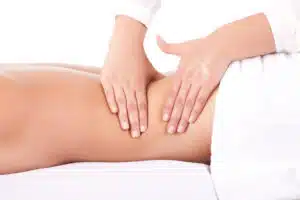
Complementary therapies, such as professional massage and heat/cold therapy, offer non-pharmacological relief. Massage therapy increases blood flow to affected tissues and has been shown to lower levels of arginine-vasopressin, a hormone involved in blood pressure regulation and inflammatory signaling. Similarly, alternating between heat (to relax muscles and improve circulation) and cold (to numb sharp pain and reduce acute swelling) provides a cost-effective way to manage symptoms at home.
In the modern era of remote work, ergonomic factors have also become a significant variable in joint health. Poor posture and inadequate office furniture can exacerbate the musculoskeletal strain already present in PCOS patients. Health advocates emphasize the importance of "active sitting" and frequent movement breaks. Utilizing ergonomically designed chairs that support the natural curve of the spine and adjusting monitor heights can prevent the "hunching" that leads to neck and shoulder tension, which often radiates to other joints.
Analysis of Broader Implications and Long-Term Outlook
The recognition of joint pain as a symptom of PCOS marks a significant evolution in how the syndrome is treated. It highlights the necessity of viewing PCOS through the lens of metabolic and systemic health rather than purely as a fertility issue. The implications of unmanaged inflammation extend far beyond joint discomfort; they include an increased risk of cardiovascular disease, Type 2 diabetes, and non-alcoholic fatty liver disease (NAFLD).
The long-term outlook for women with PCOS and joint pain is increasingly positive as personalized medicine continues to advance. By addressing the root causes of inflammation—specifically insulin resistance and hormonal imbalance—patients can achieve significant symptom remission. The integration of dietary changes, targeted supplementation, and lifestyle adjustments forms a robust defense against the debilitating effects of the syndrome.

In summary, joint pain in PCOS is a clear signal from the body that systemic inflammation requires attention. Through a combination of medical oversight, nutritional discipline, and physical activity, women can regain control over their health. As research continues to uncover the intricate links between the endocrine and immune systems, the medical community remains committed to developing more effective, holistic strategies for managing this multifaceted condition. The goal is not merely the absence of pain, but the restoration of full physical function and long-term metabolic stability.
