
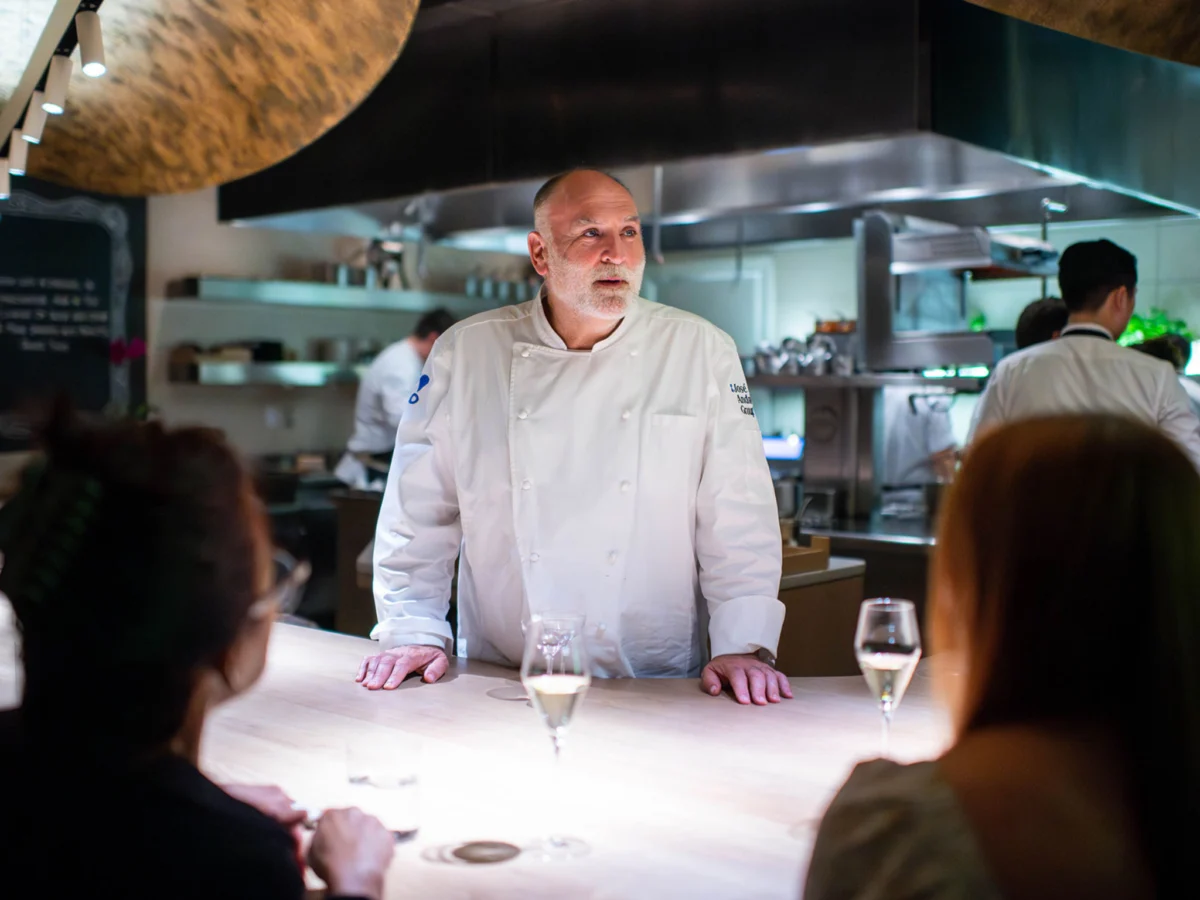
Renowned Spanish-American chef José Andrés, a fervent advocate for climate action within the culinary world, has partnered with Wildtype, a leader in cultivated seafood technology, to offer the company’s innovative cultivated salmon at his acclaimed Washington D.C. establishment, Barmini. This significant collaboration, set to commence on June 3rd, marks a pivotal moment in the growing acceptance of cultivated meat by the mainstream food industry, even as legislative battles surrounding its regulation continue to unfold in various states.
The integration of Wildtype’s cultivated salmon into Barmini’s sophisticated menu represents more than just a culinary novelty; it signifies a deliberate step towards addressing the pressing environmental challenges associated with traditional seafood production. José Andrés, celebrated for his humanitarian efforts and award-winning culinary ventures, has consistently positioned himself at the forefront of movements promoting food security and sustainability. His decision to feature cultivated salmon underscores a belief in the potential of these novel proteins to offer environmentally responsible alternatives without compromising on quality or taste.
A Convergence of Culinary Excellence and Food Technology Innovation
Barmini, the flagship cocktail lounge of José Andrés’s renowned ThinkFoodGroup, is situated adjacent to his two-Michelin-starred eatery, Minibar, in Washington D.C. The lounge is celebrated for its inventive cocktails, extensive spirits collection, and avant-garde snacks, providing an ideal setting for introducing cutting-edge food products to discerning palates. The partnership with Wildtype allows Barmini to become the first establishment in the nation’s capital to serve cultivated salmon, a product that received the crucial approval from the U.S. Food and Drug Administration (FDA) for nationwide sale in the preceding year.
Justin Kolbeck, co-founder and CEO of Wildtype, expressed his personal connection to this venture in a LinkedIn post, stating, "DC was home between my Foreign Service assignments, and nobody on the planet embodies the spirit of fighting for food security more than chef José Andrés." This sentiment highlights the strategic importance of aligning Wildtype’s mission with a chef whose global reputation is intrinsically linked to advocating for vulnerable populations and sustainable food systems. The collaboration is poised to elevate the profile of cultivated salmon and demonstrate its viability in a high-profile culinary environment.
José Andrés: A Legacy of Food Security and Sustainability
José Andrés’s commitment to addressing food insecurity and promoting sustainable practices is a cornerstone of his professional identity. His humanitarian work through World Central Kitchen, an organization that provides meals in disaster-stricken areas, has earned him global recognition and numerous accolades, including a James Beard Award and the Presidential Medal of Freedom. His influence extends to policy-making as well, having served as the co-chair of President Joe Biden’s Council on Sports, Fitness, and Nutrition.
This is not the first time Andrés has embraced cultivated meat. In 2021, he joined the board of directors for Eat Just, the company behind the Good Meat brand of cultivated chicken. Two years later, he began serving Good Meat’s cultivated chicken at China Chilcano, another of his Washington D.C. restaurants. This earlier initiative was a landmark moment, marking one of the earliest instances of cultivated meat being offered to the public in the United States. Reviews from those dining experiences were reportedly positive, with Eat Just confirming that dinners "went extremely well." The success of this pilot program likely paved the way for further exploration and adoption of novel protein sources.
Further solidifying his dedication to advancing food solutions, Andrés co-established the Global Food Institute at George Washington University in 2023. This institute focuses on policy, innovation, and humanities to improve food policies, foster technological advancements, and stimulate critical discussions about food’s impact on humanity. The partnership with Wildtype aligns seamlessly with the institute’s objectives, demonstrating a practical application of innovative food solutions aimed at tackling global challenges.
Wildtype’s Salmon Navigates the Evolving Landscape of Cultivated Meat
Wildtype’s journey to market has been marked by significant technological advancements and strategic partnerships, all while navigating a complex and sometimes contentious regulatory and legislative environment. The company’s cultivated salmon is produced by cultivating living cells from Pacific salmon. These cells are grown in controlled environments using bioreactors, a process likened to brewing beer or making kombucha. The cultivation medium includes a carefully balanced mix of nutrients essential for cell growth, mirroring the conditions that support wild fish.
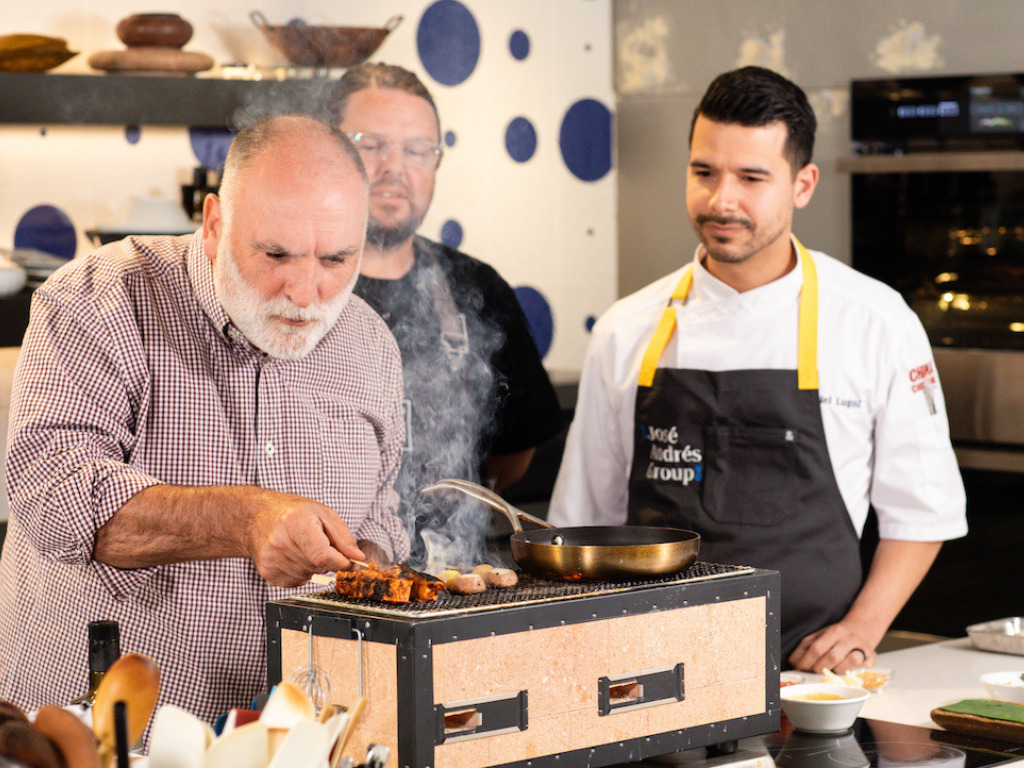
The process involves harvesting the cells through centrifugation, followed by washing and rapid cooling to preserve their integrity. These cells are then combined with specific plant-based ingredients to achieve the characteristic texture and structure of conventional salmon fillets. This method offers a potentially more sustainable and ethical alternative to traditional salmon farming, which often faces criticism regarding environmental impact, fish welfare, and the use of antibiotics.
Wildtype has been steadily expanding its reach across the United States since receiving FDA approval. Prior to its debut at Barmini, the cultivated salmon had already been featured in restaurants in seven other states: Oregon (Kann), Texas (Otoko), California (Robin), Washington (The Walrus and the Carpenter), Colorado (Hai Sī), New York (Fulgurances Laundromat for a single event), and Arizona (Kingfisher). This widespread introduction demonstrates Wildtype’s commitment to making its product accessible to a broad range of consumers and culinary settings.
However, the expansion has not been without its challenges. The state of Texas, which had initially welcomed Wildtype’s salmon at Otoko, subsequently enacted a ban on the sale of cultivated meat. This legislative action forced Otoko to remove the product from its menu and impacted Wildtype’s planned expansion into other Texas cities like Dallas and Houston. In response to these restrictive measures, Wildtype, alongside fellow cultivated meat innovator Upside Foods, has filed a lawsuit against the state of Texas, challenging the legality of the ban. This legal action underscores the broader conflict between the burgeoning cultivated meat industry and existing agricultural lobbies and regulatory frameworks.
"Following our launch in July, we had planned to build on our momentum in Austin by making Wildtype available to a number of seafood restaurants across Texas, including in Dallas and Houston, but this bill closed those markets to us," Kolbeck stated, articulating the significant business disruption caused by such legislative actions.
The Broader Implications for Food Systems and Sustainability
The partnership between José Andrés and Wildtype serves as a powerful endorsement of cultivated seafood and a visible counterpoint to the legislative efforts aimed at restricting its availability. As concerns about overfishing, ocean pollution, and the carbon footprint of food production continue to escalate, innovative solutions like cultivated meat are gaining traction.

The global seafood market is immense, with demand projected to increase significantly in the coming decades to meet the nutritional needs of a growing world population. Traditional fisheries are facing unprecedented pressure, with many fish stocks depleted or on the verge of collapse. Aquaculture, while offering an alternative, has its own set of environmental and ethical considerations. Cultivated meat presents a potential pathway to decouple seafood production from the environmental pressures of wild capture and conventional farming.
The success of Wildtype’s salmon at Barmini could catalyze further adoption by other high-profile chefs and restaurants. This ripple effect is crucial for normalizing cultivated meat and demonstrating its culinary merit. As more consumers encounter and experience these products, public perception is likely to shift, potentially influencing regulatory bodies and lawmakers.
The involvement of prominent investors in Wildtype, including figures like Robert Downey Jr., Leonardo DiCaprio, and Jeff Bezos, further highlights the significant capital and belief being channeled into the cultivated meat sector. This investment signals confidence in the technology’s potential to disrupt traditional food production and contribute to a more sustainable future.
The contrasting narratives surrounding cultivated meat – one of innovation and progress championed by chefs like Andrés, and another of restriction and skepticism reflected in legislative bans – paint a complex picture of the future of food. The outcome of legal challenges, coupled with continued advancements in technology and growing consumer acceptance, will ultimately shape the trajectory of this transformative industry. The integration of Wildtype’s cultivated salmon at Barmini is a significant step in that unfolding narrative, showcasing a vision for a more resilient and responsible global food system.
