
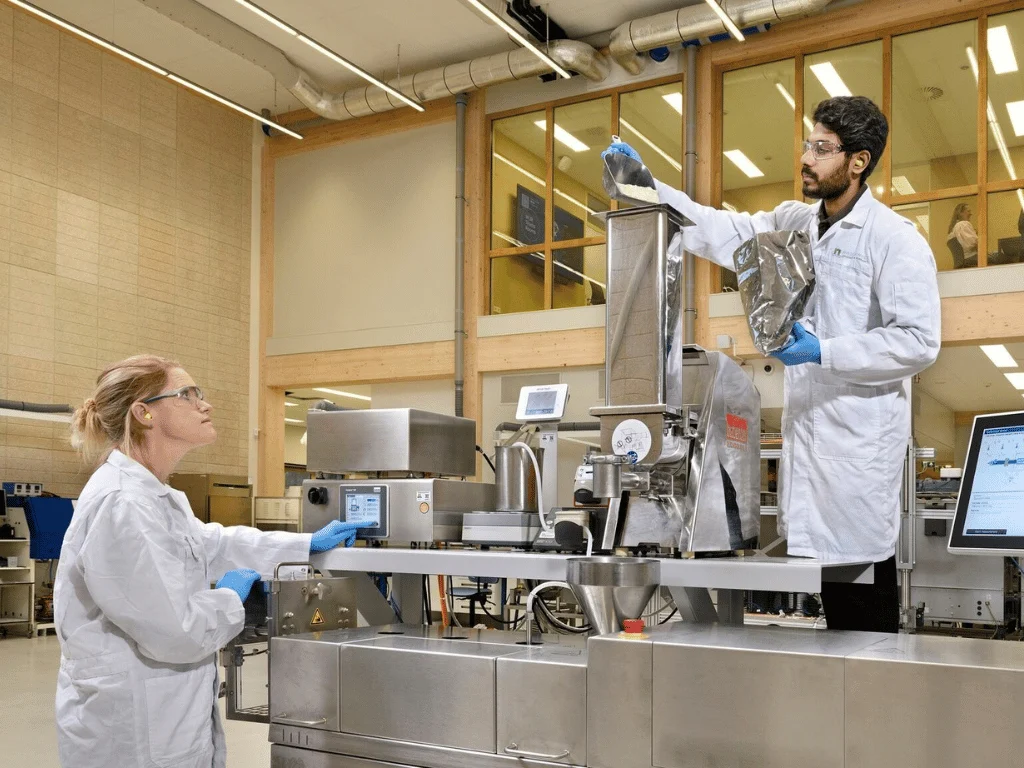
Wageningen University & Research (WUR), globally recognized as a premier institution for agricultural and food sciences, has officially inaugurated Cibia, a state-of-the-art research and development facility located in the Netherlands. Designed to accelerate the commercialization of novel, planet-friendly ingredients, Cibia aims to bridge the critical gap between academic research and industrial application. The facility focuses heavily on scaling up sustainable proteins, significantly reducing food waste, and developing eco-friendly, climate-conscious packaging solutions.
The establishment of Cibia represents a major milestone in the evolution of food technology. For decades, the Dutch university has served as a fertile incubator for innovative food tech startups that have gone on to make global waves. Companies such as Rival Foods, TTM Ingredients, Revyve, and Greencovery all trace their foundational roots back to WUR’s robust academic ecosystem. By launching Cibia, the university is building upon this rich heritage, providing a dedicated space equipped with cutting-edge tools to help emerging enterprises and established industry players alike transition their conceptual designs into scalable market realities.
Financially backed by the Dutch Ministry of Agriculture, Fisheries, Food Security and Nature, alongside the Ministry of Economic Affairs and Climate Policy through the prestigious Facilities for Applied Research scheme, Cibia is positioned as a cornerstone of the Netherlands’ broader strategy to future-proof its agrifood sector.
The Genesis and Strategic Vision of Cibia
The conceptualization of Cibia stems from a recognized bottleneck in the global food innovation pipeline: while scientific breakthroughs and theoretical knowledge regarding sustainable diets abound, translating these discoveries into commercially viable products remains a formidable challenge.
"Innovations for the food systems of the future require more than good ideas and scientific knowledge. The key is to translate knowledge into applications that can make a real difference," explained Rianne Ruijschop, food tech research manager at WUR, during the facility’s launch. "At Cibia, we bring together the full innovation chain, from raw materials and technology development to product development, consumer acceptance and societal impact. This helps innovations move more quickly from research into practice."
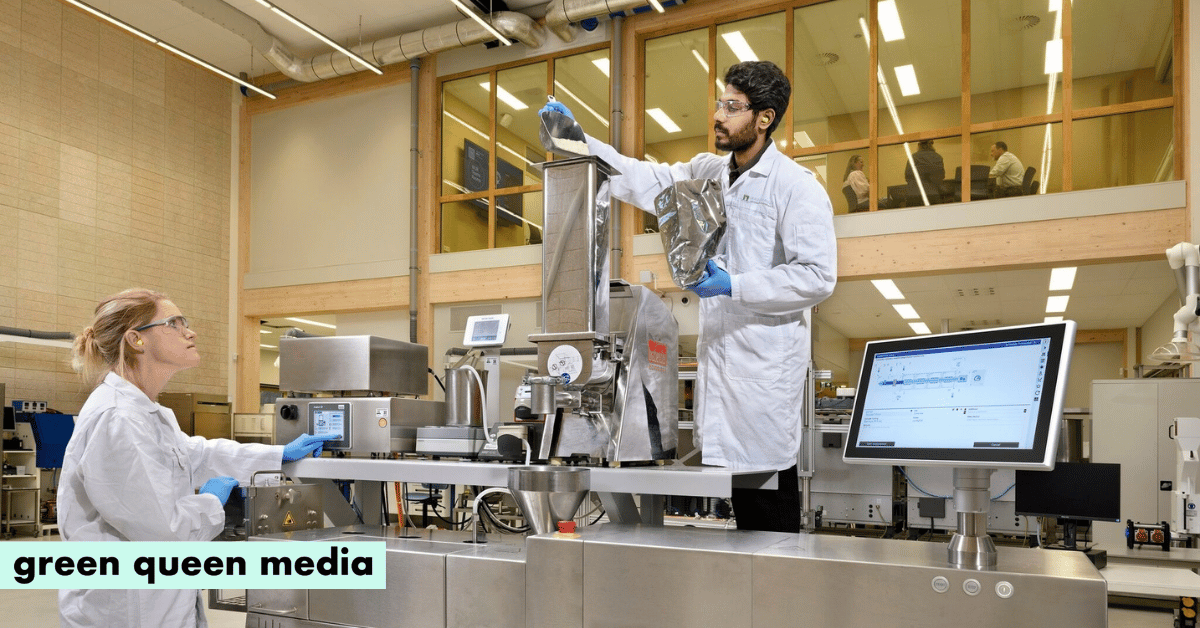
The facility is engineered to function as an open research environment, actively dismantling traditional silos by fostering cross-sector collaboration. Researchers from WUR and its affiliated institutes work side-by-side with commercial enterprises, civil society organizations, government bodies, and international research partners. Access to Cibia’s advanced infrastructure is facilitated through targeted research projects, structured collaborative programmes, and shared-use arrangements, ensuring that diverse stakeholders can leverage its capabilities.
Cutting-Edge Infrastructure and Artificial Intelligence Integration
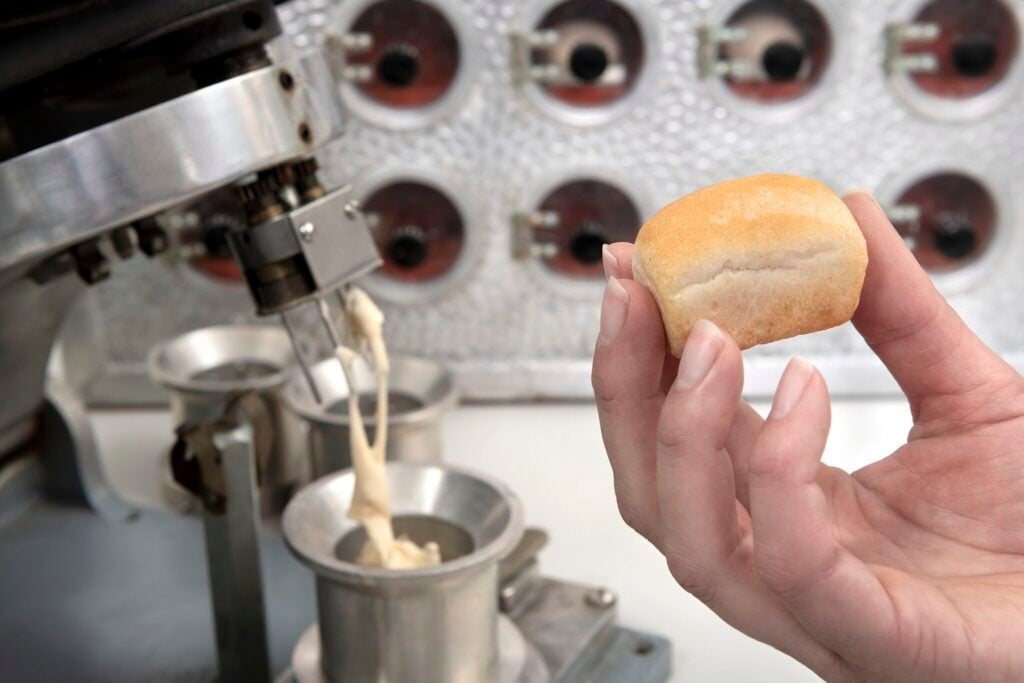
What sets Cibia apart from conventional food science laboratories is its comprehensive integration of advanced technologies, most notably artificial intelligence (AI) and digital twin modeling. The facility provides clients with an expansive suite of processing capabilities, including advanced separation techniques, downstream processing, precise preparation and formulation, mild preservation methods, innovative food structuring, high-throughput mixing, and 3D food printing.
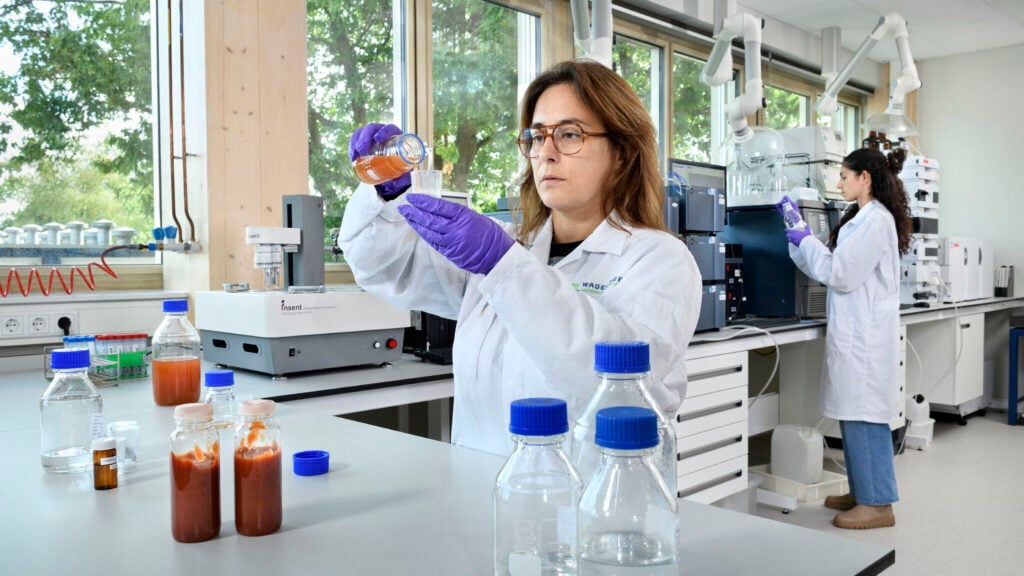
To evaluate the physical, chemical, and nutritional properties of these novel formulations, Cibia is outfitted with professional-grade pilot kitchens, high-resolution sensors, specialized analytical tools, and rigorous test laboratories. These labs conduct comprehensive evaluations spanning microbiological safety, sensory perception, nutritional profiles, and health impacts.
Crucially, the data generated across these evaluation stages is fed directly into AI-enabled digital models and digital twins. This technological integration allows researchers to simulate and optimize food innovations at an unprecedented speed. Developers can model complex scenarios involving energy and water consumption, the targeted reduction of sodium and added sugars, and the optimization of overall product quality long before physical production runs are scaled up.
Furthermore, Cibia incorporates robust sensory and consumer research methodologies. By analyzing real-time consumer acceptance, psychological food choices, and purchasing behaviors early in the development cycle, the facility helps producers design foods that not only meet strict environmental standards but also seamlessly integrate into everyday consumer diets. This early-stage consumer integration significantly enhances the commercial viability and market penetration rates of new sustainable products.
Sustainable Architecture and Environmental Commitment
In alignment with its core mission of advancing global sustainability, the physical infrastructure of the Cibia building itself was constructed with a rigorous commitment to minimizing environmental impact. WUR prioritized the use of low-carbon building materials, ensuring that the facility’s operational ethos is reflected in its very architecture.
The load-bearing structure relies heavily on sustainably sourced timber, a design choice that drastically curtails embodied carbon emissions compared to conventional steel-and-concrete construction methods. The building’s exterior façade features durable, low-maintenance elements designed to maximize longevity and minimize lifecycle maintenance requirements. Concrete was deliberately restricted to localized areas where structural or economic constraints made it strictly necessary, such as specific high-load flooring sections. Inside the facility, the technological processes developed are similarly optimized to drastically reduce energy and water consumption, maximize the utilization of raw materials, and eradicate avoidable food waste.
The Broader Context: The Netherlands as a Global Food Tech Leader
Cibia’s inauguration does not occur in a vacuum; it is the latest chapter in the Netherlands’ ongoing leadership in sustainable agriculture and food innovation. The Dutch federal government has established ambitious national targets, aiming to shift the country’s national protein consumption ratio so that at least 50% of all protein intake is plant-based by the end of the decade.
To support this transition, the government has injected over €60 million into domestic research ecosystems dedicated to advanced food technologies, such as precision fermentation and cellular agriculture. Notably, the Netherlands holds the distinction of being the first and only European Union member state to officially authorize and host public tastings for cultivated meat and precision-fermented dairy alternatives. The country is also home to pioneering infrastructure, including the world’s first cultivated meat farm.
This legislative and infrastructural momentum was further reinforced when the Dutch House of Representatives voted affirmatively in favor of a motion to integrate a comprehensive plant-based action plan directly into the nation’s overarching nitrogen package and national food strategy. This political milestone followed coordinated lobbying efforts by dozens of prominent civil society organizations and industry coalitions, which called for a formalized national food strategy backed by a dedicated €65 million annual acceleration fund.
Implications for the Global Food System
The opening of Cibia arrives at a critical juncture for the global food system. As climate change, population growth, and resource scarcity exert mounting pressures on traditional agricultural supply chains, the demand for scalable, resource-efficient alternatives has never been more urgent.
By centralizing advanced processing, AI data modeling, and consumer research under one roof, Cibia provides a vital bridge for food tech startups and multinational corporations striving to commercialize next-generation foods. As Sjoukje Heimovaara, president of WUR’s executive board, noted during the inauguration, the facility serves as a vital anchor for regional and international research infrastructure.
"The facility strengthens the connection between science, business and society and helps translate knowledge into innovations that contribute to societal challenges," Heimovaara stated.
As Cibia opens its doors to its first wave of collaborative projects, its success will likely serve as a blueprint for international research institutions seeking to accelerate the transition toward a secure, resilient, and sustainable global food economy.
