
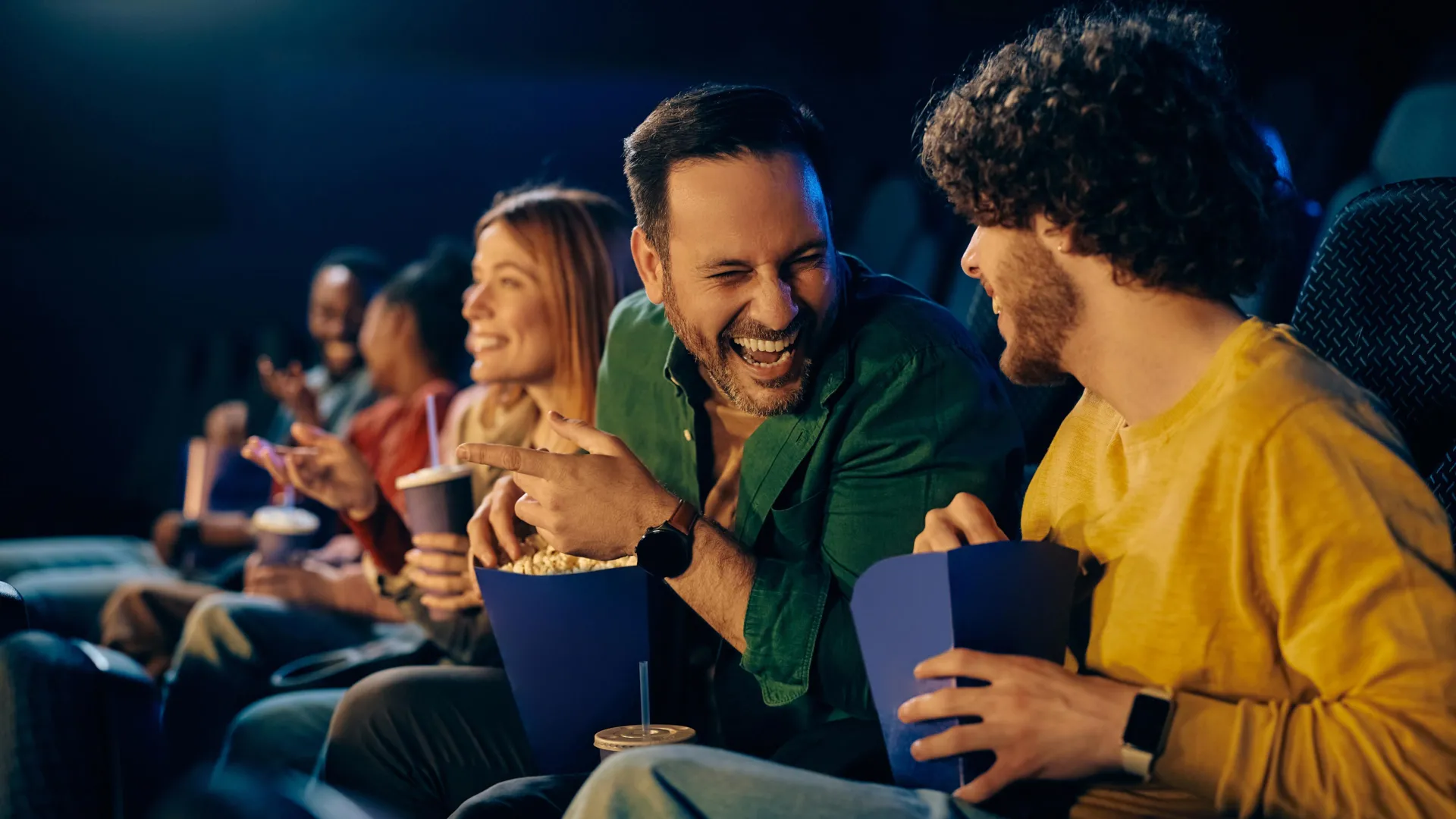
People who regularly immerse themselves in the arts and cultural experiences—whether it’s a captivating museum exhibition, a stirring theatrical performance, a resonant concert, or the magic of the silver screen—may be inadvertently contributing to a more youthful physiological state. Emerging research suggests that consistent participation in these cultural pursuits is associated with a slower rate of biological aging, indicating that the body’s systems may function with the resilience and efficiency typically seen in younger individuals. This groundbreaking finding, published in the esteemed Journal of Epidemiology and Community Health, bolsters a growing body of evidence that highlights the profound impact of social and cultural vitality on the process of healthy aging.
The Science of Aging: Biological vs. Chronological
While the passage of time is an immutable fact of life, the rate at which our bodies age is far from uniform. Chronological age, the simple count of years lived, serves as a basic marker. However, physiological age offers a more nuanced perspective, reflecting the actual functional capacity of an individual’s biological systems. This internal clock can tick at a different pace than our calendar age, with some individuals exhibiting bodily functions that belie their chronological years. Understanding the factors that influence this disparity is crucial for promoting longevity and enhancing quality of life in later years.
Previous scientific inquiries have drawn connections between engagement in cultural activities—such as visiting cinemas, art galleries, and attending live performances—and improved health and well-being among older adults. However, a definitive exploration into whether these enriching experiences directly influence the very rate of biological aging has remained a less charted territory. This new study, conducted by a team of researchers at the Institute of Science Tokyo in Japan, aims to fill this gap. It stands out as one of the first longitudinal studies designed to meticulously examine this relationship, critically accounting for unmeasured factors that tend to remain constant over time, thus offering a more robust analysis.
Unraveling the Study’s Methodology
The research team embarked on an in-depth analysis of data drawn from 1,899 adults who were participants in the English Longitudinal Study of Ageing (ELSA). ELSA is a significant, ongoing population-based study that captures a nationally representative sample of adults aged 50 and older residing in England. This extensive dataset provides a rich tapestry of information, allowing researchers to observe trends and correlations within a diverse demographic.
Participants contributed valuable data across at least two distinct survey waves, meticulously collected during the periods of 2004/2005, 2006/2007, and 2008/2009. This multi-wave approach is fundamental to longitudinal research, enabling the tracking of changes and developments over time, which is essential for understanding the dynamics of aging.
To quantify physiological age, a critical component of the study, trained nurses conducted a series of objective measurements. These assessments encompassed ten key indicators of physical health, providing a comprehensive snapshot of the body’s functional status. The selected biomarkers included:
- Pulse Pressure: The difference between systolic and diastolic blood pressure, indicative of arterial stiffness.
- Diastolic Blood Pressure: The minimum pressure in the arteries during the relaxation phase of the heart.
- Forced Expiratory Volume (FEV): A measure of lung function, specifically the amount of air that can be forcefully exhaled in one second.
- Hemoglobin Concentration: Reflects the oxygen-carrying capacity of the blood.
- Fibrinogen: A protein crucial for blood clotting, elevated levels can indicate inflammation and increased cardiovascular risk.
- Glycated Hemoglobin (HbA1c): A measure of average blood sugar levels over the preceding two to three months, a key indicator for diabetes.
- Low-Density Lipoprotein (LDL) Cholesterol: Often referred to as "bad" cholesterol, high levels are associated with increased risk of heart disease.
- Body Mass Index (BMI): A ratio of weight to height, used to categorize weight status.
- Grip Strength: A proxy for overall muscle mass and strength, often correlated with health and longevity.
- Walking Speed: A simple yet effective measure of physical mobility and overall health status, particularly in older adults.
These ten distinct measurements were then mathematically combined to generate a singular, composite physiological age score for each participant. This score served as the primary metric for assessing biological aging.
Simultaneously, participants meticulously reported their engagement with cultural activities. This was broken down into three core categories: (a) attending the cinema, (b) visiting a museum or art gallery, and (c) experiencing a theater production, concert, or opera. For each activity, a specific scoring system was employed, ranging from 0 (indicating never participating) to 5 (signifying attendance twice a month or more). By summing the scores across these categories, researchers derived a total cultural engagement score, which spanned a range from 0 to 15, providing a quantitative measure of each individual’s cultural participation frequency.
The Tangible Link: Higher Cultural Engagement and Younger Physiology
The results of this rigorous analysis revealed a compelling and statistically significant correlation: individuals who reported higher levels of cultural engagement—defined in the study as participating in cultural activities at least every few months—exhibited an average physiological age of 66.9 years. In stark contrast, those with lower levels of participation had an average physiological age of 69.9 years. This difference of approximately three years in physiological age between the two groups is substantial and suggests a tangible biological benefit associated with cultural immersion.
Furthermore, the study noted that participants with higher cultural engagement tended to share certain demographic and socioeconomic characteristics. They were more likely to be women, possess a higher socioeconomic status, be currently employed, and, importantly, already report better overall health. These co-occurring factors, while important to acknowledge, also underscore the complexity of the relationship, as they could potentially influence both cultural participation and biological aging independently.
Crucially, the researchers employed advanced statistical methods to adjust for a range of confounding variables. After accounting for factors such as household income, employment status, and the presence of chronic health conditions, the association between cultural engagement and physiological age remained robust. The analysis demonstrated that for every one-point increase in the cultural engagement score, there was a corresponding reduction of 0.085 years, or approximately 31 days, in physiological age. This granular finding underscores that even incremental increases in cultural participation can contribute to a younger biological profile.
Exploring the Mechanisms: Why Cultural Activities Matter
The researchers propose several plausible mechanisms through which cultural activities might contribute to a slower rate of physiological aging. One primary pathway is the enhancement of social connections. Attending cultural events often provides opportunities for interaction, shared experiences, and the strengthening of bonds with friends, family, or fellow enthusiasts. Robust social networks are well-established to be protective factors for both mental and physical health, combating loneliness and isolation, which are known to accelerate aging.
Another proposed benefit lies in the potential for cultural engagement to encourage healthier lifestyle habits. Individuals who actively participate in cultural life may be more inclined to maintain routines that support their attendance, such as regular sleep patterns, healthy eating to fuel their activities, and even incorporating walking or public transport to reach venues. While not a direct causal link, these synergistic behaviors can collectively contribute to a healthier overall lifestyle.
Moreover, the support of better mental health is a significant consideration. Engaging with art, music, and performance can be intrinsically rewarding, providing intellectual stimulation, emotional resonance, and a sense of purpose. Reduced stress, improved mood, and enhanced cognitive function, all associated with positive mental health, are increasingly recognized as vital components of healthy aging and can indirectly influence physiological processes.
It is imperative to acknowledge the observational nature of this research. While the findings strongly suggest an association, they cannot definitively establish a cause-and-effect relationship. The possibility of reverse causation cannot be entirely ruled out. This means that individuals who are already healthier and more robust might naturally possess the energy, mobility, and financial resources to participate more frequently in cultural activities. In essence, good health might facilitate cultural engagement, rather than the other way around.
Despite this inherent limitation, the study’s authors make a compelling argument for the public health implications of their findings. They posit that cultural engagement is a modifiable behavior, meaning it is something individuals can consciously choose to increase. This makes it a potential candidate for inclusion in future public health strategies aimed at promoting healthier aging. The researchers notably draw a powerful comparison, stating that "the impact can be comparable to frequent physical activity," thereby elevating the perceived significance of cultural pursuits.
The study also highlights the importance of accessibility. The authors suggest that efforts to make cultural events more geographically accessible—through outreach programs or decentralized venues—and financially affordable—through subsidized tickets or community initiatives—could significantly broaden participation. By removing barriers, more individuals, particularly those from lower socioeconomic backgrounds or in underserved areas, could benefit from the physiological advantages associated with cultural engagement.
Looking ahead, the researchers emphasize the need for further investigation. "Additional research will be needed to determine whether encouraging greater cultural engagement leads to lasting improvements in health and healthier aging over the long term," they conclude. Future studies could employ more targeted interventions, perhaps involving randomized controlled trials where participants are encouraged to increase their cultural activities, to more definitively establish causality and measure the long-term health outcomes.
The implications of this research extend beyond individual well-being, potentially informing urban planning, community development, and public health policy. By recognizing and fostering the role of cultural engagement, societies can actively cultivate environments that not only enrich lives but also contribute to a healthier, more vibrant, and longer-living population. The symphony of art and culture, it appears, may also be a powerful conductor of biological resilience.
