
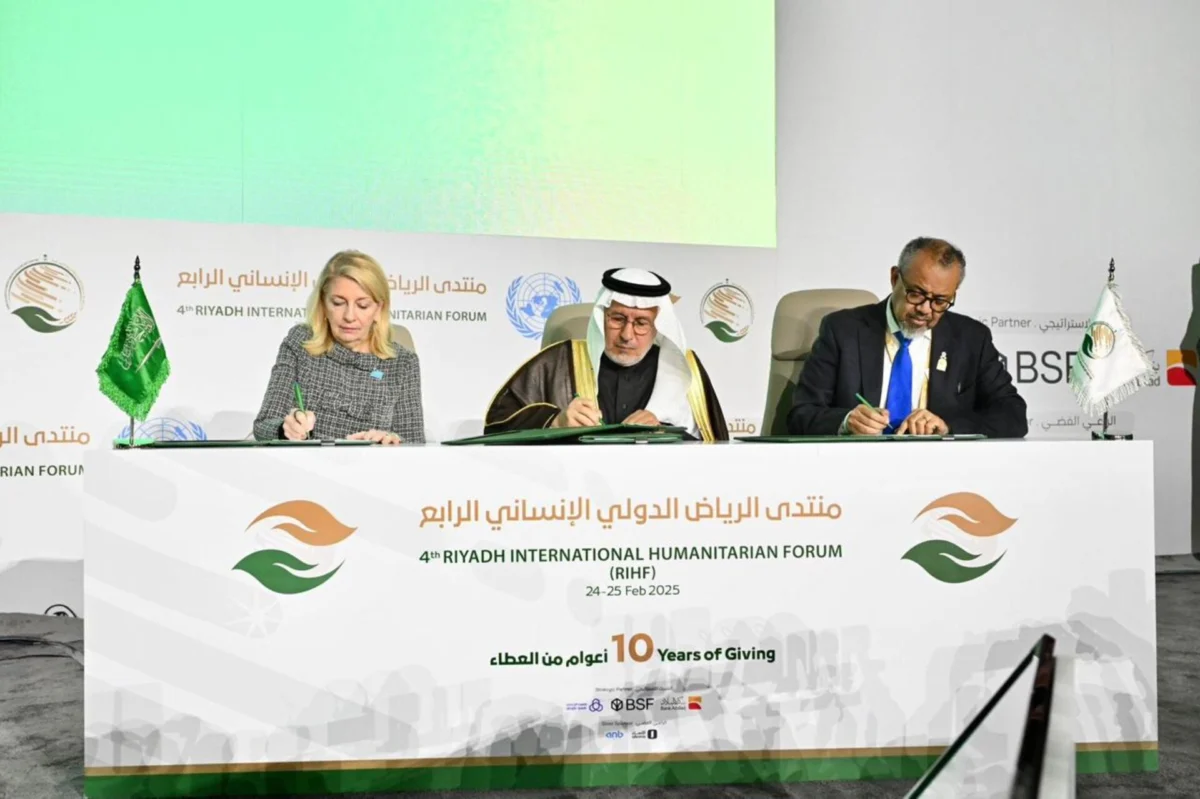
The Riyadh International Humanitarian Forum, held on February 24-25, 2025, served as a critical nexus for global stakeholders, policy architects, and humanitarian practitioners tasked with addressing the escalating complexity of international crises. Marking the 10th anniversary of the King Salman Humanitarian Aid and Relief Centre (KSRelief), the event transcended traditional diplomatic dialogue, evolving into a platform for tangible financial commitments and strategic health interventions. As global conflicts in regions such as the Middle East, Sudan, and Afghanistan continue to strain public health infrastructures, the forum provided a necessary venue for high-level coordination between the World Health Organization (WHO), UNICEF, and the Kingdom of Saudi Arabia.
A Decadal Milestone for KSRelief
Since its inception in 2015, KSRelief has functioned as the humanitarian arm of the Saudi government, aiming to provide aid that is both impartial and efficient. The 2025 forum was not merely a retrospective on the organization’s ten-year journey but a forward-looking strategy session. The forum’s agenda centered on four core pillars: the preservation of human life in conflict zones, the advancement of health diplomacy, the promotion of individual well-being, and the imperative protection of aid workers operating in increasingly volatile environments.
The timing of this forum is significant. It coincides with a period where the traditional "humanitarian space"—the neutral zone in which aid organizations operate—is under unprecedented pressure. By hosting global leaders and representatives from the United Nations, Saudi Arabia sought to solidify its position as a primary donor and a strategic leader in global health security.
Chronology of Commitments and Key Agreements
The forum’s outcomes were characterized by immediate, high-impact funding agreements. The following timeline outlines the primary financial and diplomatic developments that occurred during the two-day summit:
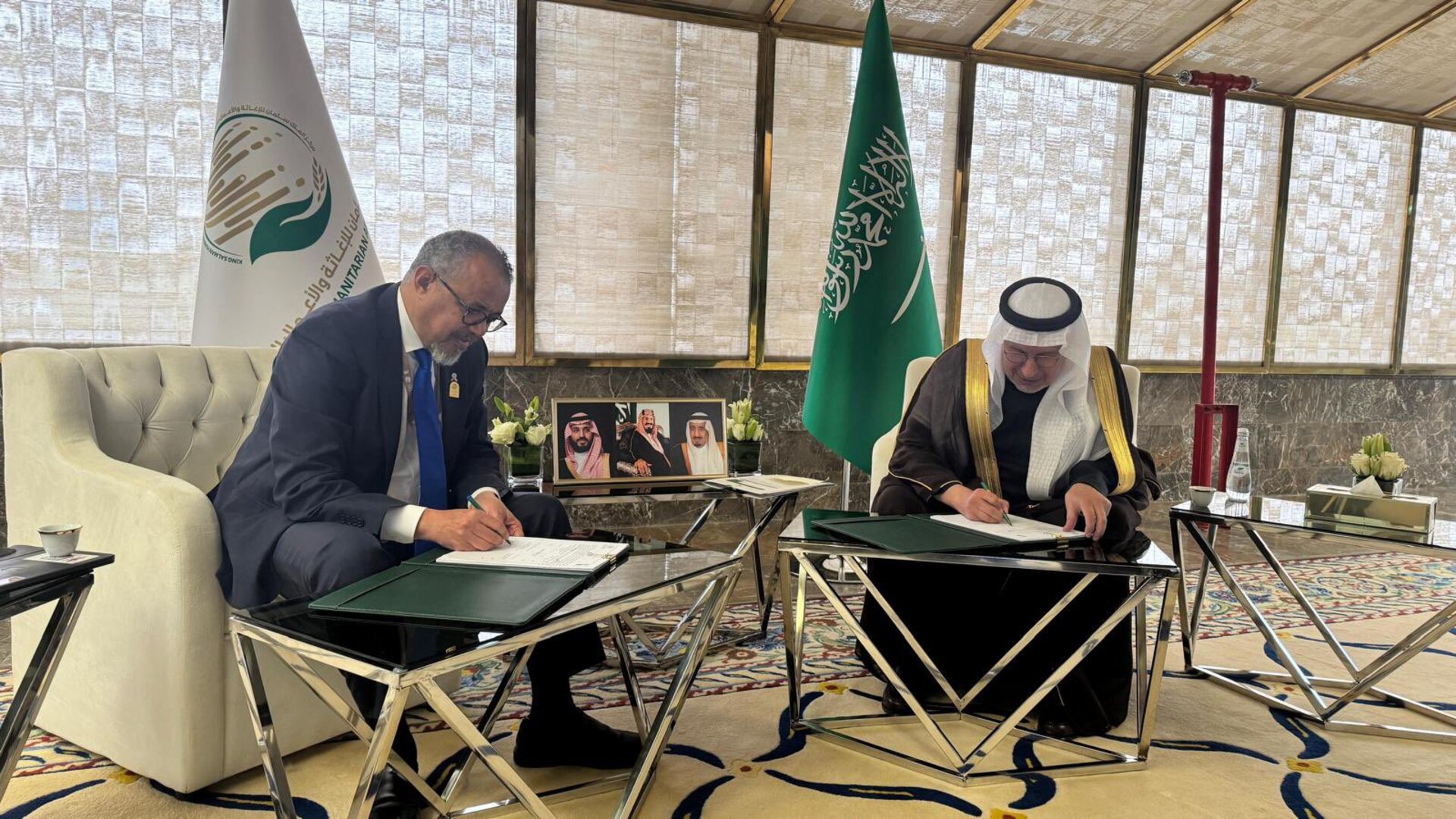
- Day One (February 24): Formal opening ceremonies highlighted the 10th anniversary of KSRelief. Dr. Tedros Adhanom Ghebreyesus, WHO Director-General, and Dr. Abdullah Al Rabeeah, Supervisor-General of KSRelief, initiated the signing of targeted health response agreements. These included a US$ 12 million allocation for malaria prevention and a US$ 2.1 million investment for cholera control in Yemen, where fragmented infrastructure has left millions vulnerable to outbreaks.
- Day Two (February 25): The focus shifted to regional support for displaced populations. A US$ 3.6 million agreement was finalized to provide life-saving dialysis treatment for Sudanese refugees in Egypt, addressing a critical gap in care caused by the ongoing civil war in Sudan. The forum concluded with the formal execution of the US$ 500 million pledge to the Global Polio Eradication Initiative (GPEI).
Addressing the Polio Resurgence
Perhaps the most substantial outcome of the forum was the reaffirmation of the US$ 500 million commitment to the GPEI, a pledge originally signaled in April 2024. This funding, split into US$ 300 million for the WHO and US$ 200 million for UNICEF, represents one of the largest single-donor contributions to polio eradication in recent years.

The urgency of this funding is underscored by epidemiological data. After decades of progress, polio has shown signs of resurgence in several conflict-affected territories, including parts of Pakistan, Afghanistan, and Gaza. The breakdown of health services in these regions has made routine immunization schedules impossible to maintain, leaving millions of children at risk of paralysis. The GPEI funding is earmarked to facilitate the vaccination of approximately 370 million children annually. By injecting capital into the supply chain and frontline medical staff, the partnership aims to stabilize immunization efforts in high-risk zones where the virus has recently re-emerged.
Strategic Implications for Regional Health
The agreements signed in Riyadh reflect a shift in humanitarian strategy, moving from broad, generalized aid to hyper-targeted, sector-specific interventions. By focusing on malaria and cholera—diseases that flourish in the wake of conflict and infrastructural collapse—the WHO and KSRelief are addressing the "second wave" of death that often follows active combat.
Furthermore, the support for Sudanese refugees in Egypt serves as a model for "cross-border" health diplomacy. By funding the health needs of displaced persons in host countries, international organizations can alleviate the burden on the host nation’s domestic health system, preventing social and economic instability that often arises during mass migration events.
Official Perspectives and Diplomatic Synergy
The collaboration between Dr. Tedros Adhanom Ghebreyesus and Dr. Abdullah Al Rabeeah was a recurring theme throughout the forum. In official briefings, the leadership emphasized that humanitarian aid is increasingly a matter of global security rather than mere charity.
"Health is a human right, but in crisis zones, it is the first casualty," noted a spokesperson close to the WHO delegation. The participation of UNICEF Executive Director Catherine Russell in the GPEI signing underscored the necessity of a multi-agency approach. By aligning the logistical capabilities of KSRelief with the technical expertise of the UN agencies, the forum demonstrated a clear preference for efficiency and direct impact.
The Saudi perspective, articulated through KSRelief’s leadership, suggests that the Kingdom views these investments as essential to maintaining regional stability. By addressing health crises before they become unmanageable epidemics, the donors aim to protect the long-term socioeconomic health of the Middle East and surrounding regions.
Fact-Based Analysis: The Challenges Ahead
While the financial pledges made in Riyadh are substantial, the success of these initiatives will ultimately depend on the "last mile" of delivery. Several factors pose a challenge to the objectives set during the forum:
- Access and Security: In conflict zones like Yemen and Gaza, the safety of healthcare workers remains a paramount concern. Despite high-level agreements, the physical delivery of vaccines and medicine requires safe passage, which remains elusive in active combat zones.
- Sustainability: Funding for infectious disease control, particularly cholera and malaria, often arrives in waves. A sustainable decline in these diseases requires long-term investment in water, sanitation, and hygiene (WASH) infrastructure, which requires a broader coalition than health agencies alone.
- Refugee Integration: The support for Sudanese refugees in Egypt is a vital stop-gap. However, as the conflict in Sudan shows no immediate signs of resolution, long-term integration strategies for the displaced will require continued, and likely increasing, financial support.
Broader Impact on Humanitarian Architecture
The Riyadh International Humanitarian Forum 2025 has set a high bar for international cooperation. By linking large-scale capital with specific, measurable health outcomes, the forum has provided a template for how donor nations can exert influence in the global health space.
The emphasis on "health diplomacy" suggests that the future of humanitarianism is increasingly tied to the ability of states to navigate complex geopolitical landscapes to deliver medical care. As Saudi Arabia continues to professionalize its humanitarian response, the international community is watching closely. If the funds pledged for polio, malaria, and cholera are successfully utilized, it could lead to a renewed confidence in multilateral aid mechanisms at a time when skepticism regarding global institutions is at an all-time high.
In conclusion, the Riyadh forum was a milestone event that successfully bridged the gap between humanitarian aspiration and operational reality. Through its targeted funding and high-level partnerships, the event has provided the resources necessary to confront some of the most pressing health threats of the decade. The world now looks toward the implementation phase, where the success of these agreements will be measured not by the amount of capital pledged, but by the number of lives preserved in the most vulnerable corners of the globe.
