

Polycystic Ovary Syndrome (PCOS) remains the most prevalent endocrine disorder among women of reproductive age globally, yet it continues to be one of the most underdiagnosed and misunderstood conditions in modern medicine. Recent clinical data indicates that the path to a formal diagnosis is often fraught with systemic delays, with many patients waiting up to two years and consulting at least three different healthcare providers before receiving clarity on their condition. This diagnostic lag is particularly concerning given that PCOS affects an estimated 8% to 13% of reproductive-aged women, serving as a leading cause of ovulatory infertility and a significant precursor to metabolic complications. In response to these barriers, the healthcare industry has seen a shift toward decentralized diagnostics, exemplified by the introduction of specialized at-home testing kits designed to identify hormonal markers associated with the syndrome.
The Diagnostic Odyssey: Understanding the Delay in Clinical Recognition
The journey toward a PCOS diagnosis is frequently described by patients and researchers as a "diagnostic odyssey." According to a landmark study published by Gibson-Helm and Teede in 2017, nearly half of the women surveyed reported seeing three or more health professionals before a diagnosis was established. Furthermore, one-third of respondents reported that it took more than two years to receive a definitive answer. This delay is attributed to several factors, including the heterogeneity of symptoms—which can range from dermatological issues like acne and hirsutism to reproductive issues like amenorrhea—and a lack of standardized screening protocols in primary care settings.

For many women, the symptoms of PCOS begin shortly after menarche, but because irregular cycles are common in adolescence, the condition is often dismissed or managed with hormonal contraceptives that mask the underlying endocrine imbalance. By the time a patient seeks a diagnosis, often due to fertility struggles or persistent metabolic changes, the condition may have progressed significantly. The psychological toll of this waiting period is substantial, with patients reporting increased levels of anxiety, depression, and frustration with the medical establishment.
The Rotterdam Criteria: The Gold Standard for Clinical Diagnosis
Despite the complexity of the disorder, the medical community primarily relies on the Rotterdam Criteria, established in 2003, to standardize the diagnostic process. To receive a formal diagnosis of PCOS, a patient must present with at least two of the following three clinical indicators:
- Oligo-ovulation or Anovulation: This is characterized by irregular menstrual cycles, typically defined as fewer than eight periods per year or cycles that last longer than 35 days. In severe cases, patients may experience amenorrhea, the total absence of menstruation for four months or more.
- Hyperandrogenism: This involves elevated levels of "male" hormones, such as testosterone. Clinically, this may manifest as biochemical hyperandrogenism (detected via blood tests) or clinical hyperandrogenism, which includes hirsutism (excessive hair growth on the face, chest, or back), severe adult acne, or androgenetic alopecia (thinning hair on the scalp).
- Polycystic Ovaries: Through a transvaginal ultrasound, a clinician looks for the presence of 12 or more follicles in each ovary, measuring 2 to 9 mm in diameter, or increased ovarian volume. It is a common misconception that "cysts" are present; rather, these are small, underdeveloped follicles that have failed to release an egg.
Because PCOS is a "diagnosis of exclusion," physicians must also rule out other conditions that mimic its symptoms. These include Cushing’s syndrome, congenital adrenal hyperplasia, androgen-secreting tumors, hypothyroidism, and hyperprolactinemia. The complexity of this exclusionary process is a primary contributor to the lengthy timeline for clinical diagnosis.

Innovation in Diagnostics: The Rise of At-Home Hormonal Testing
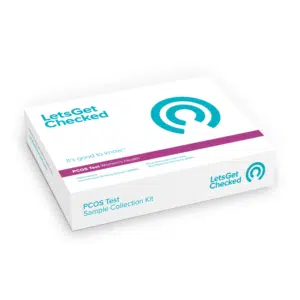
As the demand for accessible healthcare grows, companies like Let’s Get Checked have developed at-home diagnostic tools to bridge the gap between symptom onset and clinical intervention. The PCOS Home Test represents a significant shift in how endocrine health is monitored, allowing individuals to collect a blood sample via a simple finger prick in a private setting. This method targets the core hormonal imbalances associated with the syndrome, providing a "probable diagnosis" that can then be used to facilitate more informed discussions with a primary care physician or endocrinologist.
The at-home kit typically analyzes a comprehensive panel of hormones, including:
- Testosterone: The primary androgen that, when elevated, disrupts the ovulatory cycle.
- Sex Hormone-Binding Globulin (SHBG): A protein that regulates the amount of "free" testosterone in the blood. Low levels of SHBG are often found in women with PCOS.
- Free Androgen Index (FAI): A calculation derived from testosterone and SHBG levels to determine the ratio of active androgens.
- Luteinizing Hormone (LH) and Follicle-Stimulating Hormone (FSH): The ratio of these two hormones is often skewed in PCOS patients, with LH being significantly higher than FSH.
- Prolactin: Tested primarily to rule out pituitary issues that could cause similar menstrual irregularities.
Methodology and Precision in Home-Based Screening
The efficacy of at-home testing is highly dependent on the timing of sample collection, as female reproductive hormones fluctuate significantly throughout the month. For individuals with a regular menstrual cycle, clinical guidelines suggest taking the blood sample on day 3, 4, or 5 of the cycle to capture "baseline" levels. However, for the large portion of the PCOS population with irregular cycles, the protocol allows for testing on any three consecutive days, provided the laboratory is informed of the lack of a regular cycle for accurate interpretation.

Critics of at-home testing often point to the potential for user error during collection. However, providers have mitigated these risks by using CLIA-certified and CAP-accredited laboratories—the same facilities used by hospitals and private clinics. Furthermore, results are typically reviewed by a clinical team before being released to the patient. This layer of professional oversight ensures that "abnormal" results are flagged for immediate medical follow-up, transforming the test from a mere data point into an actionable clinical tool.
The Role of Hormonal Contraceptives in Diagnostic Accuracy
A significant hurdle in diagnosing PCOS is the widespread use of hormonal birth control. The estrogen and progestin found in oral contraceptives, patches, and hormonal IUDs work by suppressing the pituitary-ovarian axis, which effectively lowers androgen levels and regulates the uterine lining. Consequently, blood tests taken while a patient is on hormonal birth control will not accurately reflect their natural hormone state.
Medical experts advise that patients must be off hormonal contraceptives for a minimum of three months before testing to ensure the results are representative of their endogenous hormonal profile. This requirement often presents a dilemma for patients who rely on birth control to manage painful or heavy symptoms, further complicating the timeline for a definitive diagnosis.
Broader Health Implications: Beyond Reproductive Health
The urgency for early diagnosis is not merely a matter of managing symptoms; it is a critical step in preventing long-term systemic health complications. PCOS is recognized as a metabolic disorder with implications that extend far beyond the ovaries. Women with the condition are at a significantly higher risk for several life-altering comorbidities:
- Type 2 Diabetes and Insulin Resistance: Up to 70% of women with PCOS have insulin resistance, regardless of their weight. This significantly increases the lifetime risk of developing gestational diabetes and Type 2 diabetes.
- Cardiovascular Disease: Elevated androgens and insulin resistance contribute to dyslipidemia (high cholesterol) and hypertension, increasing the risk of heart attacks and strokes.
- Endometrial Cancer: Chronic anovulation leads to a lack of progesterone, which allows the endometrial lining to thicken excessively. Over time, this increases the risk of endometrial hyperplasia and cancer.
- Mental Health Disorders: The physical manifestations of PCOS, such as weight gain and hirsutism, are linked to higher rates of body dysmorphia, anxiety, and clinical depression.
Conclusion: Streamlining the Path to Patient Care
The traditional healthcare model for diagnosing PCOS is increasingly viewed as inefficient for the modern patient. By integrating at-home diagnostic tools into the patient journey, the "two-year wait" can potentially be reduced to a matter of weeks. While a home test does not replace the need for a comprehensive physical exam or a transvaginal ultrasound, it serves as a powerful catalyst for clinical action.
The data provided by these tests empowers patients to enter their doctor’s office with objective evidence, shifting the conversation from a vague description of symptoms to a focused discussion on endocrine management. As the medical community continues to refine its understanding of Polycystic Ovary Syndrome, the synergy between patient-led diagnostics and professional clinical oversight will be essential in improving long-term health outcomes for millions of women worldwide. Early intervention, supported by accessible testing and a thorough understanding of the Rotterdam Criteria, remains the most effective strategy for mitigating the metabolic and reproductive risks associated with this complex hormonal disorder.
