

Polycystic Ovary Syndrome (PCOS) remains one of the most prevalent endocrine disorders among women of reproductive age, affecting an estimated 8% to 13% of the global female population. While the condition is characterized by a complex interplay of genetic and environmental factors, recent clinical research has increasingly pointed toward nutritional intervention as a cornerstone of long-term management. Specifically, the Mediterranean diet—a nutritional pattern emphasizing plant-based foods, healthy fats, and lean proteins—has emerged as a highly effective therapeutic strategy. Although historical research focusing specifically on the intersection of PCOS and Mediterranean nutrition was once limited, a growing body of contemporary evidence suggests that this dietary approach addresses the root physiological disruptions of the syndrome, including chronic inflammation, insulin resistance, and hormonal imbalances.
Pathophysiological Foundations of PCOS and Dietary Influence
PCOS is defined by a triad of symptoms: ovulatory dysfunction, hyperandrogenism (elevated male hormones), and the presence of polycystic ovaries on ultrasound. However, beneath these clinical markers lies a deeper metabolic crisis. Between 50% and 70% of women with PCOS exhibit some degree of insulin resistance, regardless of their Body Mass Index (BMI). This metabolic state forces the pancreas to produce excess insulin, which in turn stimulates the ovaries to produce more testosterone, creating a feedback loop that exacerbates the condition.
The Mediterranean diet, traditionally practiced in regions bordering the Mediterranean Sea, provides a direct counter-mechanism to these disruptions. Unlike the Standard American Diet (SAD) or "Western Diet," which is high in refined sugars, trans fats, and processed meats, the Mediterranean pattern focuses on high-fiber complex carbohydrates, monounsaturated fats from olive oil, and a high intake of antioxidants from fruits and vegetables. These components work synergistically to improve glucose metabolism and reduce the oxidative stress that characterizes the PCOS phenotype.
Historical Evolution of Nutritional Research in PCOS
The shift toward recommending the Mediterranean diet for PCOS is the result of decades of broader metabolic research. In the mid-20th century, the "Seven Countries Study" first highlighted the cardiovascular benefits of Mediterranean eating patterns. By the early 2000s, researchers began to draw parallels between the metabolic syndrome seen in cardiovascular patients and the metabolic profile of women with PCOS.
A pivotal 2014 study published in Endocrine, Metabolic & Immune Disorders – Drug Targets established that the Mediterranean diet possesses unique "immune-protective" effects. This was followed by a 2018 landmark study in Human Reproduction which examined the impact of the diet on fertility and IVF success rates. Most recently, a 2019 study in Nutrients focused specifically on PCOS populations, finding that those with the lowest adherence to Mediterranean principles had the highest levels of testosterone and the most severe insulin resistance. This chronology reflects a narrowing of focus from general heart health to specific endocrine and reproductive applications.
Mitigating Systemic Inflammation and Insulin Resistance
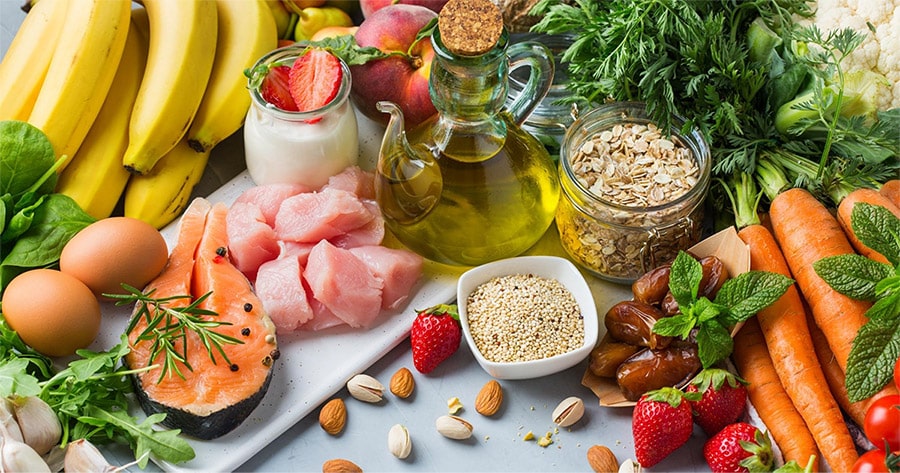
Chronic low-grade inflammation is a recognized hallmark of PCOS, contributing to both the development of the disorder and its long-term complications. Clinical data suggests that markers of inflammation, such as C-reactive protein (CRP) and white blood cell counts, are frequently elevated in women with PCOS. The Mediterranean diet’s emphasis on omega-3 fatty acids—found in fatty fish, walnuts, and flaxseeds—acts as a natural anti-inflammatory agent. By reducing systemic inflammation, the diet helps to restore the sensitivity of insulin receptors on the cell surface.
The improvement in insulin sensitivity is perhaps the most significant benefit of this dietary transition. When insulin levels are stabilized, the "insulin-driven" production of androgens in the ovaries decreases. This physiological shift is comparable to the effects of pharmaceutical interventions like Metformin or Inositol, but with the added benefit of providing essential micronutrients. Improved insulin signaling leads to more consistent energy levels, a reduction in "sugar crashes," and a decrease in the abdominal weight gain often associated with PCOS-related metabolic dysfunction.
Hormonal Regulation and the Impact on Hyperandrogenism
Hyperandrogenism, or the overproduction of androgens like testosterone, is responsible for the most distressing physical symptoms of PCOS, including hirsutism (excessive hair growth), cystic acne, and androgenetic alopecia (thinning hair). Research indicates that the high levels of monounsaturated fats and polyphenols found in extra virgin olive oil and nuts can help modulate hormone levels.
Furthermore, the fiber content of a Mediterranean-style diet plays a crucial role in hormone excretion. Fiber assists the body in processing and removing excess hormones through the digestive tract. Clinical observations have shown that women who strictly adhere to Mediterranean dietary patterns tend to have higher levels of Sex Hormone-Binding Globulin (SHBG), a protein that binds to testosterone in the blood, making it inactive and reducing its impact on the skin and hair follicles.
Clinical Outcomes in Reproductive Health and Fertility
PCOS is a leading cause of ovulatory infertility. However, the Mediterranean diet has shown remarkable promise in improving reproductive outcomes. A study published in Human Reproduction found that non-obese women under 35 who followed a Mediterranean-style diet had a 65% to 68% higher likelihood of achieving a successful pregnancy and live birth compared to those with low adherence.
The high antioxidant intake inherent in the diet—derived from a variety of colorful vegetables and fruits—helps protect the oocytes (eggs) from oxidative damage. Additionally, the diet’s positive impact on semen quality suggests that it is an effective strategy for couples attempting to conceive. By normalizing the menstrual cycle through improved insulin regulation, the diet increases the frequency of spontaneous ovulation, thereby reducing the need for intensive fertility medications or interventions.
The Gut-Brain-Axis: Microbiome and Dermatological Implications
Emerging research into the gut microbiome has revealed that women with PCOS often suffer from "dysbiosis," or an imbalance of gut bacteria. This lack of microbial diversity is linked to increased intestinal permeability, which allows inflammatory markers to enter the bloodstream, further worsening insulin resistance.
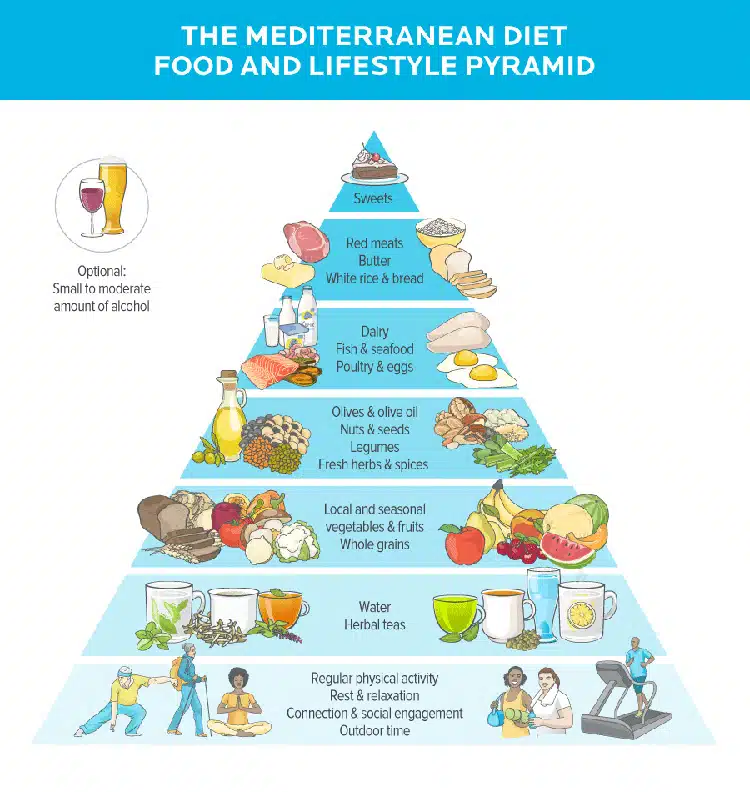
The Mediterranean diet is naturally prebiotic, providing the diverse fibers and resistant starches necessary to feed beneficial gut bacteria. A 2019 study in F1000Research highlighted that the Mediterranean pattern improves the health and diversity of the gut microbiome. This not only aids in digestion but also has a direct impact on the "gut-skin axis," potentially clearing PCOS-related acne and improving overall skin health through reduced systemic inflammation.
Metabolic Comorbidities: Addressing NAFLD and Cardiovascular Risk
The implications of PCOS extend far beyond reproductive health. Approximately 33% of women with PCOS also meet the criteria for metabolic syndrome, significantly increasing their risk for Type 2 diabetes and cardiovascular disease. Furthermore, women with PCOS are more prone to Non-Alcoholic Fatty Liver Disease (NAFLD) due to the accumulation of fat around the liver caused by high insulin levels.
Long-term clinical trials have demonstrated that the Mediterranean diet is one of the most effective non-pharmacological treatments for NAFLD. A 12-month intervention study found that adherence to the diet improved liver fat markers and insulin sensitivity even in cases where significant weight loss was not achieved. This suggests that the quality of the nutrients—rather than just the caloric count—is the driving factor in metabolic recovery.
Comparative Analysis: Mediterranean vs. Western Dietary Patterns
The Western diet is characterized by high-glycemic index (GI) foods that cause rapid spikes in blood glucose and insulin. In contrast, the Mediterranean diet relies on low-GI carbohydrates such as legumes (lentils, chickpeas, beans) and whole grains (quinoa, farro, oats). While the Mediterranean diet may be higher in total carbohydrates than some "low-carb" or "keto" diets often marketed to the PCOS community, the high fiber content ensures a slow, steady release of glucose into the bloodstream.
Furthermore, the source of protein differs significantly. While a Western diet relies heavily on red and processed meats—which have been linked to increased inflammation and insulin resistance—the Mediterranean diet prioritizes plant-based proteins and fish. Red meat is consumed only sparingly, usually reserved for cultural or special occasions, which aligns with clinical recommendations to limit saturated fat intake in PCOS patients.
Long-term Adherence and Public Health Implications
One of the greatest challenges in managing PCOS is the sustainability of dietary changes. Many restrictive diets lead to "yo-yo" dieting, which can further disrupt metabolic health. The Mediterranean diet, however, is frequently cited in medical literature as being highly palatable and easier to maintain over the long term. Its focus on flavor, fresh ingredients, and the social aspect of eating makes it a lifestyle rather than a restrictive "fad" diet.
From a public health perspective, the adoption of Mediterranean dietary principles could significantly reduce the healthcare burden associated with PCOS. By mitigating the risks of diabetes, heart disease, and infertility through nutritional education, healthcare systems can improve the quality of life for millions of women. Experts suggest that clinical management of PCOS should move toward a "food-first" approach, where nutritional therapy is prescribed with the same rigor as pharmaceutical treatments.
Implementation and Practical Considerations
For women looking to transition to this way of eating, clinical guidelines suggest a gradual approach. The focus should remain on "crowding out" processed foods with nutrient-dense alternatives. Key practical steps include:
- Primary Fat Source: Replacing butter and vegetable oils with extra virgin olive oil.
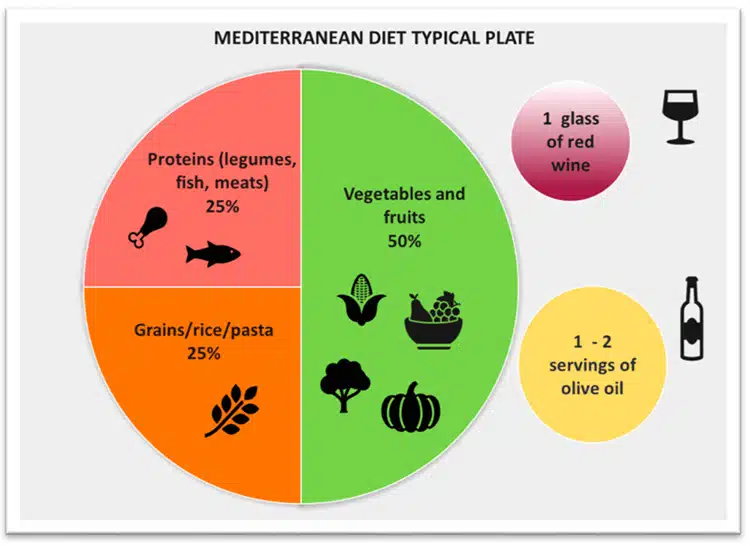
- Plant-Forward Plates: Ensuring that at least half of the plate consists of non-starchy vegetables.
- Protein Rotation: Prioritizing legumes and fatty fish at least twice a week, while limiting red meat to a few times per month.
- Mindful Consumption: Adopting the Mediterranean lifestyle habit of eating slowly and socially, which has been shown to improve satiety signals and digestion.
In conclusion, while more large-scale, PCOS-specific longitudinal studies are needed to further refine these recommendations, the current evidence is compelling. The Mediterranean diet offers a holistic, evidence-based framework that addresses the multi-faceted challenges of Polycystic Ovary Syndrome. By focusing on anti-inflammatory nutrients and glucose stability, this dietary pattern provides women with a powerful tool to regain hormonal balance and protect their long-term metabolic health.
