
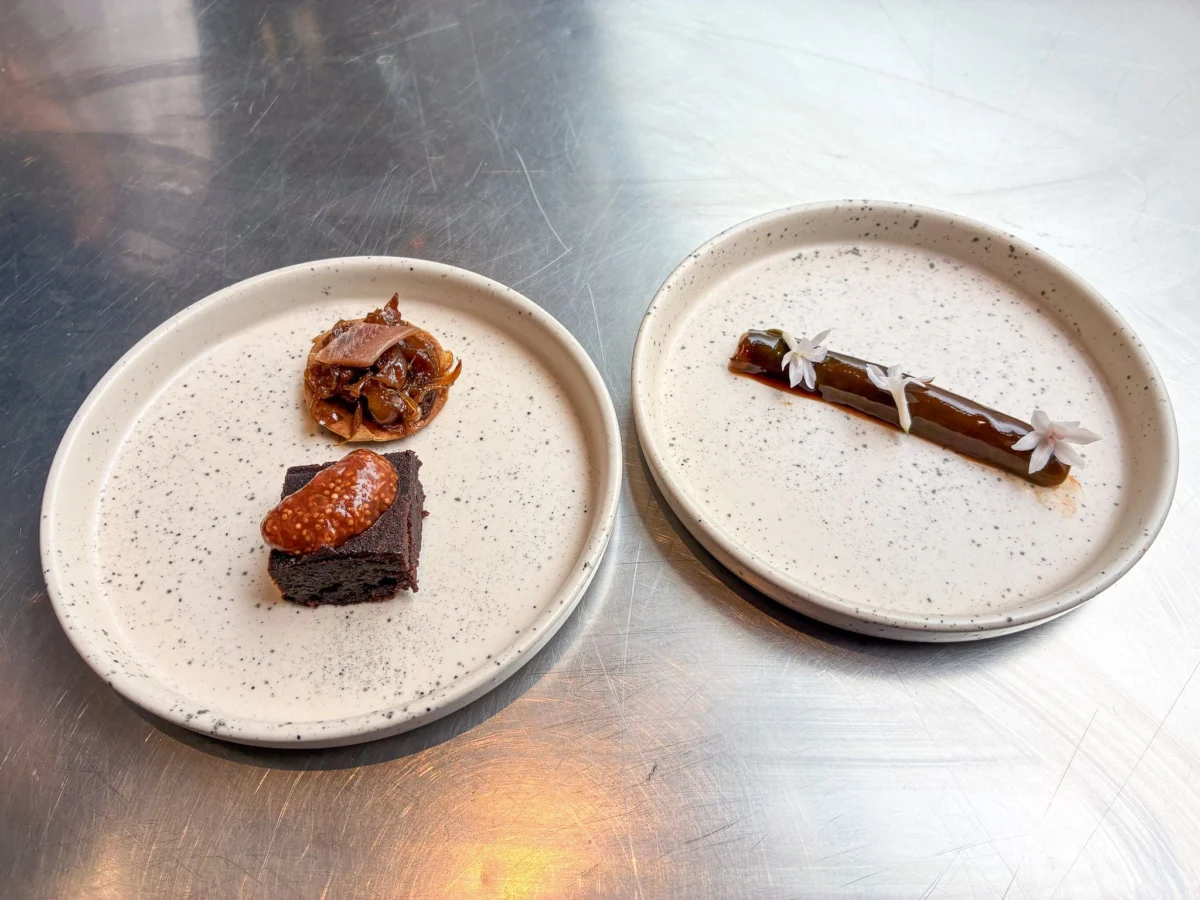
Global food and beverage supply chains are facing an unprecedented convergence of climate vulnerability, regulatory pressure, and evolving consumer preferences. In response to these structural challenges, French agricultural behemoth Soufflet Malt, the world’s largest malt producer, has formed a strategic partnership with food technology platform Eat the Truth—formerly known as The Mediterranean Food Lab. The collaboration aims to leverage solid-state grain fermentation to convert malt into natural, complex flavor profiles capable of replacing traditional, highly resource-intensive ingredients such as cocoa and alcohol.
This alliance brings together industrial-scale processing capabilities and advanced culinary biotechnology. By harnessing proprietary fermentation methodologies, the joint initiative seeks to deliver cost-competitive, scalable, and additive-free flavor solutions to food and beverage manufacturers globally. As agricultural commodities face severe volatility due to shifting weather patterns, innovations in bio-derived flavor creation are moving from niche laboratories into the mainstream industrial processing sector.
The Technological Foundation of Solid-State Fermentation
At the core of this partnership is the application of solid-state fermentation to grain substrates. Founded by professional chefs, Eat the Truth has specialized in utilizing legumes, seeds, and grains to generate rich, savory flavor profiles that replicate the depth of slow-cooked foods. The company markets these culinary ingredients under the SHO brand, supplying more than 300 professional kitchens across seven countries with flavor bases free from artificial additives.
Solid-state fermentation involves the growth of microorganisms on moist, solid materials in the absence of free-flowing water. This technique allows for the efficient synthesis of secondary metabolites, enzymes, and complex flavor compounds that mimic or enhance natural tastes. When applied to malt—a germinated cereal grain typically used in brewing and distilling—the process unlocks an array of sensory notes, including roasted characteristics, deep cocoa profiles, coffee-like bitterness, umami, and kokumi (a Japanese term describing richness, mouthfeel, and taste continuity).
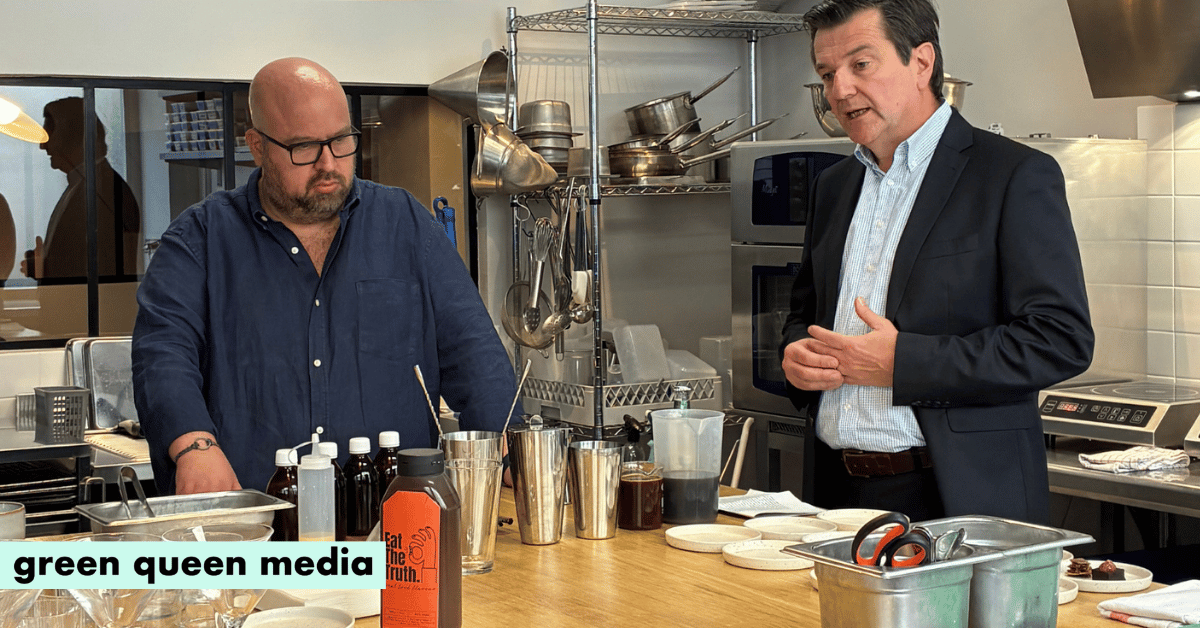
By shifting the flavor creation process from traditional agricultural harvesting to controlled bio-fermentation, the partnership aims to circumvent the environmental and geopolitical vulnerabilities associated with raw commodity supply chains. The resulting ingredients can be integrated seamlessly into a wide range of industrial applications, including chocolate confectionery, non-alcoholic beverages, baked goods, and savory sauces.
Industrial Scale and Manufacturing Synergy
The commercial viability of alternative food ingredients often hinges on a producer’s ability to transition from benchtop development to mass production. The alliance between Soufflet Malt and Eat the Truth is explicitly structured to bridge this gap by combining disparate yet complementary institutional strengths.
Soufflet Malt operates an extensive global footprint consisting of 35 malthouses spanning 20 countries, boasting an aggregate annual production capacity of 3.6 million tonnes. This expansive infrastructure provides the raw material supply chain, geographical reach, and industrial processing capacity required to service multinational food and beverage conglomerates.
Conversely, Eat the Truth brings specialized expertise in culinary research, sensory validation, and fermentation biotechnology. The food tech platform recently expanded its operational capacity to handle hundreds of tonnes of material annually. Recent process optimizations have improved its fermentation efficiency by 40 percent, positioning the firm to successfully partner with large-scale industrial food producers.
Together, the companies have established an integrated platform that guides manufacturers through the entire product lifecycle—from initial flavor creation and prototype development to sensory validation and industrialization.

Driving Market Forces: Climate Crises and Consumer Shifts
The partnership’s immediate commercial focus on cocoa and non-alcoholic beverage alternatives is a direct response to macroeconomic pressures and changing consumer demographics.
Global cocoa markets experienced historic turbulence recently, driven by prolonged droughts, heavy rainfall, and plant diseases in West Africa—the region responsible for the majority of the world’s supply. Climate-change-induced crop failures pushed cocoa futures to record-breaking highs, leaving chocolate manufacturers searching for viable extenders and alternatives. Furthermore, cocoa production carries a heavy environmental footprint. According to agricultural and environmental data, chocolate emits more greenhouse gases per unit of weight than almost any foodstuff other than beef. It is also a primary driver of deforestation in major producing nations such as Ghana and the Ivory Coast, where it accounts for approximately 94 percent and 80 percent of forest loss, respectively.
Concurrently, consumer demand for clean-label products is reshaping retail markets. In France, consumer surveys indicate that 64 percent of shoppers have consciously rejected food items containing chemical additives, while 60 percent report a lack of transparency regarding ingredient sourcing.
Parallel transformations are occurring in the beverage sector. Across Europe, 71 percent of consumers report actively reducing their alcohol consumption. The trend is particularly acute among younger demographics; roughly 25 percent of adults aged 25 to 35 have abstained from alcohol entirely. This cultural shift has generated strong demand for sophisticated, non-alcoholic beverages that retain the complex flavor profiles, mouthfeel, and social ritual associated with traditional alcoholic drinks.
Corporate Strategy and Industry Implications
For Soufflet Malt, the collaboration represents a crucial milestone in its long-term corporate strategy, known as "Maltiply 2030." This initiative is designed to diversify the company’s revenue streams, expand into adjacent high-value markets, and future-proof its business against the stagnation of traditional brewing and distilling markets.
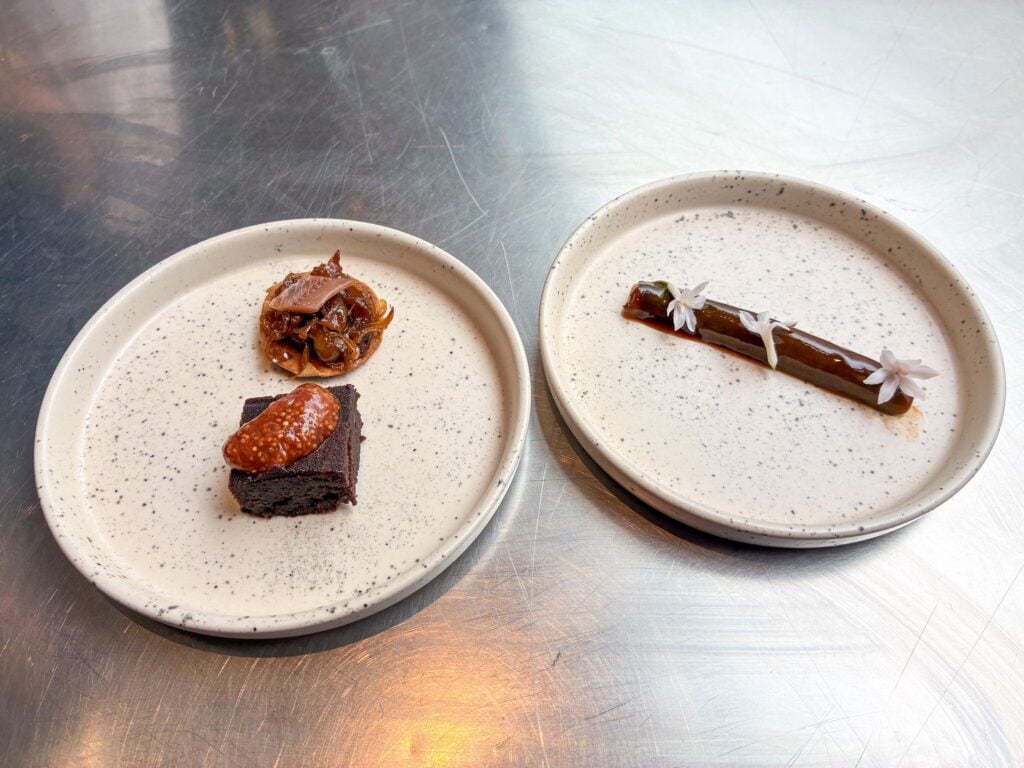
"This partnership combines our expertise in fermentation with Eat The Truth’s approach to flavour creation using food ingredients," stated Laurent Debande, chief growth and innovation officer at Soufflet Malt. "Together, we will accelerate the development of new solutions for our customers and bring them to market at scale."
Debande emphasized that utilizing malt as a versatile, sustainable biomaterial allows the company to address manufacturer demands for ingredient simplicity, authenticity, and enhanced taste profiles.
This venture is part of a broader corporate trend at Soufflet Malt toward biotechnology and sustainable ingredient sourcing. In June, the malt producer entered into a collaborative agreement with Ferments du Futur, a French public-private research initiative. That partnership focuses on utilizing solid-state malt fermentation to develop advanced, high-value functional ingredients, beginning with sprouted-grain-based cocoa substitutes.
Economic and Regulatory Outlook
As the food technology sector matures, regulatory bodies in Europe and internationally are reviewing novel fermentation-derived ingredients under strict food safety frameworks. Because the Soufflet Malt and Eat the Truth platform relies on food-grade grains and traditional solid-state fermentation processes rather than genetically modified precision fermentation, it may face a streamlined regulatory pathway compared to lab-grown or recombinant proteins.
Industry analysts suggest that successful deployment of these malt-derived flavor systems could significantly reduce raw material input costs for industrial food manufacturers while insulating them from the price volatility of tropical commodities like cocoa and coffee. By transforming a traditional agricultural commodity into a high-tech flavor platform, the partnership exemplifies a growing industrial paradigm: leveraging established agricultural infrastructure to pioneer sustainable, climate-resilient food systems for the twenty-first century.
