

In a move poised to elevate transparency and bolster consumer trust within the burgeoning cultivated meat sector for companion animals, BioCraft Pet Nutrition has made its comprehensive regulatory safety dossier publicly accessible. This initiative by the Austrian-American food technology firm aims to establish a de facto minimum safety disclosure standard for cultivated meat ingredients intended for pet food. The publication of this dossier marks a significant step toward fostering a more responsible and accountable industry, particularly as the demand for sustainable and ethically produced pet food ingredients continues to grow.
The company, which has been at the forefront of developing cultivated meat for the pet food market, secured registration from Austrian authorities in the European Union last year. This crucial approval, obtained in 2023, permitted BioCraft to utilize Category 3 animal byproducts (ABPs) in its production processes, paving the way for the sale of its cultivated mouse meat as a pet food ingredient within the EU. This regulatory milestone underscored the viability of cultivated meat as a component in animal nutrition and positioned BioCraft as an early leader in this specialized niche.
As BioCraft Pet Nutrition prepares for the commercial launch of its innovative product, its decision to publish its entire safety dossier is a departure from industry norms. Typically, such extensive regulatory submissions are treated as proprietary information, safeguarded as trade secrets. However, BioCraft has opted for an open-access approach, a strategy that has garnered praise from food safety experts. Dima Faour-Klingbeil, founder of DFK for Safe Food Environment, who provided consultation on BioCraft’s Hazard Analysis and Critical Control Points (HACCP) plan, lauded the company’s transparency. "Choosing to publish detailed safety data and invite external scrutiny is exactly the kind of practice this industry needs more of," Faour-Klingbeil stated, emphasizing that this level of openness is particularly significant in a novel ingredient category where established safety benchmarks are still evolving.
Addressing Key Safety Concerns with Cultivated Meat
The publication of BioCraft’s dossier is intended to address critical questions surrounding the safety of cultivated meat, particularly for pet consumption. The document, available on the pre-print server bioRxiv, details years of rigorous research and best practices employed in the development and safety characterization of their cultivated meat ingredient. This includes thorough evaluations of cell line identity, tumorigenicity, genotoxicity, chemical safety, viral safety, and media composition. The dossier is designed to serve as a resource for industry partners, regulatory bodies, veterinary professionals, and pet owners, offering a benchmark for safety and quality.

A primary concern often raised regarding cell-cultured proteins is the potential for cancerous or tumor-forming properties within the foundational cell lines. BioCraft’s dossier meticulously outlines the use of complementary assays designed to detect any signs of malignant or tumor-forming behavior in their proprietary mouse embryonic cell line, PE25. A key component of this testing involved a soft agar assay, a standard method for assessing the anchorage-independent growth of cells, which is indicative of neoplastic potential.
Beyond the soft agar assay, BioCraft conducted further investigations into the integrity of the cells’ DNA repair mechanisms. Specifically, they examined the p53-mediated defense response, a critical cellular pathway that governs the reaction to DNA damage. A compromised p53 pathway can contribute to uncontrolled cell growth and tumor development. Additionally, the company monitored the expression of two specific markers, CD44 and BMI1, which are frequently associated with abnormal cellular behavior and tumorigenesis. The combined results from these three distinct testing methodologies provided conclusive evidence that the PE25 cell line is neither cancerous nor tumorigenic, assuring its safety for use in pet food.
Establishing a New Standard for Safety Disclosure
The existing regulatory landscape in the European Union and the United Kingdom for cell-cultured ingredients in animal feed does not mandate independent safety reviews for the ingredients themselves. Instead, approvals are typically granted based on the safety of the manufacturing facility. This absence of a defined, standardized checklist for safety testing and public disclosure places a significant onus on manufacturers to determine what constitutes "safe enough." BioCraft’s proactive approach aims to fill this void by not only ensuring its own product’s safety but also by advocating for a higher industry standard.
BioCraft’s dossier systematically addresses genotoxicity, a critical aspect of food safety that assesses the potential of a substance to damage genetic material. The company conducted comprehensive testing to identify and characterize potential genotoxic hazards, including heavy metals, biogenic amines, and solvent residues. Furthermore, the cultivated meat ingredient underwent internationally recognized genotoxicity assays to confirm its safety. These tests unequivocally demonstrated that the final product is not mutagenic (causing changes in DNA), clastogenic (causing breaks in chromosomes), or aneugenic (causing abnormal chromosome numbers), thereby confirming its integrity at the genetic level.
Nutritional Profile and Environmental Advantages
Beyond its safety assurances, BioCraft’s cultivated meat ingredient, derived from cultured mouse cells, offers a compelling nutritional profile. It requires no additional downstream processing, simplifying its integration into pet food formulations. Third-party nutritional analysis of the ingredient revealed comparable levels of essential amino acids such as taurine, lysine, methionine, and tryptophan to those found in conventional chicken slurry. Moreover, it boasts a superior omega-6 to omega-3 fatty acid ratio, which is crucial for promoting cardiovascular health and reducing inflammation in pets.

A significant aspect of BioCraft’s innovation lies in its cost-effective production. Traditional animal-derived growth media, essential for cultivating cells in bioreactors, can be prohibitively expensive, often costing hundreds of dollars per liter. BioCraft has developed a proprietary plant-based growth medium. This formulation not only reduces production costs but also contributes to the nutritional value of the final ingredient. This advancement allows BioCraft’s cultivated meat ingredient to be priced competitively, estimated at $2-2.50 per pound, making it an economically viable option for pet food manufacturers.
The environmental benefits of BioCraft’s cultivated meat are also substantial. Production of its cell-cultured ingredient generates approximately 92% fewer greenhouse gas emissions compared to conventional beef byproducts. This significant reduction in carbon footprint aligns with the growing consumer demand for environmentally sustainable pet food options.
BioCraft had previously earmarked an early 2026 launch for its product and has been actively collaborating with key industry players. Partnerships with Partner in Pet Food and Prefera Petfood are central to bringing this novel ingredient to the market, ensuring its availability to a wider range of pet food manufacturers.
The Evolving Landscape of Cultivated Pet Food
BioCraft Pet Nutrition is entering a rapidly evolving market, with a select number of companies already having achieved regulatory clearance for cultivated meat products for pets. In the United Kingdom, Meatly has launched its "Chick Bites," which incorporate 4% cultivated chicken blended with plant-based ingredients from The Pack. Singapore has seen the introduction of eight cultivated meat products for cats and dogs by Friends & Family Pet Food. Meanwhile, BeneMeat has partnered with Forza10 to create "Coolty Meat," a product for dogs that combines cultured hamster meat with plant-based components.
Umami Bioworks has also received EU registration for its cultivated white fish, intended as a feed ingredient. In Australia, Magic Valley is commercializing cultivated dog treats under its "Rogue Pet" brand, operating within a voluntary framework established by the Pet Food Industry Association of Australia. These developments highlight a growing global interest and investment in cultivated meat for the companion animal sector.
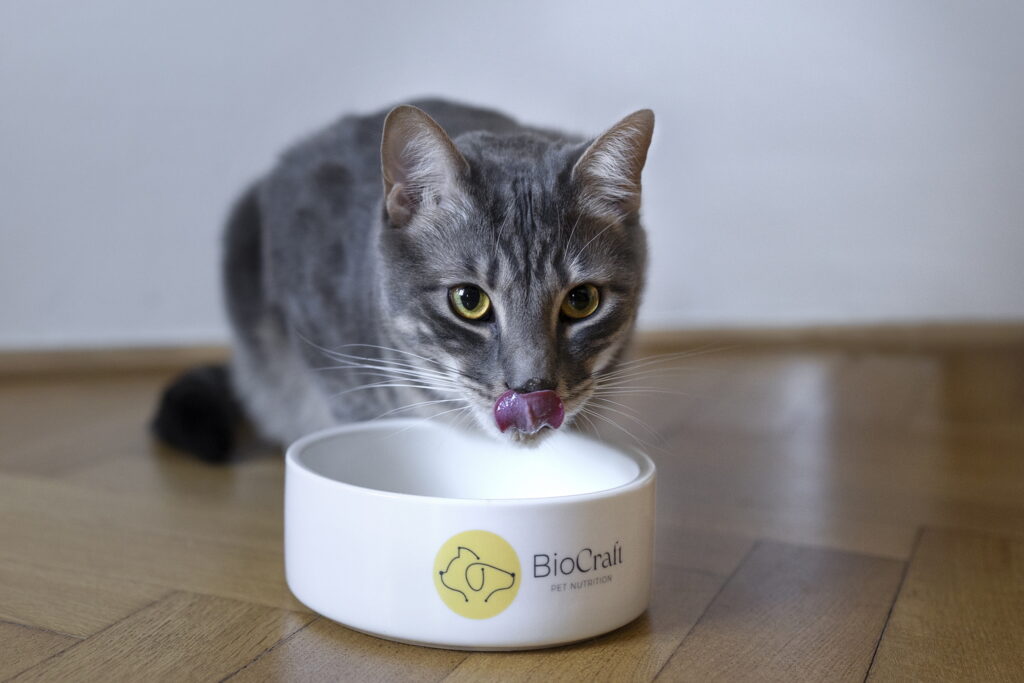
BioCraft, which has successfully raised $6.7 million in funding, emphasizes that cultivated meat production methods can vary significantly between companies, depending on factors such as cell line origin, growth media composition, and specific cell culture processes. Consequently, BioCraft advocates for evaluating each company’s offerings individually rather than generalizing across the entire category. This perspective underpins their introduction of the "BioCraft Pet Nutrition Standard," a proposed framework for minimum safety disclosure designed to encourage widespread adoption by other manufacturers.
Shannon Falconer, co-founder and CEO of BioCraft, articulated the profound responsibility that early-stage companies in this sector bear. "My dogs are my children, and I speak for many pet parents when I say this. The precedent set by manufacturers of animal cell-cultured ingredients in these earliest days will shape whether veterinarians and pet parents can trust this entire category for years to come," Falconer stated. She further emphasized the company’s commitment to transparency: "We’re publishing every piece of our safety data not because a regulator told us to, but because the pets eating our ingredients, and the people who love and care for them, deserve nothing less." This statement underscores BioCraft’s mission to build a foundation of trust and safety as cultivated meat becomes an increasingly viable option for pet nutrition.
