
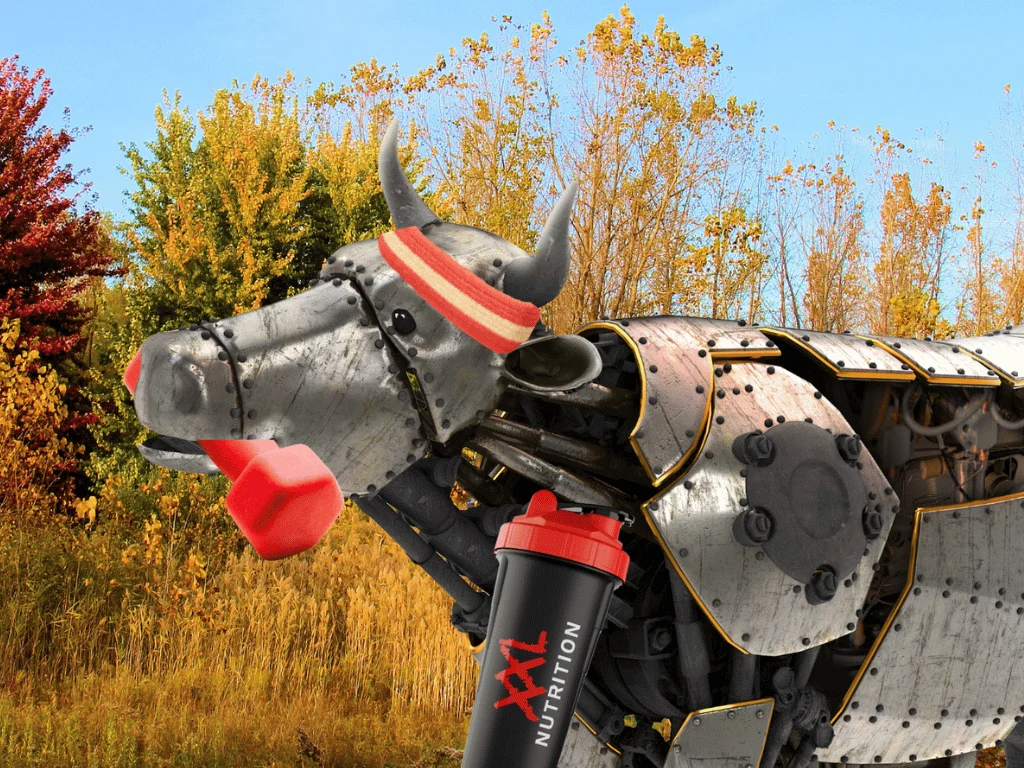
The landscape of sustainable, animal-free food technology is undergoing a significant transformation as Dutch precision fermentation pioneer Those Vegan Cowboys, alongside a consortium of strategic partners, secures a €1.2 million public subsidy. Funded through the European Regional Development Fund (ERDF), the Dutch national government, and the province of North Brabant via the OpZuid programme, this financial injection marks a pivotal step in expanding the commercial boundaries of recombinant casein proteins. With a total project budget reaching €2.58 million—bolstered by substantial research and development investments from participating organizations—the initiative aims to develop advanced sports nutrition products derived entirely without the use of livestock.
Running through March 2028, the collaborative project brings together a comprehensive industry value chain. Alongside Those Vegan Cowboys, the consortium features dairy protein specialist Interfood, academic institution HAS Green Academy, and sports nutrition brand XXL Nutrition. This multi-sector alliance is designed to bridge the gap between advanced biotechnology, rigorous nutritional science, and commercial market readiness, paving the way for next-generation protein solutions tailored for athletes and fitness enthusiasts.
The Evolution of Animal-Free Casein and Strategic Collaborations
Founded on the premise of removing animals from the dairy production chain, Those Vegan Cowboys has spent years refining its precision fermentation technology. The startup’s methodology involves introducing specific DNA sequences into microorganisms, instructing them to brew exact replicas of dairy proteins when subjected to fermentation. While the company initially concentrated its commercial efforts on replicating traditional cheeses—such as mozzarella, Camembert, feta, and aged varieties—in partnership with major European dairy players like Westland Kaas and Hochland, recent strategic pivots have unveiled broader applications.
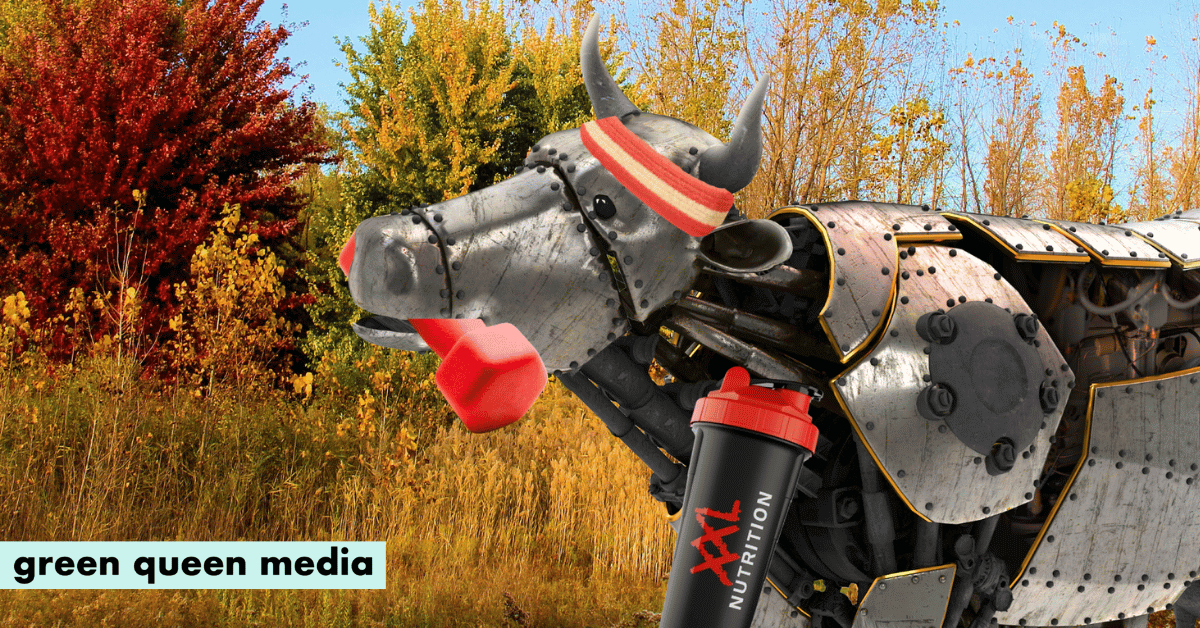
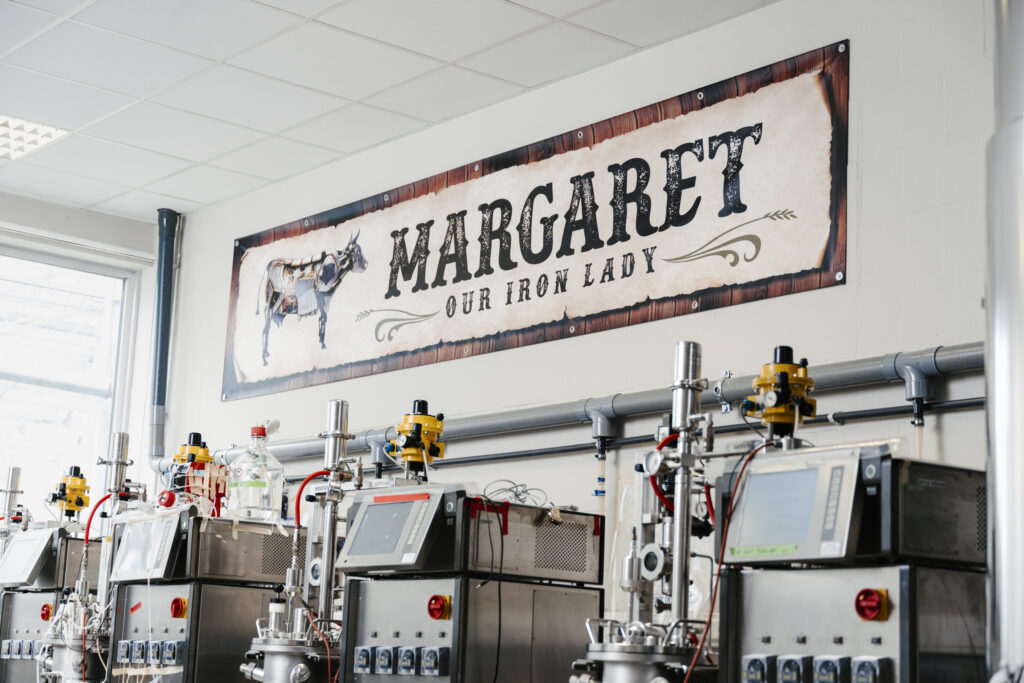
In July, the startup established Margaret’s Finest, a dedicated collaborative discovery program named after the firm’s iconic stainless-steel bioreactor, "Margaret." This initiative was created specifically to explore the potential of recombinant caseins beyond cheese and chocolate, identifying sports nutrition as a prime vertical for growth. Casein, the predominant protein found in mammalian milk, is uniquely prized for its complete amino acid profile, slow digestion rate, and sustained release of amino acids into the bloodstream. These biochemical properties make it an exceptional candidate for long-term muscle recovery, tissue repair, and endurance support.
According to Hille van der Kaa, CEO of Those Vegan Cowboys, the flexibility afforded by precision fermentation opens up unprecedented nutritional possibilities. Rather than being constrained by the natural limitations of bovine biology, the company can synthesize individual caseins, unique protein combinations, and even casein variations sourced from species such as goats, sheep, buffaloes, and llamas. The ongoing project will systematically evaluate whether these customized formulations can deliver superior functional and health benefits for specific athletic demographics.
A Multi-Disciplinary Consortium Approach to Product Development
The structure of the €2.58 million project is intentionally designed to integrate distinct phases of the product lifecycle, from molecular analysis to retail shelves. Each consortium partner brings specialized expertise to the initiative, creating a closed-loop system of innovation centered largely in the Dutch province of North Brabant.
Those Vegan Cowboys retains responsibility for the upstream development and production of the recombinant casein proteins. Interfood contributes deep insights into dairy protein functionality and ingredient integration. Meanwhile, HAS Green Academy engages through its Protein Transition in Nutrition research group, focusing on academic rigor, nutritional evaluation, and sustainable food system integration. Finally, XXL Nutrition provides critical consumer insights, formulation testing, and a direct commercial pipeline to the sports nutrition market.
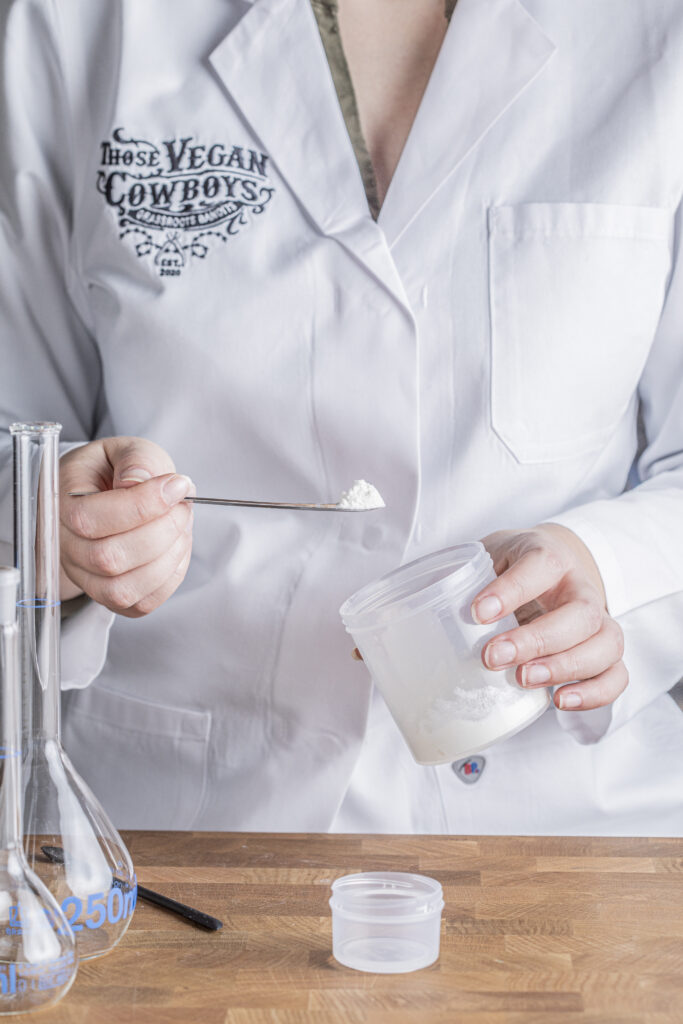
Ingeborg Haagsma-Boels of HAS Green Academy emphasized the academic and practical importance of this cooperation, noting that the research group’s objective is to understand how conventional animal proteins and sustainable alternatives can harmoniously complement one another within a balanced global food system. Through a dedicated proving ground located at Interfood facilities, researchers and students will work side-by-side to translate theoretical biochemistry into tangible consumer goods, including high-protein drinks, shakes, powders, and nutrition bars.
Regulatory Pathways and Transatlantic Market Strategies
As the consortium deepens its research and development pipeline, Those Vegan Cowboys is simultaneously navigating complex regulatory landscapes on both sides of the Atlantic. The commercialization strategy requires careful synchronization between scientific validation and governmental approvals, particularly given the stark differences in regulatory frameworks between the United States and Europe.
In the United States, the company has already achieved self-affirmed Generally Recognized as Safe (GRAS) status for its alpha-S1 casein protein and anticipates receiving a formal "no questions" letter from the U.S. Food and Drug Administration (FDA). This positions the US as a primary target market for early commercial rollouts, reinforced by prospective distribution partnerships such as XXL Nutrition’s ongoing dialogues with retail giant Walmart regarding potential placement across thousands of stores.
Conversely, the European Union classifies precision-fermented dairy under its Novel Food regulation, a stringent authorization process that traditionally demands extended evaluation timelines. Van der Kaa acknowledges that while the European regulatory pathway requires patience, the newly funded four-year research project provides a strategic advantage. It allows the consortium to conduct comprehensive nutritional research, validate functional applications, and refine product prototypes concurrently while regulatory reviews proceed in the background.
Furthermore, Those Vegan Cowboys is actively preparing to file for market authorization in other key jurisdictions, including the United Kingdom and Singapore. Notably, the recently signed Sanitary and Phytosanitary (SPS) agreement between the UK and the EU suggests that securing approval in Brussels could eventually streamline market entry into the British market, amplifying the international footprint of the venture.
Implications for the Future of Functional Foods
The convergence of precision fermentation and sports nutrition highlights a broader structural shift within the global food and beverage industry. As consumer demand for sustainable, ethical, and high-performance nutritional products accelerates, traditional agricultural models face increasing pressure to modernize or adapt. By utilizing microbial fermentation to produce identical dairy proteins without the environmental overhead, greenhouse gas emissions, and land-use requirements of traditional cattle farming, ventures like Those Vegan Cowboys are redefining the boundaries of functional nutrition.
The successful execution of this €2.58 million initiative through 2028 could establish a new benchmark for how alternative protein startups collaborate with legacy dairy brokers, academic institutions, and consumer-facing brands. If the consortium succeeds in engineering specialized, high-performance casein formulations that outperform traditional dairy in specific athletic contexts, precision fermentation will transition further from an environmental alternative into a superior technological standard for human performance nutrition. Ultimately, the project underscores a maturation phase for cellular agriculture—one where the focus shifts from merely replicating existing animal products to unlocking entirely new paradigms of nutrition, functionality, and sustainability.
