
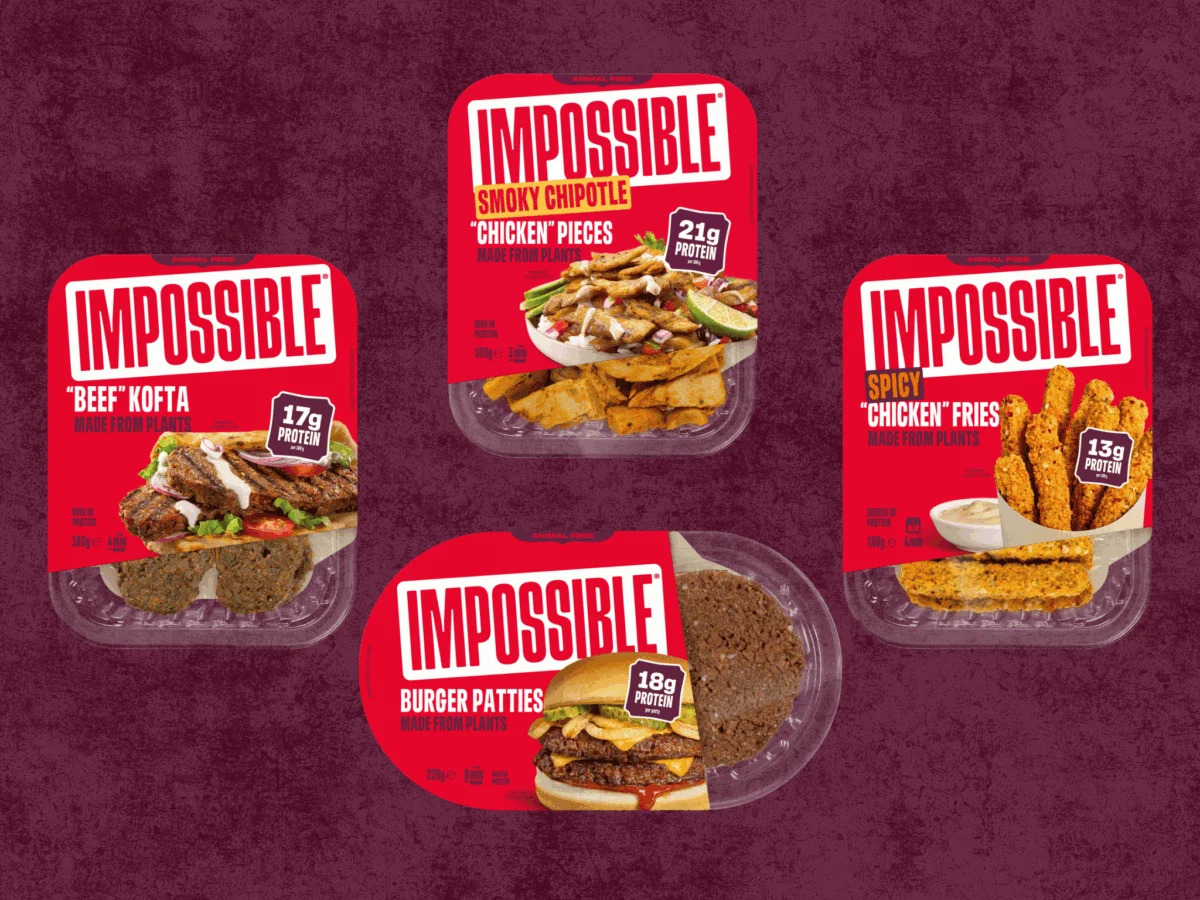
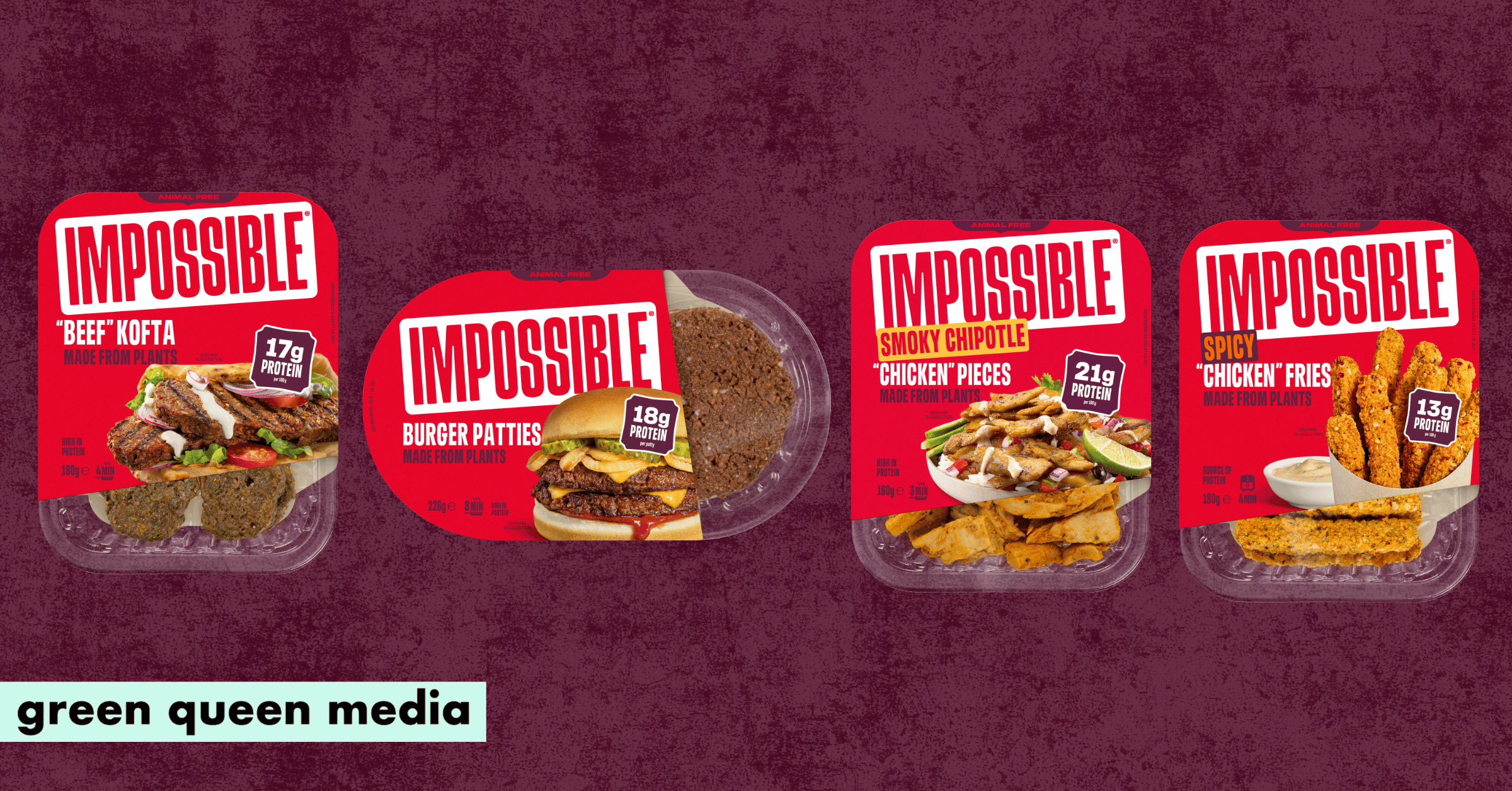
California-based plant-based meat pioneer Impossible Foods has officially launched its products in UK supermarkets for the first time, marking a significant milestone in the company’s European expansion. Available now in the freezer aisles of Tesco, the retail lineup includes a newly reformulated version of the flagship Impossible Burger, a savory beef kofta, whole-muscle-style chicken pieces in a smoky chipotle marinade, and spicy chicken fries.
The nationwide retail rollout represents a major strategic shift for the company, which has spent years navigating complex regulatory landscapes in the United Kingdom and the European Union. While Impossible Foods has maintained a presence in the UK foodservice sector since 2022—supplying chicken and sausage alternatives to restaurant chains such as BrewDog, Gordon Ramsay Street Burger, and Greene King—its signature beef products and supermarket availability remained elusive. This new grocery entry comes at a critical juncture for the alternative protein industry, which must contend with shifting consumer preferences, inflationary pressures, and mounting public scrutiny over ultra-processed foods.
Regulatory Hurdles and the Pivot to a Reformulated UK Recipe
The primary catalyst for Impossible Foods’ delayed retail entry has been the regulatory status of its signature ingredient: soy leghemoglobin, commonly known as heme. This iron-containing protein, which gives the Impossible Burger its characteristic meaty flavor and ability to "bleed" like conventional beef, is produced by inserting genetic material from soy plants into yeast through precision fermentation.
Because this production process utilizes genetically modified microbes, the ingredient is classified as a "novel food" under UK and EU regulations. While Impossible Foods submitted an application to the UK’s Food Standards Agency (FSA) and received positive safety assessments from the European Food Safety Authority’s additive and GMO panels in 2024, the administrative timeline shifted dramatically due to geopolitical trade policy.
The signing of a Sanitary and Phytosanitary (SPS) agreement between the UK and the EU altered the regulatory framework, linking UK novel food approvals to the conclusion of the European Food Safety Authority’s evaluation process. Anticipating that this bureaucratic alignment would take time, Impossible Foods leveraged its research and development expertise to formulate an alternative recipe explicitly tailored for the UK and European markets.
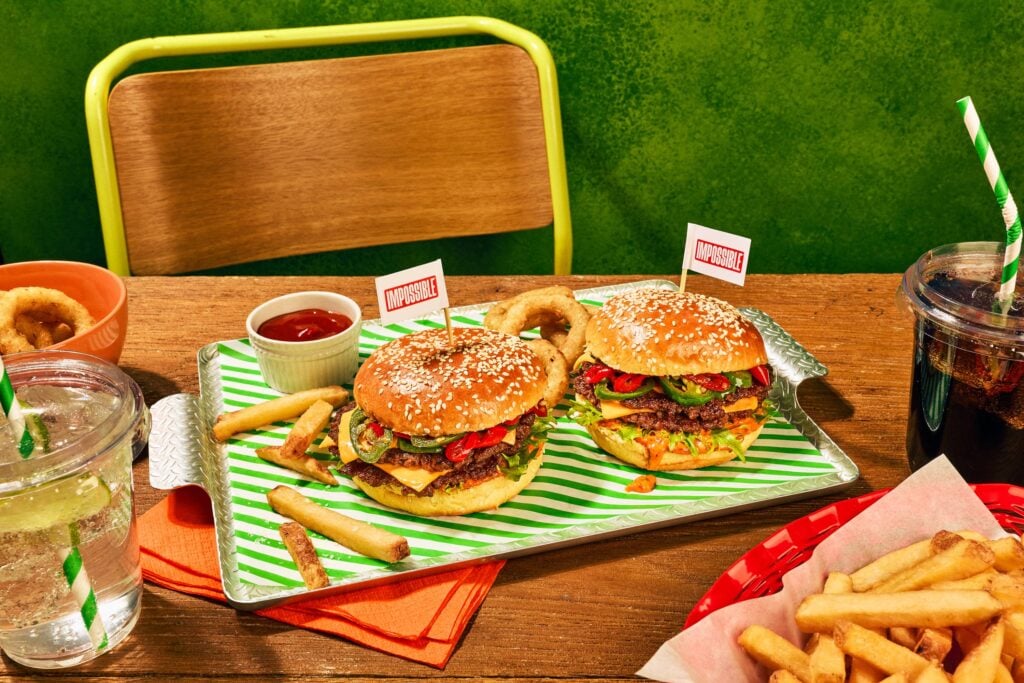
Rather than relying on precision-fermented heme, the newly developed UK burger utilizes a base of 20% soy protein, sunflower oil, and coconut oil. It achieves its savory flavor profile and visual appeal through a combination of ingredients including vinegar, apple juice, beetroot red, and anthocyanins. According to the company, this iteration delivers 18g of protein, 4.6g of fibre, and 6.8g of saturated fat per 113g patty, while offering substantial environmental benefits compared to conventional 80/20 British beef—requiring 97% less water, 94% less land, and generating 90% fewer greenhouse gas emissions.
A Diversified Portfolio: Beyond the Beef Burger
In addition to the reformulated burger, Impossible Foods is introducing three additional product lines to Tesco stores, demonstrating an effort to diversify beyond its original beef-centric identity.
The second beef offering is a pre-cooked Mediterranean-inspired kofta, seasoned with traditional herbs and spices. Designed for use in mezze platters or grain bowls, a 90g serving provides 16g of protein and 5g of fibre while cutting land use by 93% and greenhouse gas emissions by 87% compared to traditional beef equivalents.
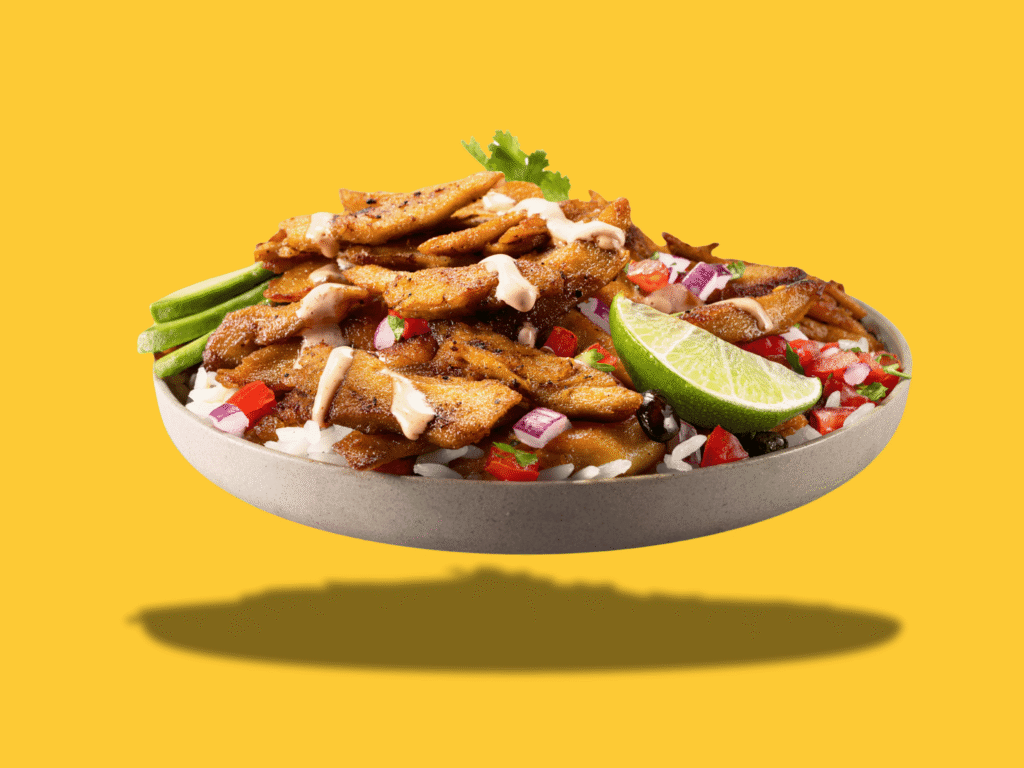
Targeting consumers seeking textural realism, the brand has also debuted its first-ever whole-muscle chicken alternative. Crafted from a proprietary blend of soy and wheat protein using a novel extrusion process, the smoky chipotle chicken pieces are designed to mimic the tender, fine-grained bite of a whole chicken breast. Each 100g portion delivers 21g of protein, 4g of fibre, and just 0.5g of saturated fat, requiring 78% less water and 76% less land than British chicken breast.
Rounding out the collection are spicy chicken fries, aimed at the convenience and snacking demographic. Offering 13g of protein per 100g, the breaded tenders provide a lower-impact alternative to fast-food staples, generating 33% fewer emissions and using 48% less water than conventional poultry equivalents. All products are manufactured at a dedicated co-manufacturing facility located in the Netherlands.
Navigating a Challenging Consumer Landscape
The entry into UK supermarkets arrives during a turbulent period for the plant-based meat sector. Market data from 2025 indicates a continued contraction in consumer spending on meat alternatives across Europe, with sales dropping by 7% and sales volumes declining by over 9%. This downward trend persisted into the first half of the year, marked by a further 4.3% reduction in unit sales and a 2.7% drop in value sales.
Industry analysts attribute much of this slowdown to rising consumer anxiety surrounding ultra-processed foods (UPFs). Polling data suggests that up to 78% of British consumers express concern over the health implications of UPFs, leading many to pivot toward whole foods such as legumes, vegetables, and minimally processed tofu. This shift has prompted several alternative protein brands to rebrand or introduce non-meat-mimicking whole-food formulations.
Despite these headwinds, Impossible Foods maintains that the conversation surrounding ultra-processed foods often lacks nuance. Company representatives emphasize that processing methods alone do not determine the nutritional value of a food product. The brand positions its portfolio as a balanced solution that pairs nutritional density—providing essential iron, zinc, and vitamin B12—with the convenience and familiarity required to encourage flexitarian diets.
Meredith Madden, chief demand officer at Impossible Foods, underscored the strategic significance of the retail rollout. "Launching in UK retail is a meaningful step forward for our company," Madden stated. "We’re confident we’re putting our best foot forward with a range of products designed around the flavours and formats people already love."
James Hemmings, vice president of EMEA commercial operations, echoed this sentiment, highlighting the strength of the brand’s foodservice foundation as a precursor to retail success. "Our sales have more than doubled in the last 12 months, and we’re on the menu at popular restaurants like Greene King, BrewDog, Gordon Ramsay Street Burger, Meatliquor, and Punch Taverns," Hemmings noted. "This success is why we believe our entry into Tesco will help further boost the market by making great-tasting plant-based foods more accessible."
Broader Implications for the UK Food Market
Impossible Foods’ arrival in Tesco is expected to inject competitive momentum into the UK retail sector, which has seen domestic and international brands vie for shrinking shelf space. By introducing a diverse product matrix spanning beef, kofta, whole-muscle chicken, and snack formats, the company is testing whether consumer appetite can be stimulated through flavor variety and environmental messaging.
While the absence of its signature precision-fermented heme in the UK market means consumers are receiving a different product than their North American counterparts, company executives remain optimistic. Impossible Foods continues to pursue regulatory clearance for its heme ingredient through the European Food Safety Authority approval pipeline. If successful, that approval would automatically clear the ingredient for the UK market under current trade agreements, potentially opening the door for the original US-style formulation in the future.
For now, the brand’s immediate focus rests on proving that its European-engineered recipes can capture the attention of British shoppers amidst a cautious economic climate. As sustainability metrics and nutritional transparency become increasingly critical purchasing factors, the performance of Impossible Foods at Tesco will serve as a key barometer for the resilience and adaptability of the global plant-based sector.
