
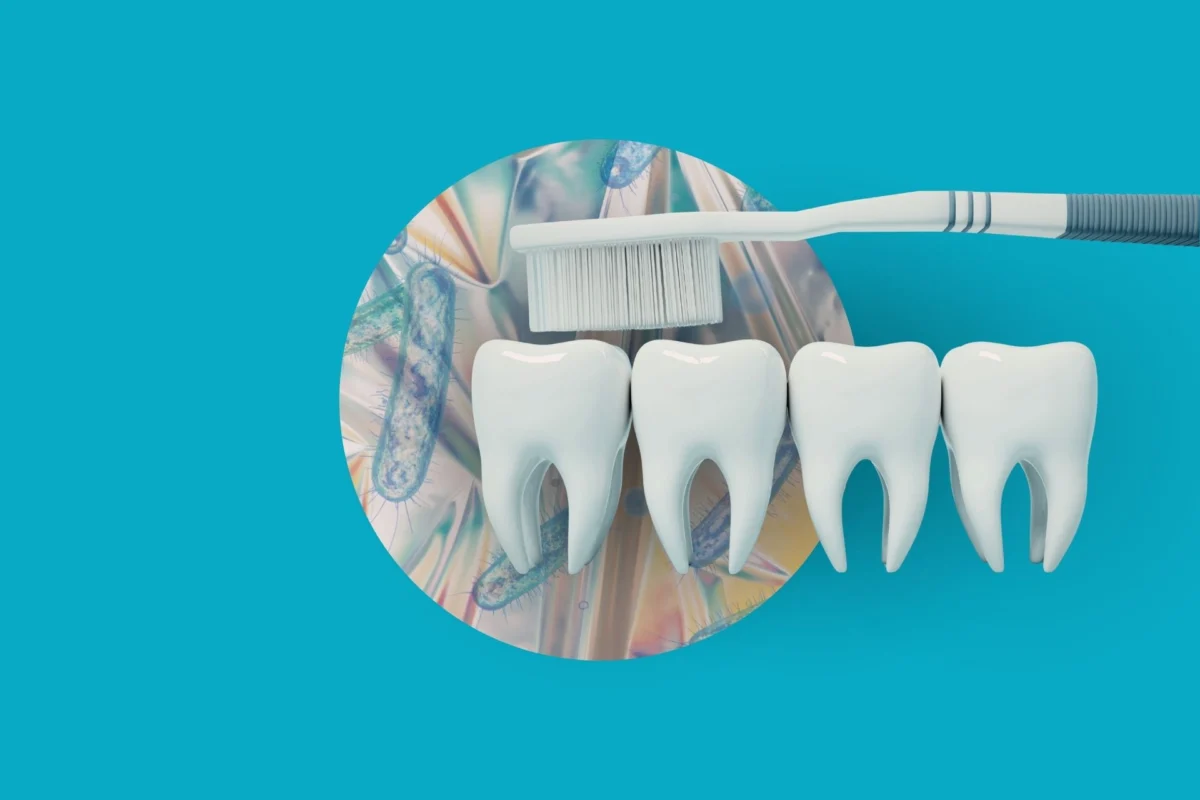
The human oral cavity, traditionally viewed by the medical establishment as an isolated biological system, is emerging as one of the most significant diagnostic frontiers in modern medicine. Housing more than 700 distinct species of bacteria, the oral microbiome is no longer seen as a collection of pathogens to be eradicated, but as a complex, communicative ecosystem that serves as a sentinel for systemic health. Recent breakthroughs in microbiology, artificial intelligence, and regenerative medicine are challenging a century of dental practices predicated on sterilization. Instead, a new paradigm is forming that links oral microbial health directly to cardiovascular function, metabolic stability, and the prevention of cognitive decline.
The Shift from Sterilization to Cultivation
For much of the 20th century, oral hygiene was defined by the aggressive elimination of bacteria. The use of antiseptic mouthwashes and antimicrobial agents was marketed as the gold standard for health, effectively "carpet-bombing" the mouth to achieve sterility. However, contemporary research suggests this approach may have been fundamentally flawed. By treating the mouth as a "plumbing problem" disconnected from the rest of the physiology, clinical practice overlooked the symbiotic roles played by beneficial microbes.
These microbial communities are now known to regulate oral acidity and protect tooth enamel. More critically, they facilitate the nitrate-nitrite-nitric oxide pathway, a mechanistic process essential for systemic vascular health. When dietary nitrates from vegetables are consumed, specific bacteria in the mouth convert them into nitrites. Once swallowed, these are further reduced to nitric oxide, a potent vasodilator that regulates blood pressure and arterial tone. The disruption of this community through over-sterilization has been shown to have immediate physiological consequences, including localized hypertension and increased cardiovascular risk.
Chronology of Modern Oral Health Milestones
The evolution of oral health from basic mechanical repair to advanced biological management has been marked by several key milestones over the last few decades:
- 1993: Japan’s Sangi Co., Ltd. launches the world’s first hydroxyapatite toothpaste. Utilizing technology originally developed by NASA to prevent bone and enamel density loss in astronauts, the product focuses on remineralizing enamel without the use of biocides. While it becomes a standard in Asian markets, it remains largely niche in Western dentistry for decades.
- 2024–2025: Human clinical trials begin in Japan for a peptide-based drug designed to regrow teeth. Led by Dr. Katsu Takahashi, the research targets the reactivation of dormant stem cells in the jawbone, signaling a shift from restorative prosthetics to regenerative biology.
- 2025: Researchers at the University of Exeter publish a landmark study in Free Radical Biology and Medicine. The study demonstrates that nitrate-rich interventions (such as beetroot juice) in older adults lead to a significant shift in oral microbiota—reducing harmful Prevotella and increasing beneficial Neisseria—resulting in lower systolic blood pressure.
- 2025: King’s College London successfully grows early-stage tooth-like structures in a laboratory setting, further validating the potential for biological tooth replacement.
- 2026: A comprehensive study in npj Biofilms and Microbiomes analyzes the tongue microbiota of 729 individuals. The research identifies three distinct "orotypes" that remain stable over a six-year period, linking these microbial signatures to specific metabolic outcomes and chronic disease susceptibility.
The Tongue as a Diagnostic Interface
While the teeth and gums receive the majority of clinical attention, the dorsum of the tongue is proving to be the most valuable diagnostic site in the oral cavity. The tongue hosts dense, highly organized biofilms that are not merely passive residents but active participants in systemic regulation.
Research has now linked specific alterations in the tongue’s microbiome to a staggering array of conditions, including rheumatoid arthritis, certain gastrointestinal cancers, and pneumonia in elderly populations. Because the tongue is a persistent and easily accessible biological surface, it is being reimagined as a non-invasive interface for long-term health monitoring. The classification of individuals into "orotypes" suggests that, much like blood type or gut microbiome profiles, oral microbial signatures could eventually dictate personalized dietary and medical interventions.
Data Integration and the Rise of the Liquid Biopsy
The emergence of "liquid biopsy" technology is perhaps the most significant technological leap in this field. Saliva contains over 3,000 identified proteins, along with a wealth of microbial signatures, metabolites, and immune markers. It provides a continuous, non-invasive stream of data that reflects the body’s internal state.
Artificial intelligence is now being trained to decode these patterns. New models can detect early signals of type 2 diabetes, chronic kidney disease, and cardiovascular inflammation from salivary samples alone. In China, researchers have already deployed an AI-driven periodontitis screening tool that achieves 94% accuracy using panoramic X-rays. Unlike traditional diagnostics that require specialized clinical settings, these tools are designed for use in underserved community health centers, bridging the gap between high-level diagnostics and public health accessibility.
Supporting Data: The Economic and Clinical Scale
The clinical necessity for this shift is underscored by the following data points:
- Systemic Links: Periodontal dysbiosis (an imbalance in oral bacteria) is associated with a 20% increase in the risk of cardiovascular disease and significantly higher rates of diabetic complications.
- Consumer Accessibility: At-home oral microbiome kits are now commercially available, allowing consumers to sequence their oral bacteria and receive reports on pathogenic species. However, a 2024 survey of dental professionals indicated that fewer than 10% of practitioners were familiar with how to interpret or utilize this data in a clinical setting.
- Market Growth: The global market for oral biologics and advanced diagnostics is projected to grow significantly as "smart" toothbrushes—equipped with high-definition scanners and AI analysis—move from prototype stages to mass-market availability.
Potential Scenarios for the Future of Dentistry
As the "oral-systemic link" moves from theory to clinical reality, the dental profession faces a period of fundamental transformation. Analysts suggest three primary scenarios for the next decade:
Scenario 1: Professional Inertia
In this default path, the dental industry remains focused on reactive, episodic repair. The oral microbiome remains a secondary concern, and the tools for biological monitoring are relegated to the "wellness" consumer market. This disconnect could lead to a widening gap in public health, where chronic oral dysbiosis continues to accelerate systemic diseases in aging populations without intervention from primary care or dental providers.
Scenario 2: Clinical Augmentation
This pragmatic approach sees the integration of data-driven tools into existing dental practices. The dentist evolves into an "oral physician," responsible for interpreting salivary biopsies, managing microbial ecosystems, and coordinating directly with a patient’s primary care doctor. AI-assisted imaging and microbiome profiling become standard pre-screening steps for every appointment, allowing for precision treatments that address the root causes of decay and inflammation.
Scenario 3: Decentralized Diagnostic Integration
In this more radical vision, the home bathroom becomes the primary diagnostic hub. Continuous monitoring through smart brushes and gum-mounted biosensor patches tracks pH levels and inflammatory markers in real time. Toothpaste and oral probiotics are prescribed by algorithms based on weekly microbial shifts. In this model, the dental surgery functions as a specialized node within a broader integrated health network, focusing on regenerative procedures rather than routine cleaning.
Implications for Public Health and Education
The transition from a "sterilization" mindset to a "cultivation" mindset requires more than just new technology; it requires a systemic overhaul of medical and dental education. Experts argue that if dentistry does not claim the oral microbiome as its clinical frontier, other medical disciplines will.
To prepare for this future, several steps are being proposed by health policy advocates:
- Curriculum Reform: Integrating microbiology, data science, and regenerative medicine more deeply into dental school training.
- Public Subsidies: Providing government support for saliva-based screening and AI triage in public schools and community pharmacies to detect systemic risks early.
- Cultural Narrative Shift: Moving public health messaging away from "killing germs" toward "balancing the ecosystem."
The 700 species residing in the human mouth are no longer viewed as silent passengers. They are broadcasting critical data about the heart, the metabolism, and the brain. As the tools to listen to this broadcast become more refined, the wall between oral health and systemic medicine is effectively crumbling. The challenge for the modern healthcare system is to ensure that the clinicians of tomorrow are equipped to act on the information this oral frontier provides.
