
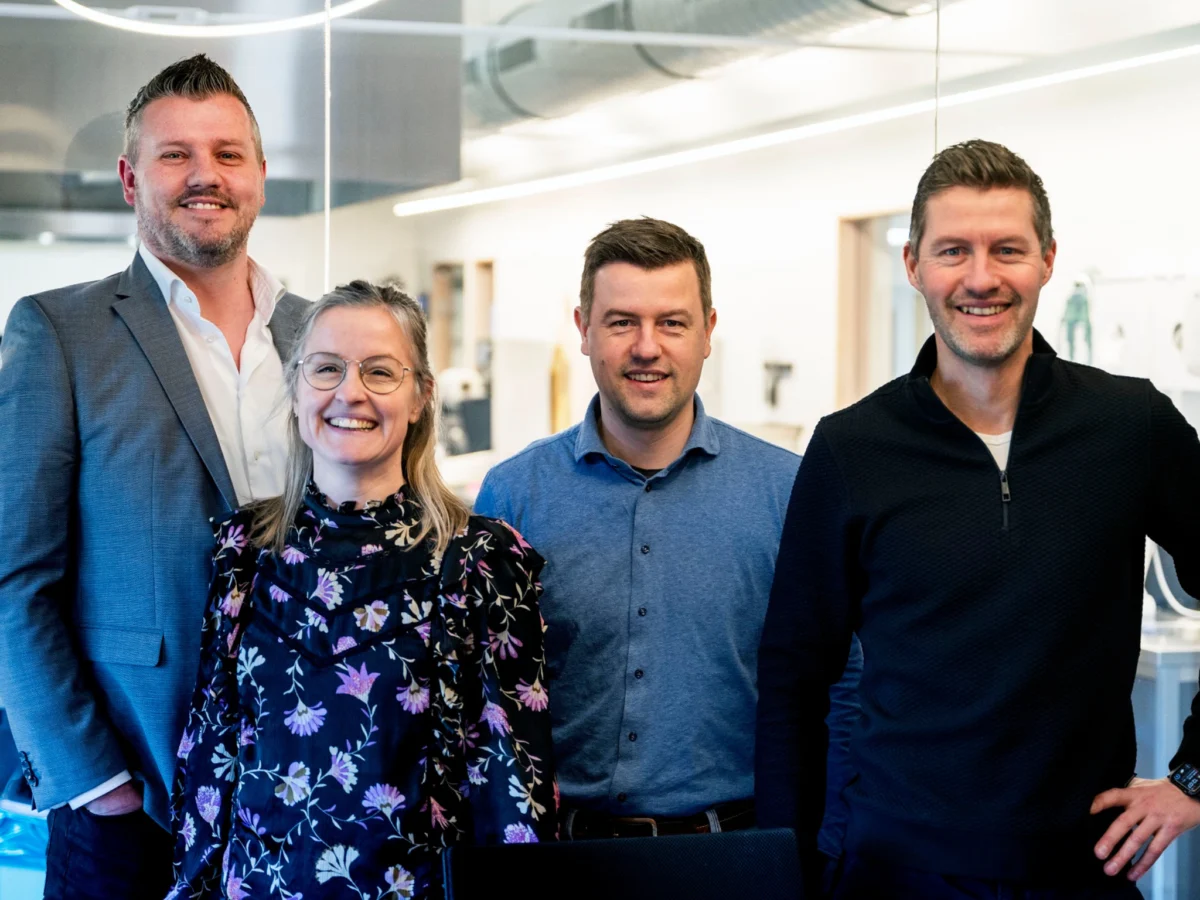
In a significant move consolidating its position within the burgeoning European alternative protein market, Dutch pioneer Schouten Europe has announced the acquisition of Bobeldijk Food Group, a fellow Dutch entity renowned for its diverse portfolio of meat and seafood alternatives. The financial terms of the undisclosed acquisition mark a new chapter for both family-owned businesses, signaling a strategic push to enhance production capacity, broaden product offerings, and accelerate innovation in the rapidly evolving plant-based sector.
This latest development underscores a discernible trend of consolidation within the alternative protein industry, as established players seek to leverage synergies and expand their market reach. Schouten Europe, a company with roots stretching back to the 19th century and over 35 years of experience in the meat alternatives space, views this acquisition as a pivotal step towards solidifying its leadership.
"This step gives us the opportunity to continue investing in innovation, something that has characterized our family business since 1893," stated Niek-Jan Schouten, CEO of Schouten Europe. His sentiment reflects a commitment to not only growth but also to the foundational principles of innovation that have guided the company for generations.
A Deep Dive into the Acquired Entity: Bobeldijk Food Group
Bobeldijk Food Group, itself a company with a rich history, began its journey as a butchery in 1965. Over the decades, it strategically pivoted towards the burgeoning plant-based sector, commencing its private-label manufacturing in this arena in 2010. As consumer interest in vegan alternatives surged, Bobeldijk cultivated considerable expertise in production, successfully securing an increasing number of international private-label clients. Concurrently, it developed its own branded plant-based protein products under the Vegafit label, further cementing its presence in the market.
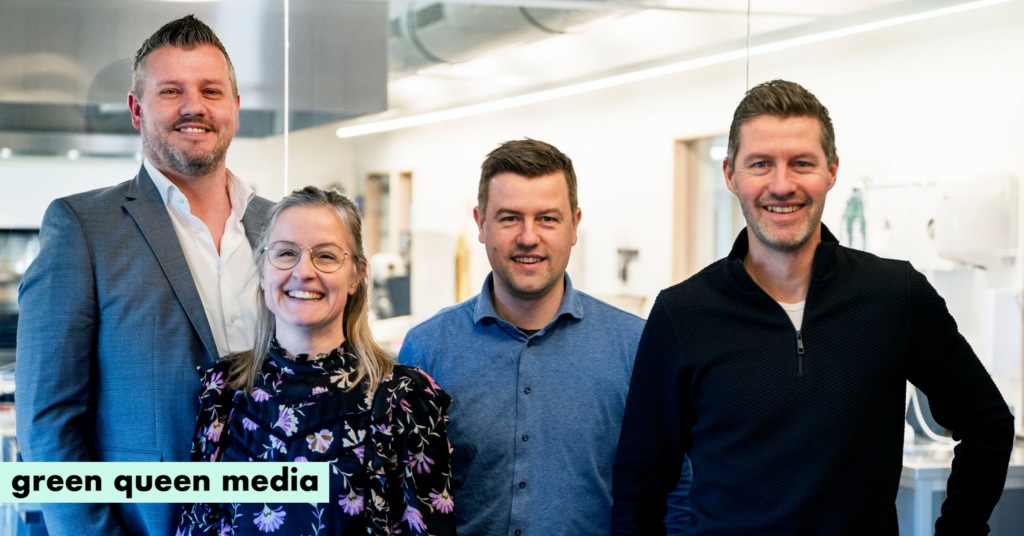
The company’s commitment to the plant-based movement became absolute when it made the decisive transition to exclusively produce meat-free foods in 2020, divesting its conventional meat business entirely. This strategic shift positioned Bobeldijk as a dedicated player in the sustainable food landscape.
The ownership structure of Bobeldijk Food Group has seen recent transitions. In 2020, it was acquired by Kennemervis Groep, a fish processor itself under the umbrella of the dairy major Hoogwegt Group. Subsequently, in late 2024, ownership transferred to Bracamonte, the investment vehicle of the Hoogwegt family. The current acquisition by Schouten Europe represents another significant change of hands, bringing Bobeldijk into the fold of a fully meat-free manufacturing entity with extensive experience.
Strategic Synergies and Market Position
Schouten Europe, a recognized leader in the meat alternatives market, operates by producing and supplying a wide array of products, primarily under private labels, to clients in over 50 countries. The company’s extensive global reach and established distribution networks are expected to significantly benefit Bobeldijk’s products and market penetration.
In its official statement, Schouten Europe lauded Bobeldijk’s "solid position" within the European market for meat alternatives. The company highlighted Bobeldijk’s "extensive knowledge, experience, and craftsmanship in the production and marketing of plant-based products," characterizing it as a "strong addition to Schouten’s organisation." This recognition speaks to the complementary strengths of the two entities, suggesting a seamless integration and a shared vision for future development.
Furthermore, Schouten emphasized the alignment of core values between the two companies: "Both companies share the same focus on quality, flexibility, innovation, and long-term collaboration with customers and employees. This shared culture and commitment form a strong foundation for the future." Such alignment is crucial for successful mergers and acquisitions, particularly in a sector driven by consumer trust and evolving product demands.
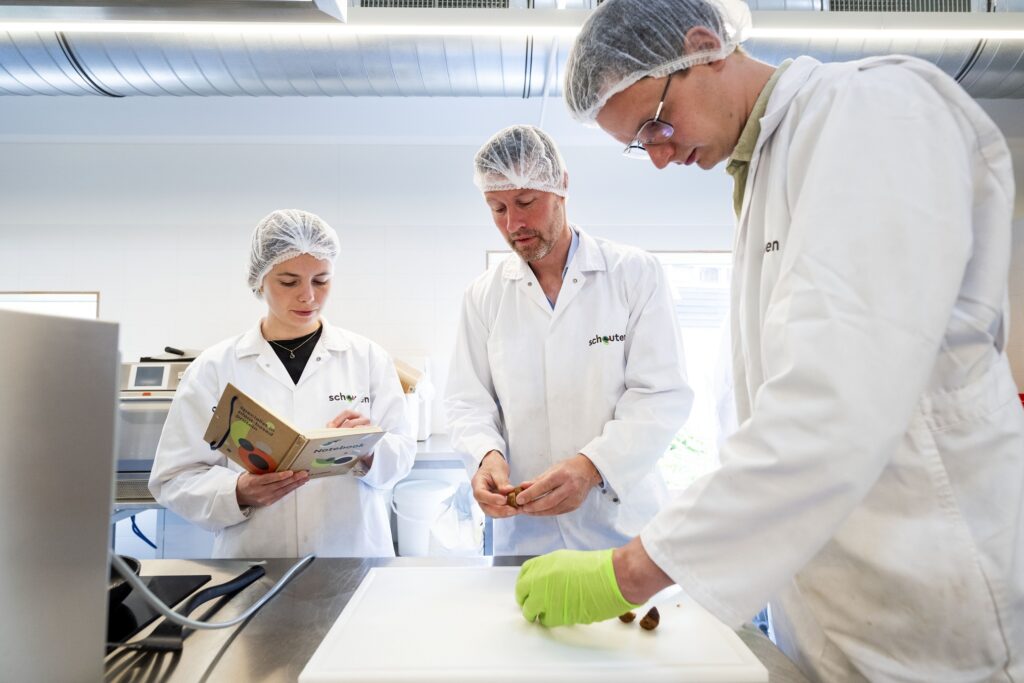
Driving Growth Through Innovation and Capacity Expansion
The acquisition positions Schouten Europe as the largest family-owned plant-based meat business in Europe. This scale is intended to bolster its growth strategy, which is reportedly driven by the new generation of the Schouten family, with a pronounced focus on innovation and international expansion.
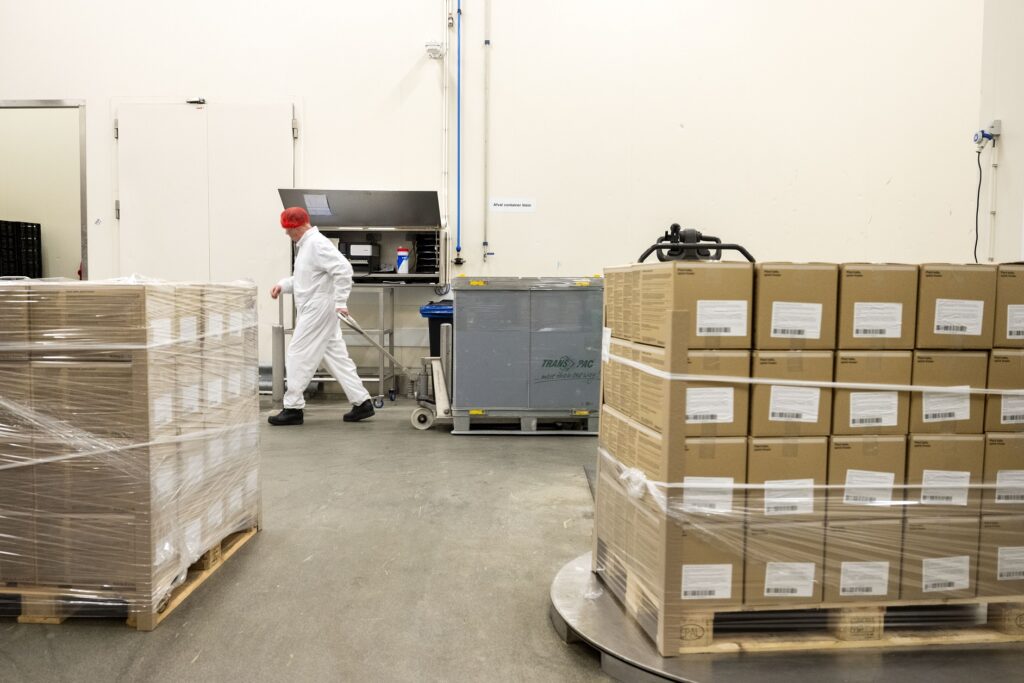
"The market for plant-based products is developing rapidly. With the acquisition of Bobeldijk, we are not only increasing our production capacity, but also strengthening our flexibility and decisiveness towards customers," remarked Schouten. This statement points to the immediate operational benefits expected from the merger, including enhanced ability to meet growing demand and adapt to market dynamics.
Navigating a Complex Market Landscape
The alternative protein sector, while experiencing significant growth, is also characterized by market fluctuations and evolving consumer preferences. Recent data for 2025 indicated a dip in volume sales for plant-based meat in four of Europe’s six largest markets. Only France, with a 17% increase, and Italy, with a 4% rise, registered growth, largely attributed to decreasing prices for these alternatives. This trend contrasted with an overall 3.3% increase in the sales of vegan food in these same countries.
However, Schouten Europe appears to be an outlier in this trend. "Last year, we achieved revenue growth of more than 30%, while many sales markets are stabilising. That gives us confidence for the future," revealed the CEO. This impressive growth trajectory suggests that Schouten’s strategic focus on quality, innovation, and potentially its private-label partnerships are resonating effectively with consumers and retailers, even amidst broader market challenges.
The company’s forward-looking perspective is deeply rooted in its commitment to sustainability. "We continue to invest in innovation and accelerating the protein transition – not only because we believe in the growth opportunities of plant-based food, but above all because, as a family business, we want to contribute to a more sustainable and future-proof food system," Schouten articulated. This dual focus on commercial success and environmental responsibility is a powerful differentiator in today’s conscious consumer market.
A Wider Trend of Industry Consolidation
The acquisition of Bobeldijk Food Group by Schouten Europe is emblematic of a broader pattern of consolidation observed across the alternative protein category. According to analysis from Green Queen, over 75 companies within this sector have experienced acquisitions, buyouts, mergers, insolvencies, or outright closures since September 2024. This high rate of activity indicates a maturing market where scale, efficiency, and market access are becoming increasingly critical for survival and growth.
Notable transactions within the meat-free category in 2025 alone include:
- Italy: Unconventional SRL acquired by Gruppo Amadori.
- Spain: Bosque Foods secured by an undisclosed entity.
- Sweden: Fä_rsodlarna was acquired by Kale Foods.
- Canada: Yves Veggie Cuisine was acquired by Maple Leaf Foods.
Within the Netherlands, SoFine Foods was acquired by The New Originals Company, and Vega Insiders by Plukon Food Group. In another significant development, JBS’s Vivera division acquired The Vegetarian Butcher brand from Unilever. These diverse transactions highlight the dynamic nature of the industry, with established food conglomerates, investment firms, and competing alternative protein companies actively participating in shaping the market landscape through strategic acquisitions and mergers.
The consolidation trend is driven by several factors. For larger companies, acquiring innovative plant-based brands offers a swift route to market entry or expansion, allowing them to tap into growing consumer demand for sustainable and healthier food options. For smaller, innovative startups, acquisition can provide crucial capital, wider distribution channels, and the resources needed to scale production and R&D efforts. Conversely, companies unable to achieve profitability, scale, or secure adequate funding face consolidation or closure.
Schouten Europe’s acquisition of Bobeldijk Food Group is, therefore, not an isolated event but a strategic maneuver within a larger industry narrative of growth, consolidation, and the ongoing evolution of the global food system towards more sustainable and plant-forward alternatives. The combined entity is poised to leverage its enhanced capabilities to navigate this complex landscape and contribute to the acceleration of the protein transition.
