
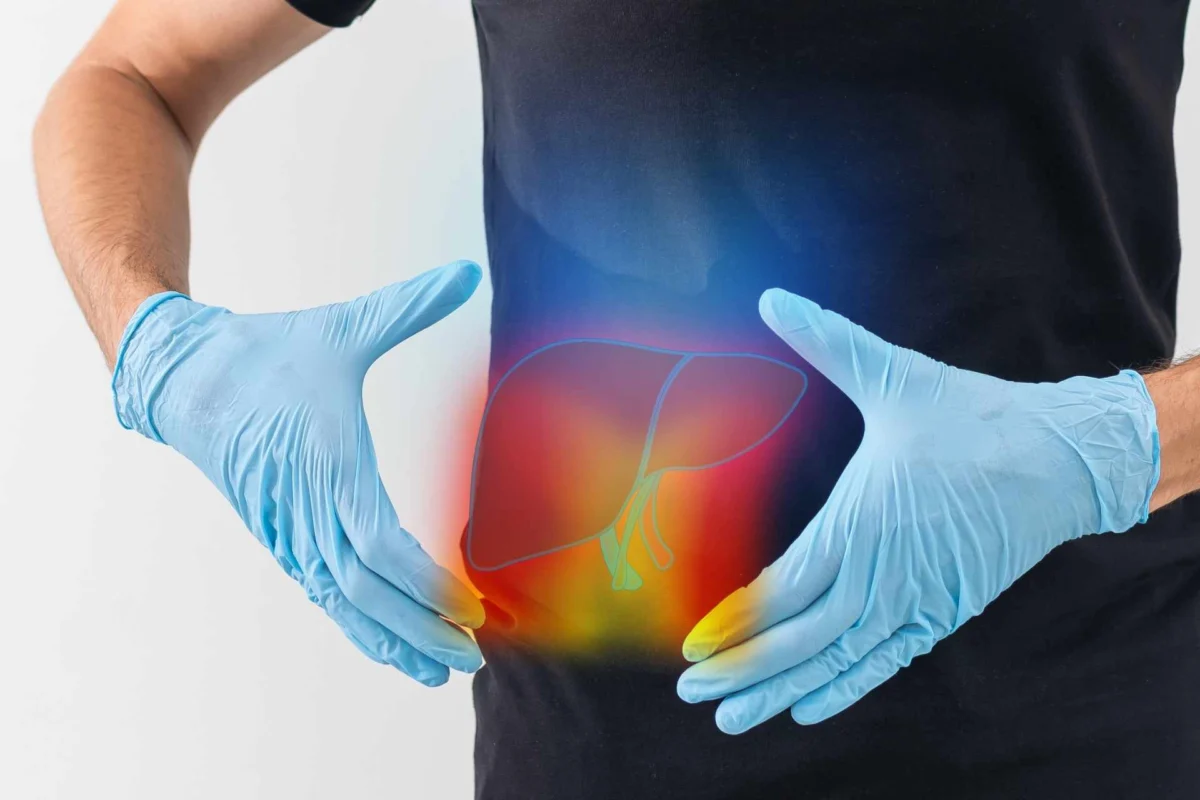
The global medical community is facing a burgeoning crisis in metabolic health, with liver disease at the forefront of chronic conditions affecting modern populations. A groundbreaking study published in the journal Cell Metabolism has identified a specific biological mechanism that explains how high dietary sugar intake accelerates the progression of fatty liver disease. Researchers at the Shanghai Jiao Tong University School of Medicine, led by Yajun Tang, have demonstrated that certain gut bacteria transform dietary sugar into acetaldehyde—a highly toxic chemical typically associated with alcohol metabolism—which subsequently triggers severe liver inflammation and scarring. This discovery not only clarifies the long-suspected link between sugar and liver damage but also introduces a potential therapeutic breakthrough: an engineered probiotic bacterium capable of neutralizing this toxin before it can reach the liver.
The Rising Global Burden of MASLD and MASH
To understand the significance of this study, one must look at the shifting landscape of liver health nomenclature and prevalence. For decades, clinicians referred to the buildup of fat in the liver as Non-Alcoholic Fatty Liver Disease (NAFLD). Recently, the international medical community updated this terminology to Metabolic dysfunction-associated steatotic liver disease (MASLD) to better reflect the underlying metabolic drivers of the condition. Current estimates suggest that MASLD affects approximately one-third of the global population, making it the most common chronic liver ailment in the world.
While many individuals live with MASLD without immediate symptoms, approximately 16% of these cases progress to a much more dangerous stage known as Metabolic dysfunction-associated steatotic liver disease (MASH), formerly known as NASH. MASH is characterized by chronic inflammation and cellular damage, which can lead to fibrosis (scarring), cirrhosis, and eventually hepatocellular carcinoma (liver cancer). Until recently, the exact biological "trigger" that pushes a patient from the relatively stable MASLD to the aggressive MASH remained one of the most significant mysteries in hepatology. The research led by Tang and his colleagues suggests that the gut microbiome holds the key to this transition.
Chronology of the Research and Methodology
The investigation began with a massive epidemiological analysis involving data from more than 210,000 individuals. By examining long-term dietary habits and health outcomes, the researchers established a clear, statistically significant correlation: individuals with a high intake of dietary sugar, particularly fructose, faced a substantially higher risk of developing advanced liver disease. This correlation held true even when adjusting for other lifestyle factors such as caloric intake and physical activity levels.
Following the human data analysis, the team moved into the laboratory to establish causality. They utilized mouse models, dividing them into groups that received a high-fat diet alone versus those that received a high-fat diet supplemented with high levels of fructose. The results were stark. The mice exposed to both fat and fructose developed liver damage and extensive scarring at a rate significantly faster than those on the fat-only diet.
The turning point in the research occurred when the team administered broad-spectrum antibiotics to the mice to deplete their gut microbiota. In the absence of gut bacteria, the liver damage caused by the high-fructose diet largely disappeared. This suggested that sugar itself was not the direct toxin; rather, it was the interaction between the sugar and the bacteria living in the digestive tract that caused the harm.
The Discovery of the "Endogenous Brewery"
By analyzing stool samples from both mice and human patients at various stages of liver disease, the researchers identified a specific metabolic shift. As liver disease progressed from MASLD to MASH, the gut microbiome changed its behavior. Specifically, the bacteria began producing high levels of acetaldehyde.
Acetaldehyde is a well-known toxicant. It is the primary metabolite of ethanol (alcohol) and is responsible for many of the damaging effects of heavy drinking, including hangovers and liver cirrhosis. The researchers found that in patients with advanced MASH, the gut was essentially acting as an "endogenous brewery," converting dietary sugars into acetaldehyde through microbial fermentation.
The study found that stool samples from patients with advanced liver fibrosis contained significantly higher concentrations of acetaldehyde compared to those with mild fatty liver. This chemical was shown to travel from the gut through the portal vein directly to the liver, where it initiated a cascade of cellular destruction.
Biological Mechanism: The Role of MMP7 and Fibrosis
The research went beyond identifying the toxin; it mapped the exact molecular pathway by which acetaldehyde destroys liver tissue. The team discovered that acetaldehyde activates hepatic stellate cells—the primary cells responsible for the production of collagen and scar tissue in the liver.
Central to this process is a protein known as Matrix Metalloproteinase-7 (MMP7). The presence of acetaldehyde in the liver was found to significantly upregulate the expression of MMP7. This protein acts as a driver for fibrosis, breaking down the healthy cellular matrix and replacing it with rigid, non-functional scar tissue.
To verify this pathway, the researchers conducted experiments where they blocked the production of MMP7 or used chemical agents to accelerate the breakdown of acetaldehyde. In both scenarios, the progression of liver damage was significantly curtailed, even when the mice continued to consume high amounts of sugar. This confirmed that the acetaldehyde-MMP7 axis is a primary driver of the transition to severe MASH.
A Probiotic Solution: The Engineering of Ligilactobacillus Salivarius
The most promising aspect of the study lies in its potential for treatment. Having identified that microbial acetaldehyde was the culprit, the researchers sought a way to neutralize it within the gut before it could enter the bloodstream. They turned to the probiotic bacterium Ligilactobacillus salivarius.
The team identified specific strains of L. salivarius and engineered them to enhance their ability to break down acetaldehyde into harmless substances like acetate. When this probiotic was administered to mice on a high-fat, high-fructose diet, the results were transformative. The probiotic successfully lowered the concentration of acetaldehyde in the gut, which in turn reduced liver inflammation, suppressed the activation of MMP7, and significantly decreased the amount of scar tissue formed in the liver.
This represents a shift toward "microbiota-targeted modulation." Rather than trying to change a patient’s entire lifestyle—which is notoriously difficult to achieve at a population level—this approach seeks to change the chemical environment of the gut to protect the liver from dietary "insults."
Scientific Reactions and Industry Implications
While official statements from global health organizations like the WHO or the American Liver Foundation often take time to incorporate new research, the implications of Tang’s findings are already being discussed among experts in the field of the gut-liver axis.
Hepatologists have long noted the clinical similarities between alcoholic liver disease and "non-alcoholic" fatty liver disease. This study provides the missing link, showing that the liver may be dealing with the same toxin (acetaldehyde) in both cases, just from different sources. This has led to calls for more stringent dietary guidelines regarding fructose, which is ubiquitous in processed foods and sugar-sweetened beverages.
"These findings highlight microbiota-targeted modulation of aldehyde metabolism as a promising therapeutic avenue to intercept the transition from MASLD to MASH," the researchers stated in their concluding remarks. This sentiment suggests that the next generation of liver treatments may not be traditional pharmaceuticals that target liver cells directly, but rather "live biotherapeutics" or specialized probiotics that manage the gut’s metabolic output.
Future Outlook and Public Health Impact
The discovery of the sugar-acetaldehyde-MASH pathway has broad implications for public health policy and clinical practice. If human clinical trials mirror the success seen in mouse models, the medical community could see the introduction of a daily probiotic supplement specifically designed for individuals with MASLD to prevent the progression to cirrhosis.
Furthermore, this research adds scientific weight to the argument for "sugar taxes" and clearer labeling of fructose content in food products. If dietary sugar is effectively being converted into a liver-damaging toxin by our own gut bacteria, the threshold for what is considered a "safe" amount of sugar may need to be significantly lowered.
The study also opens the door for diagnostic advancements. Measuring acetaldehyde levels in stool or breath could potentially serve as a non-invasive biomarker for identifying patients at high risk of progressing to MASH, allowing for earlier intervention before irreversible liver damage occurs.
In conclusion, the work of Yajun Tang and his team provides a comprehensive map of how a common dietary habit—sugar consumption—interacts with our internal microbial ecosystem to cause a life-threatening disease. By identifying the role of acetaldehyde and the protective potential of Ligilactobacillus salivarius, this research paves the way for a new era of metabolic medicine where the gut microbiome is treated as a central organ in the fight against liver disease. As the global prevalence of metabolic dysfunction continues to rise, such innovative, microbiota-based strategies will be essential in reducing the burden of MASH and improving the long-term health of millions.
