
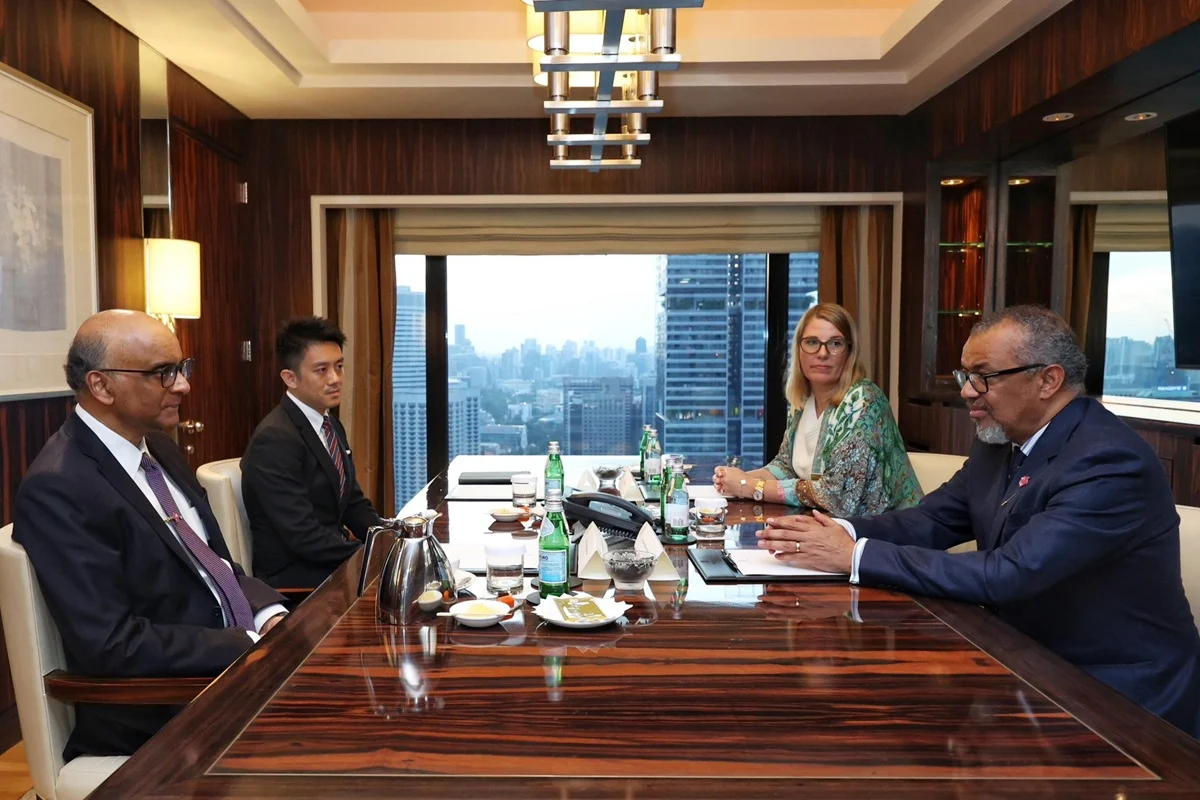
In an era defined by geopolitical volatility, climate-induced health threats, and the lingering socioeconomic scars of the COVID-19 pandemic, the architecture of global health financing is undergoing a critical transformation. Philanthropic organizations, once considered supplementary actors, are now positioned as foundational pillars in the effort to bolster international health security. This shift was the central theme of the Philanthropy Asia Summit, held in Singapore from May 5–7, 2025, where leaders from the World Health Organization (WHO) and major private foundations convened to redefine the mechanics of global health solidarity.
The summit served as a high-level platform to emphasize that the path to universal health coverage (UHC) requires more than just government budgets; it demands the agile, risk-tolerant capital that only private philanthropy can provide. With the global health landscape facing a projected shortfall in funding for the Sustainable Development Goals (SDGs), the collaboration between public health agencies and private donors has become a vital lifeline for countries striving to achieve self-reliance.
The Singapore Summit: A Catalyst for Strategic Alignment
The Philanthropy Asia Summit, organized by the Temasek Foundation and the Philanthropy Asia Alliance, brought together a diverse cohort of policymakers, private donors, and health experts. The event provided a strategic venue for the WHO to outline its Fourteenth General Programme of Work (GPW 14), which prioritizes resilience, equity, and the acceleration of primary health care services.
Dr. Tedros Adhanom Ghebreyesus, WHO Director-General, utilized the summit to underscore the urgency of the moment. Addressing attendees, he acknowledged the pivotal role of Singapore’s leadership, specifically noting that the nation and the Temasek Foundation were among the first to commit to the WHO’s inaugural Investment Round. This financial mechanism is designed to provide the organization with the predictable, flexible, and sustainable funding necessary to execute its mandate without the volatility often associated with traditional voluntary contributions.
The timing of the summit was deliberate. As the world navigates post-pandemic recovery, the conversation has moved from emergency response to long-term systemic strengthening. The presence of President Tharman Shanmugaratnam of Singapore further signaled the importance of the event, reinforcing Singapore’s role as a regional hub for health innovation and a bridge between public policy and private sector engagement.
Historical Context: From Grants to Strategic Partnership
The relationship between the WHO and the philanthropic sector has evolved significantly over the past two decades. Historically, philanthropic funding was often restricted to vertical, disease-specific programs—targeting ailments such as malaria, polio, or HIV/AIDS. While these initiatives saved millions of lives, they sometimes created parallel systems that lacked integration with national primary health care structures.
The current strategy marks a departure from that model. Under the GPW 14 framework, the WHO is advocating for “horizontal” investments—funding that strengthens the entire health system, from laboratory capacity and supply chain logistics to the training of community health workers.
Timeline of Modern Health Philanthropy
- 2000–2010: Emergence of large-scale private foundations as dominant players in global health, primarily focused on vaccine distribution and eradication programs.
- 2015: The adoption of the UN Sustainable Development Goals, setting a target for Universal Health Coverage by 2030.
- 2020–2022: The COVID-19 pandemic exposes deep fissures in health equity, highlighting the reliance of global health on non-state actors for diagnostic and therapeutic deployment.
- 2024: The WHO launches its first formal Investment Round to secure sustainable funding.
- May 2025: The Philanthropy Asia Summit cements the role of private-public partnerships as a central tenet of the WHO’s financing strategy.
Data-Driven Impact: Bridging the Funding Gap
Global health financing is currently characterized by a significant gap between ambition and reality. According to recent WHO estimates, the cost of achieving the health-related SDGs by 2030 requires an annual increase in health spending of approximately $370 billion in low- and middle-income countries. While domestic government spending remains the primary driver of these services, philanthropic investments play an outsized role in filling critical voids.
Philanthropy is uniquely suited to absorb the risks that public institutions often cannot. For example, in the realm of pandemic preparedness, philanthropic funding has been instrumental in funding "at-risk" research—early-stage development of diagnostics or medical countermeasures that have not yet reached the stage of government procurement. Data indicates that for every dollar invested by major foundations into research and development, the secondary economic impact—measured in averted disability-adjusted life years (DALYs)—is exponentially higher than traditional aid models.
Furthermore, these partnerships allow for the deployment of innovative financing mechanisms, such as blended finance, which uses philanthropic grants to de-risk private investment in health infrastructure, thereby unlocking billions of dollars in commercial capital for hospitals, digital health platforms, and training facilities in developing nations.
Official Perspectives and Strategic Alignment
The rhetoric emerging from the Singapore summit reflects a unified understanding that the “business as usual” approach to global health funding is no longer sufficient. Dr. Tedros’s remarks served as a direct appeal for a more permanent, strategic alliance. By positioning the WHO Investment Round as a collective effort, the Director-General is attempting to shift the perception of philanthropy from an “optional donation” to an “essential investment.”
Observers in the global health sector note that this alignment serves both parties. For the WHO, it provides the fiscal stability needed to plan multi-year initiatives. For philanthropic organizations, it offers a platform to ensure that their investments are aligned with global standards, evidence-based practices, and the priorities of national ministries of health. This synchronization reduces duplication of effort and ensures that resources are directed toward the most vulnerable populations rather than overlapping administrative structures.
Implications for the Future: A New Era of Health Equity
The implications of this closer relationship between the WHO and the philanthropic sector are far-reaching. By leveraging the expertise and agility of private partners, the WHO is better positioned to address the complex challenges of the 21st century:
- Addressing Health Disparities: Philanthropy can advocate for policy changes that governments might find politically sensitive, such as taxing harmful commodities or expanding access to reproductive health services.
- Technological Innovation: Private foundations are frequently at the forefront of digital health transformation, providing the capital necessary to implement telemedicine and electronic health records in resource-constrained settings.
- Sustainable Human Capital: By investing in the training and retention of health workers, philanthropic actors are helping to build the foundational workforce required to maintain essential health services during periods of crisis.
However, this reliance on private funding is not without its critics. Experts in global health governance have raised questions about accountability and the potential for “donor influence” to shape public health priorities in ways that may reflect the interests of private entities rather than the needs of the public. The WHO has responded to these concerns by emphasizing transparency in its Investment Round and maintaining a strict oversight framework to ensure that all philanthropic contributions align with the organization’s core mandate of health as a human right.
Conclusion
The Philanthropy Asia Summit of 2025 marks a turning point in the trajectory of global health. By institutionalizing the partnership between the WHO and the philanthropic sector, the global community is moving toward a more resilient and integrated system of support. The commitment shown by partners in Singapore provides a blueprint for how diverse actors—states, private foundations, and international organizations—can collaborate to translate the vision of universal health coverage into a reality.
As the WHO moves forward with the implementation of its Fourteenth General Programme of Work, the sustainability of these philanthropic alliances will be a key metric of success. The challenges of the coming decade, from the impacts of climate change on health to the threat of future pandemics, will require the continued ingenuity, financial commitment, and collaborative spirit that defined the proceedings in Singapore. Ultimately, the success of this model will be measured not by the amount of capital raised, but by the tangible improvement in health outcomes for the millions of people who currently stand at the periphery of the global health system. The goal remains clear: to ensure that the highest attainable standard of health is not a privilege reserved for the few, but a fundamental right secured for all.
