
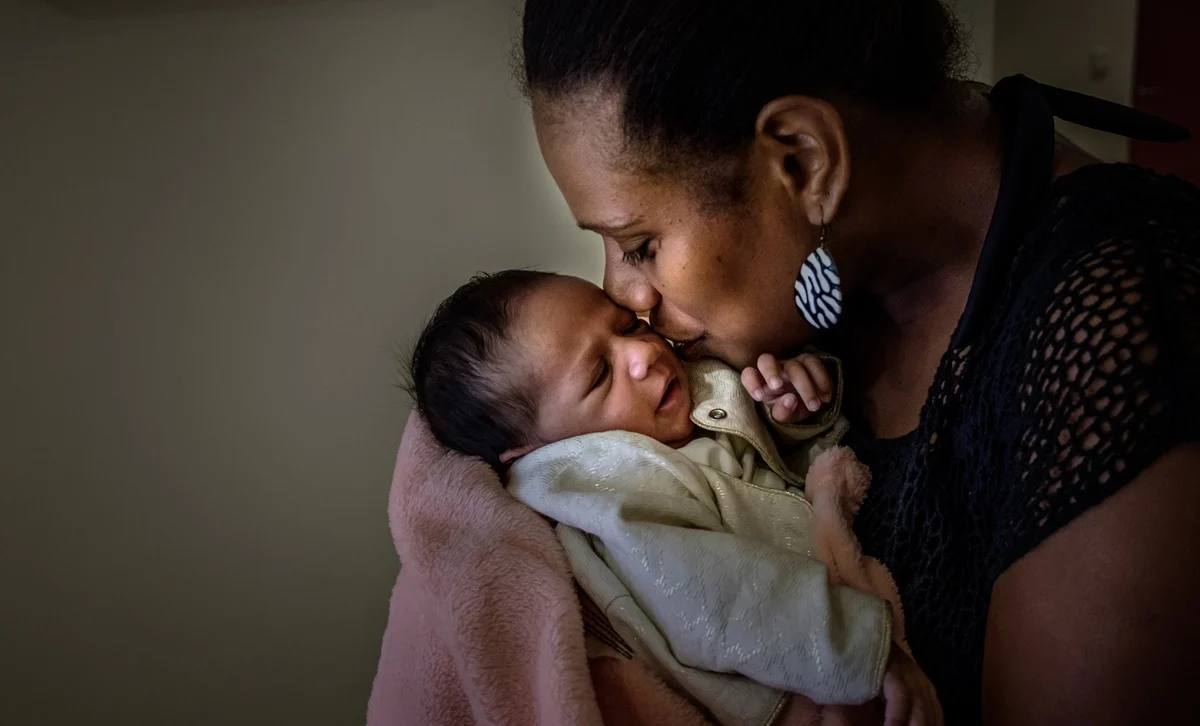
On April 7, 2025, the World Health Organization (WHO) marked its 77th anniversary by spearheading a synchronized global advocacy campaign under the banner of "Healthier beginnings, hopeful futures." This year’s World Health Day was dedicated to a critical mission: reversing the stagnation and backsliding in maternal and newborn health outcomes that have been exacerbated by global economic shifts and funding shortages. More than 100 WHO country offices, in tandem with national ministries, civil society groups, and grassroots leaders, launched localized initiatives to advocate for the prioritization of reproductive and neonatal care, signaling a unified demand for renewed investment in one of the most fundamental pillars of global health.
A Global Crisis in Maternal Mortality
The urgency of this year’s theme is underscored by sobering data from the United Nations. Despite significant progress in the decades preceding the 2020s, the global momentum toward meeting the Sustainable Development Goal (SDG) 3.1—which aims to reduce the global maternal mortality ratio to less than 70 per 100,000 live births by 2030—has stalled. Recent reports from UN agencies suggest that the international community is currently failing to meet these targets. In many regions, the gains made in the early 21st century are being eroded by a combination of post-pandemic health system fatigue, rising poverty rates, and a contraction in international aid.
The "Healthier beginnings, hopeful futures" campaign is not merely a symbolic observance; it serves as an emergency response to a warning issued by WHO and its partners earlier this year. The warning highlighted that financial cuts to critical health sectors are creating a "perfect storm" for vulnerable populations. Without immediate intervention, maternal and newborn deaths, which are largely preventable through access to quality antenatal care, skilled birth attendance, and postnatal support, threaten to rise in low- and middle-income countries.
Chronology of Advocacy and Engagement
The events of April 7, 2025, represent the formal commencement of a year-long strategic initiative. Throughout the day, the WHO’s regional offices orchestrated a diverse range of activities that emphasized community-led solutions. In Chile, for example, PAHO/WHO Country Representative Giovanni Escalante Guzmán participated in a high-level dialogue alongside Mapuche leader Juana Cheuquepan. This discussion focused specifically on the intersection of maternal health and cultural preservation, highlighting that "mother and newborn health is the basis for healthy families and communities." This interaction underscored the necessity of tailoring global health policies to fit the socio-cultural realities of indigenous and marginalized populations.
Parallel efforts were observed across all six WHO regions:
- African Region: Focus centered on strengthening the capacity of primary healthcare workers in rural settings to manage obstetric emergencies.
- Americas/PAHO: Emphasis was placed on closing the equity gap in maternal health outcomes between urban centers and remote or indigenous regions.
- Eastern Mediterranean Region: Discussions prioritized the maintenance of maternal health services in conflict-affected zones where health infrastructure is under acute pressure.
- European Region: Focus shifted toward the integration of mental health support into prenatal and postnatal care protocols.
- South-East Asia and Western Pacific: Campaigns focused on the digitalization of maternal health records to ensure continuous care for mobile and migrant populations.
The Economic and Clinical Case for Investment
The economic rationale for prioritizing maternal and newborn health is as compelling as the moral imperative. According to the WHO’s internal analysis, for every dollar invested in maternal and newborn health, the economic return in terms of long-term productivity and societal stability is significantly higher. Yet, the current fiscal environment presents a paradox: at the very moment when scientific advancements have made maternal care more effective than ever, the financial mechanisms to deliver this care are under threat.
The "funding challenges" cited by the WHO refer to a broader trend of donor fatigue and the redirection of development aid toward other global crises, such as climate-related disasters and geopolitical conflicts. This reallocation has left gaps in the supply chain for essential medicines, the procurement of neonatal intensive care equipment, and the training of midwives—the backbone of obstetric care in most of the world.
Institutional Responses and Strategic Shifts
In his address on World Health Day, the WHO leadership reiterated that the survival of mothers and newborns is the ultimate barometer of a functional health system. The organization is now urging governments to treat maternal health not as a "discretionary expenditure" but as an essential component of national security and sustainable development.
"World Health Day 2025 is a clarion call," noted an official from the WHO Media Team. "We are asking Member States to look beyond the immediate budget cycle. Protecting the health of women and children today is the only way to ensure the economic and social stability of tomorrow."
This push for reform involves a three-pronged strategy:
- Sustainable Financing: Moving away from reliance on short-term, donor-dependent grants toward integrated national health budgets that prioritize reproductive health.
- Workforce Empowerment: Investing in the professionalization and fair compensation of midwives and community health workers, who remain the primary point of contact for expectant mothers in high-risk areas.
- Data-Driven Policy: Utilizing real-time data to identify "hotspots" where maternal mortality is rising, allowing for rapid deployment of resources before crises escalate.
The Road Ahead: A Year of Action
The campaign launched on April 7 is designed to maintain pressure on policymakers throughout the remainder of 2025. Unlike previous World Health Days, which often functioned as single-day awareness events, this year’s initiative is built on a framework of continuous monitoring. The WHO intends to publish quarterly progress reports on maternal health financing, providing transparency that will allow civil society organizations to hold their respective governments accountable.
The implications of failure are stark. Experts warn that if the current trajectory continues, the world will likely miss the 2030 targets for maternal and newborn survival by a significant margin. Such a failure would represent not only a humanitarian tragedy but a fundamental breach of the commitment to universal health coverage.
As the international community reflects on the 77-year history of the World Health Organization, the discourse has shifted from the eradication of infectious diseases—the hallmark of the 20th-century health agenda—to the more complex, systemic challenges of the 21st century. Maternal and newborn health sits at the heart of this shift. It requires not just medical intervention, but political courage, inter-sectoral cooperation, and a willingness to prioritize the most vulnerable among us.
The partnership between global health experts, such as the WHO representatives in Chile, and local community leaders, such as Juana Cheuquepan, offers a blueprint for how this work might proceed. It is a model that rejects top-down dictates in favor of collaborative, culturally sensitive, and evidence-based interventions. As the global health community moves forward, the "Healthier beginnings, hopeful futures" campaign stands as a testament to the fact that while the challenges are immense, the collective capacity for change remains the strongest tool in the global health arsenal. The coming year will be the ultimate test of whether the global commitment to women and children is a genuine priority or merely a rhetorical ambition.
