
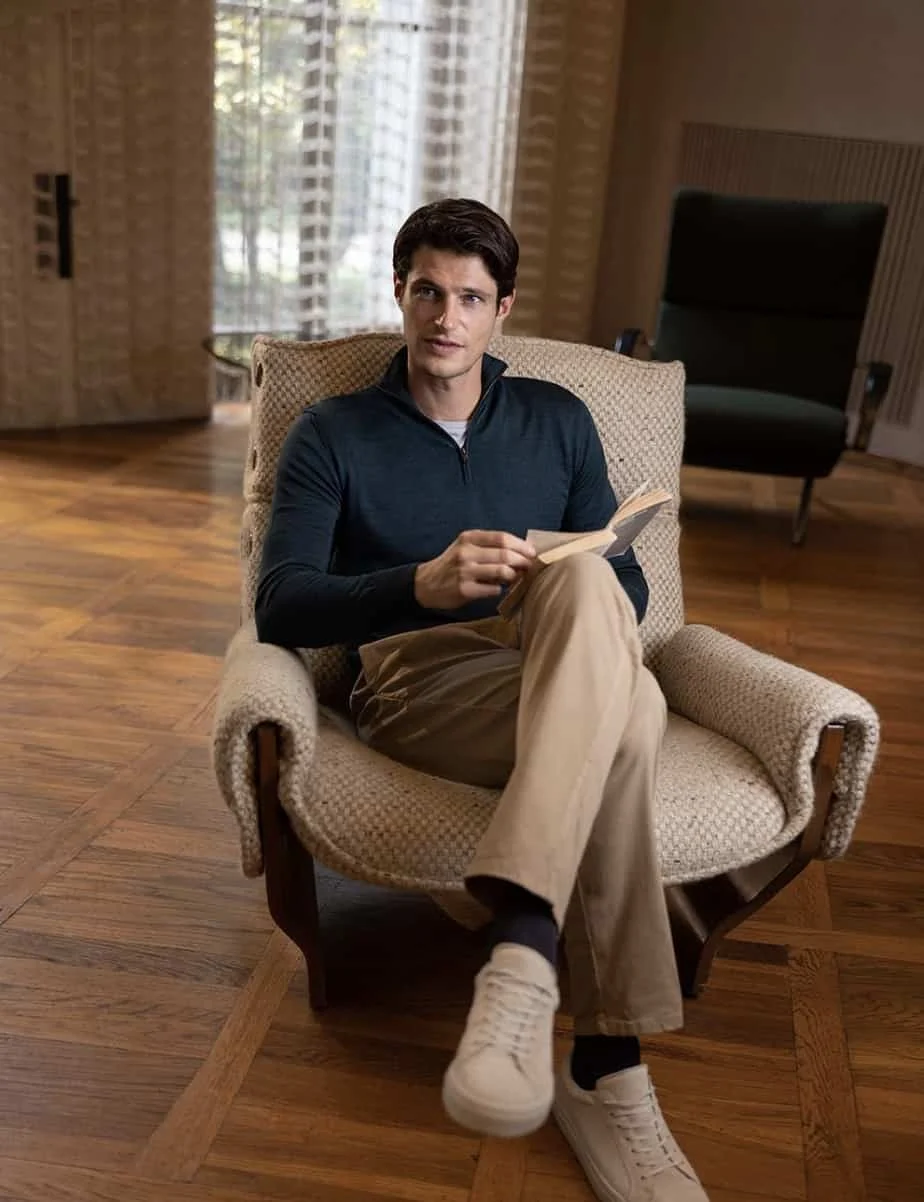
The concept of "business casual" for men has long been a source of sartorial confusion, a seemingly paradoxical blend of professional expectation and relaxed execution. It’s a dress code that, at its core, attempts to bridge the gap between the formality of traditional office wear and the increasing informality of modern workplaces. As fashion author Josh Sims aptly notes, "Business casual for men is one of those nonsensical dress codes, like smart-casual, that created bewilderment before it did anything to make people feel more at ease." Yet, despite its inherent contradictions, business casual has undeniably reshaped the landscape of men’s professional attire over the past few decades, particularly in the wake of the tech boom that saw traditional dress codes begin to erode.

The shift towards a more relaxed office environment is evident when observing the sartorial choices of industry leaders. Mark Zuckerberg, the co-founder and CEO of Meta (formerly Facebook), famously opts for a simple t-shirt, jeans, and slides for his daily work attire, a stark contrast to the suits of previous generations. While this level of informality may be permissible in certain tech-centric environments, it underscores a broader trend: the loosening of rigid office dress codes. However, this does not signal a complete abandonment of professional presentation, especially in more conservative sectors like finance. The challenge lies in striking the right balance – dressing up enough to convey professionalism, but not so much as to appear out of step with contemporary workplace norms.
The Evolution of Business Casual: A Historical Perspective
The origins of business casual can be traced back to the burgeoning tech industry of Silicon Valley in the 1980s. These were often small, self-contained companies where the emphasis was on innovation and results rather than adherence to strict protocols. The informal environment fostered a culture where comfort and practicality began to take precedence over traditional business attire. This ethos was further propelled by the concept of "Dress-Down Fridays," a practice that gained traction as a way to foster inclusivity and a sense of camaraderie among employees. The idea was simple: on one day of the week, everyone, including management, could shed the confines of suits and ties for more relaxed clothing.
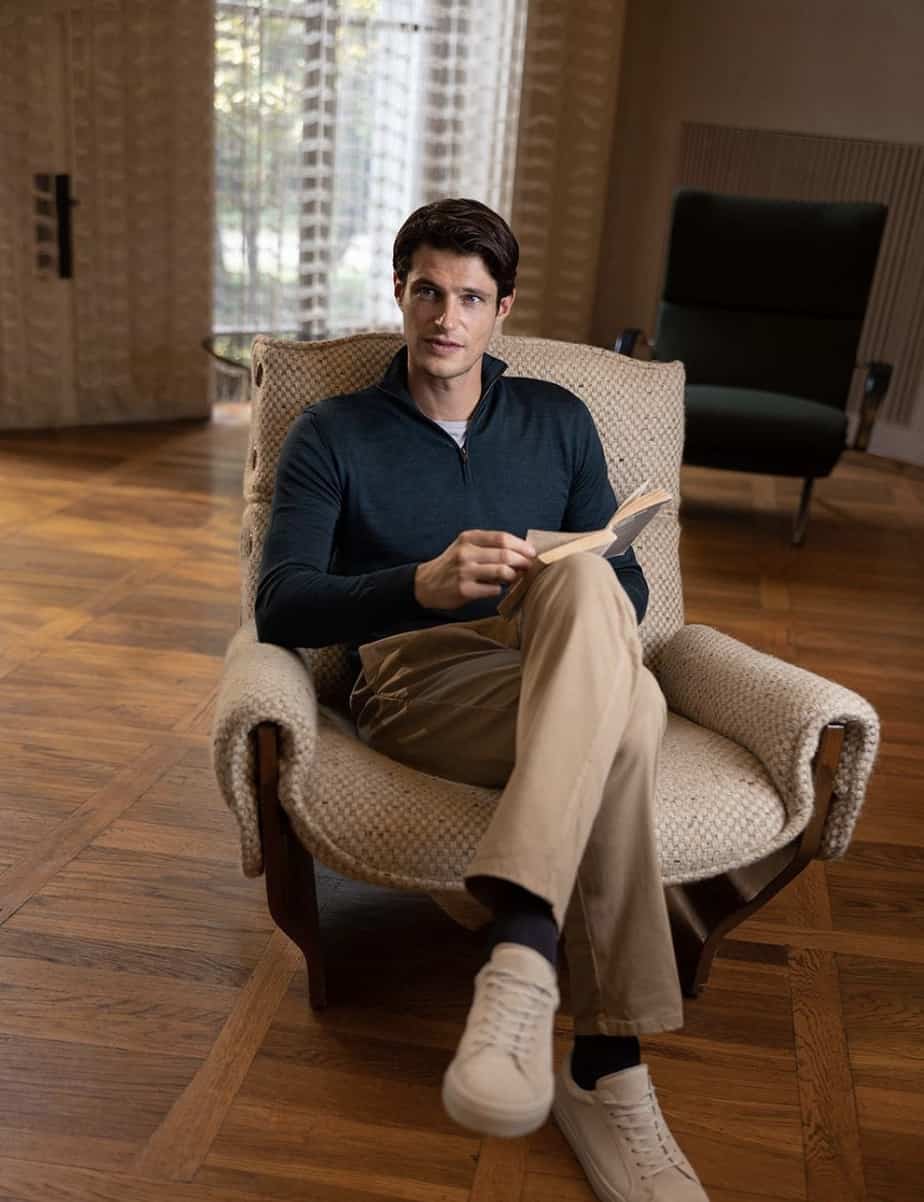
While the exact genesis of "Casual Friday" is debated, some accounts link it to 19th-century British habits of wearing tweed suits for weekend excursions. A more direct precursor emerged in 1966 with the Hawaiian Fashion Guild’s "Aloha Fridays" campaign, which promoted the idea of more relaxed office wear. However, it was the American workwear brand Dockers that played a pivotal role in formalizing and popularizing business casual. In 1992, their marketing department distributed a "Guide To Casual Business Wear" to thousands of HR managers, effectively providing a blueprint for what constituted acceptable office attire. This guide helped to clarify the ambiguous nature of business casual, though the confusion persisted, with publications like the Chicago Tribune still describing it as a "confusing world" as late as 1995.
The pervasive influence of business casual is undeniable. By 2017, even formal institutions like the UK’s House of Commons had relaxed their dress code, no longer requiring ties for members. Similarly, leaders at the 2013 G8 summit adopted a "smart-casual" dress code. The financial sector, once a bastion of formal wear, has also seen changes. JP Morgan introduced a business-casual policy in 2016, and Goldman Sachs extended a "casual" dress code to its tech staff, albeit with a caveat for client-facing situations. This widespread adoption signifies a fundamental shift in how professionalism is perceived and expressed in the modern workplace.
Key Components of a Modern Business Casual Wardrobe
Mastering business casual requires a curated selection of versatile pieces that can be mixed and matched to create a range of looks. The goal is to project an image of competence and polish without sacrificing comfort or style.
Chinos: The Foundation of Smart-Casual
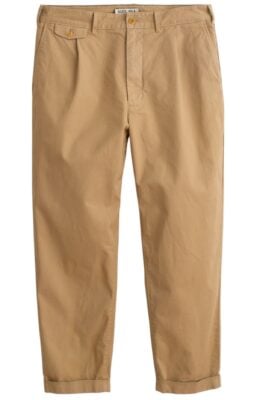
Chinos, or "khaki pants" as they are known in the United States, remain a cornerstone of the business casual ensemble. Unlike jeans, which have their roots in blue-collar workwear and can appear overly casual, chinos, with their military uniform origins, are almost always appropriate. They offer a smarter alternative to denim while remaining more relaxed than traditional suit trousers.
- Fabric and Fit: Opt for chinos made from durable cotton twill. A well-fitting pair should be neither too tight nor too loose. Slim-fit or straight-leg styles are generally most versatile.
- Color Palette: While khaki is a classic choice, darker shades like navy, olive, or charcoal are often dressier and more universally flattering.
- Details: Pleats, creases, and tab closures tend to lend a dressier feel, while rolling up the cuffs introduces a more casual element.
The Unstructured Blazer: Effortless Sophistication
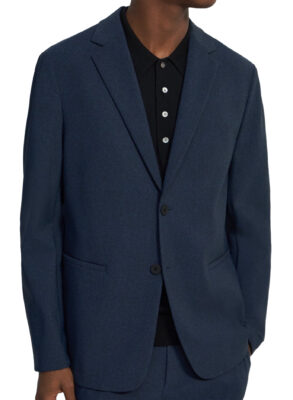
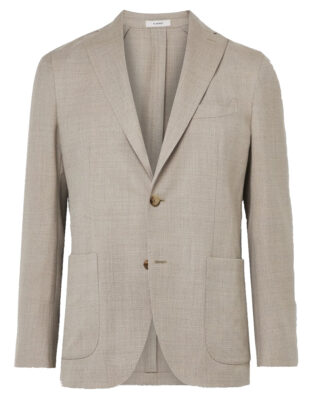
While the full suit may no longer be the ubiquitous office uniform, the blazer remains a powerful symbol of professional attire. In a business casual context, the key is to opt for an unstructured blazer – one that lacks excessive padding and canvassing, offering a softer, more relaxed silhouette.
- Construction: Unstructured blazers are typically made from lighter, more pliable materials like wool hopsack, knits, or even sweatshirt-style jersey. This gives them a more "jacket" feel than a traditional tailored piece.
- Versatility: An unstructured blazer can instantly elevate a casual outfit of a t-shirt, jeans, and trainers, providing a polished yet approachable aesthetic.
- Brands to Consider: Italian labels like Boglioli, Barena, and Aspesi are renowned for their unstructured blazers. High-street brands such as Reiss and J.Crew also offer excellent options.
The Oxford Shirt: A Timeless Staple
The Oxford button-down shirt is an enduring classic in the business casual repertoire. Its slightly textured weave and soft collar make it a more harmonious pairing with chinos or jeans than a crisp cotton-poplin shirt.
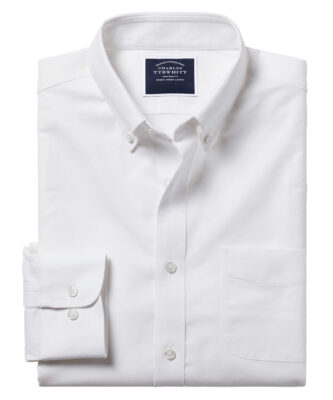
- Collar Style: A narrower collar tends to look more contemporary and less preppy. However, ensure it’s wide enough to accommodate a tie if you choose to wear one.
- Fit and Length: The shirt should fit well, with tails long enough to be tucked in for dressier occasions, but not so long that they look untidy when worn untucked.
- Alternatives: For a slightly more casual feel, consider chambray or denim shirts, or opt for a grandad or collarless shirt for a modern twist.
The Polo Shirt: Bridging the Gap
The polo shirt is often seen as the quintessential business casual item, though it has sometimes been unfairly maligned as the attire of middle-managers. Its collared, partially buttoned design places it between a formal shirt and a casual t-shirt, drawing from its sporting heritage.
- Fabric and Sleeves: While cotton is standard, upgrading to knitted fabrics like merino wool adds a touch of refinement. Long sleeves generally render the polo more office-appropriate.
- Branding: Keep logos discreet; the focus should be on the garment itself, not corporate affiliation.
Smart Trainers: Redefining Footwear
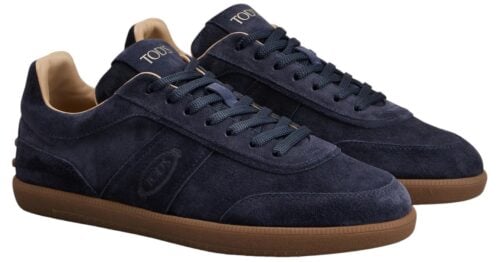
Footwear plays a crucial role in completing a business casual look. While traditional dress shoes remain an option, smart trainers have increasingly become acceptable. The key is to opt for styles that are sleek, made from quality materials like leather or suede, and possess a clean design.

- Design: Look for trainers with dark leather or suede uppers and minimal detailing. Avoid overly chunky or athletic styles.
- Color: Darker colors are generally more professional, and white trainers can work if kept impeccably clean.
- Historical Context: The acceptance of trainers in professional settings dates back to the 1980s, as evidenced by early mentions of "econo-brand athletic sneakers" becoming businesswear.
Styling Tips for Mastering Business Casual
Beyond selecting the right individual pieces, the art of business casual lies in how these items are combined and styled.
1. Restructure Your Officewear
When incorporating a blazer, aim for unstructured styles. These offer a more relaxed silhouette, with minimal padding and a slightly shorter length that reads as contemporary. Materials like boiled wool or merino wool lend a softness that approaches cardigan-like comfort, making them a smarter alternative to a hoodie.
2. Layering Alternatives
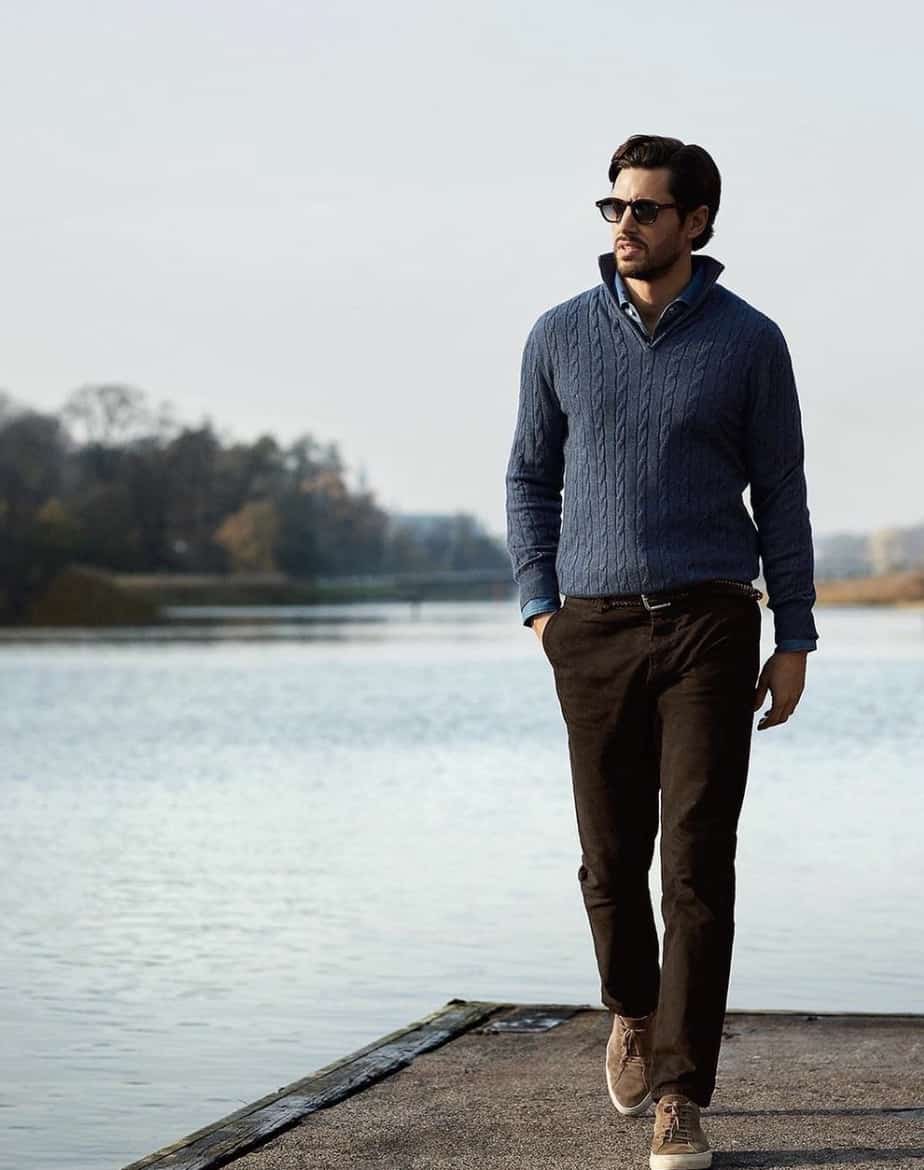
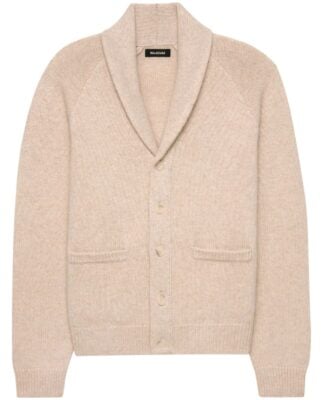
If tailoring feels too formal, a shawl-collar cardigan can serve as a sophisticated alternative to a blazer. For a more rugged yet still office-appropriate option, a chore jacket offers a smart alternative to a denim jacket. Lightweight bomber jackets in dark, non-utilitarian fabrics like wool or cotton can also function as a casual blazer. When opting for these more relaxed outerwear pieces, balance them with smarter trousers and a button-up shirt.
3. Embrace Textured Knits
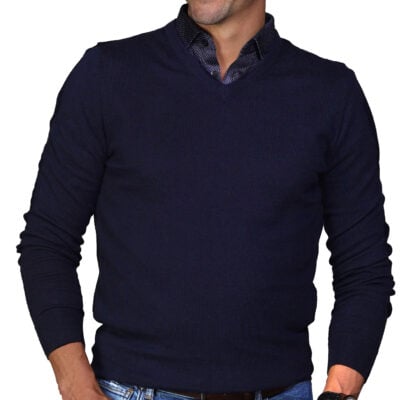
Crew-neck sweaters offer a more modern and sportier alternative to V-neck jumpers. They pair well with an open-collared shirt or even a t-shirt, providing a streamlined look. Knitted bombers or zip-up track tops, in refined fabrics, can also add a touch of edge while maintaining a level of polish.
4. Adapt Your Everyday Wear
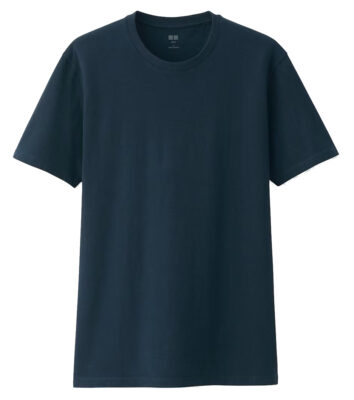
A soft-collared button-down shirt in Oxford cloth or chambray is a more relaxed choice than a stiff Jermyn Street shirt. For an even more contemporary look, consider a grandad or collarless shirt. If wearing a t-shirt, ensure it’s of high quality – not too thick, not too sheer, and with a neckline that isn’t overly revealing. Uniqlo’s Supima cotton t-shirts are an affordable and stylish option.
5. The Art of Slackening
The key to balancing a business casual outfit is to adjust the formality of each component. If you’re wearing a blazer and brogues, opt for tailored trousers. Conversely, if your outfit leans casual with a bomber jacket, t-shirt, and trainers, tailored trousers can add a necessary touch of professionalism. Avoid overly thin or shiny trouser fabrics; instead, choose more textured materials that pair well with casual pieces. Chinos offer a middle ground, with flat fronts and rolled cuffs leaning casual, while pleats and creases are dressier. Jogger-style waistbands on trousers and chinos add a contemporary, comfortable edge, best suited for untucked shirts.
6. Workwear Integration
Dark, un-distressed jeans can be a valid choice for a smart-casual workplace. Black or dark blue selvedge denim is often recommended. Avoid excessive detailing or ripped knees. Turn-ups on jeans, much like on chinos, will make the overall look more casual.
7. Footwear Finesse
The sleeker and smoother the shoe, the smarter it generally appears. Brogues offer a solid foundation, while chunky Derbies can provide a more contemporary edge. Dress trainers, characterized by dark leather uppers and clean designs, are increasingly acceptable. Ensure any trainers are kept pristine. High-top styles, however, are generally too informal.
8. The Right Accessories
A well-chosen bag can significantly elevate a business casual outfit. A smart leather backpack or a soft leather briefcase can be more appropriate than a messenger bag in a smart-casual office. Look for bags with good hardware and in dark colors. A handsome watch with a metal bracelet or Milanese mesh strap can add a touch of polish to even the most casual ensemble.
Common Business-Casual Dos and Don’ts
| Do | Don’t |
|---|---|
| Wear Workwear: Puffer vests and structured pants are welcome, but leave the Carhartt overalls at home. | Wear ONLY Workwear: Avoid any well-used items with tears or stains. |
| Be All Business: If in doubt, wear chinos or trousers; if in doubt about trainers, wear shoes. | Be All Casual: Enduring quips about a job interview is better than being underdressed. |
| Dress Appropriately: Consider your industry. A startup is less rigid than a law firm. | Dress Like a Worker Drone: A suit is not always necessary, but avoid looking disheveled. |
| Nail Your Presentation: Casual pieces like t-shirts and trainers should be pristine. | Get Ink On Your Sleeve: Be mindful of visible tattoos, especially in client-facing roles. |
| Mix Textures: Coarser, matte fabrics offer a more casual feel than smooth, shiny ones. | Mix Business & Athleisure: While sporty items can work, avoid anything suitable for a gym workout. |
| Change Your Working Patterns: Patterns typically make smart pieces feel more casual. | Wear Pinstripes: Unless in a very casual context, pinstripes shout "business." |
| Check Your Schedule: Fewer meetings mean more leeway for casual attire. Keep a blazer handy. | Take A Casual Approach: Studies suggest overly casual environments may decrease productivity. |
| Add Attachments: A metal watch and leather bag add polish to casual outfits. | Slide Down The Corporate Ladder: Flip-flops are never appropriate for an office environment. |
Frequently Asked Questions
1. What is Men’s Business Casual Attire?
Business casual for men has evolved from a strict replacement of the suit with polos and chinos to a more nuanced ethos. It reflects a broader cultural shift towards informality in professional settings, influenced heavily by the tech industry’s embrace of comfort and practicality. It signifies a balance between looking put-together and feeling comfortable, adapting to various workplace environments.
2. How Was Business-Casual Attire for Men Born?
Business casual originated in the tech hubs of the 1980s, driven by companies that prioritized results and innovation over traditional corporate dress codes. The concept of "Dress-Down Fridays" played a significant role, fostering a more relaxed atmosphere. The marketing efforts of brands like Dockers in the 1990s further cemented business casual as a legitimate workplace dress code, though its interpretation has continued to evolve.
