
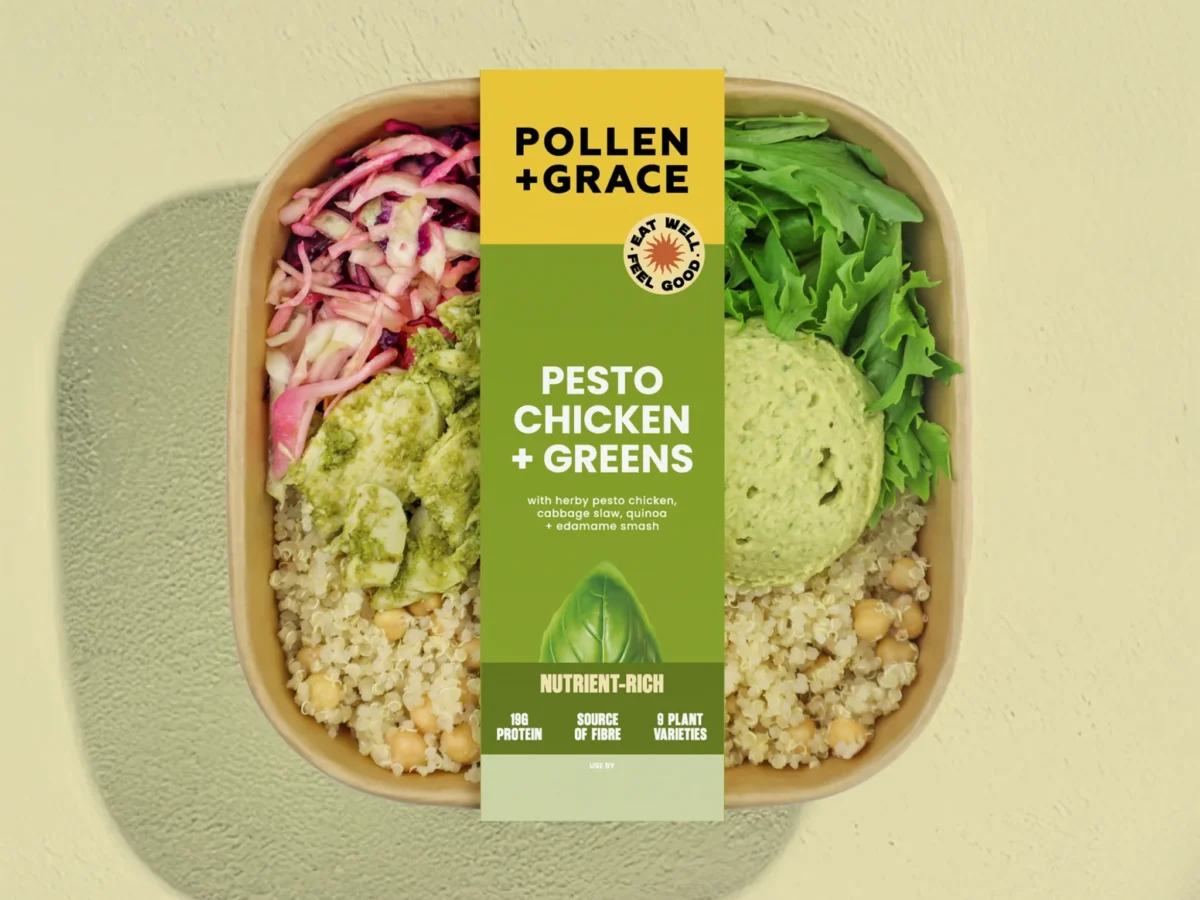
In a significant pivot that has ignited debate within the sustainable food community, British ready meal startup Pollen + Grace has officially moved away from its exclusively plant-based menu, introducing chicken-based options to its product line after eight years as a vegan brand. This strategic shift, driven by extensive consumer research, has drawn considerable criticism on social media, with loyal customers expressing disappointment and concern over what they perceive as a regression from the brand’s core values. The move by Pollen + Grace mirrors a broader trend observed in the food industry, where businesses once solely committed to plant-based offerings are re-evaluating their strategies in response to evolving consumer demands and market dynamics.
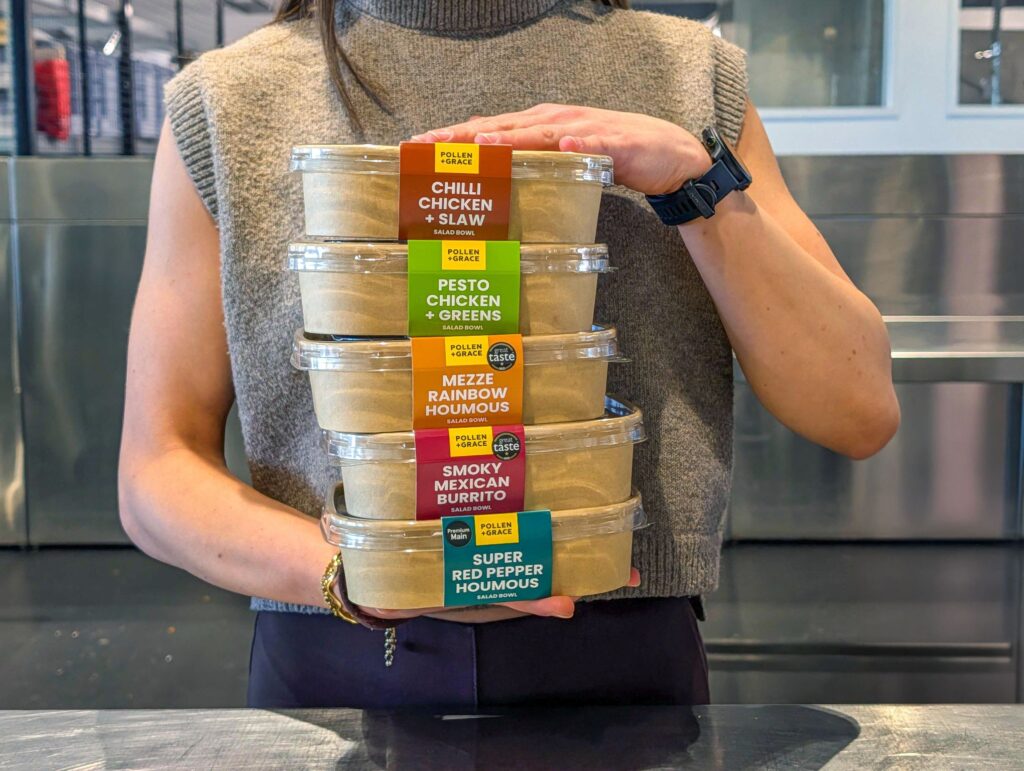
The decision to reintroduce meat products, specifically chicken, into its ready meal selection marks a notable departure for Pollen + Grace, a company that had built its reputation on providing healthy, high-quality vegan meals. The brand initially launched in 2015, offering both plant-based and meat dishes. However, in 2018, coinciding with a surge in the popularity of meat-free diets, Pollen + Grace transitioned to a 100% vegan menu. This latest recalibration, announced last week with the launch of a chilli chicken and slaw salad and a pesto chicken and greens salad, signifies a return to a more inclusive menu that now accommodates omnivores.
According to Kristina Komlosiova, co-founder and chief growth officer at Pollen + Grace, the decision was rooted in a deep dive into their customer base. "The honest truth is that it came from listening and observing the people who consistently buy our meals," Komlosiova stated in a LinkedIn post detailing the company’s rationale. She revealed that their consumer research indicated a significant disconnect between the brand’s perceived identity and its actual customer demographic. The findings showed that a substantial 72% of their shoppers consume meat, while a mere 5% associate the Pollen + Grace brand specifically with being vegan. Instead, the majority of customers identified the brand with health and quality, suggesting that the vegan label, while foundational to its early identity, was no longer the primary driver of purchasing decisions for its core audience.
Komlosiova elaborated on the depth of their research, stating, "Over the last 18 months, we went deeper than ever into understanding our shoppers, and what came back surprised even us." The most striking revelation, she noted, was that the number one request from their customers was for more animal protein options and greater variety. This demand was further corroborated by cross-shopping data, which revealed that existing Pollen + Grace customers were purchasing non-vegan items from competitors that the brand did not offer. "When you see that clearly enough, it becomes an obvious decision, and we simply cannot be stubborn about it," Komlosiova remarked. She emphasized that the brand’s enduring mission has always been to provide delicious, healthy food that integrates seamlessly into people’s lives, and clinging to a label that no longer reflected their customer base or their original 2015 offerings would have been an act of misplaced stubbornness.
Claire Whitfield, the brand’s head of product, echoed this sentiment in a separate LinkedIn post, reaffirming the company’s commitment to promoting healthy eating. "We still believe plant-rich eating is one of the most important things we can do for our health," Whitfield wrote. "And we hope that by introducing options with animal protein, we’ll help more people diversify their diets and make balanced, feel-good food choices more often." This statement aims to position the introduction of meat as a strategy to broaden appeal and encourage more balanced dietary habits rather than a complete abandonment of plant-forward principles.
The Consumer Backlash and Shifting Market Landscape
Despite Pollen + Grace’s stated intentions, the announcement was met with immediate and vocal opposition from a segment of its customer base. On Instagram, where the brand has a significant following, users expressed profound disappointment. Many lamented what they saw as a betrayal of the brand’s ethical commitments. One common refrain was that the move felt like a "step backwards for the environment and for animal welfare." Critics argued that by introducing meat, Pollen + Grace was diminishing its unique selling proposition and aligning itself with the vast majority of food providers already offering meat products, thus losing the very quality that made it special.
"I’m sad to see a brand I admired move away from its values," one Instagram user commented. "It feels like a step backwards for the environment and for animal welfare, just to appeal to a group that already has endless options everywhere else. Every supermarket and food brand already offers meat – now you’re no different. What made you special was that everything was vegan." This sentiment highlights the emotional investment many customers have in brands that champion specific ethical or environmental stances.
Concerns were also raised about the feasibility of the brand’s claim to still champion plant diversity while incorporating meat. When Komlosiova suggested that "more protein doesn’t mean fewer plants or fibre," some Instagram users countered that increased protein intake could be achieved through plant-based sources. "You can add more protein without adding animal products. Beans, lentils, tofu, to name a very small handful of suggestions," one user pointed out, reflecting a common argument within the plant-based advocacy community. Other customers indicated their intention to boycott the brand moving forward, underscoring the potential for significant customer attrition.
This backlash underscores the inherent tension for plant-based brands when they consider expanding their offerings to include animal products. While such decisions are often framed as market-driven necessities, they can alienate the very consumers who were drawn to the brand precisely because of its strict adherence to plant-based principles. The challenge lies in balancing commercial viability with maintaining brand integrity and customer loyalty.
A Wider Industry Trend: The Re-evaluation of Plant-Based Strategies
The pivot by Pollen + Grace is not an isolated incident but rather indicative of a broader re-evaluation occurring across the food industry, particularly within the ready meal and food-to-go sectors. While health and environmental experts continue to advocate for increased consumption of plant-based proteins, many businesses are finding it challenging to achieve sustained growth solely through vegan offerings. This difficulty has led several formerly vegan or plant-forward businesses to reconsider their menus.
In the UK, other companies have followed a similar trajectory. Bristol-based Oowie, which had been expanding with a vegan-only approach, began offering animal products in 2024. Wagamama, a restaurant group historically known for its plant-forward ethos, also scaled back its meat-free options recently, suggesting a strategic adjustment to market demand.
The trend extends internationally. In the United States, several vegan eateries have introduced meat to their menus with mixed results. Hot Tongue Pizza, Elf Cafe, Burgerlords, Margo’s, and Sage Regenerative Kitchen are among those that have incorporated animal proteins. Notably, Sage Regenerative Kitchen, which had transitioned to a plant-based menu, eventually closed its doors last year. Perhaps the most high-profile example is the Michelin-starred restaurant Eleven Madison Park, which famously transitioned to a fully vegan menu under Chef Daniel Humm, only to later reintroduce some animal protein options, a move that also generated considerable discussion.
These instances suggest that the initial surge in plant-based popularity, while significant, may have reached a plateau for some businesses, forcing them to adapt to a more complex consumer landscape. The narrative of plant-based eating is evolving, and some brands are finding that a hybrid approach or a focus on "plant-rich" rather than strictly "plant-based" is more sustainable.
Navigating the Nuances of UK Consumer Behaviour
The decision by Pollen + Grace also comes at a time of complex shifts in UK consumer dietary habits. While there is undeniable momentum behind plant-rich eating and a growing awareness of its health and environmental benefits, the market is far from monolithic. Recent consumer research in the UK reveals a multifaceted picture. On one hand, there’s an observed increase in meat consumption among young men, sometimes linked to cultural or social influences. On the other hand, movements promoting high-fibre diets and the "30 plants a week" challenge have spurred a resurgence in interest in legumes and other plant-based staples.
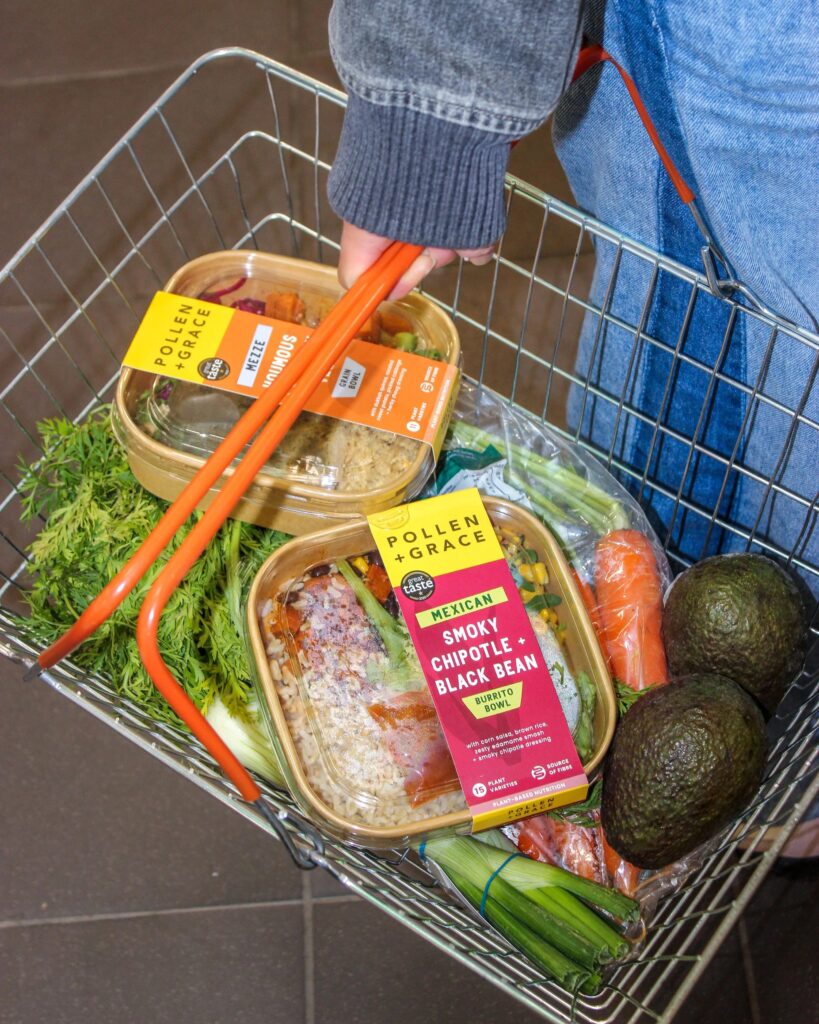
Data indicates that a significant portion of the British population is actively seeking to reduce their intake of meat and dairy. Approximately one-third of Britons express a desire to cut back on these products, with a similar percentage aiming to increase their consumption of plant-based foods. This suggests a sustained, and perhaps growing, market for plant-based options. Furthermore, projections indicate that by the end of the year, 27% of Brits will identify as vegan, vegetarian, or pescatarian, with Generation Z leading this dietary shift.
However, the market for plant-based products has also experienced some volatility. While Circana data pointed to a slight decline of 0.7% in the volume sales of plant-based foods across Europe, analyses from Nielsen have shown a more optimistic picture within the UK. Nielsen reported a nearly 1% uptick in demand for chilled vegan food in UK supermarkets in 2025, with a more pronounced rise of 1.7% in the final quarter of the year. This suggests that while overall market trends can be complex, specific categories within the plant-based sector may be experiencing renewed growth.
Tesco, the UK’s largest retailer, has attributed this revival to a growing demand for "veg-led foods" that are rich in protein and fibre. The supermarket chain has reiterated its commitment to innovating with meat alternatives and has focused on promoting products that highlight plant proteins like beans, lentils, and tofu. This strategy by a major retailer underscores the ongoing importance of plant-based innovation, even as market dynamics shift.
The Path Forward for Pollen + Grace
For Pollen + Grace, the immediate future will likely involve navigating the fallout from its recent decision. The company faces the challenge of retaining its existing customer base while simultaneously attracting new consumers who may have previously been deterred by its exclusively vegan offering. The brand’s ability to successfully communicate its revised mission – to offer healthy, delicious food that caters to a broader audience while still valuing plant-rich ingredients – will be crucial.
The controversy surrounding Pollen + Grace’s shift highlights a critical juncture for many food businesses operating in the plant-based space. The market is no longer as simple as catering to a niche group of dedicated vegans and vegetarians. Instead, businesses must contend with a spectrum of consumer preferences, from flexitarians and conscious omnivores to those actively reducing their meat intake. The success of companies like Pollen + Grace may hinge on their agility in adapting to these evolving demands, while carefully managing brand perception and the expectations of their core supporters. The ongoing dialogue between consumers and brands about what constitutes "healthy," "sustainable," and "ethical" food will continue to shape the future of the industry.
